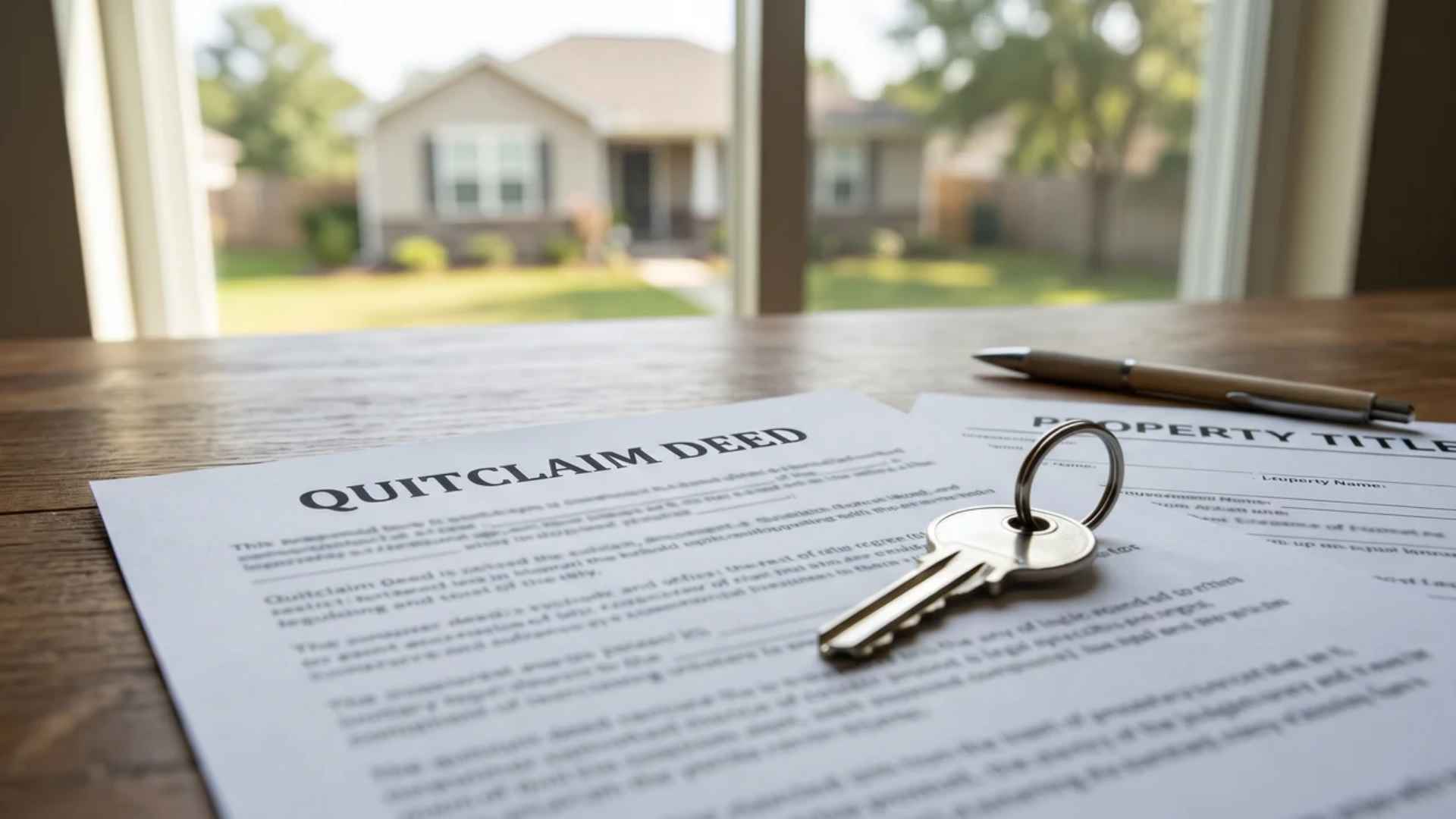


You signed a stack of papers at closing. One of them was called a deed of trust. And somewhere in the back of your mind, a question crept in: does a deed of trust show ownership?
Here's the twist. The answer might surprise you, and it changes how you should read every other document in that stack.
After years of reading closing paperwork, I've watched this mix-up trip up plenty of buyers. It's an easy one to make, and it's easy to fix once you see how everything fits together.
Disclaimer:This article is general information, not legal advice. Deed of trust and foreclosure rules vary by state, so check with a real estate attorney or your title company about your situation.
Does a Deed of Trust Prove You Own Your Home?
No, it doesn't. A deed of trust is not proof of ownership. It's the document that secures your loan, and that's all it does.
Three parties sign it: you (the borrower), your lender, and a trustee. The trustee is a neutral third party who holds a legal claim on the home until you pay off the loan.
You'll find this document in your closing paperwork, right alongside your other loan documents. That's exactly why people confuse it with proof of ownership. It sits in the same stack of papers, but it plays a completely different role.
Your actual ownership comes from a separate document, one we'll get into next.
Who Actually Holds the Title While You're Paying Off the Loan
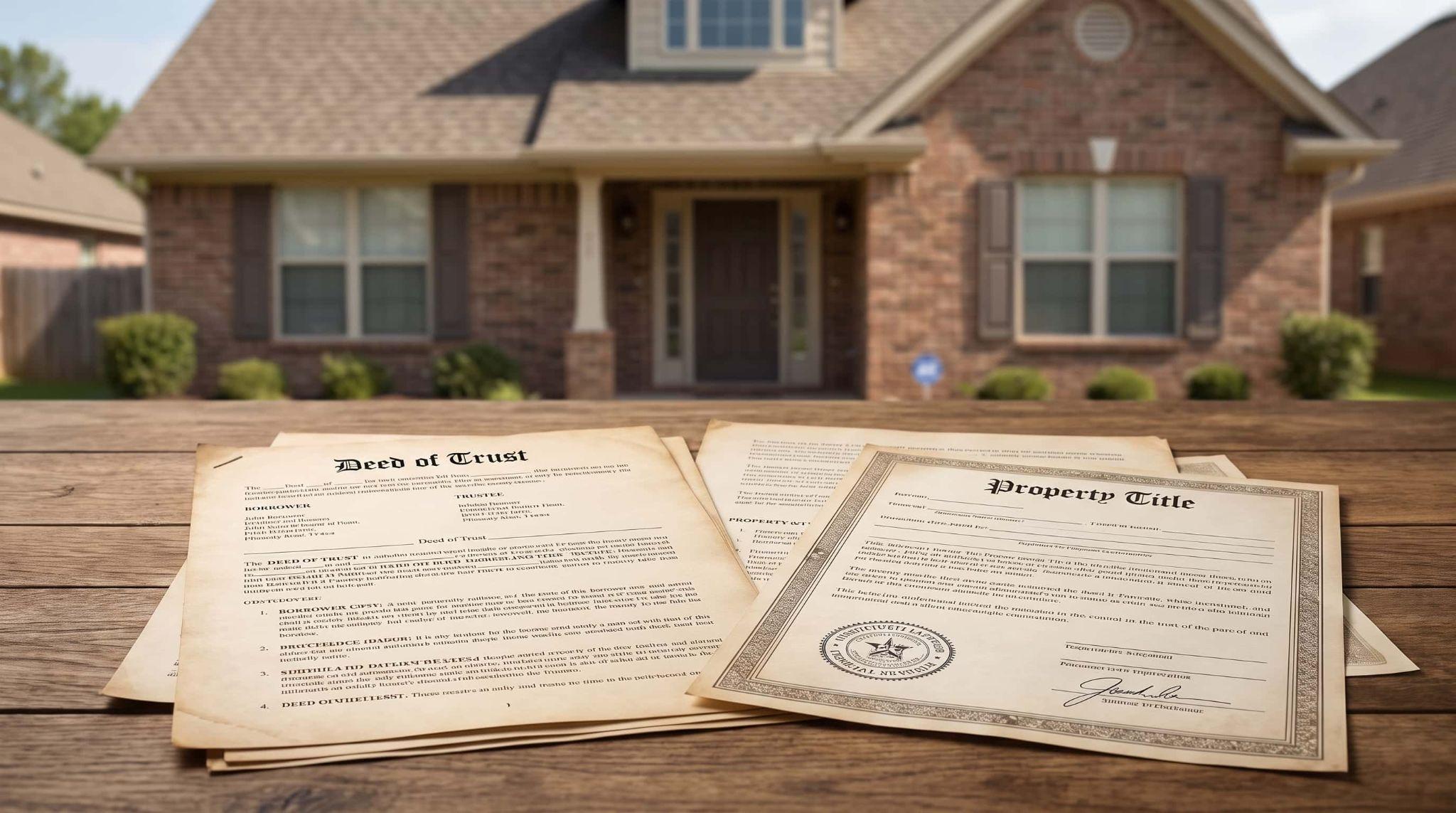
Title doesn't sit cleanly with one party during the loan. It's split between you and the trustee, and each side holds a different piece of it.
What Equitable Title Gives You
You hold what's called an equitable title. It gives you the everyday rights of an owner. You can live in the home, make improvements, refinance it, and leave it to your heirs.
You can also sell the home, as long as the loan gets paid off at closing. Equitable title is what most people think of as "owning" a home day to day. It just isn't the full legal picture.
Why the Trustee Holds Bare Legal Title
The trustee holds bare legal title. This is a narrow, technical form of title. It doesn't come with any rights to live in or use the home.
Its only job is to back the lender. If you stop making payments, that title gives the trustee the legal standing to sell the home and repay the loan, often without going through court first, using what's known as a trustee'warranty deed carries the seller's deed.
This is why a neutral third party is involved at all. The trustee isn't on your side or the lender's. They just hold this piece of title until one of two things happens: you pay off the loan, or you default.
How a Deed of Trust Differs From a Property Deed
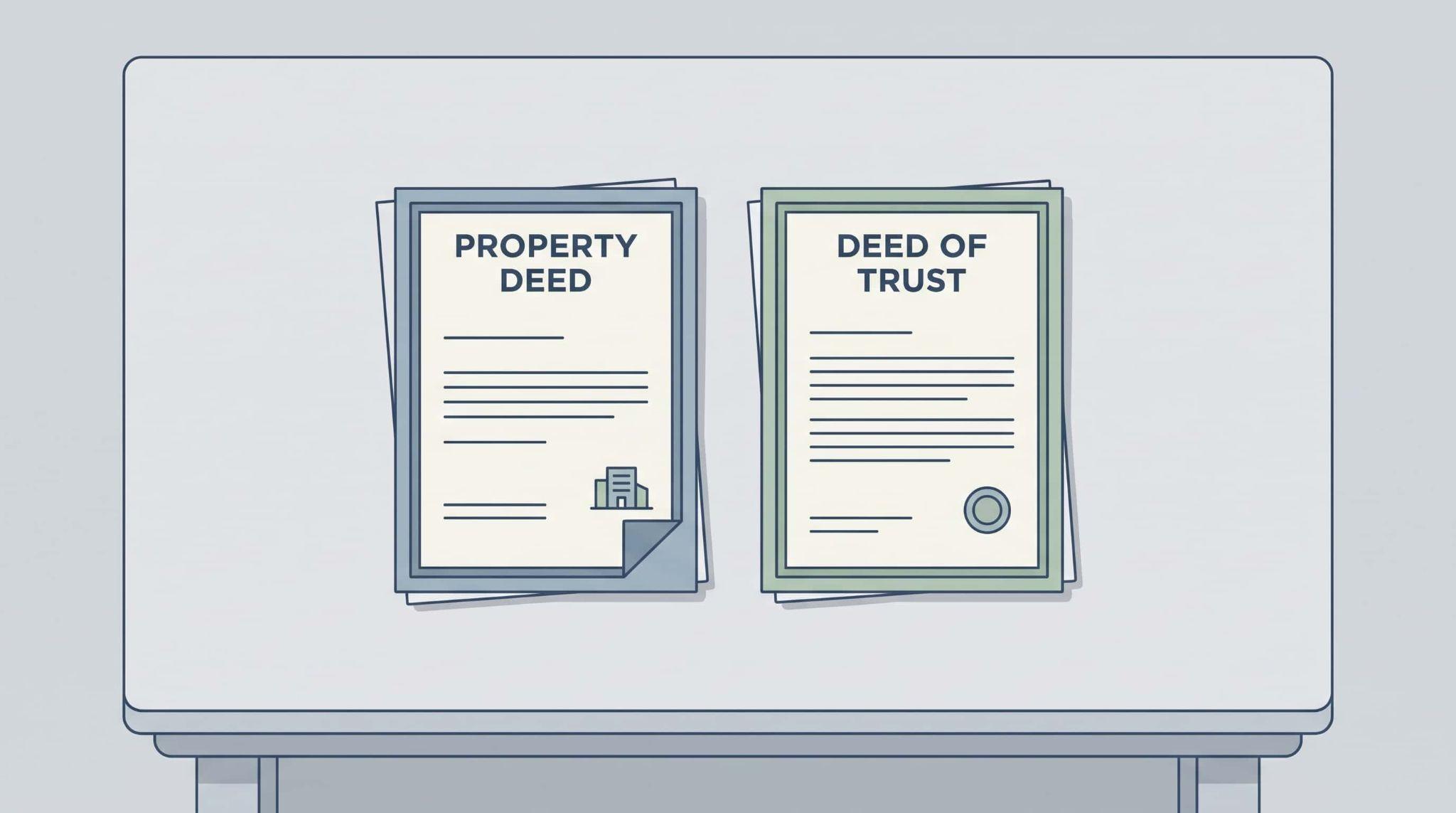
The document that actually proves you own your home is your property deed. Home sales use several types of deeds, including the warranty deed and the grant deed.
The seller signs it to transfer the home to you, and it gets recorded with the county. A warranty deed carries the seller's promise that the title is clear all the way back through the property's history.
A grant deed makes a narrower promise: the seller hasn't sold the home to anyone else and hasn't left any hidden liens on it. Which one you receive depends on your state.
Either way, the deed stays on record as your proof of ownership, while the deed of trust gets cleared once the loan is paid off. Both documents share the word "deed," but that's where the similarity ends.
What Happens to the Deed of Trust When You Pay Off the Loan
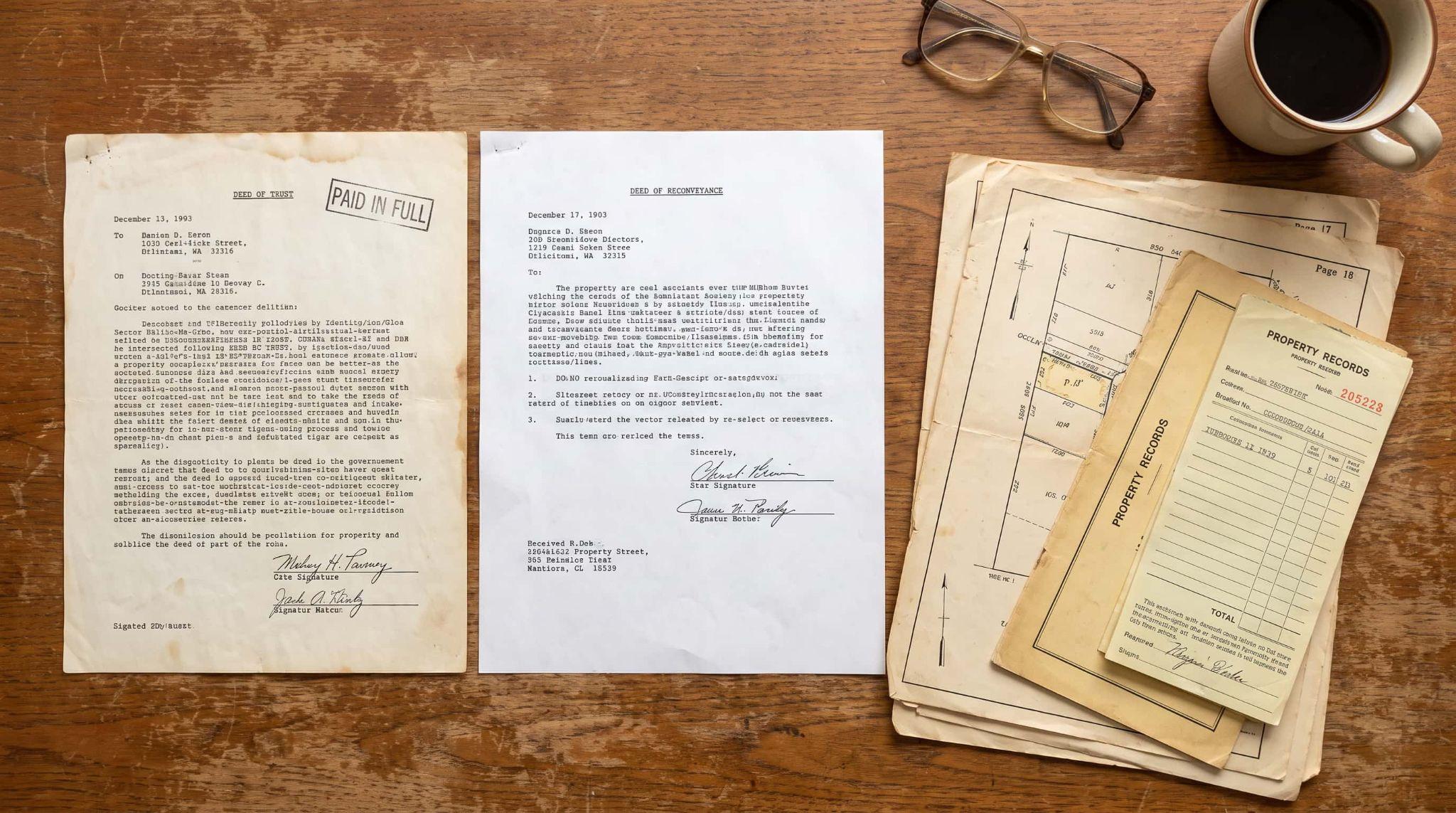
Making your final payment doesn't clear the deed of trust on its own. Full ownership only gets confirmed once a separate document, called a deed of reconveyance, gets filed.
Once your loan is paid off, the trustee files this reconveyance with the county.
That filing is what actually releases the lien and hands you clear title. Until it's recorded, the deed of trust technically still sits on your property.
That matters if you plan to sell or refinance. A lien that was never released can show up in a title search and hold up the closing. After your final payment, check the county's recorded documents to confirm the reconveyance was filed.
This same structure also carries a risk worth understanding while you're still paying the loan.
Because the trustee holds power of sale, states like California and Texas let lenders foreclose without going through court first. That's different from a traditional mortgage, where a lender usually needs a judge's approval before selling your home.
It doesn't mean foreclosure happens faster in every case. But it does mean the legal path is shorter if you fall behind, since there's no court step built in by default. Once the loan is paid off, though, that risk goes away the moment the reconveyance is filed.
Difference Between a Deed and a Deed of Trust
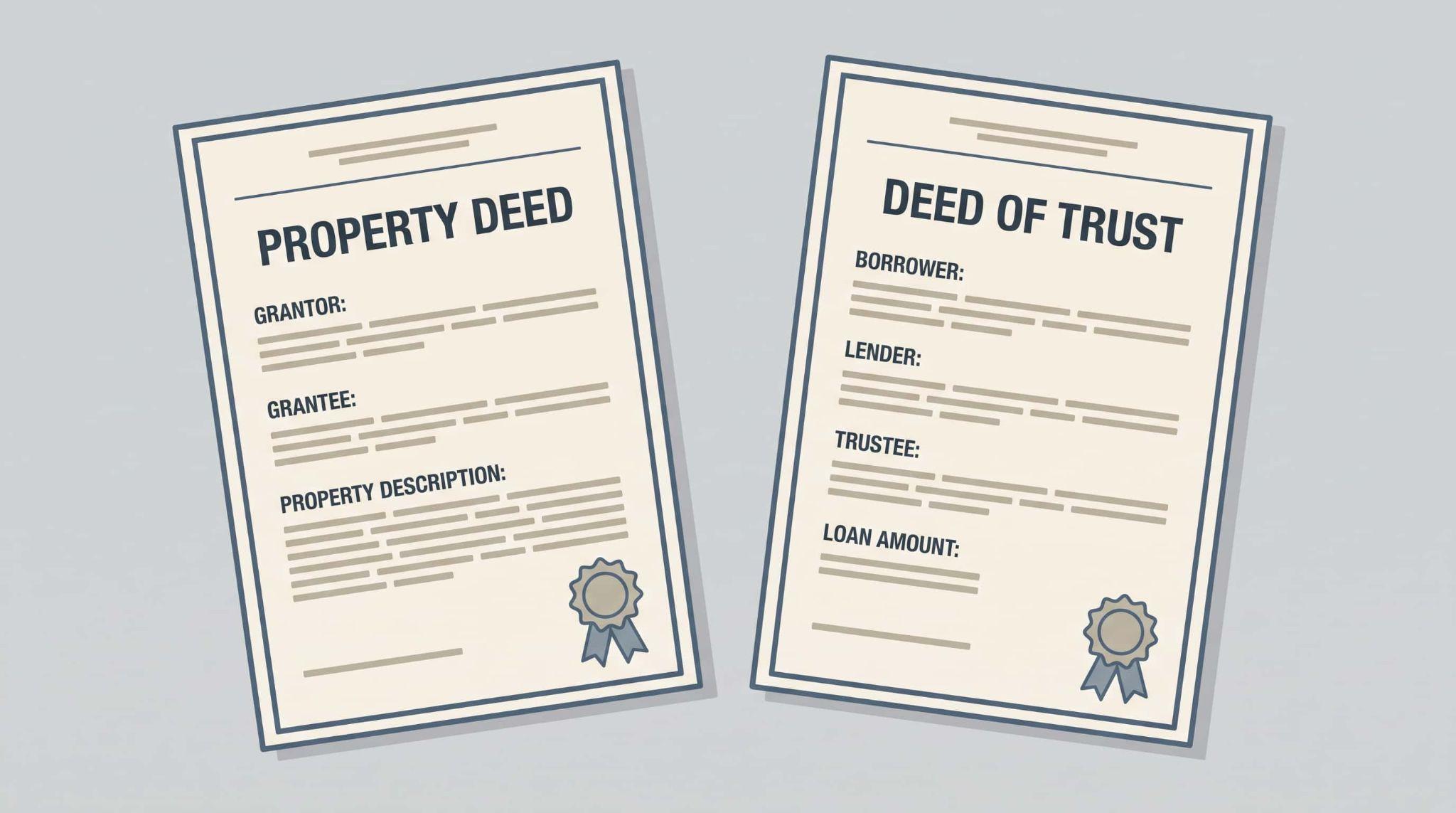
A "deed" and a "deed of trust" aren't two versions of the same document, and the table below shows where they split.
| Comparison Point | Deed | Deed of Trust |
| Definition | A general term for any document that transfers property rights | A security instrument that secures a home loan |
| Purpose | Transfers ownership from one party to another | Creates a lien on the property until the loan is repaid |
| Transfers ownership? | Yes | No |
| Creates a lien? | No | Yes |
| Parties involved | Grantor (seller) and grantee (buyer) | Borrower, lender, and trustee |
| When it's used | At the time of sale or transfer | At the time of financing, alongside the loan |
| What happens when it's done | Stays on record as proof of ownership | Gets cleared through a deed of reconveyance once paid off |
Deed of Trust vs. Mortgage
A deed of trust and a mortgage do the same basic job. Both let a lender place a lien on your home to secure a loan. The difference is who's involved and what happens if you stop paying.
| Comparison Point | Deed of Trust | Mortgage |
| Parties involved | Borrower, lender, and trustee | Borrower and lender |
| Who holds title during the loan | Trustee holds bare legal title, and you hold equitable title | You keep title, and the lender holds a lien (in most states) |
| Foreclosure | Often handled outside court through the trustee's power of sale | Usually goes through a court |
| Foreclosure route in example states | Non-judicial in | Judicial in Florida, New York, and Illinois |
Your state usually decides which one you get. If you're not sure which you signed, check the title at the top of the document and see whether a trustee is named.
What's Included in a Deed of Trust
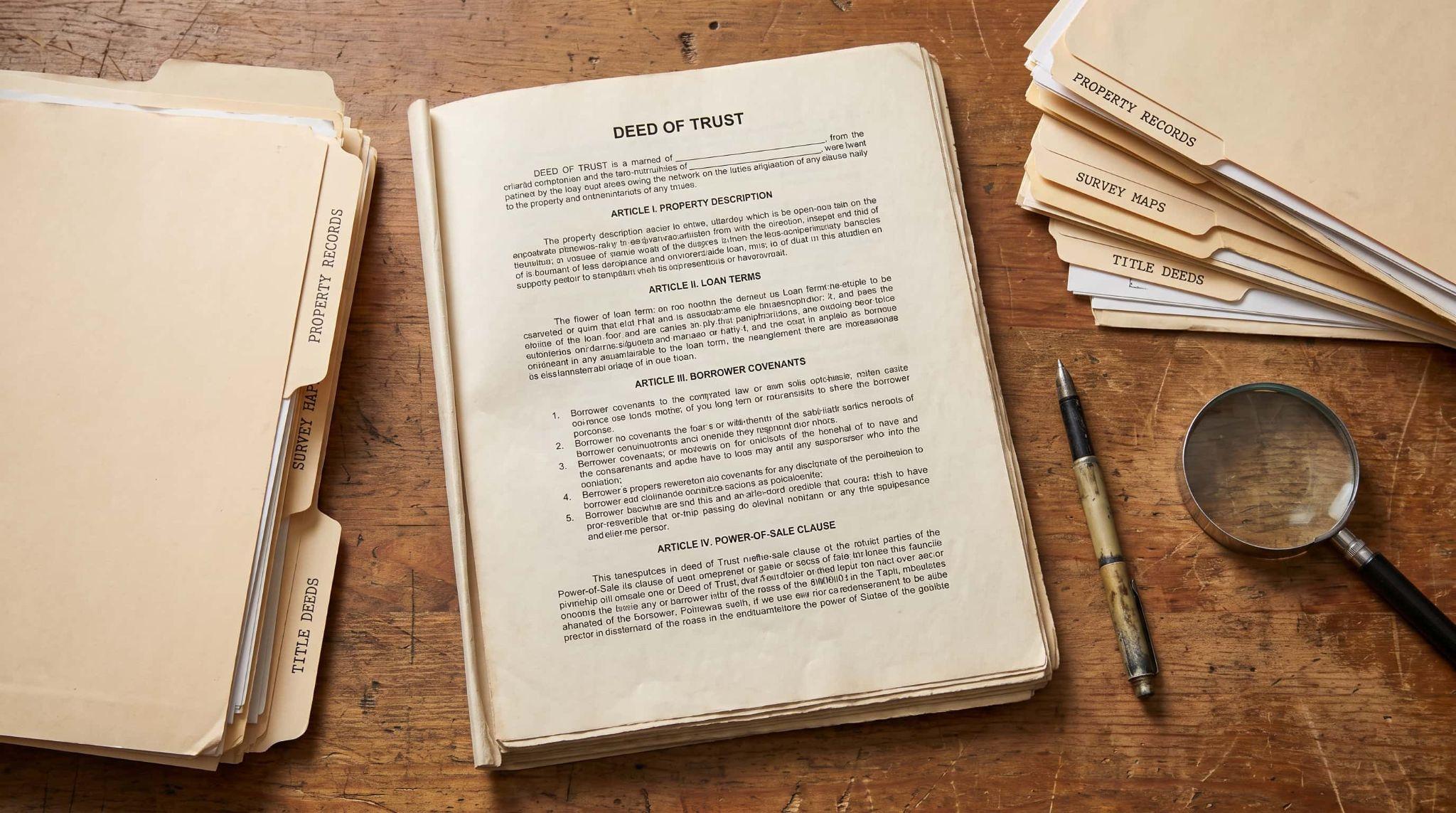
Everything covered so far traces back to a handful of clauses inside the document itself. These are the ones that matter.
First, it identifies the property, usually with a full legal description, along with the loan amount and repayment terms. That's what ties the lien directly to your home and your specific debt.
It also includes borrower covenants. These are promises you make to the lender. You confirm you legally own the property and have the right to put this lien on it. You also agree to pay property taxes, keep the home insured, and maintain it.
Breaking any of these promises can put you in default, even if your loan payments are current.
Then there's the power-of-sale clause, which gives the trustee authority to sell the home if you default on the loan. It's what allows many states to skip a courtroom process during foreclosure, making it one of the more consequential sections in the entire document.
Final Thoughts
So, does a deed of trust show ownership? No. It secures your loan, and your property deed is what proves the home is yours. The deed of trust stays on record until the loan is paid off and the trustee files a reconveyance to release the lien.
The next time you open your closing papers, you'll know which document does what.
If this cleared things up, leave a comment and tell me which part surprised you most. And if you're still working through other closing terms, take a look at other real estate guides on the website.
Frequently Asked Questions
What is the best proof of ownership of property?
Your property deed is the strongest proof of ownership. It gets recorded at the county and shows your legal right to the home. A title report or title insurance policy can also confirm this, since both are based on the same recorded deed history for the property.
What happens when a deed of trust is paid off after?
Once you make your final payment, the trustee files a deed of reconveyance with the county. This filing removes the lien tied to your loan and confirms you now hold clear title. Until this document is recorded, the deed of trust technically still shows on your property.
What are the risks of a deed of trust?
The main risk comes from the trustee's power of sale. Since a neutral third party already holds legal standing, some states let lenders foreclose without going to court. This means the process can move faster than a traditional mortgage foreclosure if you fall behind on payments.
What invalidates a deed of trust?
A deed of trust can be challenged if it wasn't signed correctly or wasn't notarized. One that was never recorded usually stays valid between you and the lender, but it loses priority to other claims that were recorded first. Errors in the property description, fraud, forged signatures, or a borrower who lacked legal authority to sign can also make the document unenforceable.