

A beach house may be affordable when several buyers share the purchase, but the price is only one part of the decision. With fractional ownership, the legal form of your share can affect your rights, costs, use of the property, and ability to sell.
One arrangement may give you a deeded interest in the home; another may give you an interest in a company that owns it. Those differences matter long after closing day.
Before comparing prices or counting vacation weeks, find out what fractional home ownership actually gives you.
The agreement also decides who gets peak weeks, who pays for repairs, and how you can sell. Those terms are easy to skim past and costly to misread once you own.
Disclaimer: This article provides general educational information about fractional real estate ownership. Ownership rights, taxes, transfer restrictions, and legal requirements vary by state and ownership structure. Consult a qualified real estate attorney and tax professional before entering an agreement.
What Does Fractional Ownership Mean?
Fractional ownership means several unrelated buyers share one high-value asset. Each buyer holds a defined portion, such as one-eighth or one-quarter.
The purchase price and upkeep get divided in line with each share. So does the use, or the income, depending on the asset.
The asset can be a vacation home, an office building, a private jet, or a yacht. What each buyer actually holds depends on how the deal is set up.
How Does Fractional Ownership Work?
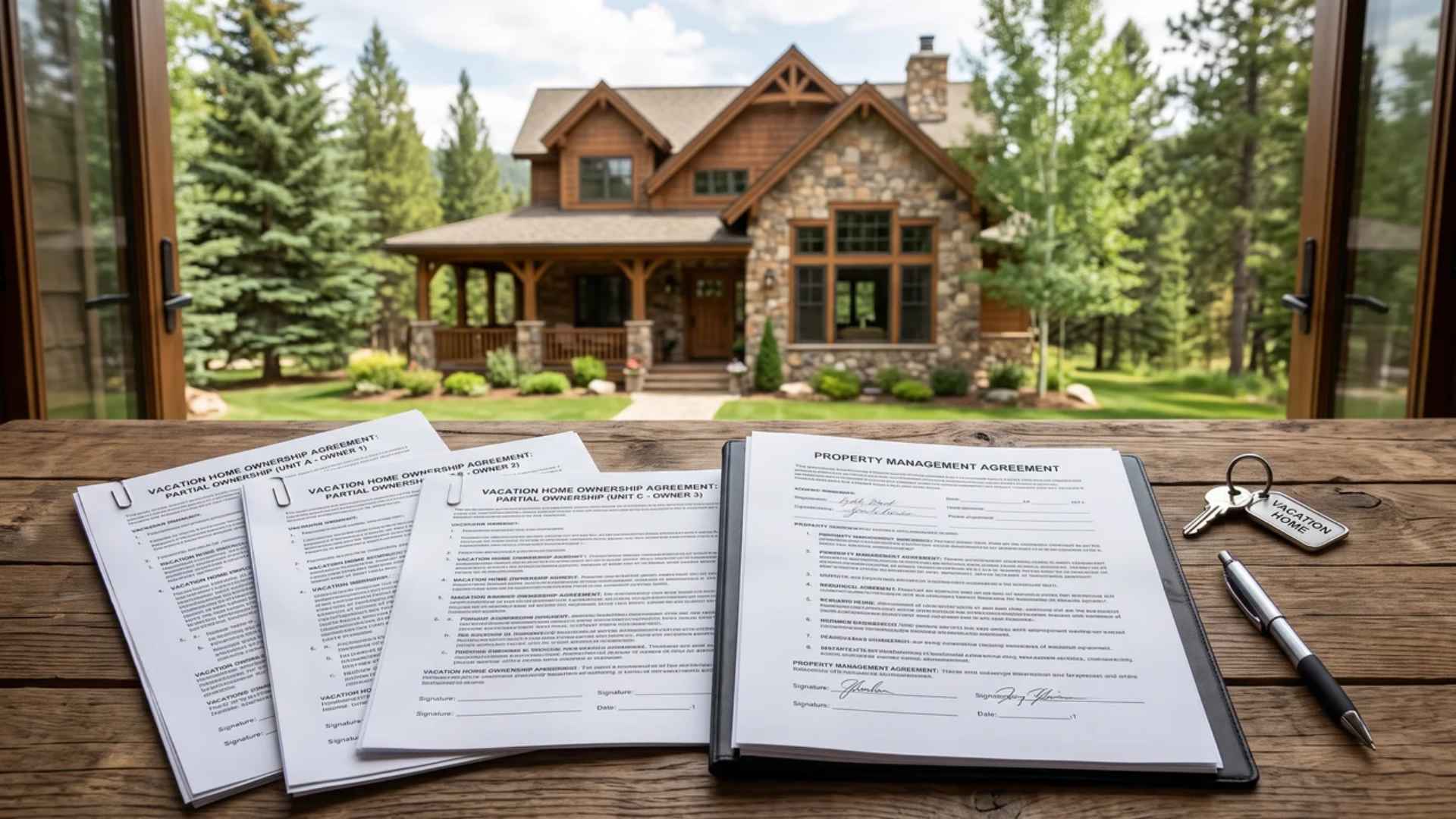
Every fractional deal rests on three things: what you legally hold, how use and costs get split, and who decides. Start with the first, because it shapes the other two.
What Do You Actually Own in a Fractional Property?
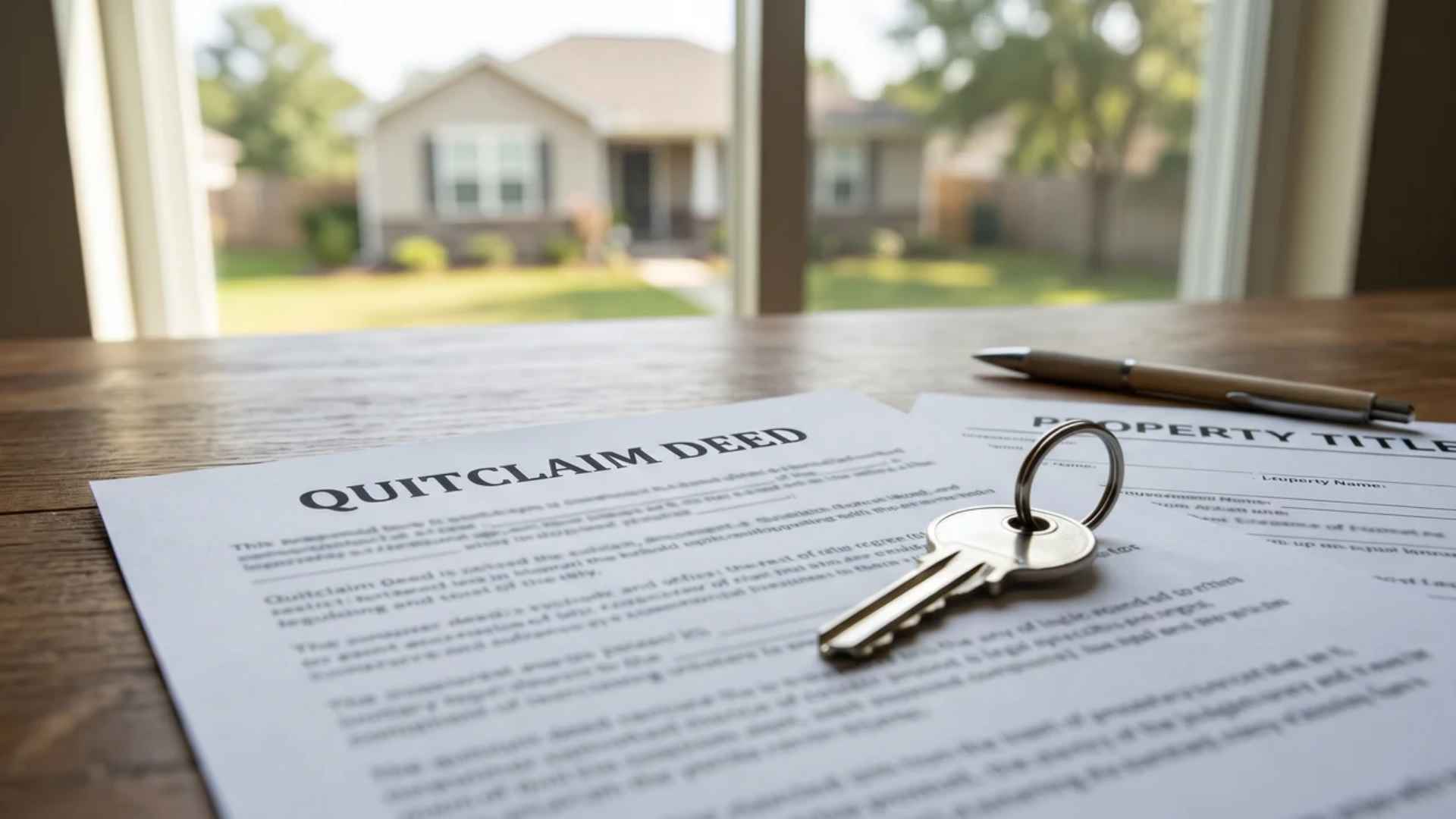
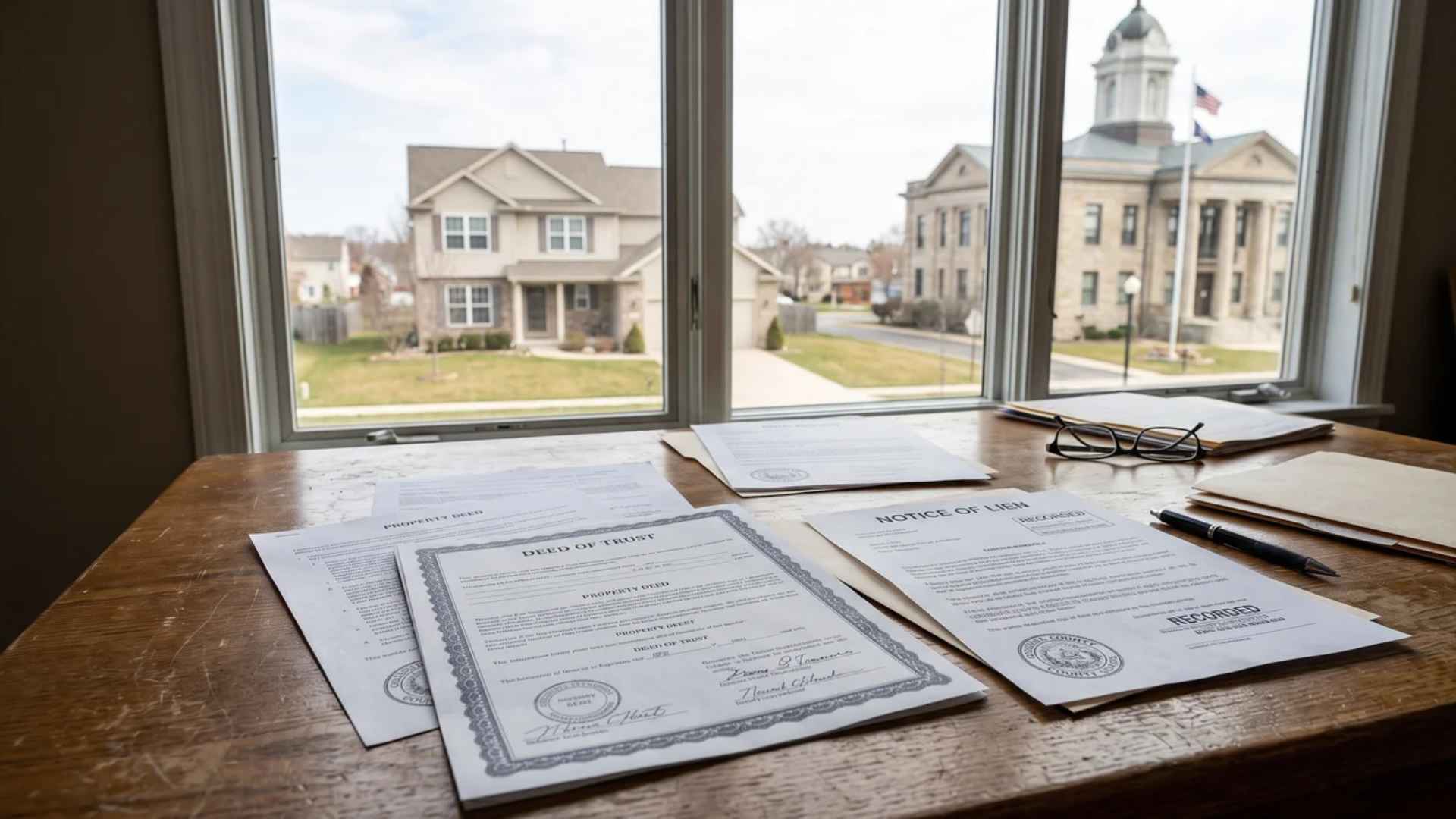
A share means whatever the legal structure says it means. Two routes are common, and they give you different things.The first is tenancy in common. Each owner holds an undivided interest in the whole property.
That means a share of the entire home, not a bedroom or a wing. By default, each owner can sell without the others’ approval.
The second route is a company, such as an LLC or partnership. The company holds the title, and you hold an interest in it.
For an LLC, state law often treats a membership interest as personal property, not a slice of the building. Say you want out after a few years. In a tenancy in common, you sell your own interest.
In an LLC, you sell a membership interest, and the operating agreement can add its own steps. Some owners pick this route so shares can change hands without updating the deed.
So when a seller says you get a deed, ask which structure applies. That one question tells you more than the brochure does.
State law shapes the details, so read the documents before you sign. A real estate attorney can check them.
How Are Use, Income, and Costs Divided?
Costs follow your share. Purchase price, taxes, insurance, and upkeep all get divided in proportion to each owner’s interest.
Use works the same way in a vacation home. Owners split the calendar through a scheduling system.
On paper, a one-eighth share comes to about 45 days a year.
Peak weeks are the catch. Everyone wants the same few, so the schedule rules decide who gets them.
Ask how holiday weeks rotate before you ask about price. Income-focused deals split things differently. A rented-out building pays each owner a share of the rent instead of stay time.
Share size sets how much you get. The property’s purpose sets what you get. Programs write their own rules, so the same share size can mean different things in different places. Ask whether owners can vote to change them.
How Is Fractional Ownership Taxed?
Each owner usually pays property tax in proportion to their share. Rent from an income-focused deal is generally taxable income. An LLC taxed as a partnership reports each owner’s share on a Schedule K-1.
Vacation-home deductions depend on how many days you use the home and how many you rent it out. The IRS explains those limits in Publication 527.
Who Manages the Property and Makes Decisions?
A written agreement runs the show. In an LLC, the operating agreement sets rules for scheduling, expenses, voting, and selling.
Day-to-day work usually goes to an outside manager. Shared vacation homes often hire management companies for scheduling, bills, cleaning, and repairs.
Rental buildings add tenants to that list. Big calls are different. Selling the property or changing the rules often depends on the voting terms in that agreement.
That is the trade-off. You give up some control in return for a smaller bill. A clear agreement is worth more than a small discount.
How Is Fractional Ownership Different From a Timeshare?
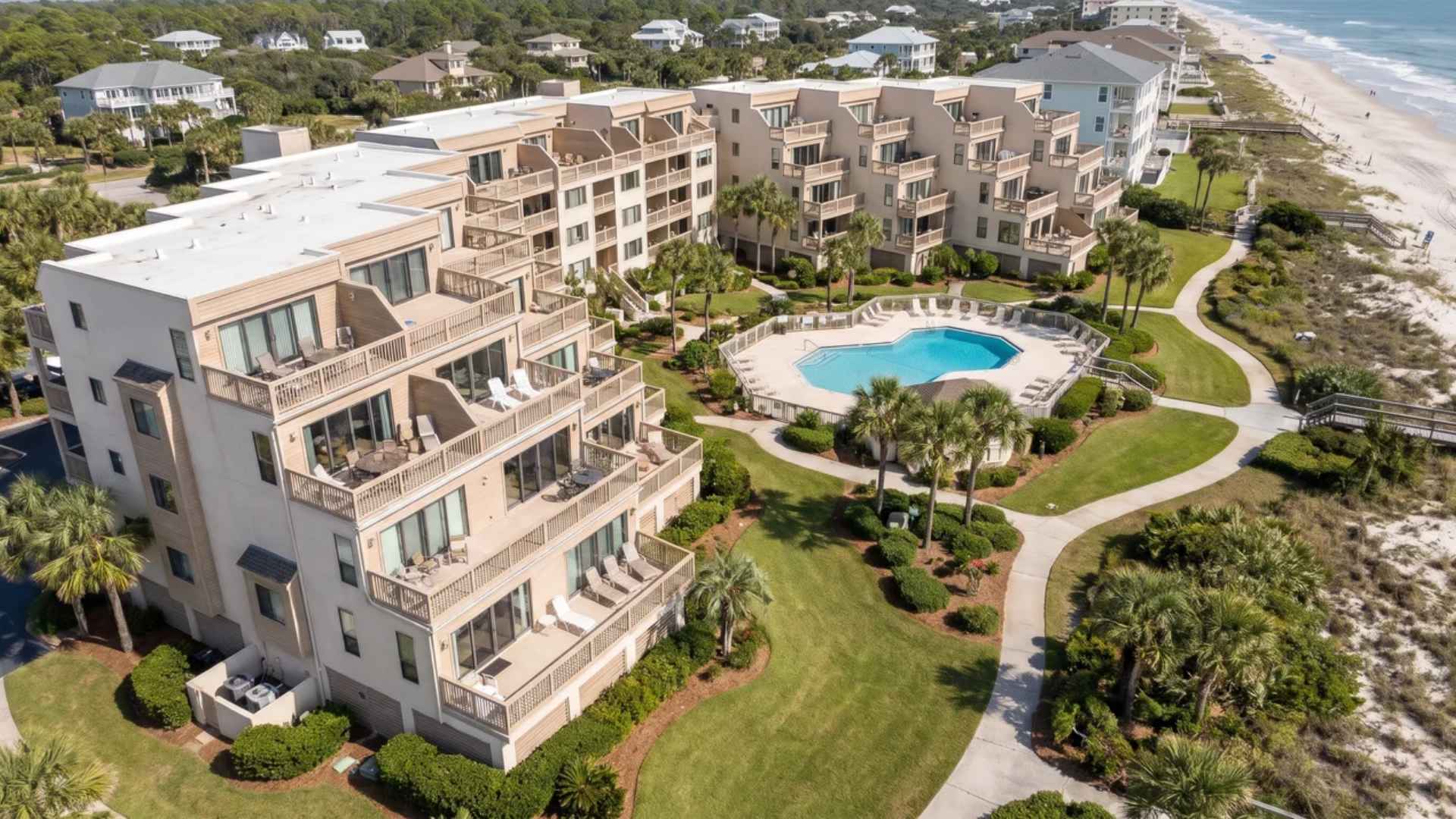
The main difference is what you receive. A traditional timeshare is a right to use a property for set periods. Fractional ownership typically gives you an equity stake in the property. It moves with the property’s value.
The line can blur, though. Some timeshares are deeded, and others only lease usage rights.
So the label tells you little. Ask what is actually conveyed: a share of title, an interest in a company, or a right to use. It is also not a fractional stock share or a REIT share. Those are investments with no stay time attached.
What Are the Pros and Cons of Fractional Ownership?
The biggest advantage of fractional home ownership is access to a high-value property at a fraction of the cost.
| Area | Advantage | Drawback |
|---|---|---|
| Cost | You split the price, the taxes, and the upkeep. | Sharing has a price. You give up exclusive use of the place. |
| Upkeep | A manager often handles the day-to-day work, so you skip most of the chores. | The agreement and the manager shape many choices that would be yours alone in a whole home. |
| Value | Your share is equity linked to the property’s value. | That value can rise or fall. |
| Use | You get a defined slice of time each year. | Peak weeks are competitive, and spur-of-the-moment trips may not fit the calendar. |
| Resale | A tenancy in common typically lets you sell without co-owner consent. | A share has fewer likely buyers than a whole home, and the resale market is still niche. |
How well it works depends on the structure and the terms of the agreement.
Final Thoughts
Fractional ownership can make a high-value property more accessible, but a smaller purchase price does not automatically mean a simpler investment.
Your rights depend on what you legally own and the agreement shared by the owners.
Check how the property is managed, how costs and peak dates are divided, and what happens if you want to sell or pass on your share. Have a real estate attorney review the documents before committing.
Frequently Asked Questions
How Hard Is It to Sell Fractional Ownership?
Selling a share is usually harder than selling a whole home, since fractional resales remain a niche market. The rules also depend on the structure. A tenancy in common typically lets each owner sell without co-owner consent, while an LLC agreement sets its own terms.
Can You Make Money With Fractional Ownership?
It can, but returns are not guaranteed. In an income-focused deal, owners receive a share of the rent. In a vacation home, the main upside is the share rising with the property’s value. Costs and resale limits reduce what you keep.
Can You Pass a Fractional Share to Your Heirs?
In a tenancy in common, a deceased owner’s share passes through their estate, not automatically to the other owners. With an LLC, the operating agreement and state law typically decide what happens to a membership interest. Ask for the exact transfer terms before you buy.
What Is Fractional Ownership in Aviation?
In aviation, fractional ownership means buying a share of a private aircraft instead of the whole plane. The share comes with a set number of flight hours each year. A management company typically handles crew, maintenance, and scheduling, and owners pay fees to cover that.