
If you've started looking into estate planning, you've probably run into the term "Lady Bird deed." It sounds casual. It's not.
It's a legal document. Its real name is an enhanced life estate deed. It lets you transfer your home to someone after you die, while you keep full control of it until then.
I've seen a lot of people assume this is some kind of loophole. It isn't. It's a specific tool with specific rules, and those rules don't work the same way everywhere. This article breaks down what it is, what it covers, what it doesn't, and why it does what it does.
What Is a Lady Bird Deed?
Here's the short version. A Lady Bird deed lets you keep running your property like you always have. You can live in it, rent it out, sell it, or mortgage it.
You don't need anyone's permission to do any of that, not even the person who'll inherit the house someday. You can also change your mind about who inherits it. Swap the beneficiary. Remove them entirely. You don't owe them an explanation, and you don't need their signature.
This is the part that trips people up. With a regular life estate deed, the person set to inherit actually owns a piece of the property the moment you sign. That means you'd need their approval to sell or refinance. A Lady Bird deed skips that entirely. The beneficiary gets nothing until you die. Nothing to approve. Nothing to block.
That's really the whole point of the deed. It's also why you can't use one everywhere,it's only recognized in a handful of states, not a nationwide option.
Why Is It Called a Lady Bird Deed?
The name isn't a legal term, it's a nickname. A Florida attorney used Lady Bird Johnson's name in a set of teaching examples back in the 1980s to explain the concept to other lawyers, and it stuck.
The actual legal name is still enhanced life estate deed. "Lady Bird" is just what everyone calls it.
What Does a Lady Bird Deed Include?
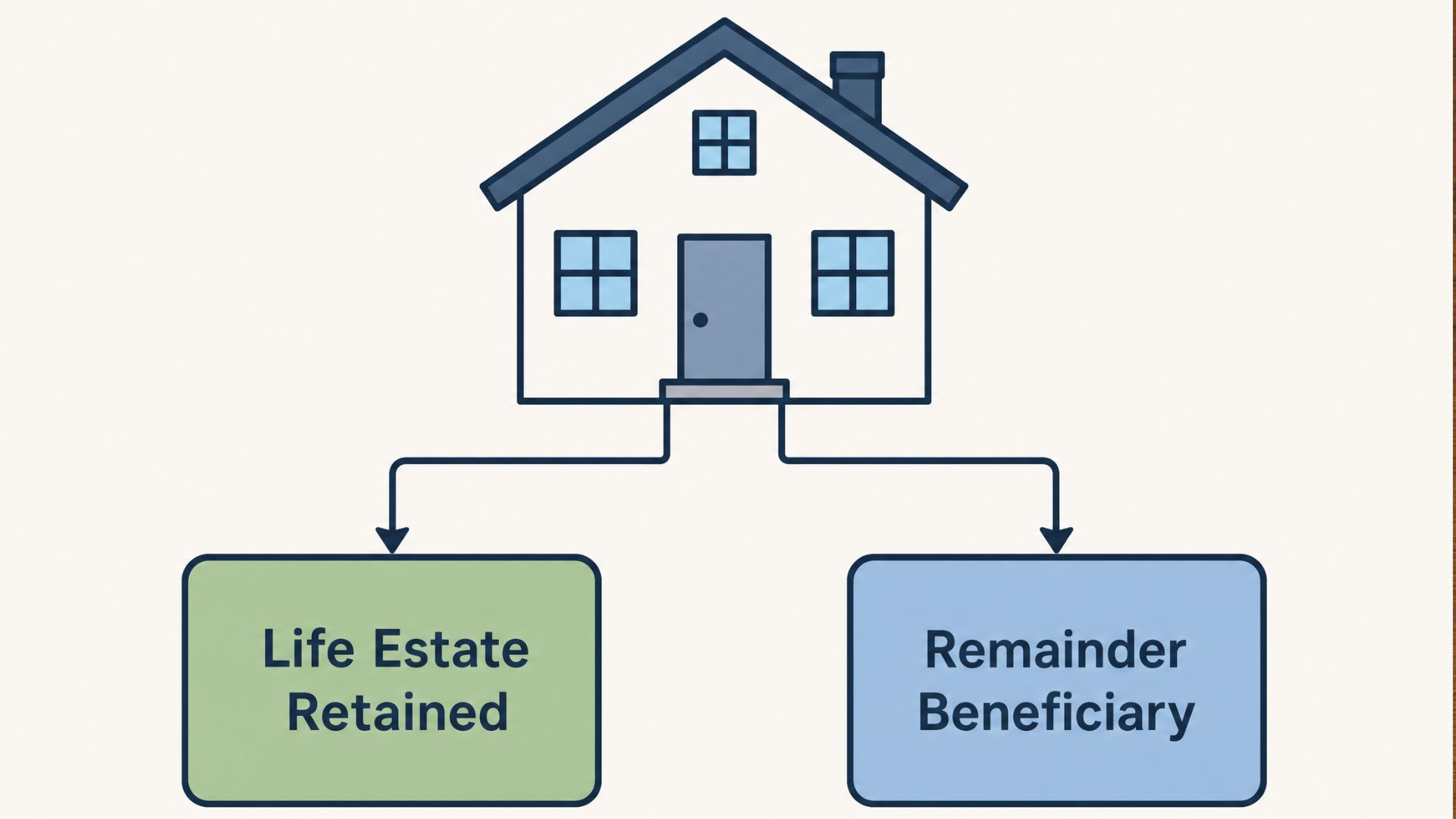
Every Lady Bird deed needs two things to actually work. First, a clause that spells out what you're keeping for yourself, the right to sell, mortgage, lease, or cancel the deed. Second, the name of whoever gets the property when you're gone.
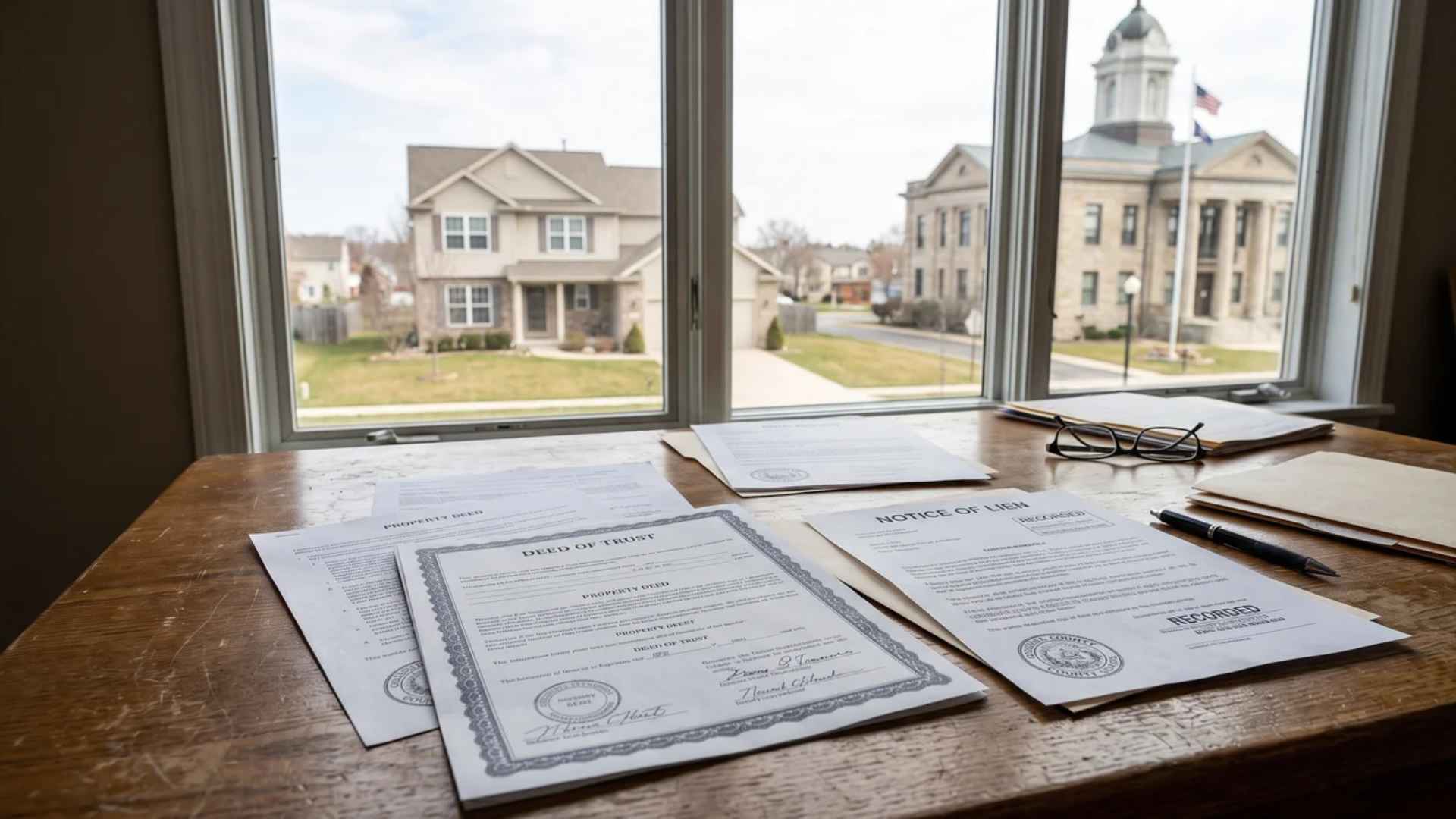
You also have to file the deed with your county's land records office. Skip that step, and the deed won't do its job. I've seen this exact mistake happen: someone signs the paperwork, feels done, and never files it. On paper it looks finished. Legally, it isn't.
Because the beneficiary has no claim while you're alive, you can update the deed whenever you want. Add a different kid, drop someone you're no longer close with, or update it after a divorce, no permission needed.
Here's where it gets risky, though. Most standard Lady Bird deed forms only list one beneficiary. No backup. If that person dies before you do and you never update the paperwork, the deed can fail completely.
The house could end up back in probate, the exact outcome you were trying to avoid. This is the single easiest thing to get wrong, and it usually happens because the beneficiary was young and healthy when the deed was written, so nobody thought to plan for it.
What a Lady Bird Deed Is Not
Let's clear up what this deed doesn't do, because the name makes it sound more flexible than it is.
It's not a trust. There's no trustee, no ongoing paperwork, and no separate legal entity holding your property while you're alive.
It's also not a completed gift. That matters for taxes and for Medicaid. A gift requires giving up control, and you haven't given up anything until you die.
And it's not available everywhere. You'll find it most commonly used in these states:
- Florida
- Texas
- Michigan
- Vermont
- West Virginia
Outside those states, it may not be recognized at all. You'd likely need to look at a different option, like a Transfer on Death Deed, and whether that's available depends on your state's own rules.
A couple of other limits are worth knowing before you sign anything. Some mortgage lenders might treat a deed transfer as triggering a due-on-sale clause in your loan.
In practice, this is rare, most lenders don't count an enhanced life estate deed as a real transfer of ownership. But it's not guaranteed, so call your lender and ask directly. Don't assume.
And as I mentioned above, most forms don't include a backup beneficiary. A revocable trust usually does. That's a real trade-off if you're weighing the two.
One more thing worth flagging: once your beneficiary inherits the home, some states reassess its taxable value at the new market rate. If you had a long-standing property tax cap or homestead exemption, your beneficiary might lose that break and see a higher tax bill than you ever paid.
Why Does a Lady Bird Deed Matter?
The probate avoidance, the Medicaid protection, and the tax break aren't three separate perks. They all come from one decision: you never give up control.
Because you keep control, the deed isn't treated as a completed gift. That one fact is doing all the work behind the scenes.
How It Avoids Probate
When you die, your beneficiary doesn't need a court's permission to take the property. They just record your death certificate at the county land records office. Title passes directly to them. No judge, no court filing, and no waiting months for a probate case to close.
Medicaid Protection and Tax Benefits
This is where the real value of a Lady Bird deed shows up, so let's slow down.
Under federal Medicaid rules, there’s a five-year lookback period before Medicaid will cover long-term care. If you gave away assets during that window, you could get hit with a penalty that delays your coverage. A completed gift counts. A Lady Bird deed doesn't, because you technically still control the property, you could sell it tomorrow and keep every dollar yourself.
Compare that to adding your kid directly onto the title as a joint owner. That move often does count as a gift, and it can trigger the exact penalty a Lady Bird deed avoids. I'd call this the biggest reason people choose a Lady Bird deed over the "just add them to the deed" shortcut.
Now the tax side, and it works off the same logic. Because you kept control, the property is still counted as part of your estate when you die, even though it skips probate.That matters because, under IRS rules, your beneficiary gets what’s called a stepped-up basis. Your home's value resets to what it's worth on the day you die, not what you originally paid for it decades ago.
Say what that means in real numbers. If you bought your house in 1985 for $60,000 and it's worth $400,000 the day you die, your heir's tax basis is $400,000, not $60,000. If they sell it soon after, they'll likely owe little or nothing in capital gains tax. Without that step-up, they could be taxed on the entire gain since 1985.
You'll see this same stepped-up basis with a will or a trust. It's not unique to a Lady Bird deed. What's unique is that you get it without probate, and that's the combination that makes this deed worth considering.
Conclusion
A Lady Bird deed is a narrow tool, but it's a smart one when it fits your situation. Keep control until you die, and that one choice quietly delivers probate avoidance, Medicaid protection, and a tax break, all from the same decision.
It's not a trust. It's not available everywhere. And it's not a substitute for real planning around your beneficiary. If you're thinking about one, check that your state recognizes it, and talk to a local estate attorney about backup beneficiaries before you sign.
Frequently Asked Questions
What is the downside to a Lady Bird deed?
The biggest risk is practical, not legal. Most forms don't include a backup beneficiary. If your chosen heir dies before you do, the deed can fail unless you update it. A few mortgage lenders may also treat a transfer as triggering a due-on-sale clause, though this is uncommon.
Can Medicaid take your house if you have a Lady Bird deed?
Usually not. Because you keep full control while you're alive, the deed isn't counted as a completed gift. That means it typically doesn't trigger Medicaid's five-year penalty. After you die, Medicaid's estate recovery program usually can't claim the home either, since it passed outside probate.
Does a Lady Bird deed override a will?
Yes, for that property. The deed sends the home straight to your named beneficiary when you die. It skips probate and skips your will entirely, no matter what your will says about that house.
What states recognize a Lady Bird deed?
You'll find it most commonly used in Florida, Texas, Michigan, Vermont, and West Virginia. Other states don't recognize this deed and may offer different tools, like a Transfer on Death Deed instead. Check with a local estate attorney, since the rules can change.