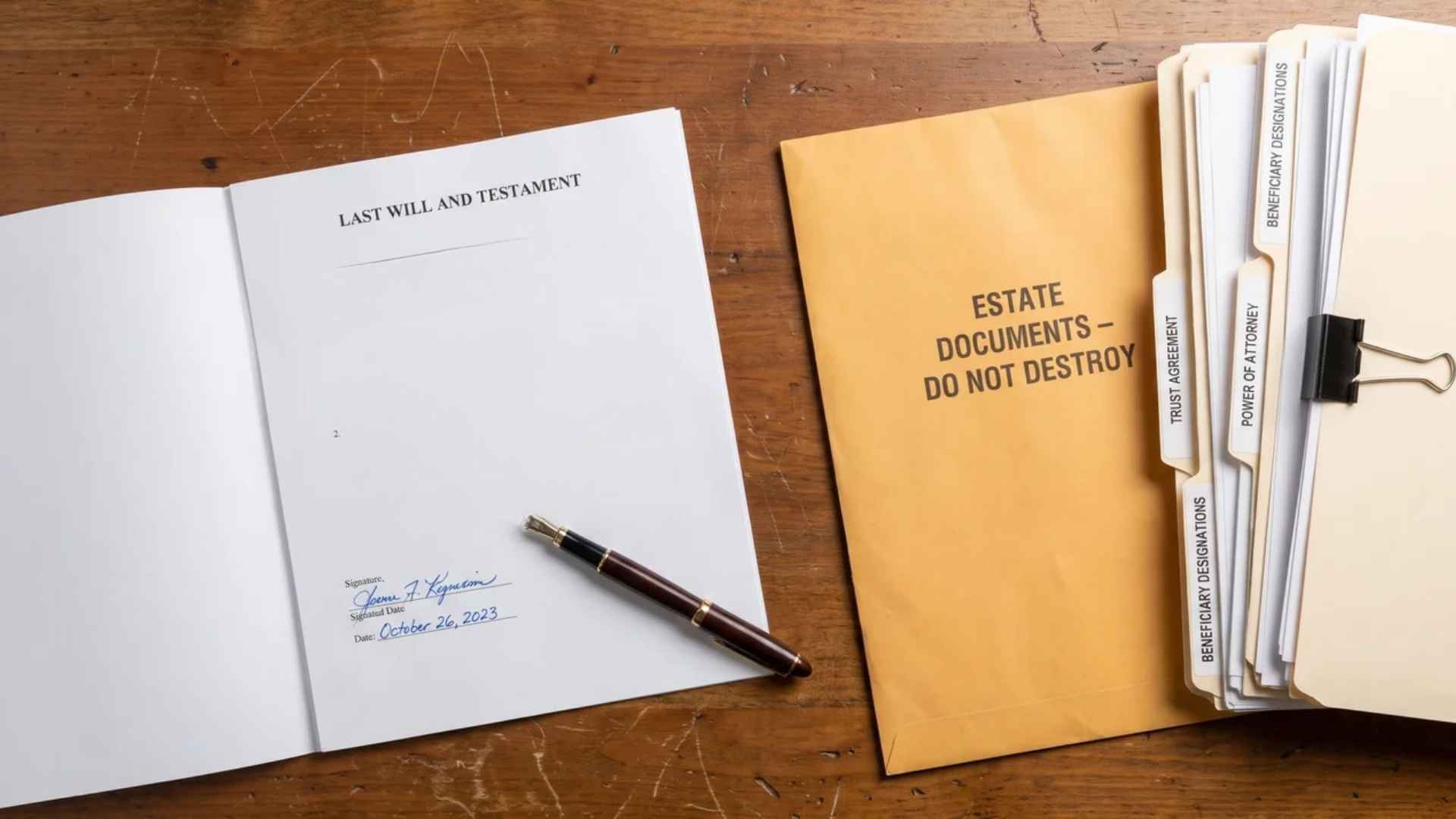

A will can clearly state someone’s final wishes, but those instructions may be difficult to carry out if nobody can locate the signed original.
This often becomes a problem when family members are unsure who has the document or what to do with it after a death.
Knowing who keeps the original copy of a will can help prevent unnecessary delays, confusion, and disputes during an already difficult time.
The key is to understand how custody works and why proper storage matters from the beginning.
Disclaimer: Probate procedures and rules for storing, filing, and admitting original wills vary by state. This article provides general legal information, not legal advice. Consult a qualified estate planning attorney about your state’s requirements.
Who Keeps the Original Will During the Testator’s Lifetime?
While you’re alive, you decide who holds your original will. There’s no single “official” keeper. Most people choose one of a few routes.
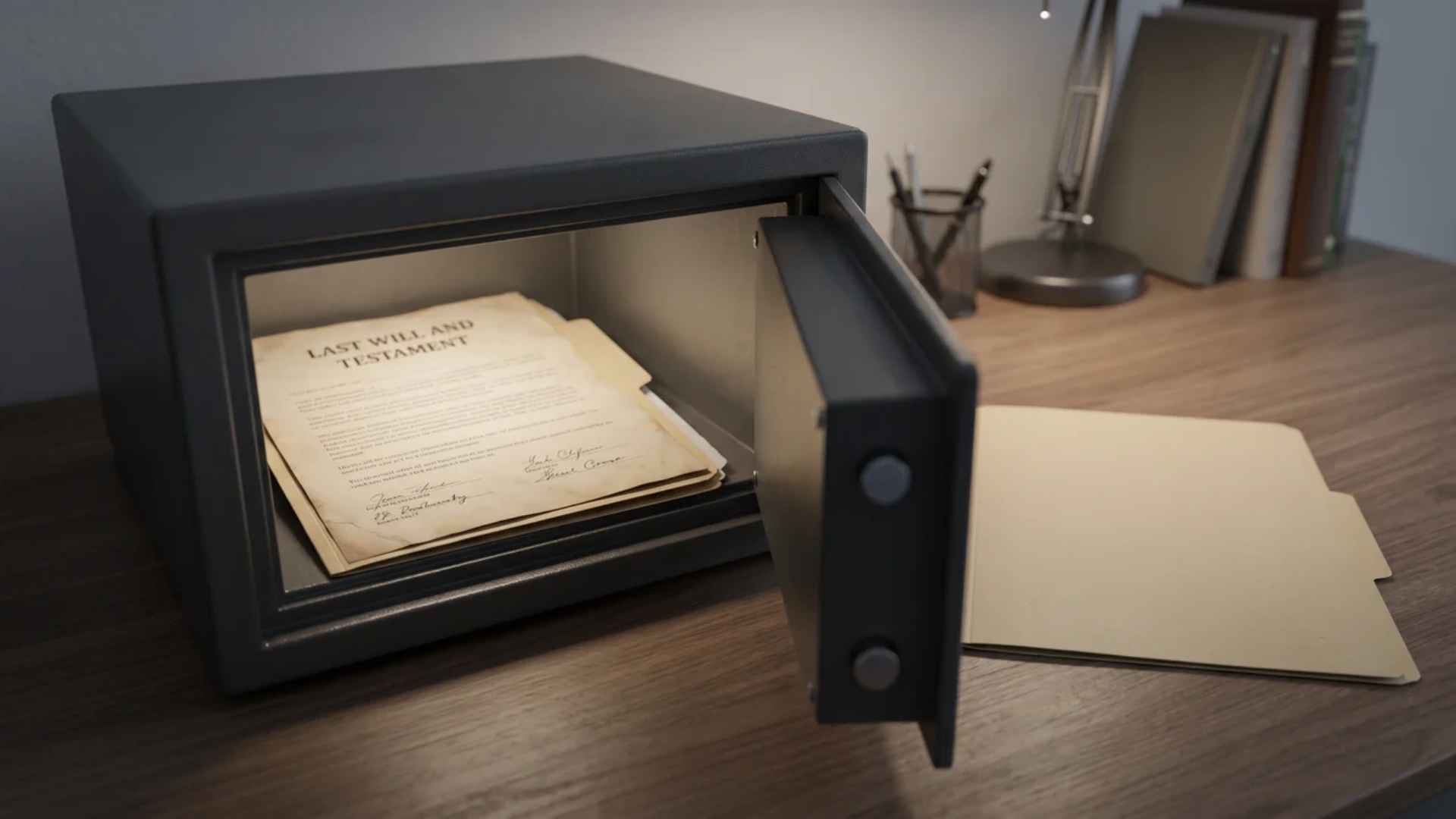
- You keep it yourself , often in a fireproof home safe.
- Your estate attorney holds it in a secure law office vault.
- You deposit it with the probate court or registry for safekeeping.
- A trusted family member or friend holds it on your behalf.
A safe deposit box deserves a special mention here. It feels secure, but it can backfire.
If your family isn’t a co-owner or legally authorized on the box, they may not be able to open it quickly after you die. That delay happens at the worst possible time.
Banks typically won’t open a box to a non-co-owner without a court order or letters of administration, a process that can take days or weeks, right when the family needs the will fastest.
Whatever you choose, storage alone isn’t the full job.
Who Takes Custody of the Original Will After Death?

Death is the trigger point. Custody shifts, and it shifts fast. The will stops being a private document you control. It becomes something the court needs to see.
The Executor’s Role
Your named executor is the first person who takes physical possession of the original.
Locating and safeguarding the will isn’t optional for them; it’s the first duty of the role, and the probate process can’t start without it.
And the authority that comes with it has clear boundaries around what an executor cannot do . That’s their job, not a courtesy.
Filing for Probate
The executor files the original will with the county probate court. Filing opens the probate process. Courts care about the original here, not a copy. I’ll get into why that matters in the next section.
The Will as a Public Record
Once the court accepts the will, it becomes part of the official record. From that point, the court is the permanent custodian.
That also means the will is no longer private. Beneficiaries, family members, and even creditors can request copies.
If your executor doesn’t know where the original is, they can’t file it, the probate court can’t open a case, and beneficiaries can’t move forward. Nothing else in this process works until that one fact is known.
What Happens If the Original Will Can’t Be Found?
Most people assume a copy is good enough. It usually isn’t. If the original was last known to be in your possession and it can’t be found, courts generally assume you destroyed it on purpose .
That assumption carries weight. It means the will is treated as revoked, unless someone proves otherwise.
I’ve watched this catch families off guard. They had a copy; they assumed it would work, and then the court treated the will as if it didn’t exist.
It’s not automatically over, though. The presumption can be challenged.
- Evidence about the will’s actual contents
- Witness testimony about the will’s existence and terms
- Proof the testator never had sole access to the original before death
That last point matters more than people realize. If the original was with an attorney the whole time, not the testator, the presumption works differently.
Rebutting this presumption isn’t guaranteed, and the rules shift by state. If you’re dealing with a missing original, treat this as a legal question to confirm locally, not a guess to make alone.
Best Practices for Protecting the Original Will
Most of the problems above are preventable. A few habits make the difference. These aren’t complicated. They just need to actually happen.
- Skip the safe deposit box as your only option. Without co-ownership or legal access, your family may face delays opening it.
- Tell your executor exactly where the original is. Tell a trusted family member too. This one step prevents most of the delays people run into.
- Keep copies at home for reference. Just know that most courts still need the signed original to open probate.
None of these steps take long to put in place. The time they save your family is worth far more than the effort.
The Bottom Line
Knowing who keeps the original copy of a will is about more than choosing a secure place for an important document.
It is about making sure your final wishes can be found and presented when your family needs them most. A little planning now can prevent significant confusion later, especially when probate begins or the original document goes missing.
Make sure your executor knows where the signed will is stored and how to access it. Review your storage arrangements today.
Frequently Asked Questions
Is a copy of a will as good as the original?
Generally, no. Courts usually need the signed original because a missing original can trigger a legal assumption that you revoked it. A copy might work if that assumption gets successfully challenged, but the rules depend on your state. Don’t treat a copy as a safe backup plan.
Can someone hide a will from you?
It’s possible for someone with access to the original to withhold it. Doing so is generally illegal and can carry real consequences once discovered. If you think a will is being hidden, a probate court or estate attorney can help force it into the open.
How do I obtain a copy of a will?
Before probate, there’s no public record yet, ask the executor or the attorney who drafted the will. Once the will is filed with the probate court, it becomes part of the public record, and you can obtain a copy by requesting it directly from the court clerk’s office in the county where it was filed.
Are beneficiaries entitled to a copy of the will?
Once the will is filed and accepted into probate, it becomes a public record. At that point, named beneficiaries can usually request a copy. Before probate, though, they typically have no right to see it, since it isn’t public yet.
Where should I keep the original copy of my will?
Common choices are your attorney’s vault, a fireproof home safe, or the probate court registry. Whichever one you pick, tell your executor and a trusted family member exactly where it is. That’s the step that actually prevents problems later.