

Buying or owning property near a buffer zone can raise a lot of questions. What can you build? What are you allowed to do with your land?
A buffer zone is a strip of land set aside to separate two different types of land use, and knowing what applies to your property matters before you make any plans.
Many property owners find out about buffer zones only after they've made plans and then face restrictions they didn't expect.
This article breaks down buffer zone real estate in plain terms. You'll learn what buffer zones are, how they affect your property, and what steps to take to avoid costly mistakes, from zoning rules to building restrictions.
What Is Buffer Zone Real Estate?
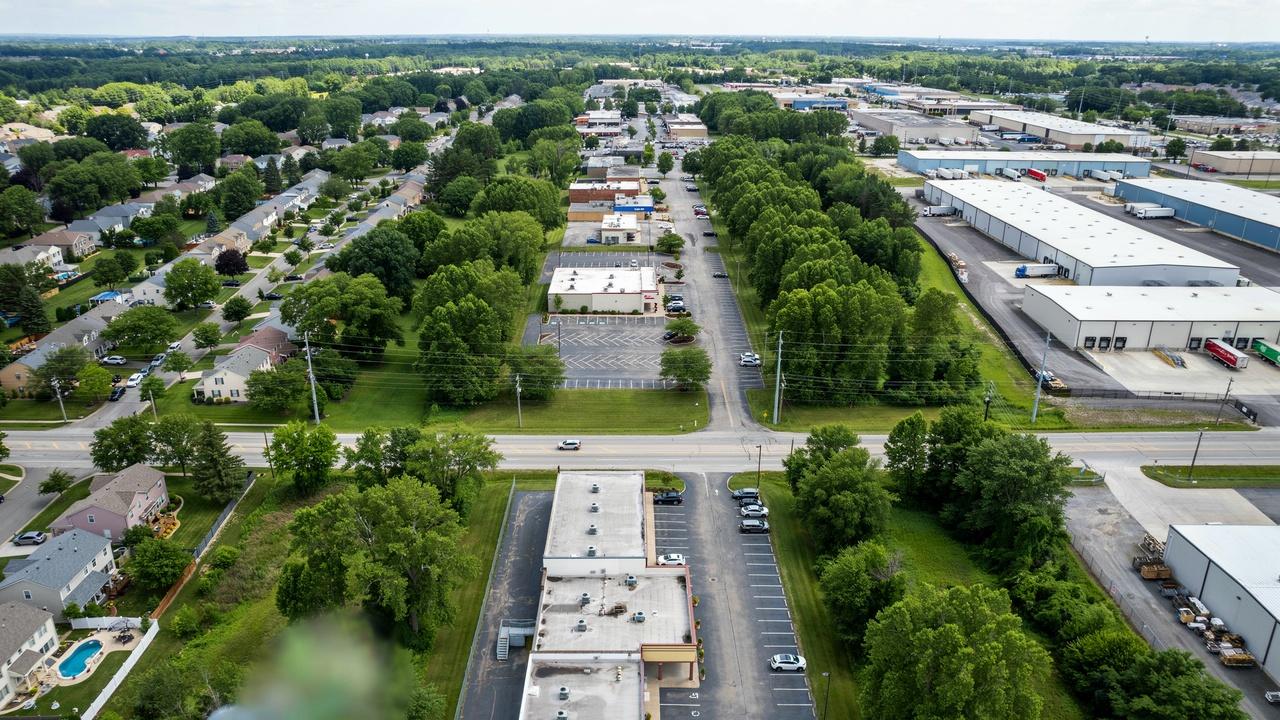
A buffer zone in real estate is a strip of land set aside to separate two different types of land use, acting as a middle ground between areas that don't mix well.
Buffer zones show up in property records, surveys, and zoning maps more often than most buyers realize, and knowing what they are from the start saves you time, money, and frustration.
These zones are usually left undeveloped on purpose to reduce conflict between neighboring properties. They can include trees, grass, open land, fencing, or walls, and may be privately owned or controlled by local governments.
Buffer zones are created to reduce noise, block pollutants, and protect sensitive land like wetlands or floodplains. They are commonly found near highways, railways, rivers, industrial areas, and urban developments.
How Buffer Zones Work in Property Planning and Zoning
Buffer zones don't appear randomly on a map. They are part of a larger land-use planning system designed to keep communities organized and safe.
Land-use planning ensures different types of development don't interfere with each other, and buffer zones are one tool planners use to create that separation.
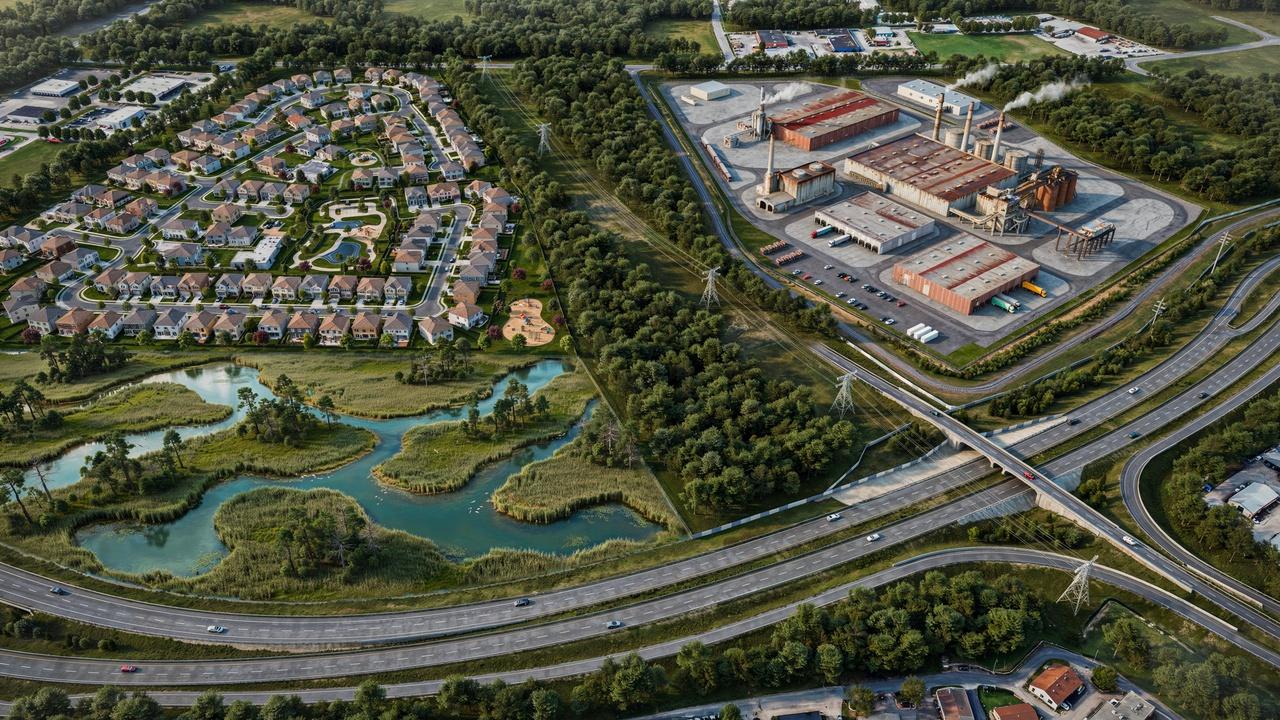
A light industrial park near a residential neighborhood, for example, may only be approved if a buffer of trees or open land sits between them.
Zoning laws govern these requirements, and your local planning authority sets the rules for where buffers are needed and what can be built within them.
These rules vary by location, so always check your local zoning ordinance before making any assumptions about your land.
On surveys and site plans, buffer zones typically appear as shaded areas or labeled zones like "no-build zone" or "landscape buffer."
What Types of Buffer Zones Exist in Real Estate?
Not all buffer zones are the same. Different situations call for different types of buffers, and each comes with its own rules.
Residential Buffer Zones
Residential buffer zones are placed between homes and nearby land uses that could disrupt daily life. These might include commercial areas, light industry, or busy roads.
A typical residential buffer might include trees, shrubs, berms, or low walls. The goal is to reduce noise, limit visual impact, and give residents a sense of separation from nearby activity.
In some cases, homeowners own the land within the buffer but cannot build on it. In other cases, the buffer is owned by a homeowners association or local government.
Commercial and Industrial Buffer Zones
When businesses or factories are built near residential or mixed-use areas, a buffer zone is often required between them. This type of buffer helps manage the impact of noise, truck traffic, lighting, and emissions on nearby properties.
Commercial buffers might be as simple as a row of trees along a property line. Industrial buffers, especially near heavy manufacturing, are often much wider and may include sound walls or earthen berms, which are raised mounds of compacted soil used as barriers.
Property owners near these zones should pay attention to what's allowed on the buffer land. Some commercial buffers allow parking or landscaping. Others must remain completely open.
Environmental and Conservation Buffer Zones
These buffers protect natural resources like rivers, wetlands, lakes, forests, and wildlife habitats. They are often required by state or federal environmental agencies, not just local planners.
Common examples include riparian buffers (vegetated strips along riverbanks) or shoreline setbacks near coastal areas. These zones typically prohibit construction, grading, or removal of vegetation.
Owning land in an environmental buffer zone usually means accepting strict limits. In return, you may benefit from cleaner water, reduced flood risk, and a more natural setting.
Transportation, Utility, and Drainage Buffer Zones
Buffers are also placed along roads, railways, airports, pipelines, and utility lines. These zones protect the infrastructure from interference and protect nearby residents from safety hazards.
A drainage buffer might run along a stormwater channel to prevent erosion and flooding. A utility buffer might follow a gas pipeline to keep people and structures at a safe distance.
In most cases, you cannot build permanent structures within these buffers. Some allow fencing or landscaping, but even that may need approval from your local planning authority.
How Buffer Zones Affect Property Owners
Owning land near or within a buffer zone has real, everyday consequences. Some are inconvenient. Others can actually work in your favor.
Building and Development Restrictions
The most direct impact of a buffer zone is what you cannot build. In most cases, permanent structures like homes, garages, sheds, or fences are not allowed within buffer zone boundaries.
Grading, filling, clearing trees, or paving may also be restricted. Even temporary structures may require approval from your local planning authority.
Before you plan any construction project, check whether your property includes a buffer zone. Building without knowing this can lead to fines, demolition orders, or delays in selling your property.
Property Value and Land Usability
A buffer zone can affect your property's value in two ways.
On the negative side, if a large portion of your lot is within a buffer zone, you have less usable land. This can limit your ability to build, expand, or develop the property, and buyers may also see it as a restriction.
On the positive side, buffer zones can add value by providing green space, privacy, and protection from nearby development. Homes that back onto a permanent tree buffer or open conservation land often sell at a premium.
The impact depends on the type of buffer, its location, and how much of your property it covers.
Privacy, Noise Control, and Environmental Protection
Buffer zones often act as natural sound barriers. A wide strip of trees between your home and a busy road can make a real difference in how much noise you hear inside.
They also block headlights, reduce dust, and screen out visual clutter from nearby commercial or industrial areas.
For many homeowners, this is a benefit they didn't expect when they bought the property. Environmental buffers protect your land from flooding, erosion, and water pollution.
If your property is near a wetland buffer, that zone may be helping to filter stormwater before it reaches your yard.
Maintenance Responsibilities
Who maintains a buffer zone depends on who owns it.
If the buffer is on your private property, you may be responsible for keeping it clear of debris, preventing overgrowth, or ensuring it doesn't become a hazard.
Some local planning authorities require buffer vegetation to be maintained in a specific way.
If the buffer is owned by a homeowners association, municipality, or conservation authority, they typically handle maintenance. But you should still check your deed and any covenants to understand your obligations.
Buffer Zone Real Estate vs Other Land Use Restrictions
Buffer zones are easy to confuse with other types of land restrictions. Knowing the differences helps you understand exactly what applies to your property.
| Restriction | Purpose | How It Works | Key Difference From a Buffer Zone |
| Buffer Zone | Separates incompatible land uses and protects nearby properties or natural features. | Creates a designated area with restrictions on development, landscaping, or land use. | A planning and zoning tool that limits how a specific area of land can be used. |
| Setback Requirements | Ensures buildings are placed a minimum distance from property lines, roads, or other features. | Establishes mandatory building distances across the property. | A setback controls where structures can be built, while a buffer zone controls how a designated area can be used. |
| Easement | Allows another party to use part of a property for a specific purpose, such as utilities or access. | The property owner retains ownership, but another party has defined legal rights over part of the land. | An easement grants use rights to another party, while a buffer zone only restricts land use without transferring any rights. |
| Conservation Area | Protects land with environmental, historical, or scenic value. | Land is formally protected under conservation laws or regulations, often with strict development limits. | A conservation area is a protected designation, while a buffer zone is a planning measure that may surround or separate protected land from development. |
Common Mistakes to Avoid When Dealing With Buffer Zones
The most common mistake property owners make is assuming all land on their title can be developed. Here are the key mistakes to avoid.
Assuming All Land Can Be Developed
Just because land is on your title doesn't mean you can build on all of it. Buffer zones, easements, and other restrictions can make parts of your lot completely off-limits for construction.
Before you buy or develop property, review the full survey and zoning records. Ask specifically about buffer zones and what they allow or prohibit. Never assume all your land is freely developable.
Ignoring Local Zoning Requirements
Zoning rules can be complex, and buffer zone requirements are often buried in detailed technical documents. Some property owners skip this step and end up building something that violates local regulations.
Take time to read the zoning ordinance for your area or ask a local planning professional to walk you through it. Many local planning authorities also offer pre-application meetings where you can ask questions before spending money on plans.
Building Without Approvals
Starting construction inside a buffer zone without the proper permits is one of the most expensive mistakes you can make.
Local authorities have the power to stop construction, issue fines, and require you to remove what you've built.
In some cases, unpermitted structures in buffer zones can also affect your ability to sell the property. Buyers and their lenders often require clean permit histories before closing.
Always get written approval before breaking ground near a buffer zone.
Overlooking Environmental Restrictions
Environmental buffer zones are regulated by more than just local planning authorities. State and federal agencies can have their own rules, and these often take priority.
Wetland buffers, for example, may fall under federal jurisdiction in addition to local zoning. Cutting trees or grading land in these zones without proper permits can lead to serious legal consequences.
If your property is near water, wetlands, or protected habitat, consult an environmental consultant or attorney before making any changes.
Tips for Property Owners and Buyers
A little preparation goes a long way when it comes to buffer zones. These practical steps help you stay informed and avoid problems.
- Request a current survey before purchasing and look for any notes about buffer zones, setbacks, or restricted areas on the survey drawing.
- Contact your local planning authority directly to confirm what restrictions apply to your property and what approvals any project will require.
- Design construction or landscaping projects with buffer zone requirements in mind from the beginning, as modifying approved plans later is costly and time-consuming.
- Work with a licensed surveyor, land-use attorney, or planner who knows local regulations to make sure your project meets all requirements the first time.
- Keep copies of all permits and approvals, and check local zoning records periodically since buffer zone rules can change through bylaw amendments over time.
Conclusion
Buffer zone real estate doesn't have to be confusing. These zones exist for practical reasons, and knowing how they work puts you in a much better position as a property owner or buyer.
Whether you're buying a new property or planning a project on land you already own, the rules around buffer zones determine what you can build and where.
Check your survey, confirm restrictions with your local planning authority, and get approvals before you build. A quick review upfront can save you from costly problems later.
Frequently Asked Questions
Can a buffer zone be removed or changed over time?
Yes, buffer zones can be amended through local zoning bylaw changes or planning reviews. Property owners can sometimes apply for variances, but approvals are not guaranteed.
Does a buffer zone affect property taxes?
It can. Land with buffer restrictions may be assessed at a lower value due to limited usability, which could reduce your overall property tax in some areas.
Who owns the land inside a buffer zone?
Ownership varies. Buffer zone land can be privately owned, held by a homeowners association, or controlled by a government or conservation authority depending on the situation.
Can I landscape or plant trees inside a buffer zone?
Often yes, but with conditions. Some buffer zones require specific plant types or maintenance standards. Always check with your local planning authority before making any changes.
Do buffer zones show up in a title search?
Not always directly, but related easements or restrictions may appear. Zoning records and surveys are the most reliable places to find buffer zone information.