If you have ever looked at your property deed and spotted the words “right of way” or “easement” and felt a little lost, you are not alone.
These terms sound similar, but they mean very different things for how your land can be used and by whom.
I have worked through property documents that used both terms almost interchangeably, and that mix-up caused real confusion for the owners involved.
Today, I’ll tell you all about right of way and easement so you know exactly what each one allows, how they are created, and how they affect your property.
By the end, you will be able to read your own deed with confidence.
What Is a Right of Way
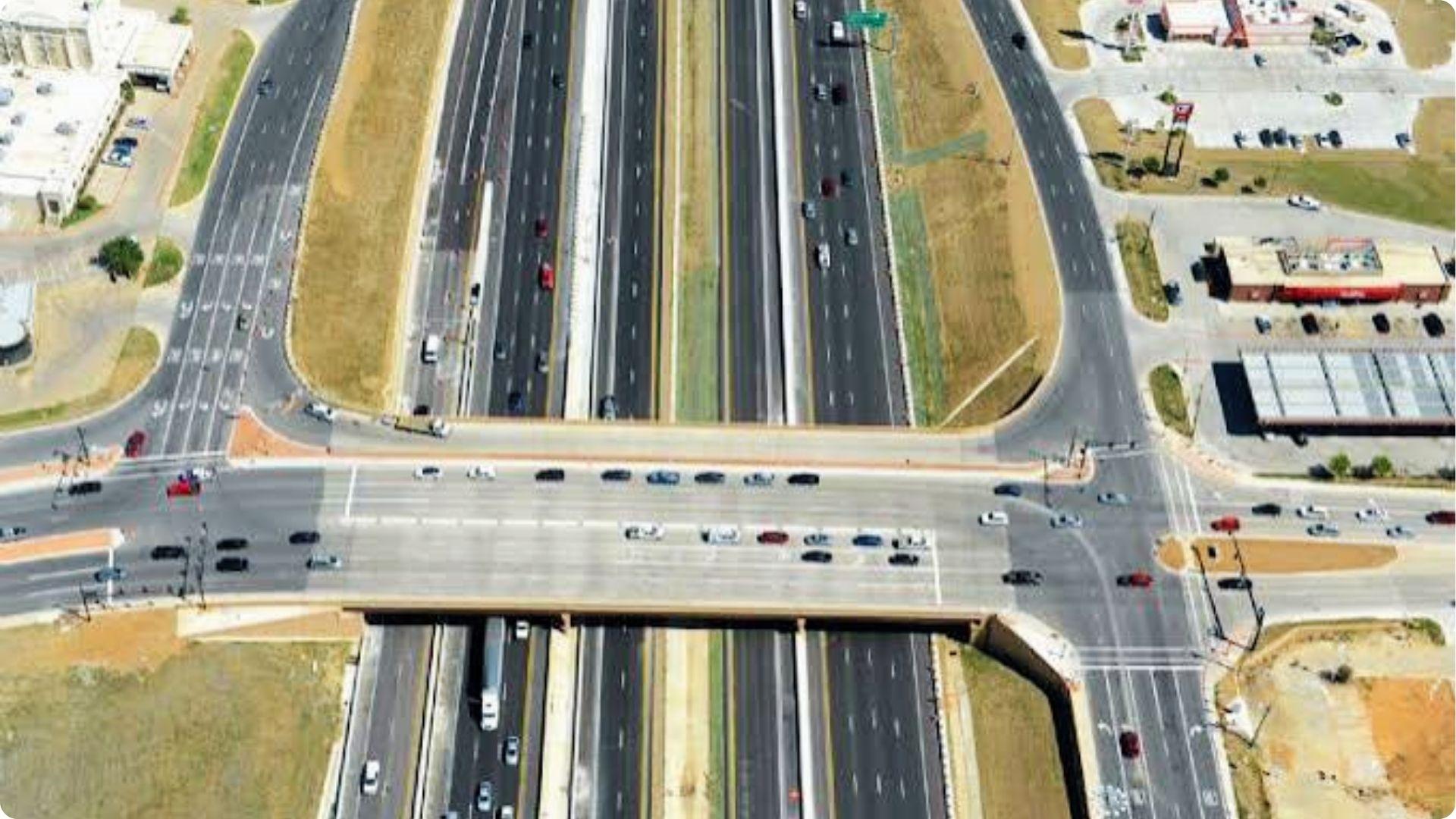
A right of way is a specific type of easement that allows someone to pass through another person’s property to reach a destination.
It does not transfer ownership of the land. The property owner still holds full title, but they must allow the specified person or group to cross a defined path.
A common example is a shared driveway that connects two homes to the main road. The person using the right of way cannot build on it, park permanently on it, or block others from using it.
Their rights are limited strictly to passage. Rights of way are also used for transportation corridors like railroads, pipelines, and electric transmission lines, not just roads and driveways.
What Is an Easement
An easement is a broader legal right that lets someone use part of another person’s property for a specific purpose, even though they do not own that portion of land.
Easements cover more than just passage. A utility company might have an easement to run power lines across a backyard.
A neighbor might have an easement to access a shared well.
Easements can also be affirmative, granting the holder the right to do something on the land, or negative, preventing the property owner from doing something they would otherwise be allowed to do, like blocking a neighbor’s view by building a tall fence.
The key point is that an easement grants a defined use, not ownership, and the scope of that use depends entirely on the agreement or law that created it.
Right of Way vs Easement: What’s the Difference
Every right of way is a type of easement, but not every easement is a right of way.
| Feature | Right of Way | Easement |
| Purpose | Passage or access only | Passage, utilities, drainage, and more |
| Scope | Narrow, limited to crossing | Broader, can include multiple uses |
| Ownership | No ownership transfer | No ownership transfer |
| Common Use | Driveways, footpaths, roads | Utility lines, water access, shared walls |
Access and Usage Rights
The holder of a right of way can only move through the property along a set path. Easement holders may have more active rights, like installing equipment or performing repairs.
The property burdened by either right is called the servient estate, while the property that benefits is called the dominant estate.
Simply put: your land is the servient estate if someone else has rights over it, and the dominant estate if you’re the one holding those rights.
Maintenance and Repair Responsibilities
Maintenance duties depend on the agreement. Sometimes the property owner handles upkeep, and sometimes the person using the right of way or easement is responsible for keeping the path or structure in working order.
Some cities take this further. Chula Vista, California requires property owners to maintain the landscaping in the public right-of-way bordering their land, including keeping it free of weeds and debris.
I’ve seen owners assume upkeep is automatically the other party’s job, and that assumption alone starts more disputes than the actual repair costs do.
What Structurally Separates a Right of Way From a General Easement?

The two look similar on paper, but they split apart in a few clear places: who owns the land, what each one covers, and how each one actually gets created.
How Each One Gets Created
An easement usually starts with an express grant in a deed. The property owner signs off on one specific use, and that’s the whole story.
A right-of-way often gets created the same way. But it also shows up through necessity, when a landlocked parcel legally needs access across a neighbor’s land to reach a road.
It can also show up through long-term use. If someone’s crossed a property openly for years, a court can end up recognizing that as a legal right; a prescriptive easement.
When the Land Becomes Public
Here’s a condition worth flagging. Some rights-of-way get dedicated to public use. The access itself becomes public, even though the land underneath stays privately held.
That’s different from a typical private easement, where both the land and the access stay between the original parties. If you’re dealing with a public right-of-way near your property, don’t assume you own less than you actually do.
What Practical Restrictions Come With Each One?
Neither an easement nor a right-of-way hands the user free run of that land. I know that sounds like a technicality, but it’s the whole ballgame in most disputes I’ve seen.
The Basic Rule for Both
An easement holder can’t interfere with the purpose it was granted for. Say a utility company has an easement to maintain underground pipes.
The property owner can’t block their access when repairs are needed. And the utility company can’t use that strip for anything beyond what the easement actually covers.
A right-of-way works the same way, but the restriction is tighter. The holder can’t build anything permanent on it. Can’t park on it. Can’t block the path in any way that stops passage.
Why a Right of Way Gets Tighter Protection
Here’s the part that actually explains the difference, and I haven’t seen it laid out clearly anywhere else. It comes down to how each one functions day to day.
A utility easement only needs occasional access. A short-term obstruction usually isn’t treated as a big deal.
A right-of-way only has value if the path stays open the moment someone needs to cross it. That’s why property law tends to come down harder on anyone who blocks one.
Where This Turns Into a Real Fight
This is where most disputes actually start, and it’s rarely as dramatic as people expect. A fence that creeps a few feet too far. A gate that gets locked without warning. A car left overnight on a shared driveway.
If any of that sounds familiar, you’re not imagining the problem. The restriction was never really about who owns the land. It’s about keeping the original purpose working.
How Do You Know Which One Applies to Your Property?
You don’t need a lawyer to figure out which one you’re dealing with, at least not at first. Start with what’s already on file for your property.
Check these three places before you assume anything:
- Your deed, property survey, or a title report. Easements and rights-of-way are almost always recorded here, since they’re tied to the land itself and carry forward through every sale.
- A landlocked property or a shared driveway connecting two or more homes. That pattern almost always points to a right-of-way, since access is the exact problem being solved.
- Utility lines, drainage paths, or environmental limits on part of your land. That pattern points to a general easement instead.
Once you know which pattern fits your property, you’ve got a real starting point. But one thing’s worth double-checking before you settle on an answer: whether your access counts as public or private, and how it can be ended, changes from state to state.
Some states treat long-term public use very differently than others. Your local land records office can confirm the exact classification and any terms tied to your specific property.
I’d check locally before trusting a general answer, since the rules here genuinely aren’t the same everywhere.
Wrapping Up
Remember it this way: every right-of-way is an easement, but not every easement is a right-of-way. An easement covers a broad range of uses. A right-of-way narrows down to one thing, getting from point A to point B across someone else’s land.
Ownership of the land almost always stays with the original owner either way. And both come with real limits on what the other person can actually do with it.
If you’re trying to figure out which one applies to you, start with your deed or a title report. Check with your local land records office if anything about the terms still isn’t clear
Frequently Asked Questions
Who owns the land under a right-of-way?
The original property owner keeps title to the land. A right-of-way only lets someone else cross it for passage. The owner can still use that strip for anything that doesn’t block access, like planting grass or setting a fence line with room to pass through.
Who pays to set up or maintain an easement?
It depends on the agreement. Whoever benefits from the easement, like a utility company or a neighbor sharing a driveway, usually covers setup and upkeep. If the deed doesn’t spell out who pays, get written terms in place before any work starts.
Can a landowner block a right of way?
No, not if it’s legally established. Blocking one, even on your own property, can lead to legal action from whoever holds the right to use it. Fences, gates, and parked vehicles are the most common violations landowners get challenged over.
Does a right-of-way ever expire?
Yes, in some cases. It can end if it’s abandoned for a long stretch, if both parties agree to cancel it, or if the need for it goes away, like a landlocked property gaining another road access point. State rules vary here, so check local law.