
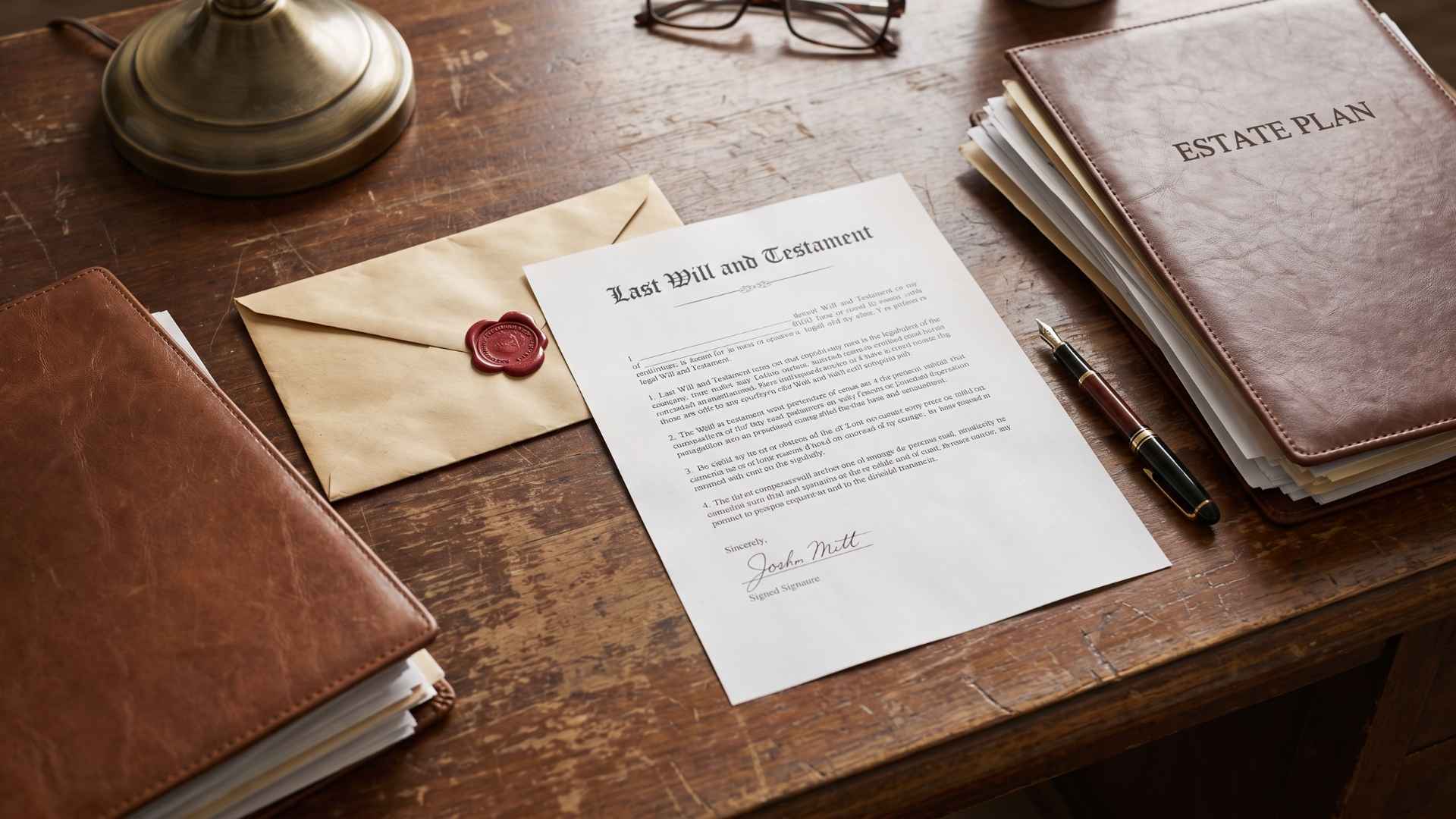
A lot of people think a will is set in stone the second someone dies. That’s only half right. The document can’t be rewritten, no question there. But the question people are really asking is whether a will can still be changed after death or not.
The document itself can’t be touched. What can still move is the outcome, and that’s where most of the confusion lives.
People either give up on options that were still open to them, or they try to force changes that were never legally possible in the first place.
So, I’ll walk you through the two real paths that can shift an outcome, and where each one hits its limit.
Disclaimer: This article is general information, not legal advice. Probate rules vary by location, so speak with a local estate lawyer about your situation.
Can a Will Be Changed After Death?
No, a will cannot be changed after death. Once the person dies, the document is final.
What can change is the result. That is the part people often miss.
Two routes exist. Beneficiaries can agree to redirect what they inherit, or someone can challenge the will in court.
Neither route lets anyone add new wishes for the person who died. So the short answer to can wills be changed after death is no, but the outcome sometimes can be.
Why Can’t a Will Be Rewritten After the Person Dies?
A will is a written record of what one person wanted. Only that person can change it, and only while alive and of sound mind.
Death freezes it. Nobody else can step in and speak for them. Assets held in a trust follow different rules, so it might be worth checking out whether a trust overrides a will .
That includes the executor. I’ve seen families assume the executor can adjust things to be fair. They can’t.
An executor follows the will as written. They cannot remove a beneficiary, change a share, or redirect an asset.
If an executor ignores the instructions, beneficiaries can ask the probate court to step in. The court can remove the executor.
Families also say, “We all agree, so let’s just change it.” Agreement alone does not edit the will.
A change works only through the routes in the next section. Those routes change where property goes, or whether the will is valid. They never change the words on the page.
Can You Change a Will’s Outcome After Death
 The will stays fixed, so the only thing left to move is where the property goes. Two options do that, and they work very differently
Only someone with a legal interest in the estate can use either one. That usually means a named beneficiary or a close family member.
Beneficiaries Agree to Redirect Their Shares
This route is called a deed of variation , a family settlement agreement, or a disclaimer, depending on where you live.
Beneficiaries decide to pass on some or all of what they were left, the will stays valid, the property just ends up somewhere else because the recipient chose to give it away.
Key limits:
- You can only redirect your own share. You cannot force another beneficiary to give up theirs
- Every affected person must agree in writing
- It cannot change the executor or named guardians
- Timing: In the UK, usually made within two years of death for tax reasons; check the rules where the estate is handled
How it works:
- The change is written down, and each person giving up part of their share signs it
- A lawyer can draft it, but no court is involved unless a beneficiary is under 18 or can’t decide for themselves
- Can be done before or after the Grant of Probate (the document letting the executor manage the estate)
- Once signed, the executor distributes the estate under the new terms
Tax angle:
- In the UK, HMRC can treat a written variation made within two years of death as if the will said it from the start, for inheritance tax and capital gains tax (check HMRC’s current Inheritance Tax guidance before relying on this)
- The document must say so explicitly, and nobody can receive anything in return for agreeing
- Done right, it can lower the inheritance tax bill
- If the change increases tax owed, a copy goes to HMRC within six months
Contesting the Will in Probate Court
A contest asks a court to decide the will, or part of it, was never valid. It does not ask the court to change what the will says. Courts accept only a few reasons. Each one is about how the will was made.
- Lack of testamentary capacity: the person was not of sound mind when they signed.
- Undue influence, duress, or fraud: someone pressured or tricked them.
- Improper execution: the signing or witnessing broke local rules.
These grounds are narrow on purpose. Being unhappy with a share is not enough.
If the challenge wins: the court sets the will or clause aside, and the estate may pass under an earlier valid will or intestacy rules, which can leave a challenger worse off (if the earlier will left them nothing, winning gets them nothing).
Deadlines: vary by place; many states give 90 days to a few years after probate opens, and some start the clock once you’re formally notified. Find out yours early, and consider speaking with an estate litigation attorney before filing.
A Court Claim When You Were Left Out
This is not a challenge to the will. The claim accepts the will is valid but argues it didn’t provide enough for you. Usual claimants: spouses, children, and dependents.
England and Wales: covered by the Inheritance (Provision for Family and Dependants) Act 1975; claims usually must start within six months of the grant of probate
US: rules differ by state, but most give a surviving spouse an elective share; a guaranteed slice of the estate, often one-third to one-half, regardless of the will.
Must typically file within six months to a year after probate opens, or the right lapses.
Children generally don’t get this automatic protection unless the state treats them as accidentally left out of an older will
A beneficiary can also pass part of their own share to the person left out; that’s a variation, and it only works if the beneficiary agrees.
Which Route Applies, and Where Does Each One Stop?
The right route depends on one question.
Are you deciding what to do with a valid will, or asking whether the will is valid at all?
If everyone affected agrees, and the will is sound, a beneficiary agreement is usually the cleaner path. It is quicker and keeps the family out of court.
A contest only makes sense when there is a real problem with how the will was made. Before you start, think hard about the fallback.
If the court throws out the will , the replacement may not favor you. I’d want that answered before spending a dollar on a challenge.
Final Thoughts
So where does that leave you? A will can’t be rewritten once someone’s gone; that part never changes no matter how unfair it feels.
What still has room to move is the outcome, and that’s the piece worth holding onto. If everyone agrees, a variation gets it done quietly. If something about how the will was made feels wrong, a contest is the route, though it comes with real risk attached.
Know which situation you’re actually in before you pick a direction, since each one plays out differently once you’re committed.
Frequently Asked Questions
Can wills be changed after death?
No, the document itself can’t be changed once someone has died. What can change is the outcome: beneficiaries can sign a deed of variation before or after probate is granted, or someone can contest the will in court. The UK’s two-year window for a variation runs from the date of death, not from the grant of probate.
Can a beneficiary be removed from a will after death?
Not by anyone else’s choice alone. A beneficiary can give up their own share through a disclaimer or variation. Otherwise, removal only happens if a court cancels the will or one clause. That usually follows a successful contest over undue influence, fraud, or lack of capacity.
Can a will be contested after death?
Yes. A family member or named beneficiary can challenge a will during probate. Common grounds are lack of capacity, undue influence, fraud, or improper execution. If the challenge succeeds, the estate may pass under an earlier valid will. Or it may follow intestacy rules.
How long after death can a will be changed?
There is no single deadline. It depends on the route and the place. Contest windows come from local probate rules. Variation windows often tie to tax rules, like the UK’s two years from death for a deed of variation. Check local deadlines early, because they can pass fast.