
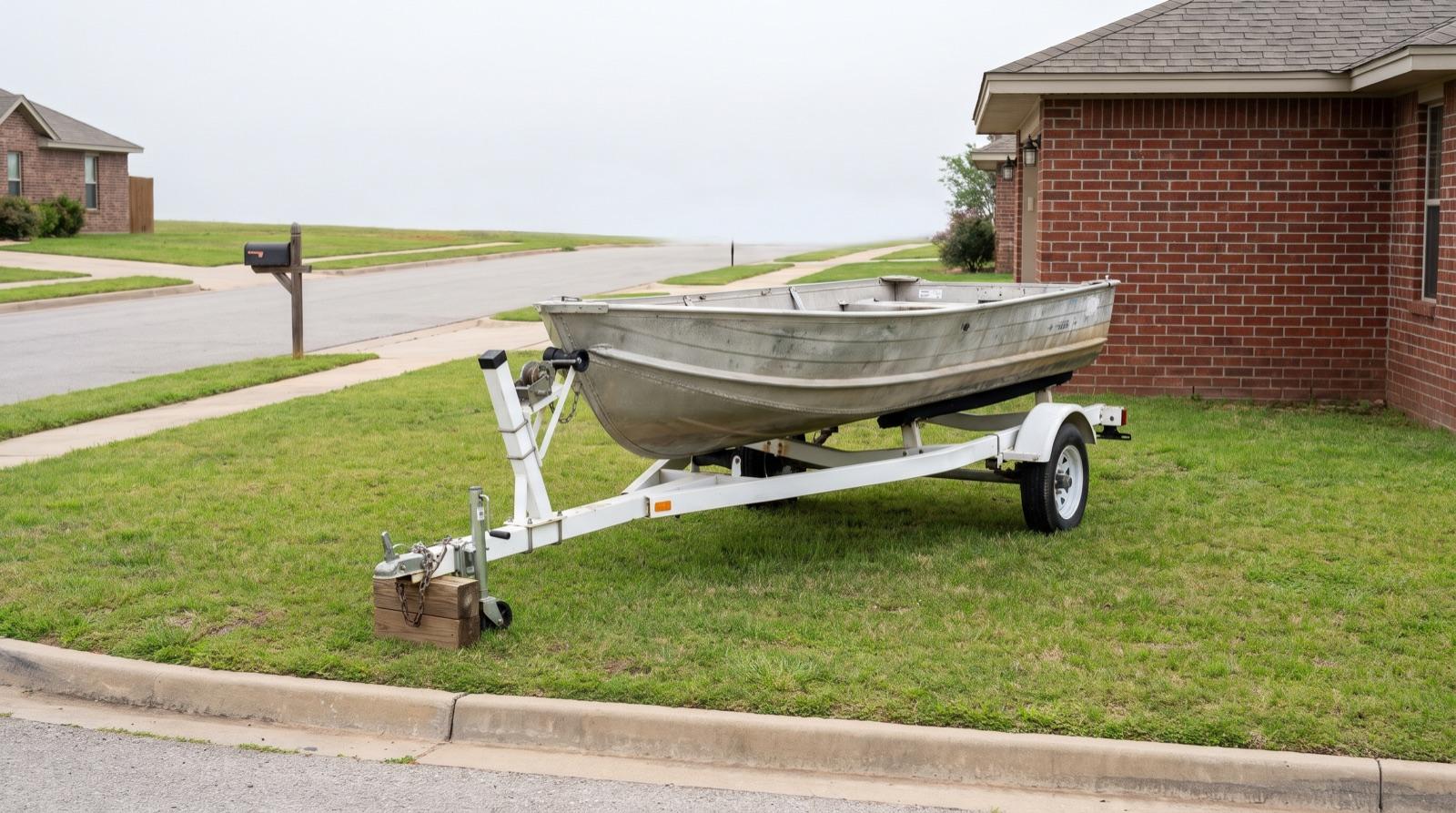
Your neighbor just parked a boat trailer on the side lawn. It’s sitting in plain view of the street.
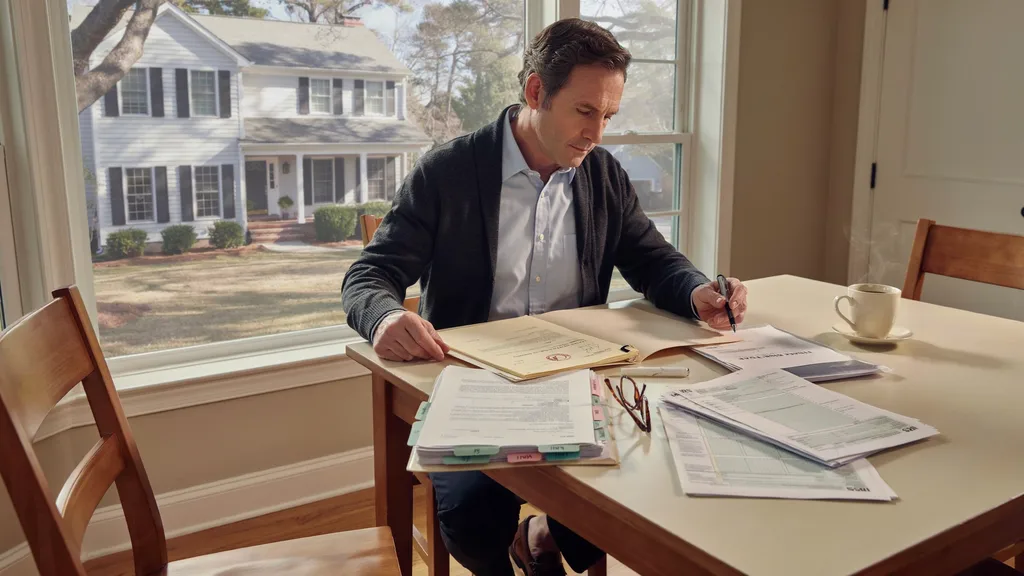
Your subdivision’s deed restrictions say no vehicles stored outside a garage. You pull the recorded restrictions to check you’re not imagining it. You’re not.
So how are deed restrictions enforced from here? Who actually makes a neighbor move it, and what happens if they just don’t?
Who Actually Has the Power to Enforce a Deed Restriction?
Enforcement isn’t automatic. No government office is watching your subdivision for violations by default.
It only moves when someone with legal standing decides to act. That’s one of three parties.
A homeowners association (HOA) or property owners’ association (POA) board, if your community has one and the declaration gives it enforcement power.
Any individual property owner in the same subdivision, as long as they’re bound by the same recorded restrictions.
A city attorney, but only in the small number of cities where a local ordinance grants that office specific, limited authority.
The HOA route is the most common one. Most deed-restricted communities today are HOA-governed, and the board’s job includes watching for violations.
But plenty of older subdivisions were platted before HOAs became standard. The restrictions are still recorded against every lot, there’s just no board running point.
Homeowners assume no HOA means no enforcement. That’s wrong. Any owner bound by the same restrictions can sue a violating neighbor directly, with no HOA needed as a middleman.
City enforcement is the exception, not something you can count on.
Houston is the most-cited example:a city ordinance gave its Legal Department narrow authority over specific restrictions:residential-versus-commercial use, setback lines, permit-required fencing.
That authority doesn’t stretch to cover every restriction in every deed. Most cities have no equivalent ordinance at all.
How Does the Enforcement Process Actually Play Out?

Enforcement runs in a fixed order, and it starts here.
It begins with someone noticing and raising the issue. From there it moves through a formal warning, then fines if the warning gets ignored, and only escalates to court if nothing else works. Each step below is where that order actually plays out.
1. Complaint and Investigation
The process starts when a board member, a neighbor, or occasionally a city code officer receives a complaint about a specific violation.
That might be an unapproved structure, a business running out of a house, or fencing that doesn’t match what’s permitted.
Whoever receives the complaint usually backs it up first with site photos, the recorded title documents, or witness statements. An unsupported complaint doesn’t hold up if the case escalates later.
2. The Warning Notice and Cure Period
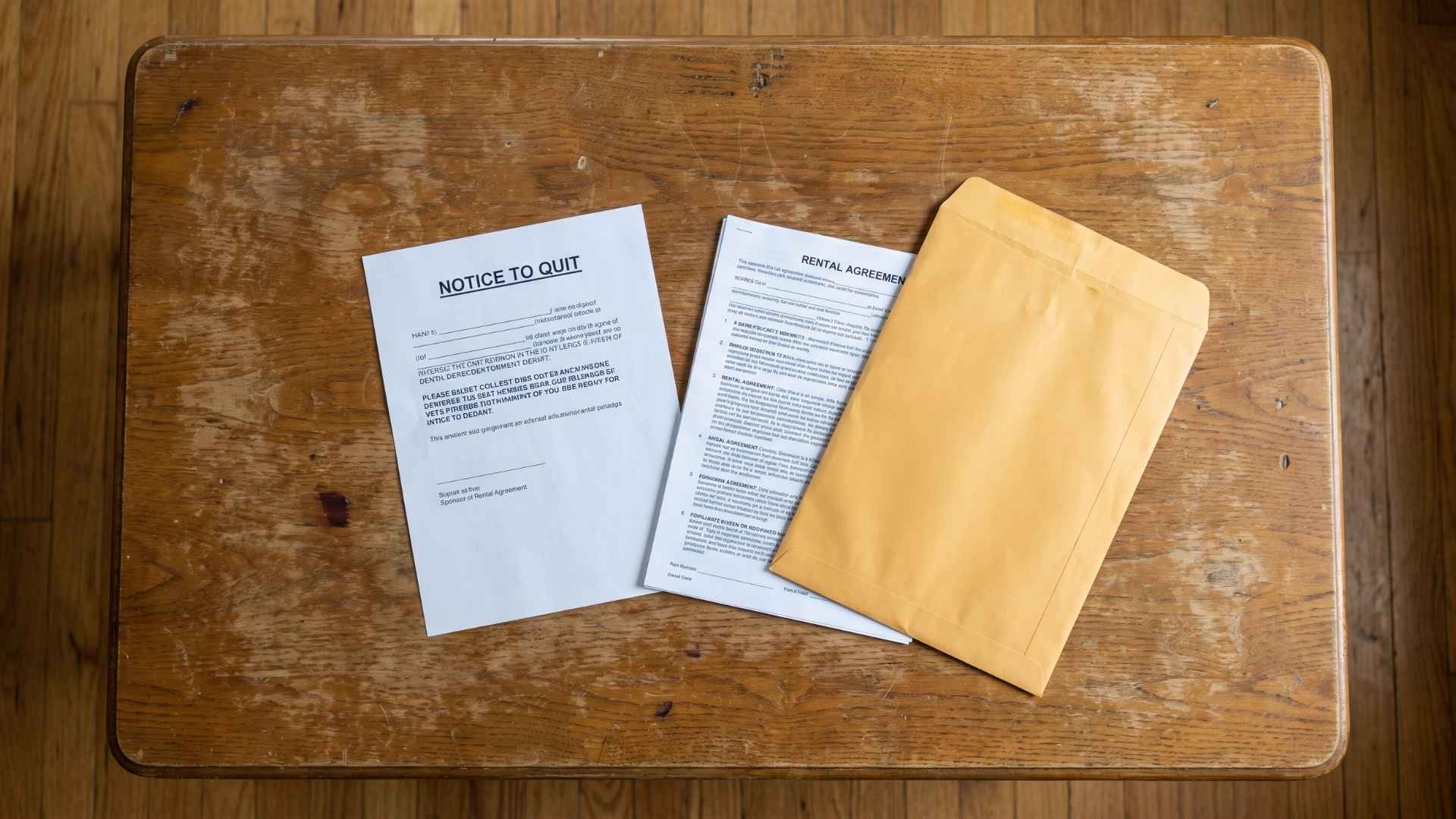
The owner gets a formal written notice describing the violation. This step isn’t optional.
In Texas, Property Code Section 209.006 requires an HOA to send that notice by certified mail and give the owner a reasonable window to fix a curable violation before any fine attaches. Many other states carry a similar requirement.
This is the step most people assume doesn’t really matter. It does. Fines or legal action taken before that window closes can get thrown out later. Boards that want their enforcement to stick follow this step carefully instead of rushing straight to the fine.
3. Fines and Self-Help Remedies
If the violation isn’t fixed inside the cure period, the HOA can start levying fines, daily or cumulative.
But only if two things are true: the governing documents actually grant fine authority, and a written fine policy is on record. Missing either one is a real problem, and it comes up again further down.
Some associations also have self-help remedies spelled out in the covenants. A common example is towing an unauthorized vehicle or removing a small unapproved item without going through the full fine process first.
4. When It Escalates to a Lawsuit
If fines and warnings don’t resolve it, the next move is a civil suit. It can be filed by the HOA, a designated representative, a neighboring owner, or, in the narrow cases above, the city attorney.
That filing is where the case leaves the association’s hands and lands in a courtroom.
What Can a Court Actually Order Once a Case Gets There?

Once a case reaches a judge, the remedy generally falls into one of two buckets. Which one applies tends to track how reversible the violation actually is.
For something physical and fixable, like an unapproved structure or a fence built past the setback line, courts can issue aninjunctionor orderspecific performance. That forces the owner to tear it down, alter it, or stop the activity outright.
For violations tied to money, like fines that have been stacking up for months, courts are more likely to assess civil penalties. They can also order the owner to cover the other side’s attorney fees.
Liens and foreclosuresit at the far end of this scale, and they’re rare for a reason.
They typically only come into play when unpaid assessments or stacked fines go unresolved for a long stretch, not as a first response to an unapproved paint color or a short fence.
A court isn’t going to foreclose on a house over a mailbox.
Where Does Deed Restriction Enforcement Actually Fail?
Not every deed restriction holds up once someone actually tries to enforce it. This is the part the clean version of the story skips entirely.
The first failure point is authoraity that doesn’t exist on paper.
A board can vote to fine a homeowner, but if the governing documents never actually granted fine authority, or there’s no written fine policy on file, that fine can get challenged and thrown out.
I’ve seen boards assume their authority is broader than what’s actually written into the declaration. That gap is exactly where a homeowner’s challenge succeeds.
The second failure point is the restriction itself.
Under Texas law, a restriction must be reasonable, legal, and not contrary to public policyto hold up.
A restriction wildly out of step with how the neighborhood actually functions can run into trouble.
A ban on home-based businesses, say, in a subdivision where half the lots now run consulting practices or Etsy shops out of a spare room.
So can one nobody has enforced consistently for years while violations piled up across the subdivision; that pattern can functionally waive it.
Courts generally honor an unambiguous restriction exactly as written. But a restriction ignored for a decade doesn’t get resurrected just because one owner is now annoyed at one neighbor.
Here’s an edge case worth knowing:A restriction can be perfectly valid and still unenforceable against one specific violation, if whoever’s trying to enforce it waited too long after finding out.
Some states apply a doctrine called laches, where unreasonable delay in raising the issue can bar the claim entirely. That’s true even when the restriction itself is otherwise airtight.
Wrapping Up
If you’re dealing with that boat trailer, or anything else sitting in violation on a neighbor’s lot, the restrictions only work if someone actually enforces them.
Document the violation, check who has standing in your situation, and follow the notice and cure period before pushing for fines or court.
Skipping that order is the fastest way to lose a case that should have been easy to win.
Frequently Asked Questions
Can Deed Restrictions Be Legally Enforced?
Yes, as long as the restriction itself is reasonable and still valid. Enforcement comes from the HOA, a neighboring owner bound by the same covenants, or in rare cases a city with that specific authority. Courts back valid restrictions with fines, injunctions, or orders to undo the violation.
Do Deed Restrictions Ever Go Away?
Yes. A restriction can expire on its own terms, get formally released, or become unenforceable if it’s unreasonable or the community has stopped applying it consistently for years. Some states also cap how long certain restrictions run without renewal.
Can Deed Restrictions Be Undone?
An individual restriction can be removed through a formal amendment process, usually requiring a set percentage of owner approval under the governing documents, or through a court ruling that it’s unenforceable. A homeowner can’t undo one unilaterally.
Who Enforces Deed Restrictions When There’s No HOA?
Any individual property owner in the same subdivision, bound by the same recorded restrictions, has legal standing to enforce them directly through a civil lawsuit. A handful of cities also have narrow ordinance authority over specific restriction types.