
houseslaw.com/what-is-a-quiet-title/
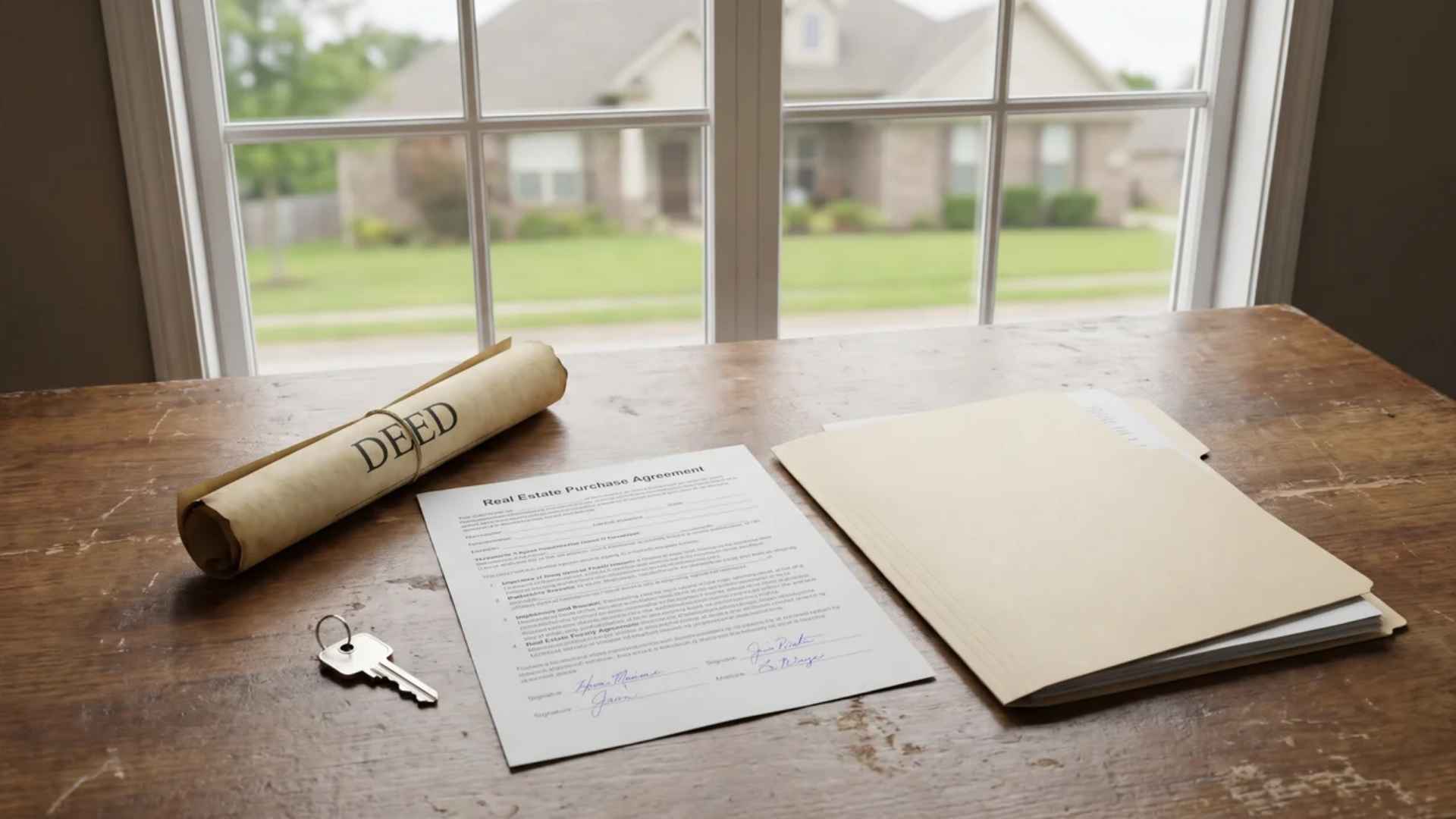
A title problem can surface just as a property sale is ready to close. An old lien, an unclear inheritance, or a disputed deed may leave buyers and lenders unsure who legally owns the property.
If you’re wondering what a quiet title is, it becomes an important question when ordinary paperwork cannot settle that uncertainty. A quiet title action asks a court to determine ownership and resolve competing claims, but it is not always the first or simplest solution.
The right approach depends on the source of the defect and who may have a legal interest. Start by looking at what the action can actually resolve.
Disclaimer: This article provides general information about quiet title actions and property ownership disputes. Laws, filing procedures, notice requirements, and court decisions vary by state. It is not legal advice. Consult a qualified real estate attorney about your specific property and circumstances.
What Is a Quiet Title Action?
A quiet title action is a lawsuit filed in the court where the property sits. It names everyone who might claim an interest, so a judge can declare one owner.
The word “quiet” points to the goal, which is ending the debate over who owns the property. A final judgment binds everyone named and served in the case, so they can’t raise the same claim again.
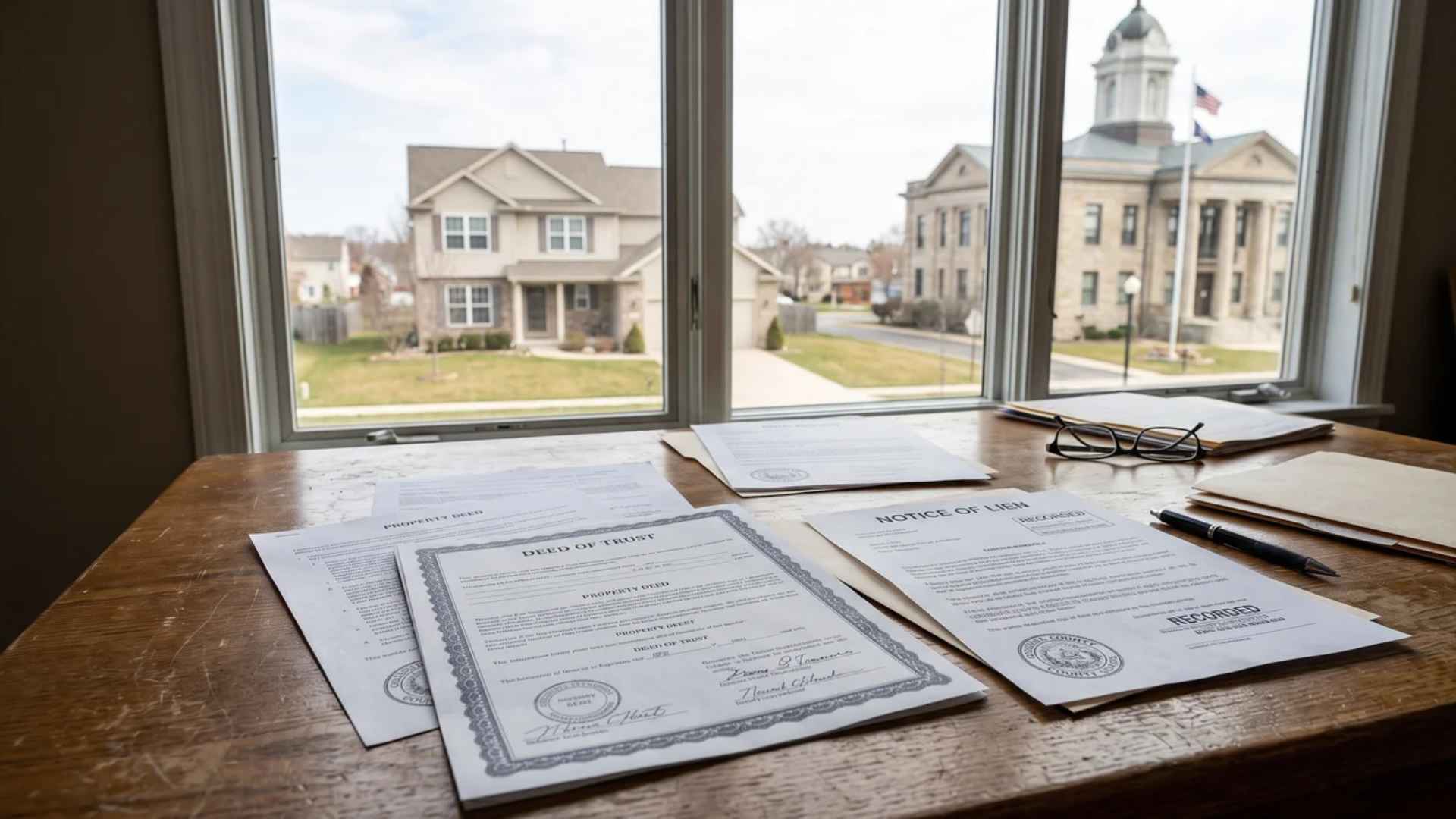
Many of these cases start with a cloud on title . That’s any record or claim that makes ownership uncertain. It’s often an old mistake, not a fight between two people.
It matters because you can’t sell without a marketable title . A title company will usually decline to insure a clouded one.
Why Would Someone File a Quiet Title Action?

Title problems usually come from three places. Some are leftover paperwork, some are gaps after a transfer, and some are another person’s claim.
1. Old Paperwork That Never Got Cleaned Up
Say you paid off your mortgage years ago. If the lender never recorded a release, the record still shows an open loan. A buyer’s title search will flag it.
The same goes for mechanics’ liens, typos in a deed, missing signatures, and survey errors. Your ownership may be fine. The paper just says otherwise.
2. Ownership Gaps After Tax Sales, Foreclosures, and Inheritance
Buying at a tax sale or foreclosure auction can leave old claims behind. The seller can’t promise a clean history, so the buyer may need a court order to clear them.
Inheritance causes gaps too. A forgotten will or a missing heir can leave someone with a claim nobody knows about.
3. Claims Made by Another Person
The first two are gaps in the record. Here, someone is actively asserting a right.
With adverse possession, a person who openly uses your land for long enough may claim it. The required time varies by state, typically ranging from 5 to 20 years.
Fraud is the other version. A forged or coerced deed can put a false owner in the record. Boundary and easement disputes fit here too. A neighbor may claim part of your lot, or a right to cross it, such as a shared driveway.
How Does a Quiet Title Action Clear a Title?
A quiet title case moves in four steps. Each one has a job, and skipping any of them weakens the result.
- Title search: A lawyer or title company finds every person who might claim an interest.
- Complaint: The owner files in the court where the property sits and names those people as defendants.
- Notice: Each defendant is served. If someone can’t be found, a newspaper notice may stand in.
- Judgment: The judge rules, and the order is recorded in the public land records.
A judgment only binds people who were properly named and served. Courts have long held that a known claimant left out isn’t bound .
That’s why a missed heir or lienholder is the weak spot. Unknown claimants can be named as a group and served by publication. A claimant you could have found is different.
If someone contests, it becomes a full court dispute. That takes longer, and pace varies by state and court. A quiet title action has limits. It can’t erase a valid lien or a mortgage you agreed to. Those stay on the title until paid.
One judgment also may not clear every cloud on the title. That’s why the title search should list each one up front.
How Much Does a Quiet Title Action Cost?

An uncontested case usually costs $1,500 to $5,000. Much of that is attorney time.
The rest covers court filing fees, a title search, and serving each defendant. Publication notices add to the bill when a claimant can’t be found.
A contested case costs more because every dispute adds hours of legal work. Each extra claimant raises the total. Expect $5,000 to $15,000 or more once a case goes to trial.
Ask for a written estimate before you hire anyone. It should itemize filing, search, and publication costs.
How Long Does a Quiet Title Action Take?
An uncontested case often takes eight to twelve weeks from filing to judgment. Locating every claimant can stretch that to several months.
A contested case runs longer, since each side presents evidence and the judge has to rule. Many contested cases take six months to a year or more to reach judgment. Publication notices add waiting periods too.
If a sale is pending, plan for that wait before you set a closing date. A title company will want the recorded order before it insures the property.
How Is a Quiet Title Action Different From a Quitclaim Deed?
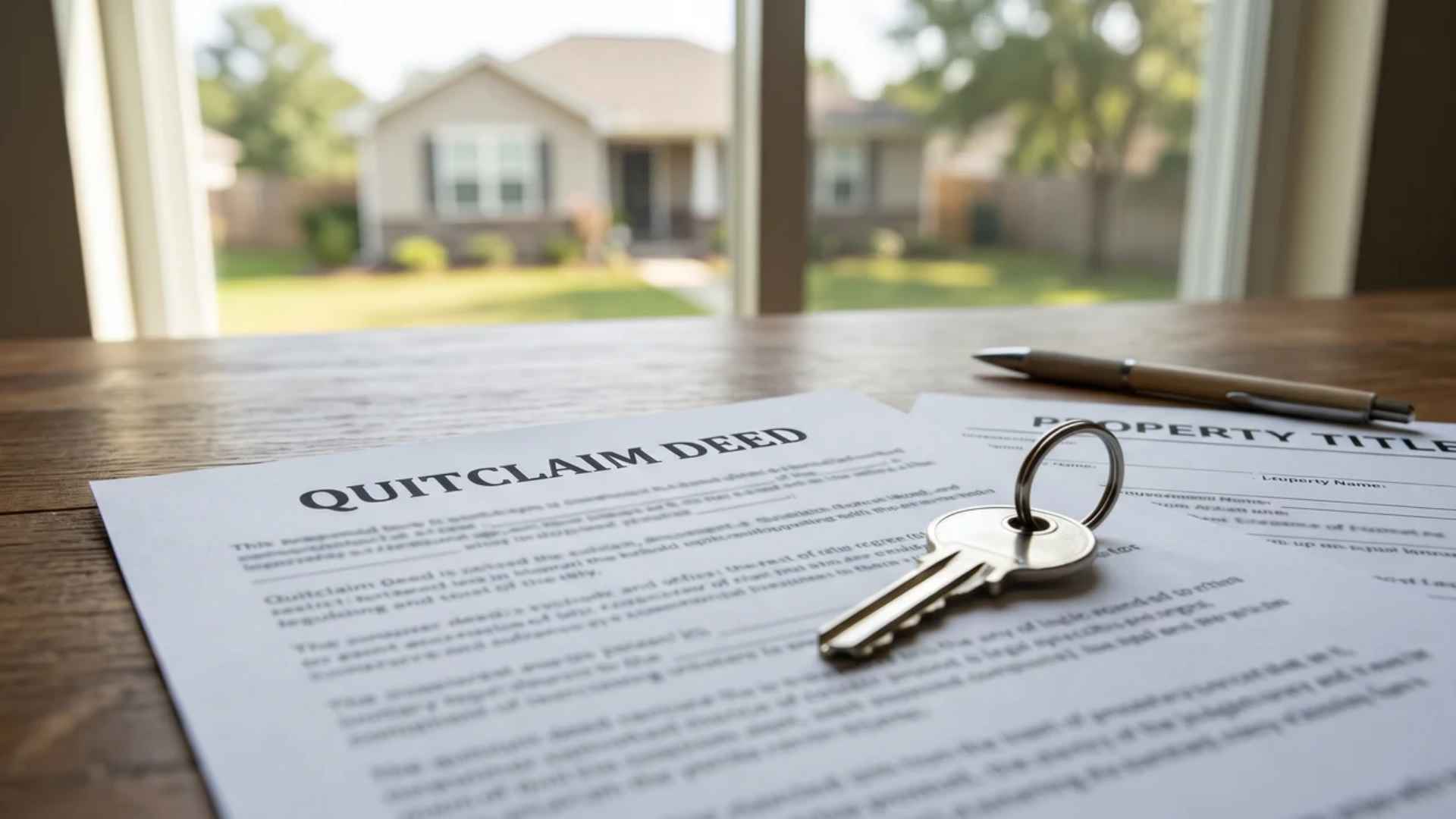
A quitclaim deed moves whatever interest the signer has to someone else. It makes no promise that the title is clear.
Quitclaims still have a place . People use them to move property between family members. The new owner can inherit any hidden problem.
A quiet title action is a different tool. It’s a court judgment that settles who owns the property and ends competing claims. The real difference is who each one covers. A quitclaim only involves the two people signing. It can’t remove anyone else’s claim.
They can work together. If you received property by quitclaim, a quiet title action can later prove the title is clear. A winning judgment also helps with title insurance, which a clouded title often blocks.
Wrapping Up
A quiet title action can give property owners a court-backed decision when competing claims or record defects make ownership uncertain.
Its value, however, depends on identifying every relevant claimant and following the required notice process.
For anyone asking what a quiet title is, the key takeaway is that not every title issue needs a lawsuit. Some can be corrected with a release or amended document.
If a title defect is delaying a sale or transfer, identify its source before choosing a remedy. Speak with a real estate attorney to determine the right next step.
Frequently Asked Questions
Can I File a Quiet Title Action Without a Lawyer?
Whether you can file on your own depends on your state and court. Even where it’s allowed, the rules are strict. You must name every possible claimant, serve each one correctly, and meet your state’s filing rules. A mistake in any step can weaken the final judgment. That’s why many owners hire a real estate attorney.
What Happens If Someone Fights a Quiet Title Suit?
If a named party contests the suit, it turns into a regular court dispute. Each side presents evidence of ownership, such as deeds and records, and the judge decides whose claim is stronger. The winner can then use the order as proof of clear ownership.
Does a Quiet Title Action Apply to a Car?
Usually not. A quiet title action is a court process for real property, such as land and buildings. Car ownership problems, like a lost title, usually go through your state’s motor vehicle agency. Contact it first to learn what paperwork you need.
Do I Need a Quiet Title Action Before Selling a Property?
Only if a title defect blocks the sale. A title search comes first, because it shows which claims, liens, or record errors exist. Some problems clear with a recorded release or a corrected document. A court action is the route when the claim can’t be resolved that way.