

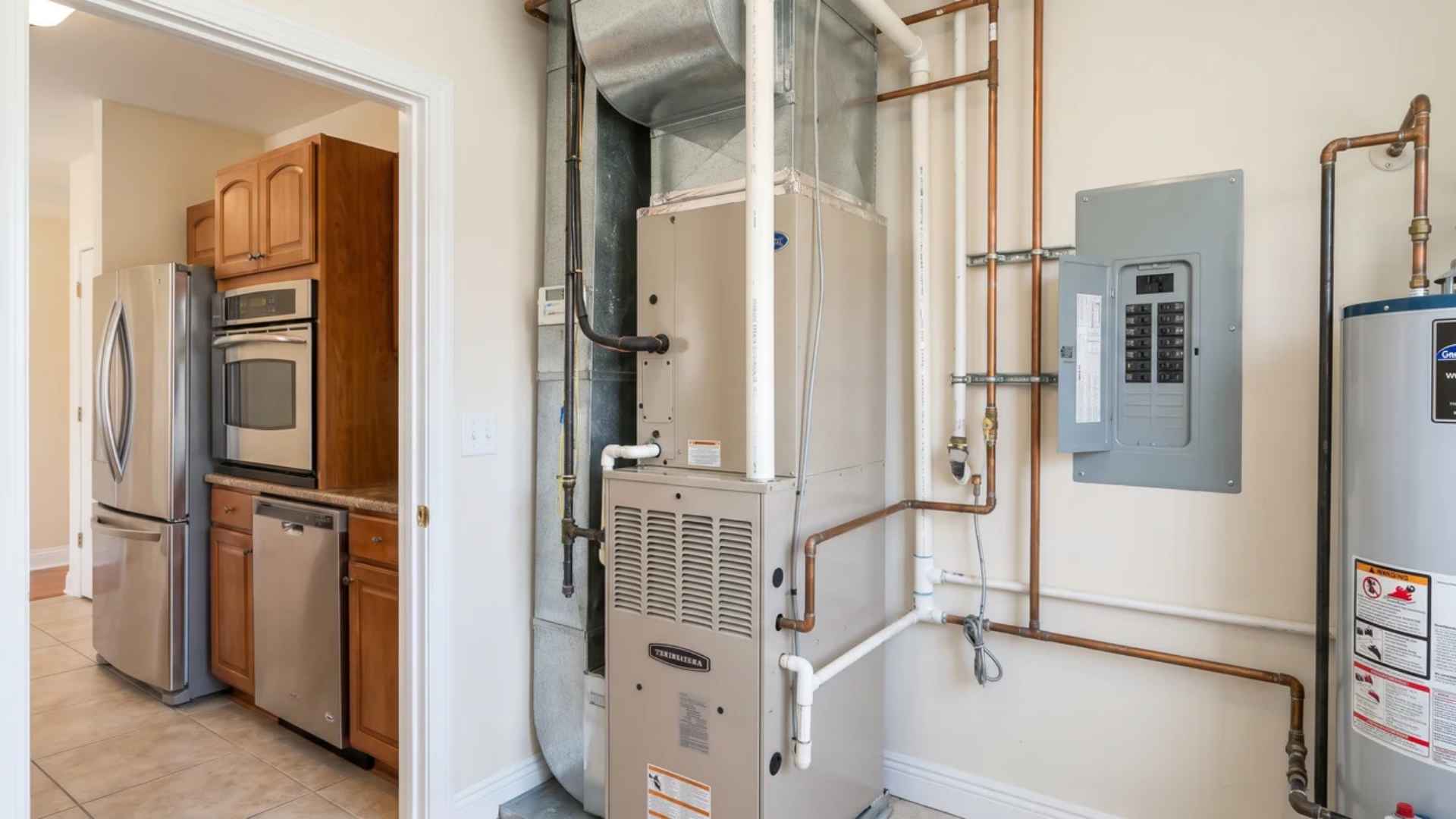
A broken water heater or malfunctioning air conditioner can lead to an unexpected repair bill. A home warranty may help with these costs, but it doesn’t work quite like homeowners insurance.
How does a home warranty work when something in your house stops functioning? The answer depends on your coverage, the cause of the breakdown, and the provider’s approval process.
Knowing where these conditions apply can help you avoid unexpected expenses and choose a plan that makes sense for your home.
Disclaimer: This article is for general information only and isn’t legal or financial advice. Home warranty terms, coverage, and pricing vary by provider and state. Read your actual contract and talk to the provider or a qualified professional before making a purchase decision.
What Is a Home Warranty When Buying a House and When Does It Pay?
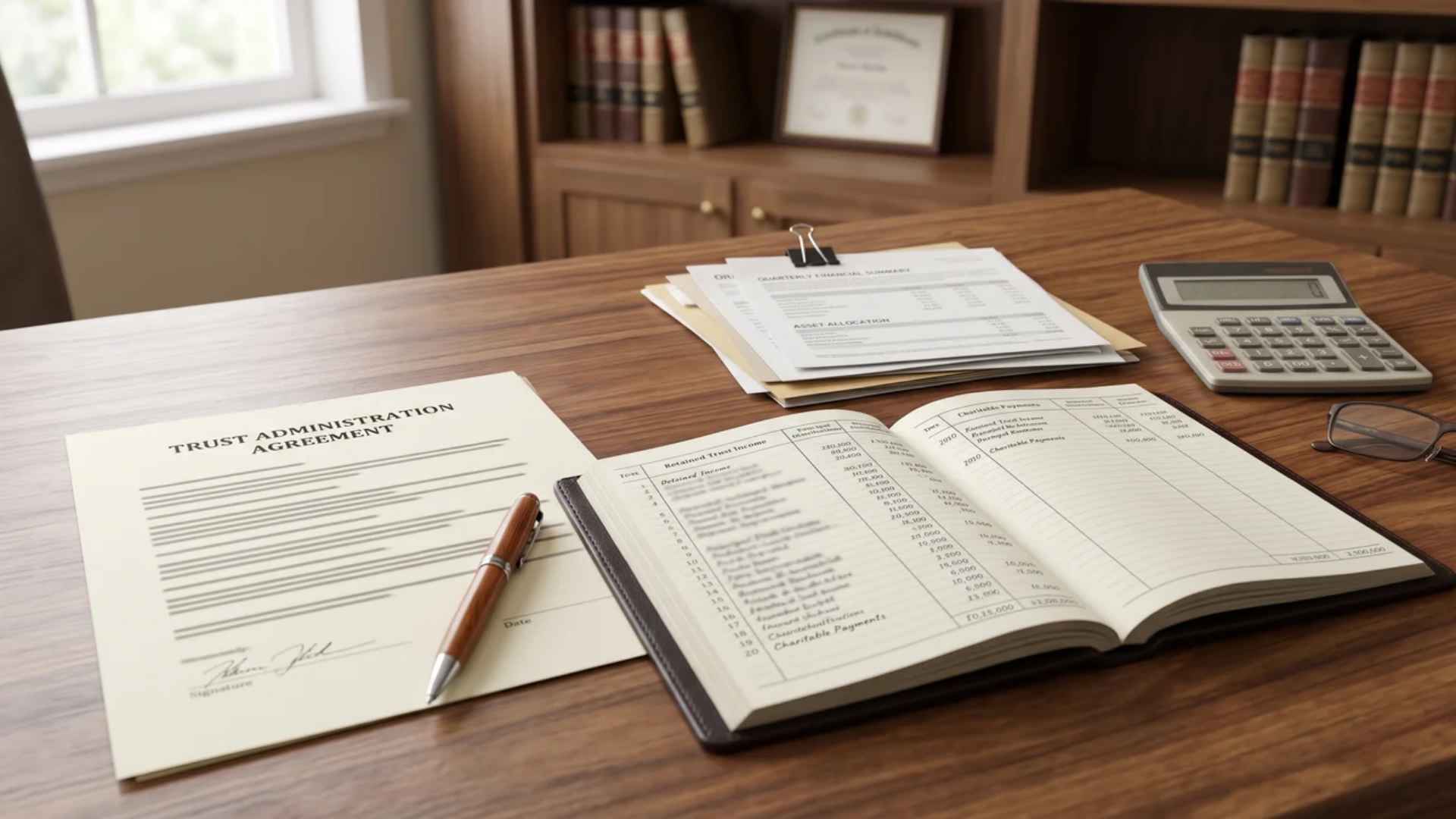
A home warranty is an optional service contract. It helps pay for repairs or replacements of covered home systems and appliances that break from normal wear and tear.
Think of a water heater that finally gives out after years of daily use. That is the kind of breakdown it is built for.
Homeowners insurance triggers differently. It pays for sudden damage like fire, storms, and theft, not a worn-out part.
The contract has limits, though. It pays only for items the plan lists, and only up to its stated caps.
How Does a Home Warranty Work Step by Step?
A home warranty works in three stages. First, you buy a plan, then you file a claim and pay a service fee. Last, the provider approves or denies it after a technician’s diagnosis.
1. Buy a Plan
You pay a plan fee, yearly or monthly. Plans commonly run $350 to $900 a year. You also pick a systems, appliance, or combo plan.
Most plans have a waiting period, often about 30 days. A breakdown inside that window may not count. The contract defines your coverage, not the sales page. Read it before you pay.
2. File a Claim and Pay the Service Fee
A claim starts when you contact the provider by phone or online. The provider then assigns a technician from its own network.
You usually can’t pick one. You do pay a service fee per visit, separate from your plan fee. It is often $75 to $125, so three claims mean three fees. Some providers call it a deductible.
3. Provider Decides to Repair, Replace, or Deny
After the diagnosis, the provider decides whether to approve a repair or replacement, or deny the claim.
The technician sends a report, but doesn’t approve the work. The provider does.
The provider checks two things: what caused the breakdown, and whether the cost fits under the contract’s payout limit.
Repair is the usual outcome. Replacement comes when repair isn’t practical, and most contracts pay out the item’s depreciated value, not the cost of a brand-new model, so don’t expect a full-replacement check.
Limits and rules differ from plan to plan, so your contract is the final word. If the cost goes past the limit, you pay the difference. If the claim is denied, you pay all of it.
What Does a Home Warranty Cover, and Why Do Some Claims Get Denied?
Coverage works in two layers. The plan lists what’s eligible, and then the technician’s finding decides whether this specific breakdown qualifies.
What Do Plans Usually Cover?
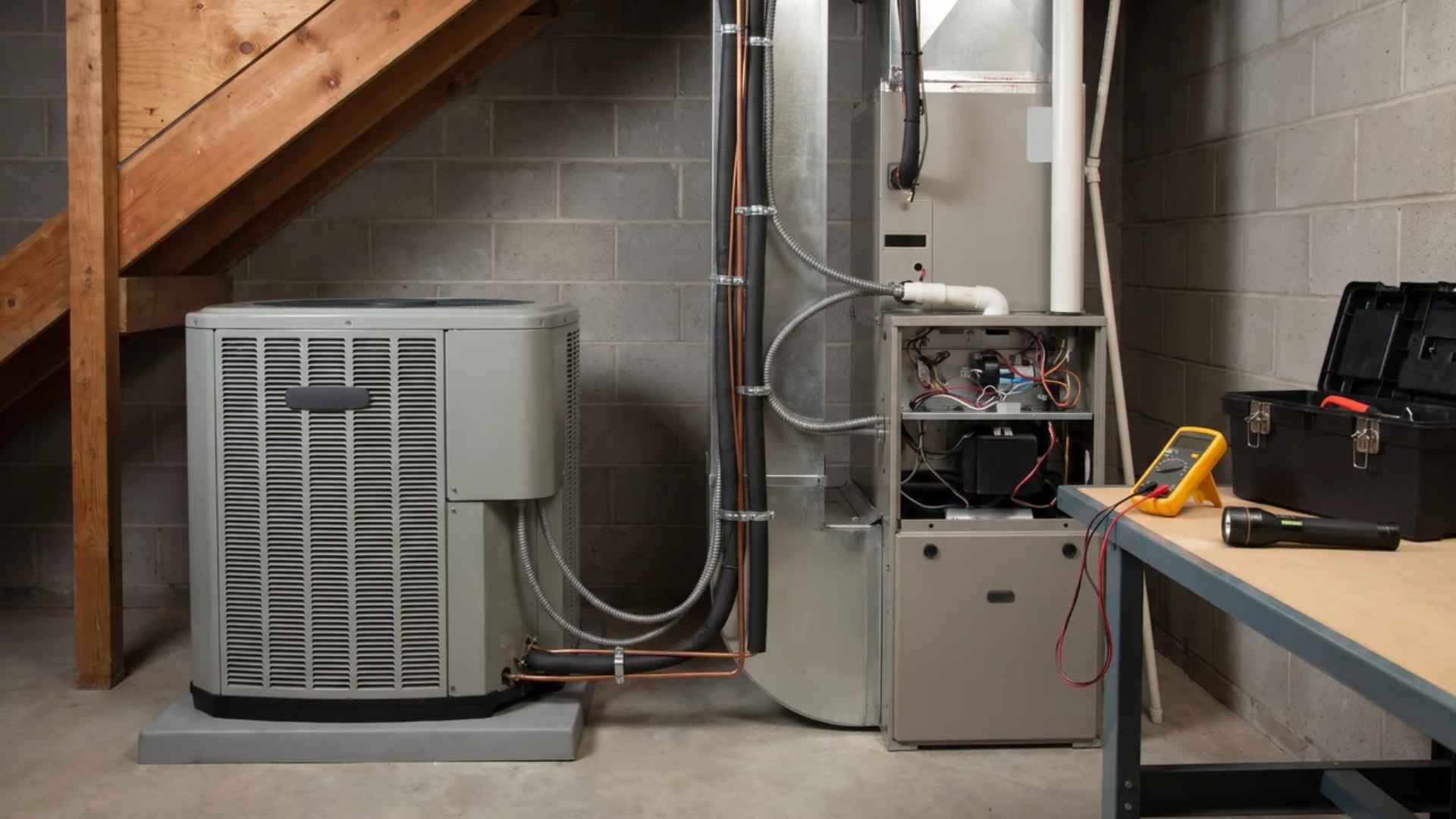
Plans usually cover HVAC, plumbing, electrical, water heaters, and major appliances. The plan type decides which of those you actually get. Here is how the three plan types split it up:
- Systems plan: covers the big home systems, like HVAC, plumbing, electrical, and the water heater
- Appliance plan: major kitchen and laundry appliances
- Combo plan: puts both under one contract, usually for less than buying a systems plan and an appliance plan separately
Pools, spas, well pumps, and septic systems usually need an add-on. And the same appliance can be in one plan and missing from another.
Why Does a Covered Item Still Get a Denied Claim?
A covered item gets your claim looked at. It doesn’t guarantee it gets paid. Say your covered air conditioner stops cooling. The technician finds a coil clogged from skipped maintenance.
The provider calls that poor upkeep and denies the claim. The unit was covered. This failure wasn’t. These are the usual reasons for a denial. Check your contract for each one:
- Known pre-existing problems
- Poor maintenance
- Misuse
- Improper installation
- Costs above the contract’s dollar caps
Most of these come down to cause, not the item. I’d keep maintenance records, since they help if the cause is disputed. Service contracts won’t cover every repair. Read the exclusions before you buy.
Is a Home Warranty Worth It?
It depends on how old your appliances are. An aging water heater or furnace is more likely to fail, and a plan can soften that bill. A newer home is different.
Many appliances still carry the manufacturer’s warranty, so a plan would overlap. I’d compare a year of fees against one replacement you’d have to pay for yourself.
If you pick a plan, check the provider’s Better Business Bureau rating and customer reviews first.
To Sum Up
A home warranty can make certain household repairs more manageable, but its value depends on the contract behind it. How does a home warranty work in practice?
The provider reviews the breakdown, checks the coverage terms, and decides whether to approve the repair or replacement. That means the monthly price alone shouldn’t guide your decision.
Pay attention to service fees, coverage limits, exclusions, and maintenance requirements before committing. A little contract review now can save you from an unexpected repair bill later. Compare your options before you buy.
Frequently Asked Questions
What Is a Home Warranty When Buying a House?
It’s an optional service contract that pays for repairs to listed systems and appliances after you move in. It covers breakdowns from normal wear, not sudden damage like fire or storms. A lender doesn’t require one to approve your loan. If your purchase contract mentions one, read that clause before you sign.
Who Pays for a Home Warranty When Buying a House?
It depends on the deal. The buyer or the seller can pay, and it is often a negotiation point. A seller home warranty is one the seller pays for and offers to attract buyers. Either way, the plan covers the home, and the new owner usually pays the service fees when claims happen.
Does a Home Warranty Transfer When I Sell My House?
Often, yes, but it depends on the provider. Many plans let you transfer coverage to the new owner, sometimes for a small fee and within a set window. Check your contract for transfer rules first. A transfer can also work as a selling point, since the buyer inherits the remaining term.
Does a Home Warranty Renew Automatically?
Many plans renew on their own at the end of the term, sometimes at a new price. That means the charge can hit your card without a reminder. Look for the renewal terms in your contract. Set a calendar alert before the end date so you can cancel or change plans.