

A home warranty offer can look like another mandatory item when you’re already dealing with mortgage documents, insurance, and closing costs.
But is a home warranty required, or can you turn it down without affecting your purchase?
The answer matters because agreeing to a plan means taking on another contract, fee, and set of coverage limits.
What makes the decision confusing is that a seller, lender, or real estate agent may bring it up at different stages of the transaction.
Here’s what actually makes a home warranty optional and when buying one may still be worthwhile.
Disclaimer: This article is for general informational purposes only and does not constitute legal, financial, or insurance advice. Home warranty terms, state regulations, and coverage requirements may vary. Review your contract and consult a qualified professional when needed.
Is a Home Warranty Required When You Buy a Home?
No. No law makes you buy a home warranty, and most mortgage lenders don’t ask for one.
That holds true in every state. State agencies may license or regulate warranty companies, but those rules govern the provider, not the buyer.
New Jersey is the one wrinkle for new construction, where state law says builders must warrant new homes for up to ten years. That duty falls on the builder, not on you.
Otherwise, whether you buy a plan stays your decision, unless your purchase contract states otherwise.
Why Do Lenders Require Homeowners Insurance but Not a Home Warranty?
A mortgage makes your house the lender’s collateral. If the home is badly damaged, the loan loses its backing. That’s why lenders require homeowners insurance. It covers sudden, large losses like fire, storms, and structural damage.
A dead furnace or dishwasher is a different problem. It’s a repair bill, and it rarely threatens what the lender protects.
Take one HVAC unit. If a storm drops a tree on it, that’s an insurance claim. If the compressor gives out after years of use, that’s wear and tear.
A home warranty is built for the second case.
The rules shift with your situation. Insurance terms vary by lender and loan, and the requirement ends once the mortgage is paid off. A warranty never had a lender rule to begin with.
Neither product can stand in for the other. Insurance generally won’t pay for ordinary breakdowns, and a warranty won’t cover fire or storm damage.
Why Does a Home Warranty Feel Required at Closing?
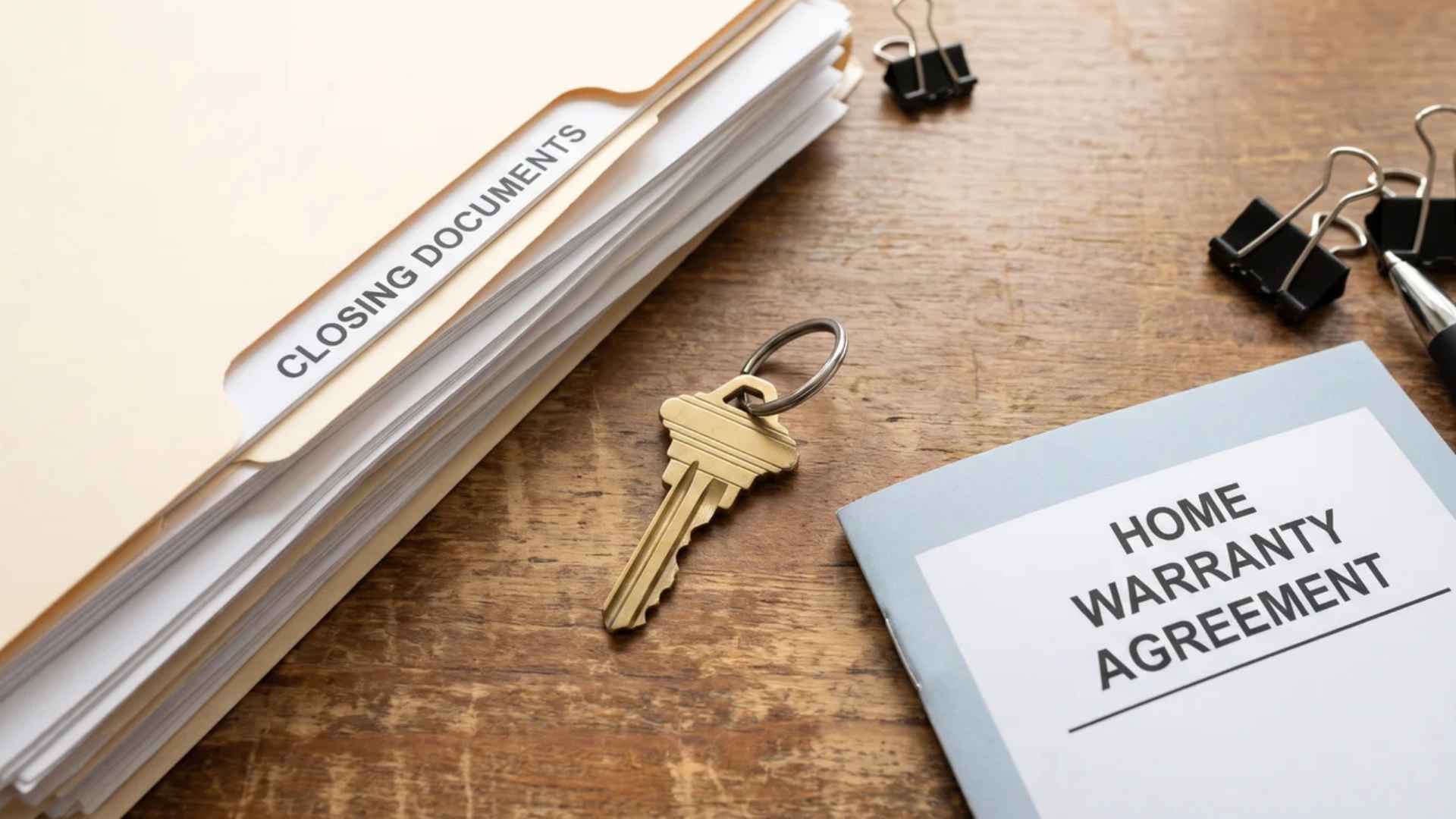
Everything in a home sale lands in one of three groups. It’s either required by law, required by your lender, or just offered. A home warranty sits in the third group. It shows up beside truly required items, so it looks just as official.
Seller-paid plans cause most of the confusion.
In some markets, sellers commonly pay for one. That plan comes from the purchase contract, not from the law. The only way you’re bound to one is a term you agreed to in that contract.
So if a seller offers a plan, do you have to have a home warranty? Not unless you signed that term. Read the wording before you sign.
A seller-paid plan isn’t full protection, though. It carries the same exclusions and service fees as any other plan. I’d treat it as a nice extra, not a safety net.
What Do Home Warranty Plans Leave Out?
Most plans cap what they’ll pay per item. If a repair runs $1,200 and your cap is $1,000, you cover the extra $200 plus the service fee.
Pre-existing problems are usually excluded, so anything already failing when coverage starts may be denied. Poor maintenance can sink a claim too.
Many plans also require approved contractors and a waiting period, often around 30 days, before you can file.
When Is a Home Warranty Worth Buying Anyway?
A plan swaps a yearly fee, plus a service fee per visit, for protection against costly breakdowns. Whether that swap pays off depends on your savings, your home’s age, and who’s paying.
When It May Be Worth Considering
A home warranty makes the most sense when your systems are aging, and your repair fund is thin. Older HVAC, plumbing, electrical, or appliances can fail without warning. One surprise bill can hurt.
First-time buyers often like the predictability. Annual plans generally run from a few hundred dollars to around $1,000, plus a $50 to $125 service fee each time a technician comes out.
Prices change, so check current quotes.
It also helps when the seller pays. You get coverage without paying upfront, as long as you read the limits.
When You Can Likely Skip It
You can likely skip it with new construction or new appliances. Builder and manufacturer warranties often already cover defects and early breakdowns.
Strong emergency savings or DIY skills also tip the scale. If you can pay for repairs yourself, going without a plan often costs less.
Final Thoughts
A home warranty is an optional expense, not a standard condition of buying or financing a house. The right choice depends less on what happens at closing and more on what you could afford to repair afterward.
Older systems, limited savings, and seller-paid coverage can make a plan worth considering. Newer appliances and a strong emergency fund may make it unnecessary.
Before agreeing to coverage, compare the service fees, exclusions, and payout limits against likely repair costs. Review your options before signing.
Frequently Asked Questions
Is a Home Warranty Required in Texas, California, or Georgia?
No. None of these states requires homeowners to buy a home warranty, and no other state does either. State agencies may license or regulate warranty companies, but those rules govern the provider, not the buyer. Whether you buy a plan is your decision, unless your purchase contract states otherwise.
Is a Home Warranty Required to Sell a House?
No. Sellers do not have to offer a home warranty. Some choose to pay for one to ease buyer concerns about older systems or to make a listing stand out. If a buyer asks for coverage in an offer, it becomes a negotiated term. It is not a requirement set by law.
Is a Home Warranty Mandatory in the First Year of Owning a Home?
No. No law or lender sets a first-year warranty rule. Some buyers get a seller-paid plan that covers the first year, and others buy one after closing. You can also skip coverage entirely. If you do hold a plan, the contract spells out renewal and cancellation terms.