Ever signed a lease and forgot when it was set to expire? Or missed a rent payment because nobody sent a reminder? You are not alone. Landlords and tenants run into this all the time.
This blog walks you through property lease management from start to finish. I will explain what it means, who uses it, and why it matters.
You will also see how it works day to day, plus practical tips and common mistakes to avoid along the way.
By the end, you will know how to keep your leases organized, your tenants happy, and your income steady, without the usual stress or guesswork that comes with juggling paperwork and deadlines on your own.
Let's get into it.
What Is Property Lease Management?

Property lease management is the process of handling a rental lease from the moment it is created until it ends or gets renewed.
It covers everything in between too. This includes writing up the lease, screening tenants with credit and background checks, tracking rent payments, and making sure both sides follow the rules.
Good lease management touches five main areas: lease creation and documentation, tenant screening and onboarding, rent and payment tracking, lease compliance monitoring, and renewals or termination.
When you handle all of these well, your rental runs smoothly with fewer surprises and less back and forth.
Who Uses Property Lease Management?
Lease management is not just for big companies. Plenty of people rely on it every day.
- Individual landlords managing one or two rental properties on their own.
- Property managers who handle several units for different owners.
- Real estate investors overseeing a full portfolio of rental properties.
- Commercial property owners who need to manage tenant contracts, business leases, and lease accounting standards like ASC 842.
- Housing associations that need consistent records across many units.
Commercial vs Residential Lease Management
Property lease management follows the same basic process for both residential and commercial properties, but the responsibilities are different.
Residential leases usually involve individual tenants, shorter lease terms, and standardized agreements. Commercial leases often have longer terms, negotiated clauses, maintenance responsibilities, and accounting requirements such as ASC 842.
| Residential Lease Management | Commercial Lease Management |
| Individual tenants | Business tenants |
| Shorter lease terms | Longer lease agreements |
| Standard lease clauses | Negotiated lease terms |
| Simpler rent collection | Complex rent structures |
| Basic maintenance coordination | May include CAM charges and lease accounting |
Simply put, residential leases keep things simple, while commercial leases demand sharper terms and closer financial oversight.
Why Is Property Lease Management Important?

Good lease management protects your income, your time, and your relationships with tenants.
Helps Reduce Vacancies and Maintain Rental Income
When you stay on top of lease timelines, you can prepare for upcoming vacancies in advance. This helps reduce empty units and maintain steady rental income.
Fewer empty days mean steady cash flow. You also spot patterns, like which units turn over often, so you can fix the real problem instead of guessing.
Improves Tenant Relationships and Retention
Clear lease management keeps communication open between you and your tenants. When questions come up, you can answer them fast because the lease details are easy to find.
Tenants notice when things run smoothly. That builds trust, and trust leads to longer stays, better tenant retention, and fewer disputes down the road.
Keeps Lease Information Organized
Instead of digging through emails or old paperwork, you get one place to check everything. Rent due dates, lease expiration dates, renewal terms, security deposit details, and tenant responsibilities all live in one centralized lease database.
This saves you time and cuts down on the kind of mix ups that cause frustration for everyone involved.
Reduces Legal and Financial Risks
Good lease management reduces legal and financial risks by keeping accurate records and ensuring lease terms are followed. It helps landlords comply with landlord-tenant laws, fair housing requirements, security deposit regulations, and required disclosures.
Organized documentation creates a clear paper trail, making disputes easier to resolve while reducing compliance issues, financial penalties, and misunderstandings between landlords and tenants.
How Does Property Lease Management Work?

It follows a clear path from getting a property ready to closing out a lease.
Step 1: Property Preparation and Marketing
Before I list a property, I walk through it and note what needs fixing. Repairs, deep cleaning, and small upgrades all happen first, since a property shows better and rents faster when it looks cared for.
I set a rental price by checking similar listings nearby, not just guessing. Then I build the listing itself with clear photos, a short video when possible, and honest details about the space, since misleading listings only lead to more questions and wasted showings later.
Step 2: Tenant Screening and Selection
Once applications start coming in, I review each one carefully. That means checking credit history, past rental behavior, and background information, plus confirming income to make sure rent gets paid on time.
I apply the exact same screening rules to every single applicant, no exceptions. This keeps the process fair, protects me legally, and helps me pick tenants who are more likely to stay long term, pay on time, and renew instead of causing turnover.
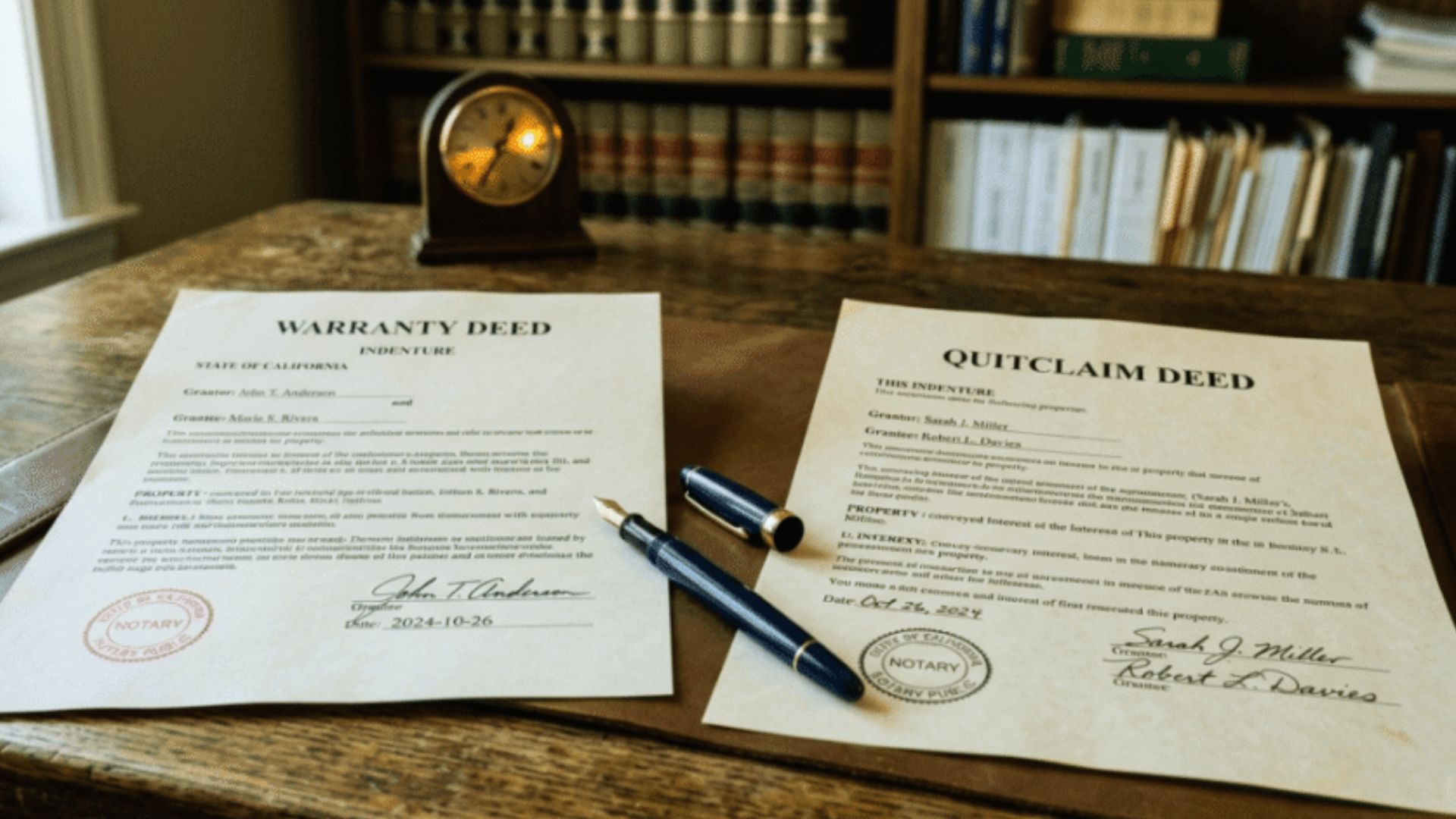
Step 3: Lease Agreement Creation and Signing
I write a lease that spells out the rent amount, how long the lease runs, the security deposit, and who handles which maintenance duties. Before anyone signs, I walk the tenant through every term out loud, so nothing feels like a surprise months later.
Digital signing tools speed this step up for both sides and keep a clear record of exactly what was agreed to and when, which matters if a question ever comes up down the road.
Step 4: Active Lease Management
Once the lease starts, my job shifts from paperwork to upkeep. That means collecting rent on schedule, handling maintenance requests quickly, managing any lease changes, and answering tenant questions as they come in.
Keeping track of deadlines here matters just as much as the paperwork did at the start, since missed renewal windows or late responses create bigger problems later. I treat this stage as ongoing, not something to check in on once a month.
Step 5: Lease Renewal or Termination
I watch lease expiration dates closely and start renewal talks well before the deadline, not at the last minute. I also look back at the tenant's payment and behavior history before deciding whether to offer a renewal.
If the tenant is moving out instead, I schedule a move-out inspection right away and finish any remaining paperwork, so the unit is ready to show and rent again with as little downtime as possible.
Key Responsibilities in Property Lease Management

A few core tasks show up again and again, no matter how many units you manage.
Managing Lease Documents
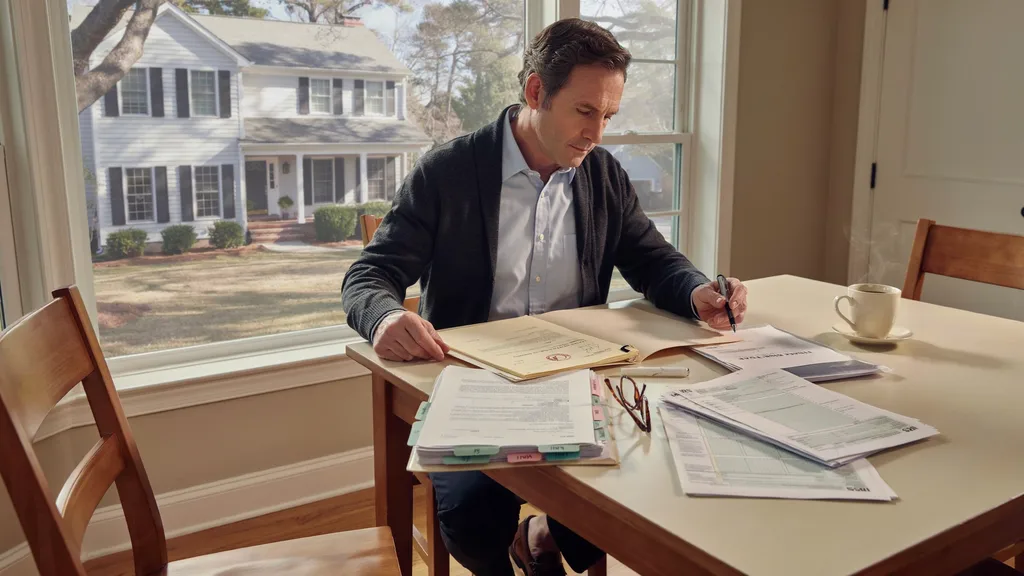
Every agreement, amendment, and tenant record needs a home. I keep a short lease abstract for each property, a quick summary of the rent, term, and key dates, so I don't have to reread the full lease just to check one detail.
I update files the moment something changes, like a new rent amount, an added tenant, or a renewal date.
Outdated documents cause real confusion later, especially during a dispute or an audit, so I treat updates as a same-day task, not something to catch up on later.
Tracking Payments and Expenses
I keep a close eye on rent as it comes in each month, and I flag anything missing right away. Late fees, rent increases, deposits, and other charges tied to the lease all get logged as they happen, not weeks later.
This habit gives me a clear financial picture at any point in the year, instead of scrambling during tax season or when an owner asks for numbers on short notice.
It also makes spotting a pattern of late payments much easier to catch early.
Managing Tenant Communication
I send updates about lease terms, upcoming changes, or maintenance schedules well before they happen, not after.
Answering questions quickly matters just as much as the answer itself, since a slow response makes small concerns feel bigger than they are. I try to handle issues before they turn into complaints or disputes.
Tenants who feel heard tend to renew their leases, pay on time more consistently, and cause fewer problems overall, which saves everyone time down the road.
Monitoring Lease Compliance
I regularly check that both sides are holding up their end of the agreement, not just the tenant. This covers maintenance duties, pet policies, payment schedules, and any specific clauses written into that lease.
Staying on top of this now, instead of waiting for a complaint, prevents small issues from turning into legal headaches later.
It also gives me documentation to point to if a disagreement ever does come up between me and a tenant.
Property Lease Management Best Practices

A few habits make the whole process smoother and easier to keep up with.
Keep lease information centralized: Store agreements, tenant details, payment records, and important dates in one organized system.
Automate lease reminders: Set alerts for lease expiration, renewals, rent increases, and scheduled inspections.
Communicate with tenants early: Start renewal conversations well before the deadline and keep tenants updated throughout the lease term.
Create standard lease workflows: Build a consistent process for screening, approvals, signing, and renewals so nothing gets skipped.
Track lease management metrics: Watch your occupancy rate, renewal rate, vacancy periods, rent collection rate, average lease term, and tenant retention rate over time.
Property Lease Management vs Property Management
These two terms get mixed up often, but they cover different ground.
| Property Lease Management | Property Management |
| Focuses on lease agreements and tenant contracts | Focuses on daily property operations |
| Handles renewals, rent terms, and lease compliance | Handles repairs, maintenance, and inspections |
| Manages tenant related lease processes | Oversees overall property performance |
Lease management is really one piece of the bigger property management picture.
Common Challenges in Property Lease Management
Even with a good system, a few problems tend to show up more than others.
- Managing Multiple Properties Tracking several leases by hand gets messy fast. Small but important details can slip through the cracks.
- Missing Lease Deadlines A missed renewal date can leave a unit empty longer than it needs to be, costing you rental income.
- Maintaining Accurate Records Old or incorrect lease information leads to billing errors and disagreements with tenants.
- Slow Communication When responses take too long, tenants get frustrated and satisfaction drops.
- Manual Lease Tracking Spreadsheets and paper files work, but they slow you down and leave more room for mistakes.
How Technology Improves Property Lease Management

Lease management software takes a lot of the manual work off your plate. It automates daily tasks like sending rent reminders, flagging upcoming lease expirations, and storing documents in one searchable, centralized lease database.
This cuts down on human error and saves hours each week compared to tracking everything by hand.
Instead of digging through emails or file cabinets, you get instant access to lease terms, tenant records, and payment history.
Software also helps you spot trends, like which units renew often and which ones don't, so you can make better decisions going forward.
Features to Look For in Lease Management Software
Here's what actually matters when you're comparing options.
- Secure lease record storage:Keeps lease agreements and tenant records organized, protected, and easy to access whenever needed.
- Automated notifications: Alerts you about upcoming lease events like renewals or expirations without you having to check manually.
- Digital document management: Makes contracts, lease abstracts, and amendments easy to pull up anytime, from any device.
- Reporting and analytics: Helps you track rental performance, lease costs, and occupancy trends over time.
- Integration with other tools: Connects with accounting software, payment platforms, and other property management tools so nothing gets scattered across different apps.
Note: Property lease laws and regulations vary by state and country. Always review your local landlord-tenant laws or consult a qualified legal professional before making decisions related to lease agreements, renewals, security deposits, or tenant rights.
Conclusion
I have seen firsthand how much smoother a rental runs once lease details stop living in random emails and start living in one clear system.
Property lease management isn't complicated once you build a routine around it. Start small, stay consistent, and the rest falls into place.
If this helped, drop a comment with your own lease tracking tips or share it with someone managing rentals right now.
Frequently Asked Questions
Who is responsible for lease management, the landlord or the property manager?
It depends on the setup: landlords handle it themselves for self-managed units, while a hired property manager takes over lease duties for a monthly fee once one is brought on.
How much does lease management software typically cost?
Most platforms charge a small monthly fee per unit, often between $1 and $5, though bigger portfolios usually get custom pricing.
Can a tenant break a lease early without penalty?
Only in specific cases like active military duty, an unsafe or uninhabitable unit, or a clause the lease itself allows, otherwise a penalty or lost deposit usually applies.
What happens if a lease expires and the tenant does not move out or renew?
In most states this creates a month to month tenancy under the same terms until either side gives proper written notice.
Is a verbal lease agreement legally binding?
Verbal leases can hold up in some states for short terms, but most jurisdictions require a written lease once the term goes beyond one year.