You spot a "For Lease" sign outside a house you like, and before you even dial the number, a small doubt creeps in. Is that different from "For Rent"? Does it mean something stricter, something you're not ready to commit to?
Most people never stop to ask what does for lease mean on a house until they're already holding a contract with terms they didn't expect.
But that sign is telling you something specific about how long you're staying, what you're agreeing to, and how much room you actually have to negotiate.
Once you understand what's really behind that word, the whole listing reads differently. And that's exactly where this guide picks up.
What Does ‘Lease’ Mean?
When a house is listed "for lease," it means the owner wants to rent out the property for a set period under a written contract. That contract, called a lease, locks in the rent price, the length of stay, and the rules both sides must follow.
Unlike a casual rental arrangement, a lease is a legally binding contract between the landlord (lessor) and tenant (lessee) that spells out each party's responsibilities. This makes leasing a more formal and predictable setup compared to a month-to-month rental.
The term is common in both residential and commercial listings, though the details differ. For a house, "for lease" usually points to a longer commitment, with residential leases most commonly running twelve months, and the terms fixed for that entire period.
For Lease vs. For Rent: What Changes for You
"For Lease" and "For Rent" often mean the same thing, but not always. Compared to for rent, the for lease meaning points to something more formal, and that shows up in the details below.
| Factor | For Lease | For Rent |
| Typical term length | Often longer, sometimes a year or more | Can be short-term or month-to-month |
| Common use case | Often used for single-family homes and commercial spaces | Often used for apartments and smaller units |
| Flexibility to end early | Usually stricter, with penalties for breaking early | Sometimes more flexible, depending on the agreement |
| Language on the sign | Suggests a formal, binding agreement | Suggests a more casual or shorter stay |
Look at the term length and the property type first. That tells you more than the wording on the sign ever will.
What's Inside a Lease Agreement
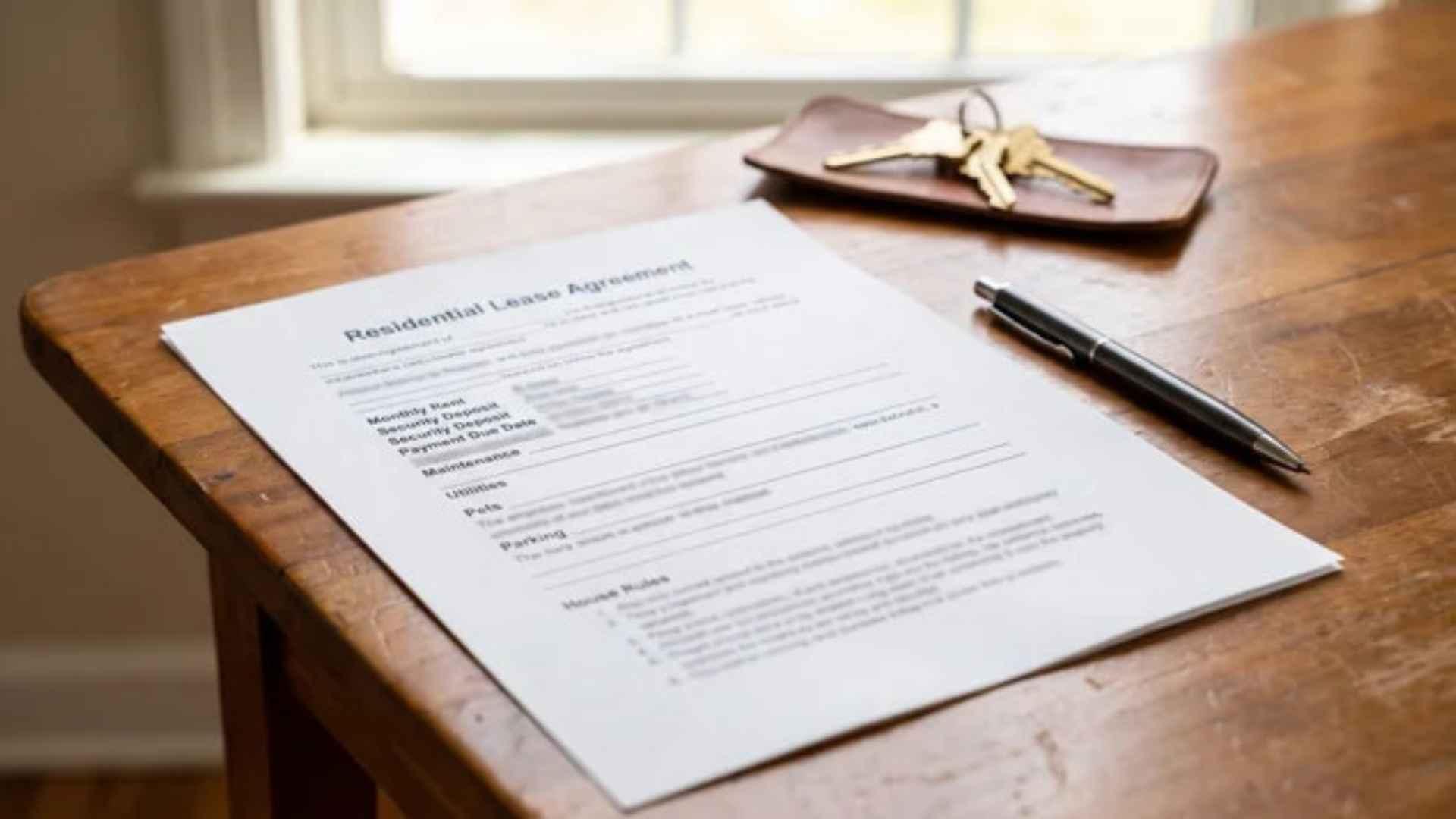
A lease agreement covers more than just the monthly price. Understanding the for lease meaning in practice means knowing what's actually written into the contract.
Rent, Deposit, and Payment Terms
The lease spells out your exact rent amount and due date. It also states the security deposit and when you get it back.
Some landlords charge a late fee after a grace period. Others don't offer one at all.
I've seen tenants assume the deposit covers last month's rent. It doesn't, unless the lease says so directly. Read that clause twice before you sign.
Maintenance, Utilities, and House Rules
This decides who fixes what. Some leases put repairs on the tenant, others leave it all to the landlord.
Utilities work the same way. A few leases bundle water or trash into rent, most don't.
House rules can cover pets, noise, or parking, and they completely depend on how house rules are outlined in a typical agreement. I've watched a tenant get fined for a dog he thought was allowed.
Lease-to-Own: When "For Lease" Includes a Path to Buying
Part of the for lease meaning shifts here, since a lease-to-own deal adds a path to buying. You rent the house now and part of your rent goes toward the purchase later.
It's not a separate category from "for lease." It's a specific type of lease with a purchase option attached.
You sign a lease like normal, but the contract adds one piece. A set percentage of your rent gets credited toward a future down payment.
The agreement also locks in a purchase price. Sometimes that's based on today's value, sometimes on what the home might be worth later.
Buyers pick this route when their credit needs time to improve. Others want to test a neighborhood before they commit.
It's not free money. You're usually paying above-market rent to fund that credit. But for the right situation, it buys you time you wouldn't otherwise have.
What to Check Before You Respond to a "For Lease" Listing
Before you call the number on that sign, run through a few checks first. Knowing the for lease meaning on paper is one thing, but the listing still needs a closer look.
- Rent and deposit: Confirm the exact amount. Listings sometimes round numbers or leave out extra fees.
- Lease length: Ask if it's month-to-month or locked in for a year or more.
- What's included: Check on utilities, parking, and appliances. These vary a lot between listings.
- Pet policy: Ask directly, even if the yard looks pet-friendly.
- Repairs and maintenance: Find out who handles this. It tells you how responsive the landlord actually is.
- Reason for the re-lease: Ask why the last tenant left. A quick answer can reveal a lot.
A few questions upfront save you from surprises after you've already signed.
Is Leasing the Right Move for You?
Leasing is the right move if you want flexibility and aren't ready to buy. It works well if your job might relocate you.
It also fits if your finances are still settling, or if you want to test a neighborhood first. Weighing the for lease meaning against your own timeline makes the decision easier.
You get a place to live without a mortgage. You also skip the risk of a market dip hitting your equity.
But it's not free of trade-offs. You're not building ownership with every payment, and rent can rise at renewal.
I've seen people lease for years by choice. It simply matched their life better than owning did.
The right answer depends less on the house. It depends more on where you are right now.
Final Takeaway
Behind every "For Lease" sign is a formal contract, not a casual arrangement.
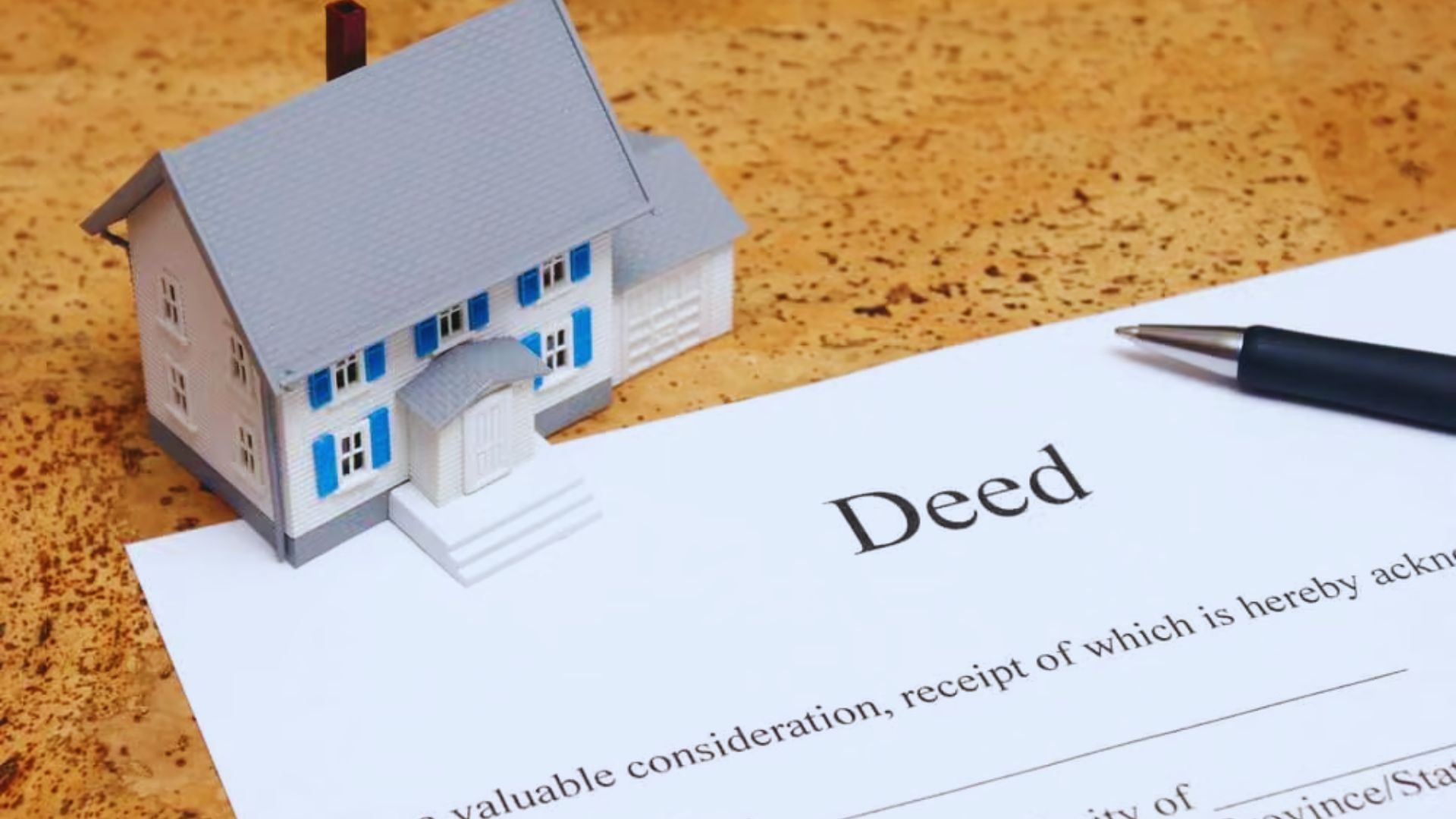
What does for lease mean on a house? It means fixed rent, a locked-in timeline, and rules both sides are bound to follow while the deed stays with the landlord. Knowing this before you call changes what you ask and what you sign.
Found a listing worth pursuing? Don't sit on it, contact the landlord today, request the full lease terms in writing, and read every clause before you commit.
Frequently Asked Questions
What happens if I break a lease early?
You'll likely owe a penalty listed in the lease itself. Some landlords also keep part of your deposit.
Can a landlord raise the rent during the lease term?
No, not during a fixed term. The rent can only change once the lease comes up for renewal.
Does a lease renew automatically when it ends?
Only if the lease says so directly. Otherwise, you and the landlord need to sign a new one.
Who's responsible for lawn care on a leased house?
Check the lease first, since this isn't always the landlord's job. Many house leases push yard upkeep onto the tenant.