

This guide is general information, not legal or tax advice. Probate rules, thresholds, and taxes vary by state and change over time, so confirm your situation with a probate attorney or tax professional before acting.
Losing a parent is hard enough without the worry of paperwork and property.
If you are trying to figure out how to transfer a home after your parent's death, and they left a will, you are in the right place. Many people think a will hands over the house right away. It does not work quite like that, and the steps can feel confusing at first.
This guide makes it simple. You will learn what a will actually does, the first things to take care of, and how the home moves from your parent's name into yours. It also covers how long it takes, what it costs, the taxes to know about, and the mortgage.
Along the way, you will see the common mistakes that slow families down. By the end, you will know exactly what to do.
What Happens to a Home When a Parent Dies With a Will?

A will only names who should get the property. It does not move the title by itself. Your parent's name stays on the deed until the law clears the transfer.
Most estates still pass through probate, the court process that checks the will and approves the change. According to FindLaw, the court oversees this step whether or not a will exists. So a will guides the transfer, but the court makes it official.
Steps to Transfer Property After the Death of Parent With Will

These few simple actions now save weeks later if there is Will. Start with these three.
1. Get Certified Copies of the Death Certificate
You will need this paper for almost every step. Banks, the court, and the county office all ask for it. Order several certified copies, not photocopies.
Most families get 10 or more. You can request them from the funeral home or your state health department. Extra copies keep things moving and save repeat trips.
2. Find and File the Will With the Court
Look for the original signed will first. Parents often keep it in a home safe, a bank box, or with their lawyer. Once you find it, the law says you must deliver it to the probate court.
Filing the will starts the case. Do not hold onto it. Sitting on a will can delay everything and even cause legal trouble.
3. Identify the Executor or Personal Representative
The will usually names an executor. This person runs the estate. They gather assets, pay bills, and pass property to the right people.
If no one is named, or that person says no, the court picks someone. The California Courts self-help guide lists the usual priority: spouse or partner first, then a child, then a grandchild, then a parent.
There is a further process, if it involves the probate. But it totally depends on the type of property ownership your parents had.
How Property Ownership Type Changes Everything?
Before you assume probate is needed, check how the home was titled. The type of ownership can decide the whole path, and some homes skip court completely.
Joint Tenancy With Right of Survivorship
This is the fastest route. If your parent owned the home jointly with someone who had survivorship rights, the property passes straight to that person.No probate is needed.
The surviving owner files the death certificate and a simple form with the county. Many married couples hold their home this way, so the title moves in days, not months.
Tenancy in Common
This one works differently. Here your parents owned a share of the home, not the whole thing with survivorship. That share does not pass automatically.
It must go through probate to reach the heirs named in the will. The other co-owners keep their parts. The heir then steps into your parent's share and owns it alongside them.
Transfer on Death Deed or Living Trust
Planning ahead can skip probate here. A transfer on death deed passes the home straight to a named person once your parent dies. A living trust does the same, since the trust already holds the property.
In both cases, the beneficiary files the death certificate and paperwork with the county. No court case, and the transfer is quick.
Here is a quick way to see where your situation fits:
| Transfer path | Probate needed? | Typical time |
| Joint tenancy with survivorship | No | Days to a few weeks |
| Transfer on death deed or living trust | No | Weeks |
| Small estate affidavit | No, simplified filing | 30 to 90 days |
| Tenancy in common or sole ownership | Yes, full probate | 6 to 18 months |
Walking Through the Probate Process Step by Step
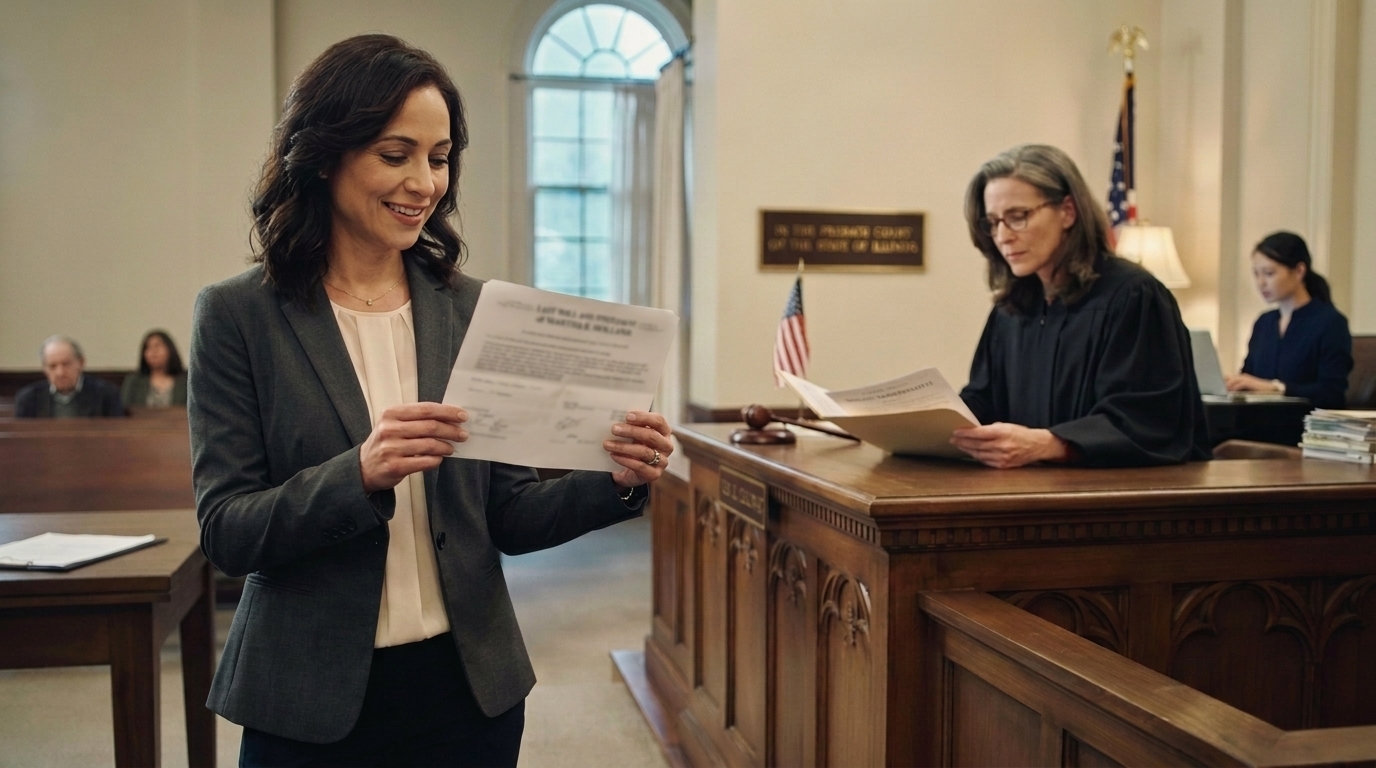
When the home must go through court, the probate follows a set order. Each stage builds on the last. You have already filed the will and death certificate, so here is what comes next.
Opening Probate and Appointing the Representative
The judge checks that the will is valid, then names the personal representative and gives them legal power to act. This power is often shown by a court paper called letters.
It proves to banks and buyers that the representative can act for the estate. Only after this can they touch estate assets.
Notifying Heirs, Beneficiaries, and Creditors
Next, the representative tells everyone with a stake: the heirs, the people named in the will, and any creditors. Creditors get a set window to claim money owed.
This waiting period is required by law and often runs three to six months depending on the state, according to Nolo's probate guidance. It cannot be skipped, so plan around it.
Inventorying and Valuing the Estate
Now the representative lists everything your parents owned: the home, bank accounts, and personal items. The house needs a real appraisal to set its fair value.
LegalZoom notes this inventory is usually filed with the court within 30 to 90 days. This appraisal matters twice, since it also sets your tax basis later.
Paying Debts, Taxes, and Final Bills
Before anyone inherits, the estate pays what it owes. This includes final bills, valid creditor claims, and any taxes. The representative also files the final income tax return.
This step often takes the longest, since the creditor window must close first. Nothing transfers until debts are cleared.
Transferring the Title and Recording the New Deed
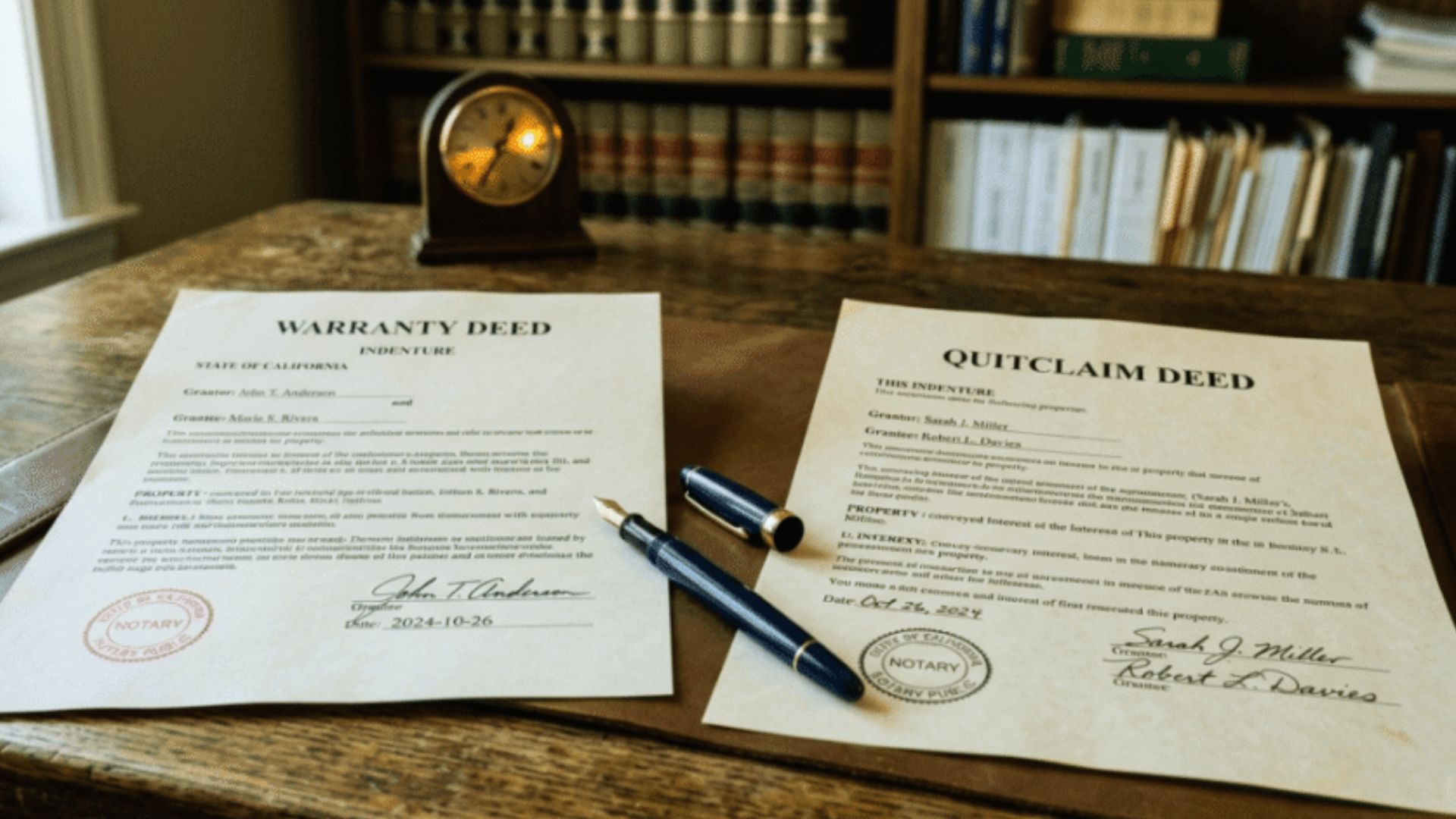
Once debts are paid and the court approves, the home moves to the heir. The representative files a new deed, the death certificate, and the court order with the county recorder.
The county updates the title. Now the new owner can legally sell, rent, or keep the home.
What If Your Parent Left No Will?
Many families are not sure which case applies to them. Here is the short version. With no will, the estate is called intestate.
FindLaw explains that the state's intestate succession laws then decide who inherits, usually the spouse and children in a set order. The court still appoints someone to run the estate, but that person is called an administrator, not an executor.
The property steps are much the same, though a will makes the path faster and clearer.
How Long Does It Take to Transfer Property After Death With a Will?
The timeline varies. Simple estates with a clear will can wrap up in 3 to 6 months. Larger or more complex estates can take 1 to 2 years.
Delays often come from court backlogs, disputes between heirs, or missing documents. Starting early and staying organized helps a lot.
What Happens If Multiple Heirs Are Named in the Will?
If the will names more than one heir, the property is divided as stated.
All heirs may need to agree before the property is sold or transferred. If one heir wants to buy out the others, that requires a separate agreement.
Disagreements between heirs can slow the process down significantly. In some cases, a mediator or attorney is needed to move things forward.
What the Transfer Property Really Costs?

Probate is not free, and the fees come out of the estate before heirs get their share. Court filing fees are the smallest part. Trust & Will reports these run from about $50 to $1,200, depending on the estate size and county.
The bigger cost is professional fees. According to Nolo and other legal guides, total probate costs commonly land between 3 and 8 percent of the estate's gross value.
For a $500,000 estate, that can mean $15,000 to $40,000 once you add court fees, attorney fees, and executor pay.
Some states, like California, set these fees by law as a percentage of the gross estate. Others, like Texas, let attorneys bill hourly, often $150 to $400 or more per hour.
Taxes You Should Know About Before You Sell

The news is mostly good. Inheriting a home rarely triggers an immediate tax bill. There is no federal inheritance tax.
The federal estate tax is paid by the estate, not the heir. Per Kiplinger and the IRS figures for 2026, it only applies to estates above $15 million. So almost no family owes it.
A few states charge their own inheritance tax, which SmartAsset lists as Kentucky, Maryland, Nebraska, New Jersey, and Pennsylvania, with spouses usually exempt.
The rule that helps most is the step-up in basis. Under Internal Revenue Code Section 1014, your tax starting point in the home resets to its fair market value on the date of your parent's death.
Say your parents bought the house for $100,000 and it was worth $500,000 when they died. Your basis becomes $500,000.
If you sell soon for $510,000, you only pay capital gains tax on the $10,000 of growth after death, not the full rise during their lifetime. This is why many families sell soon after probate, and why a dated appraisal is worth keeping safe.
What Happens to the Mortgage?
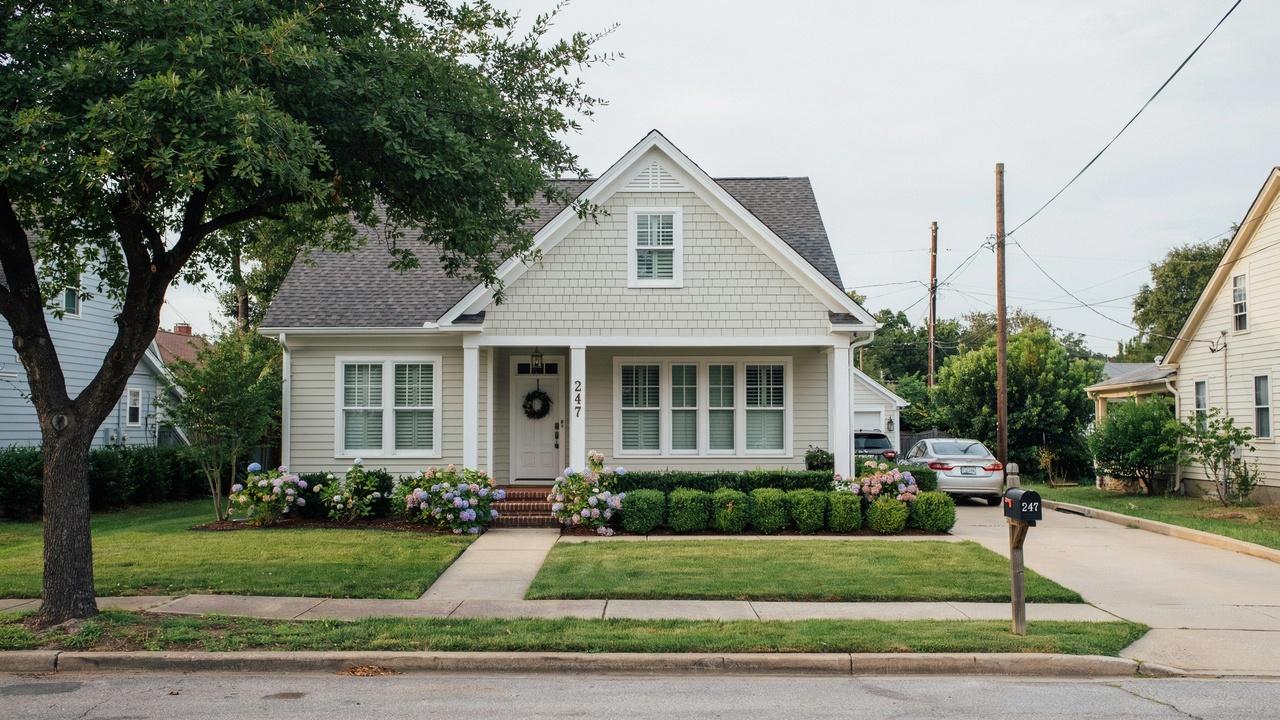
If the house still has a loan, that debt does not vanish when your parents die. It stays with the home.
The heir who takes the property has three choices: keep paying the mortgage, refinance it into their own name, or sell the house to clear the balance.
Federal law usually lets a close relative take over payments without the lender calling the full loan due. Keep payments current during probate, since a missed one can risk the very home you are trying to inherit.
When You Can Skip Full Probate?
Not every estate needs the full court process. If the estate is small enough, you may use a small estate affidavit instead.
Each state sets its own dollar limit. These thresholds range from about $10,000 to over $200,000, and most apply to personal property only, not real estate.
In California, for example, the limit is set by the date of death under Probate Code Section 13100. For deaths on or after April 1, 2026, it rose to $239,700. You sign a sworn statement, attach the death certificate, and present it to claim assets.
Some property never touches probate at all. Payable on death bank accounts, retirement accounts, and life insurance with a named beneficiary all pass straight to that person.
Jointly owned property with survivorship rights does the same, so these transfers only need a death certificate and a claim form.
Common Mistakes and Delays That Cost Families Time
Even with a will, small errors can stall the transfer for months. Watch for these.
- Holding onto the will instead of filing it: The case cannot start until the court has the original. Sitting on it wastes weeks and can cause legal problems.
- Missing the creditor notice window: Skipping proper notice can reopen claims later. Follow the state timeline so the estate can close on schedule.
- Forgetting to record the new deed: The transfer is not done until the county updates the title. Many families miss this last step and hit trouble at sale time.
- Guessing the home's value instead of getting an appraisal: A real appraisal keeps the court happy and locks in your tax basis, which saves money at sale time.
Conclusion
Here is the one thing to hold onto: a will names the heir, but the title only moves once the legal steps are done. Handle each stage in order, and the home will reach the right hands.
If this guide helped you, share it with someone who needs it. Have a question or a story? Drop a comment below. We would love to hear from you.
Frequently Asked Questions
What happens if my siblings and I inherit the house together?
You each get an equal share unless the will says otherwise, and big choices need everyone to agree. One sibling can buy the others out, or you can rent or sell it. If the group cannot agree, a court can step in to settle the matter.
What if one sibling wants to keep the house but the others want to sell?
The one keeping it can buy out the rest at fair value, sometimes with a loan or a payment plan. If no one agrees, a court can order a sale through a partition action. That route costs time and money, so most families try to settle it themselves first.
Can I live in my parent's house during probate?
Often yes, but if you share it with other heirs, they must agree. If you live there rent-free while they cover costs, tension and legal disputes can follow. Putting an arrangement in writing early can help keep the peace.
What happens if the inherited property is in another state?
You may need a second probate case in that state, called ancillary probate. This adds time and cost, so ask the estate's lawyer how to handle it. Planning tools like a living trust can help families avoid this step in the future.
Do all heirs have to sign to sell the inherited house?
If the heirs own it together after probate, yes, everyone must sign unless a court orders a sale. One holdout can stall the whole deal. A partition action is the usual way to break that kind of deadlock.