
Adding your child to your property deed feels like a simple, loving move.
But the IRS usually treats this as a gift, and that one detail can trigger gift tax reporting, capital gains problems, and even Medicaid delays.
This guide walks through what really happens when you add a child to your deed. It also covers safer alternatives that protect your home and your family.
This topic confuses a lot of homeowners, and the rules are easy to get wrong. You just want a clear answer before you sign anything. So let's break it down step by step, in plain language.
What Does It Mean to Add a Child to a Deed?

Adding a name to a deed sounds easy. But it changes more than most people expect.
When you add your child to the deed, you give them legal ownership rights to your home.
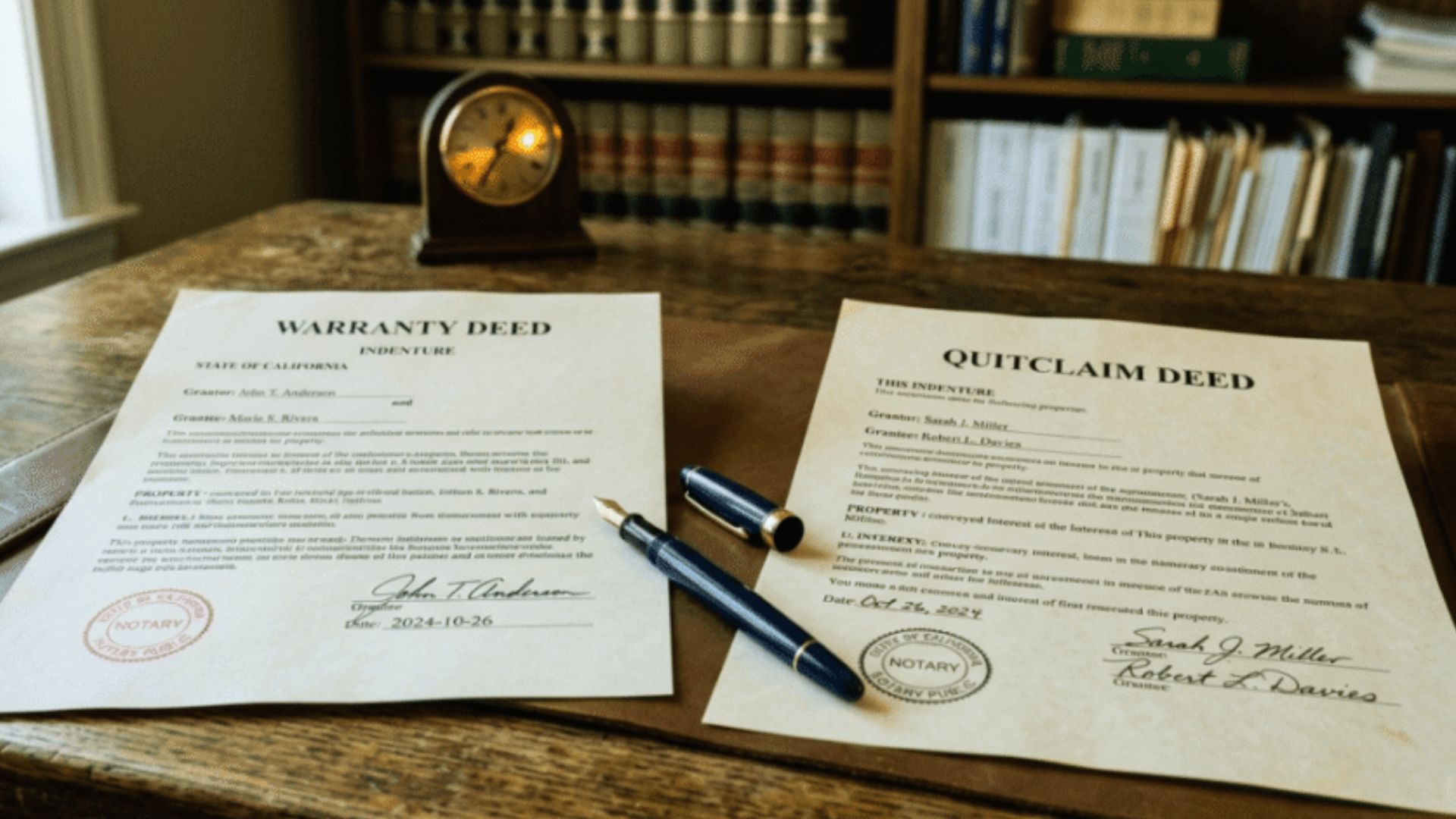
This usually happens through a new deed, often a quitclaim deed or a warranty deed, that lists both names.
Once it's signed and recorded, your child becomes a co-owner. That means they have a say in the property, even if they never paid a cent toward it.
Many parents do this thinking it will make things easier later. But it can create tax bills, legal exposure, and family disputes if it's not planned out carefully.
The sections below cover exactly what to expect.
Tax Rules Behind Adding a Child to a Deed

Here is where the real costs start to show up.
Is Adding a Child to a Deed a Gift?
Yes, in most cases, the IRS treats this as a gift. You are giving away part ownership of your home while you're still alive.
That gift has a value, and it may need to be reported on your taxes.
Gift Tax Reporting and the Lifetime Exemption
If the value of the share you give exceeds the yearly gift tax exclusion, you'll need to file a gift tax return using IRS Form 709.
Most people won't owe tax right away. This is because of the lifetime gift and estate tax exemption, which sits at a historically high level for 2026.
Still, using part of that exemption now reduces what's left for your estate later. It's a trade-off, not a free pass.
Capital Gains Tax and Carryover Basis
Your child inherits your original cost basis, not the current market value. This is called a carryover basis.
If they sell the home later, they could owe a large capital gains tax based on that gap.
This is one of the most overlooked costs of adding a child to a deed. It often surprises families years after the deed is signed.
Step-Up in Basis at Inheritance
If your child inherits the home after you pass instead, they get a step-up in basis to the current market value.
This can save them a large amount in capital gains tax. Gifting during your lifetime skips this benefit completely.
Estate, Inheritance, and Property Tax Notes
Some states charge inheritance tax based on who inherits the property. Adding a child while you're alive may or may not lower your taxable estate.
It depends on your state and your total estate value.
A few states also reassess property taxes when ownership changes. This can affect a homestead exemption if your child doesn't live in the home with you.
Always check your local rules before signing anything.
Legal Risks Beyond Taxes

Taxes are only part of the story. The legal risks can be bigger.
Loss of Full Control Over the Property
Once your child is a co-owner on the deed, you can't sell or refinance without their approval. This can create problems if you need to move, downsize, or borrow against your home.
That loss of control catches many parents off guard.
Exposure to Creditors and Lawsuits
If your child gets sued or falls behind on debts, your home could become part of that mess. Their creditors may be able to place a lien on the property you share.
This risk exists even if you had nothing to do with the debt.
Divorce and Bankruptcy Risks
If your child goes through a divorce, your home could be treated as a shared asset. The same risk applies if they file for bankruptcy.
Your property could get pulled into their legal troubles.
Family Conflicts With Multiple Children
Adding one child to the deed can create tension with siblings. It may look like favoritism, even if that wasn't your intent.
This can lead to family conflict down the road.
How Adding a Child Affects Medicaid Eligibility

This move can quietly affect your future care options.
The Five-Year Look-Back Period
Medicaid has a five-year look-back period for asset transfers. Adding your child to the deed counts as a transfer.
This can delay your eligibility if you need long-term care later.
Why This Matters for Long-Term Care
Nursing home care is expensive, and Medicaid often helps cover it. If you've transferred assets recently, you may face a penalty period with no coverage.
Planning avoids this problem.
Ways to Transfer Property to a Child

There's more than one way to pass down a home. Each option comes with its own trade-offs.
Quitclaim Deed
This is a quick way to transfer ownership without guarantees on the title. It's common between family members but offers little legal protection.
Most parents use it because it's fast and cheap.
Warranty Deed
A warranty deed guarantees the property is free of liens or claims. It offers more protection than a quitclaim deed.
Lenders and title companies often prefer it, though it's less common for family transfers.
Joint Tenancy With Right of Survivorship
This lets the property pass automatically to the surviving owner. It avoids probate but comes with the same tax and legal risks as adding a child directly.
The co-ownership issues covered earlier still apply here.
Transfer-on-Death Deed
This deed lets you keep full control while you're alive. Ownership only transfers after you pass, and it skips probate in states that allow it.
Your child has no rights to the property until then.
Lady Bird Deed
This is a special version of a transfer-on-death deed, sometimes called an Enhanced Life Estate Deed.
It gives you the right to sell or change your mind anytime, with no gift tax consequences. It's especially common in states like Florida.
Living Trust
A living trust holds your property and passes it to your child based on your instructions. It avoids probate and offers more control than a deed change.
You can also update it anytime your wishes change.
Choosing the Right Alternative for Your Family

Every family situation is different. What works for your neighbor may not work for you.
Revocable Living Trust
A living trust, covered above, lets you keep control while you're alive. After you pass, it transfers smoothly without probate or a big tax hit for your child.
It also keeps your affairs private, unlike probate.
Last Will and Testament
A will lets you leave the property to your child after you pass. It goes through probate but avoids the risks tied to shared ownership while you're alive.
It's also the easiest option to update as your life changes.
Talking It Through With Your Family
Take time to talk with your child about what you're planning and why. Get real numbers from a professional instead of guessing.
A short conversation now can save your family thousands of dollars and a lot of stress later.
When Does Adding a Child to a Deed Make Sense?

Sometimes it works, but only in specific situations.
When It May Be Appropriate
It can make sense for very small estates with no other assets. It can also work when the tax and legal risks are fully understood and accepted by both parties.
These cases are the exception, not the rule.
When You Should Avoid It
Avoid it if you have multiple children, own valuable property, or may need Medicaid in the future. In these cases, the risks usually outweigh the convenience.
A professional can help you weigh your specific numbers.
Pros and Cons of Adding a Child to a Deed

| Adding a Child to a Deed | Details |
| Avoids probate | Yes, property passes directly to your child |
| Simple to set up | Yes, often just a new deed and recording fee |
| Gift tax exposure | Likely, if value exceeds the annual exclusion |
| Capital gains risk | High, due to carryover basis instead of step-up |
| Control over property | Reduced, since your child becomes a co-owner |
| Creditor and divorce exposure | Yes, your child's issues can reach the home |
| Medicaid look-back impact | Yes, counts as a transfer for eligibility rules |
Tips Before Adding a Child to a Deed
A few smart moves can save you from costly mistakes.
- Review your full estate plan before making any changes to the deed
- Understand how capital gains tax could affect your child later
- Think about your child's financial situation and any debts they carry
- Compare a deed change against a trust, will, or transfer-on-death deed
- Talk to an estate planning attorney, a tax professional, and a financial advisor first
Conclusion
Adding a child to your deed feels like the easy choice, but it carries real tax and legal risks. Gift tax rules, capital gains exposure, and Medicaid look-back rules can all affect your family later.
Many homeowners find that a trust, a will, or a transfer-on-death deed protects their property better.
Talk to an estate planning attorney and a tax professional before you sign anything.
A short conversation now can save your child a painful tax bill down the road. Weigh your options first, then choose the path that fits your family and protects your home.
Frequently Asked Questions
Does adding a child to a deed avoid probate?
Yes, it can avoid probate since the property already has a co-owner. But it comes with tax and legal risks that a trust or will may avoid.
Can I remove my child from the deed later?
It's possible, but your child must agree and sign off on the change. This can get complicated if your relationship changes.
Will adding my child affect my Medicaid eligibility?
Yes, it can count as an asset transfer under Medicaid's look-back rules. This may delay your eligibility for long-term care coverage.
Is a Lady Bird deed better than adding a child directly?
For many families, yes. It offers more flexibility and avoids the gift tax issues tied to a direct deed change.
Should I talk to a lawyer before changing my deed?
Yes, always. A lawyer, a tax professional, and a financial advisor can help you avoid costly mistakes and pick the option that fits your family best.