Planning for the future can feel confusing, especially when legal terms start flying around. I get it.
When I first looked into estate planning, I had no idea where to start.
So in this article, I want to break down what is the difference between a will and a trust in a way that actually makes sense.
I will cover how each one works, what they can and cannot do, and when you might need one or both.
I spent time researching this and want to share what I found so you can make a smarter decision for your family.
With years of estate planning research experience, I know what works. By the end, you will know which option fits you best.
What Is a Will?

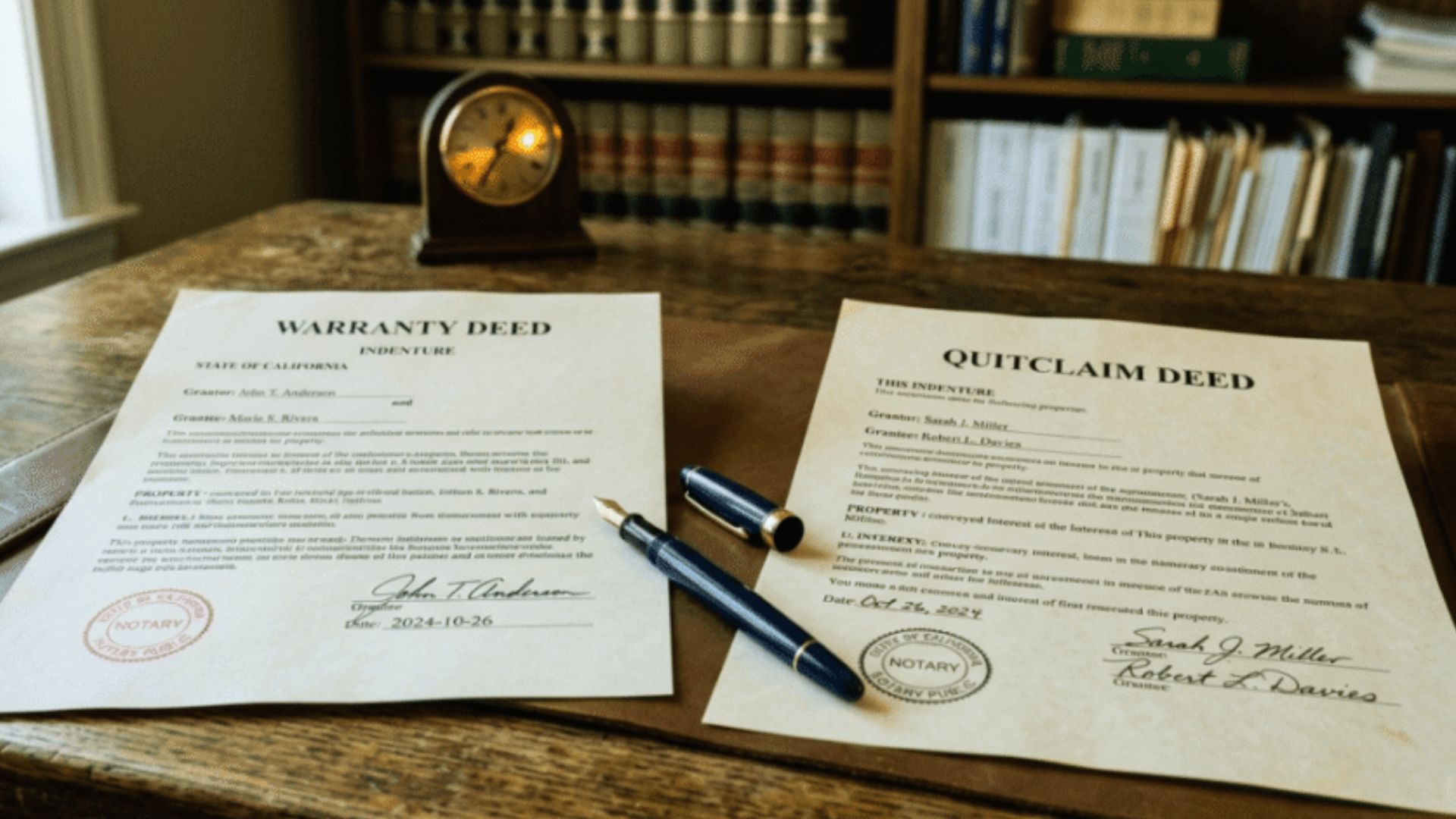
A will is a legal document that tells people what you want done with your belongings after you die. You name someone to carry out those wishes. That person is called an executor. You can also use a will to name a guardian for your children.
What a Will Can Do
A will lets you do several things:
- Leave your assets to specific people.
- Name a guardian for your minor children.
- Specify your funeral or burial preferences.
- Name an executor to manage your estate.
What a Will Cannot Do
A will cannot avoid probate. Probate is the court process that reviews and approves your will. It can take months. It can also cost money.
A will cannot manage your assets while you are still alive. It only takes effect after you pass away. It also does not offer much privacy, since it becomes a public record.
What Is a Trust?
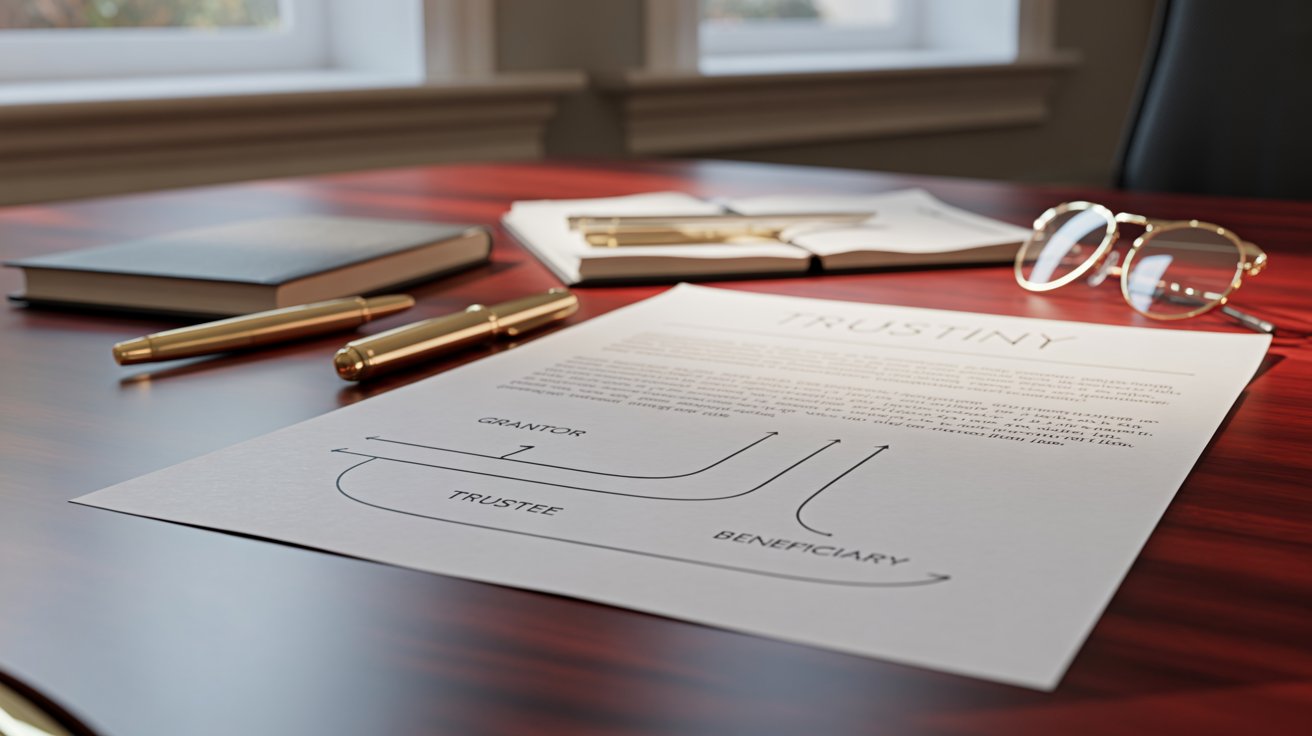
A trust is a legal arrangement where you place your assets into a structure managed by someone you choose. That person, called a trustee, manages the assets on behalf of your beneficiaries. The assets then pass without going through court.
Key Parties in a Trust
There are three main parties involved in a trust:
- The grantor: the person who creates and funds the trust.
- The trustee: the person who manages the assets inside the trust.
- The beneficiary: the person who receives the benefits of the trust.
What a Trust Can Do
A trust can skip the probate process entirely. It can also manage your assets if you become unable to do so yourself.
A revocable living trust, for example, goes into effect right away. Some trusts can also help reduce estate taxes for larger estates.
What Is the Difference Between a Will and a Trust?
Both documents help you pass on assets, but they work in very different ways.
Quick Comparison Table
| Feature | Will | Trust |
|---|---|---|
|
Requires probate |
Yes |
No |
|
Becomes public record |
Yes |
No |
|
Works while you are alive |
No |
Yes |
|
Manages assets after death |
Yes |
Yes |
|
Setup cost |
Lower |
Higher |
|
Privacy level |
Low |
High |
The table above gives you a quick snapshot, but the details behind each difference really matter.
Key Differences Between a Will and a Trust
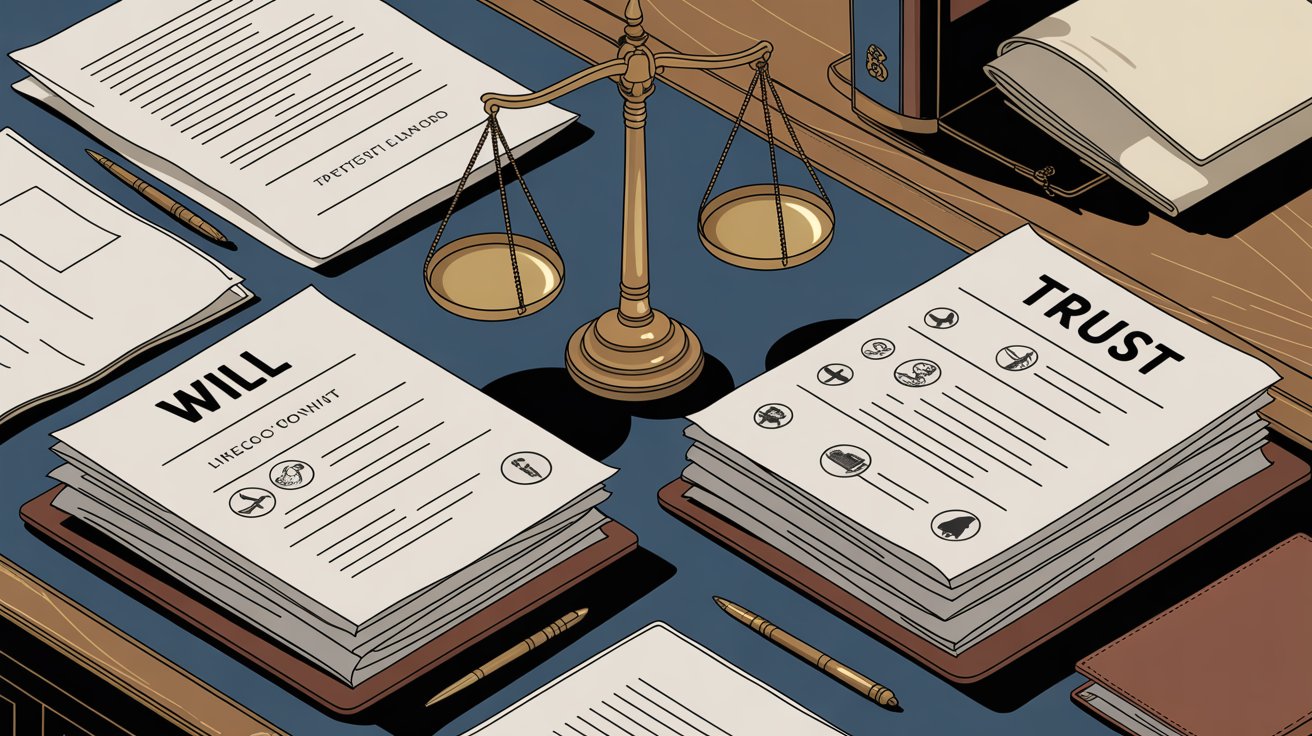
Knowing where these two documents part ways helps you choose the right one for your situation.
Probate Process
A will must go through probate. A trust does not. This is the single biggest difference between the two. Probate can be slow and expensive, often taking six months to over a year. A trust lets your loved ones access assets much faster.
Privacy
A will becomes public record after probate. Anyone can look it up. A trust stays private. No one outside of the trust needs to know what is in it or who receives what.
Control Over Assets
A will only works after you die. A trust can work while you are alive. If you become ill or mentally incapacitated, a trust lets your trustee step in right away without any court involvement.
Timing of Asset Management
A will transfers assets after death. A trust can manage and distribute assets at any time, even years after you pass. You can also set specific conditions. For example, you might say a child only receives funds when they turn 25.
Cost and Complexity
A will is simpler and cheaper to set up. A trust takes more time and costs more upfront. But a trust can save money in the long run by helping your family avoid costly probate fees.
When You Might Need a Will
A will might be the right starting point for you if:
- You have minor children and need to name a guardian.
- You have a simple estate with few assets.
- You are just starting your estate planning.
- You want to keep the process simple and affordable.
Most people should have at least a basic will. It is a solid foundation for any estate plan.
When You Might Need a Trust
A trust makes more sense in situations like these:
- You own property in more than one state.
- You want to avoid probate for your heirs.
- You want to keep your estate details private.
- You have a large or complex estate.
- You want to plan ahead for possible incapacity.
Can You Have Both a Will and a Trust?
Yes, and many people do. A trust handles most of your assets. A will covers anything that did not make it into the trust.
This is often called a pour-over will. It catches any leftover assets and moves them into your trust after you pass.
Having both gives you more complete coverage. It also fills in any gaps your trust might leave behind.
Pros and Cons of Wills vs Trusts
Each option has real strengths and real drawbacks, so it helps to see them laid out side by side.
Pros of a Will
- Simple and fast to create.
- Less expensive upfront.
- Lets you name a guardian for your children.
- Works well for people with modest estates.
Cons of a Will
- Goes through probate court.
- Becomes public record.
- Cannot manage your assets while you are alive.
- Can take months or longer to settle.
Pros of a Trust
- Avoids probate entirely.
- Keeps your estate details private.
- Works while you are alive and after you die.
- Can include conditions for how beneficiaries receive assets.
Cons of a Trust
- More expensive to set up than a will.
- Takes more time and paperwork to create.
- Assets must be titled in the trust’s name to be effective.
- Can be more complex to manage over time.
Common Misconceptions About Wills and Trusts
A lot of people think a will avoids probate. It does not. The court still has to review it before your assets move to your heirs.
Some people assume trusts are only for the wealthy. That is not true. Anyone who owns a home, has dependents, or wants more control over their estate can benefit from one.
Others think a trust completely replaces a will. It does not. A will still covers things your trust may miss, like naming a guardian for children.
And many people think setting up a trust is too complicated. With a good estate planning attorney, the process is much more straightforward than most expect.
Conclusion
So there you have it. A will and a trust serve different purposes, but both are important tools for planning your future.
A will is simpler, more affordable, and great for naming guardians. A trust offers more control, skips probate, and keeps your affairs private.
I personally believe everyone should at least have a basic will in place. And if you have more complex needs, adding a trust makes a lot of sense.
The right choice depends on your specific situation and goals.
It is always smart to talk to an estate planning attorney before deciding. They can help you figure out what works best for your family.
So tell me, have you already started your own estate plan?
Frequently Asked Questions
Does a will avoid probate?
No, a will does not avoid probate. The court must review and approve it before your assets are passed on to your heirs.
Can I change my trust after I create it?
A revocable living trust can be changed or canceled at any time while you are alive. An irrevocable trust, however, is much harder to modify once it is set up.
What happens if I have a will but no trust?
Your estate goes through probate, which can take months and cost money. Your loved ones will still get their inheritance, but the process takes longer and becomes public.
Is a trust only useful for wealthy people?
Not at all. Anyone who owns a home, has children, or wants to skip probate can benefit from a trust. It is not just for people with large estates.
Do I need a lawyer to set up a will or trust?
A lawyer is not legally required in all states, but it is highly recommended. An attorney helps make sure your documents are valid and fully cover your intentions.