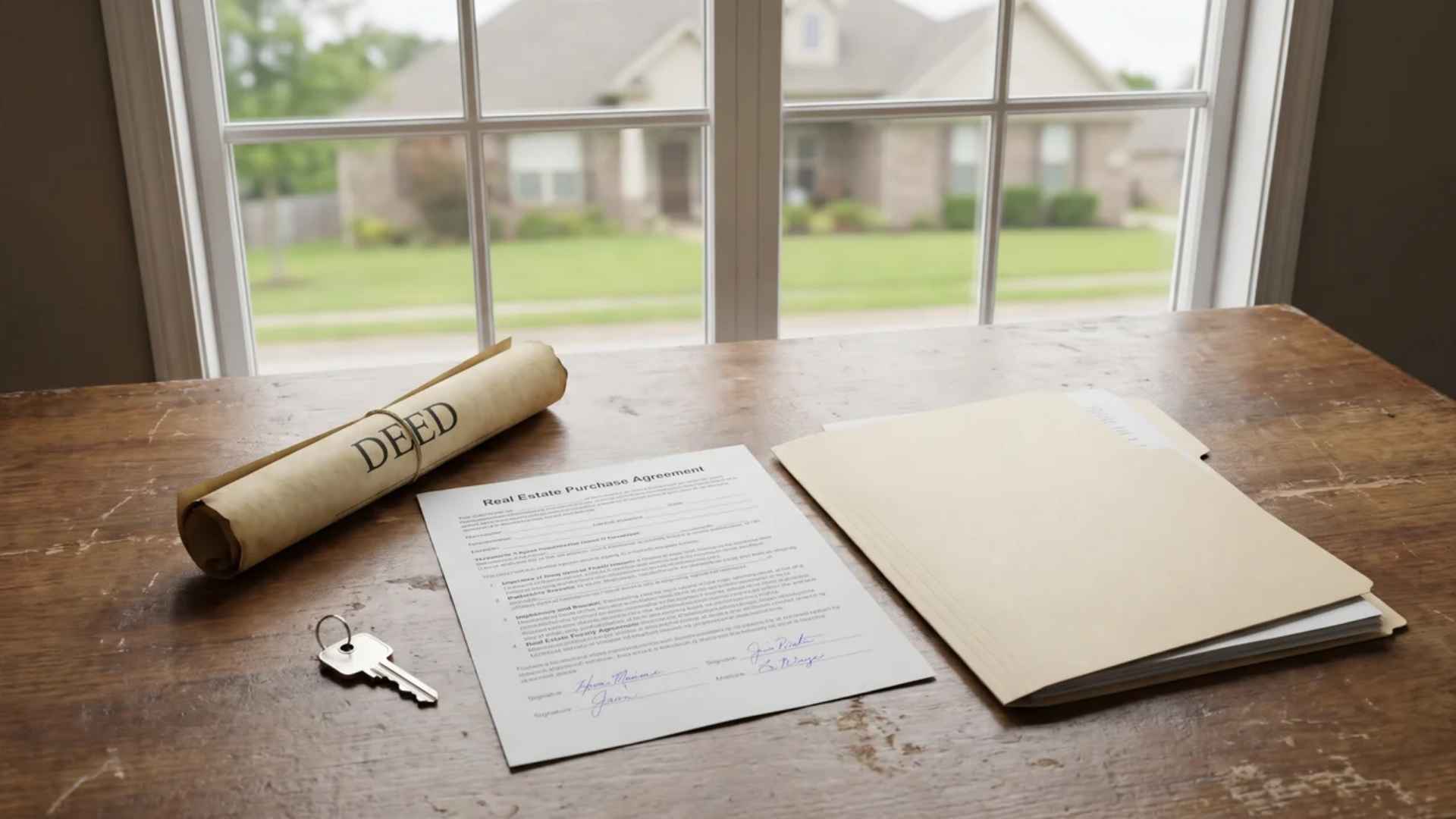


Most people sign one document and assume the whole estate is handled. Then a house deed, a retirement form, or a missing guardian clause quietly undoes the plan.
So, what is the difference between a will and a trust? It is less about the paper and more about who owns your assets and when that ownership starts working.
That one point decides what a court sees, what stays private, and who steps in if you can’t act. It also explains why many families end up needing both.
Disclaimer: This guide explains how wills and trusts work in general. It is not legal advice. Probate rules, witness requirements, and trust laws vary by state, and one wrong title or beneficiary form can change who inherits. An estate planning attorney in your state can check your documents against your actual assets.
What is the Difference Between a Will and a Trust?
A will gives instructions for what happens after you die.
A trust holds assets under its own ownership, both during your life and after.
Think of it this way: a will speaks only once you’re gone. A trust can start working as soon as you fund it.
A will covers only assets still in your name at death. It names an executor to carry out your wishes. It also names guardians for any minor children.
A trust is a legal arrangement. A trustee holds assets for your beneficiaries. Once you fund it, the trust owns those assets, not you.
That ownership point is the real divide. People use the two terms as if they mean the same thing, but they don’t.
A revocable living trust is the type most comparisons mean. You can change it while you’re alive. An irrevocable trust is another kind, with stricter rules.
Will Vs Trust: Quick Comparison Chart
The table below shows how a will and a trust differ on the points people ask about most. The next section explains why each row works the way it does.
| Feature | Will | Trust |
| Takes effect | After death | When funded, and continues after death |
| Who carries it out | Executor | Trustee |
| Plan if you become incapacitated | None | Successor trustee steps in |
| Probate | Goes through probate | Usually avoided for funded assets |
| Privacy | Public record after probate | Stays private |
| Names a guardian for minor children | Yes | No |
| Assets it covers | Assets in your name alone | Assets retitled into the trust |
| Setup effort and cost | Generally lower | Generally higher upfront |
Accounts with a named beneficiary pass outside both documents. The beneficiary designation controls them.
How Do Wills and Trusts Differ on Control, Probate, and Privacy?

Every practical difference comes back to one thing: who owns the assets. A will works on what you still own at death. A trust works on what it already owns.
Who Is in Control, and When?
A will only takes effect at death. A trust can start working right away.
If you become incapacitated, a will offers no plan. A court may appoint a guardian or conservator to manage your affairs.
A trust handles this differently. A successor trustee steps in and keeps things running.
With a revocable trust, you serve as your own trustee while you’re alive. Nothing changes day to day until you can’t act.
Does a Trust Really Avoid Probate?
A trust avoids probate only for assets that have been moved into it.
That process takes time and costs money. It often runs for months, and court and attorney fees come out of the estate. Timing and cost vary by state and by how complex the estate is.
A trust skips that process, but only for what it holds. Moving an asset into the trust is called funding. It means retitling the asset, such as a house deed, in the trust’s name. An unfunded trust does very little.
Say you sign the trust papers but never retitle your house. That house is still in your name.
Anything left out falls to a pour-over will. This is a backup will that sends leftover assets into the trust. But those assets still go through probate first.
They also become public record. The privacy you wanted only covers what you actually funded.
What Can Neither Document Control?
Accounts with a named beneficiary pass outside both a will and a trust.
Retirement accounts and life insurance work this way. They go to whoever is named on the form, not whatever your will says.
Jointly owned assets with survivorship rights also skip both documents. They pass to the surviving owner.
Guardianship is the other gap. Only a will can name a guardian for minor children. A trust can’t replace that.
So when you change either document, check your beneficiary forms and how your assets are titled.
Which Costs More and Takes More Work to Set Up?
A will generally costs less and is simpler to set up, while atrust costs more upfrontand needs ongoing upkeep.
A will is usually quick. You sign it with witnesses, and the rules for that vary by state.
A trust takes more work. An attorney drafts it, then you retitle your assets into it. That’s the funding step.
It also needs upkeep. If you buy a house or open an account later, you have to retitle that too.
DIY services can work for a simple will. For a trust, sources disagree on whether DIY is ever wise.
If your estate is complex, an estate planning attorney is the safer route. Funding mistakes are easy to make and hard to spot.
A new bank account opened in your own name, for example, never enters the trust unless you retitle it.
Do You Need a Will, a Trust, or Both?

The right choice depends on what you own, who depends on you, and how much you want to avoid probate. Here is how to tell which one fits your situation.
When Is a Will Enough?
A will is often enough for a simple estate, and it is the only document that names a guardian for minor children.
If your assets are modest and your wishes are straightforward, a will does the job. You name an executor to carry out your instructions.
Without any will, you die intestate. State law then decides who inherits and who raises your minor children.
When Does a Trust Make Sense?
A trust fits people who want to avoid probate, keep details private, or plan for incapacity.
It suits larger or complex estates, and blended families who need clear rules. A will becomes public record, but a trust stays private.
A trust can also manage your assets if you become incapacitated. It can set conditions on when beneficiaries get money.
A revocable living trust stays flexible, so you can change it anytime. It does not cut estate taxes, because you still control the assets.
An irrevocable trust can lower estate taxes and protect assets from creditors. The trade-off is that you give up control, and it is hard to undo.
Most estates fall under the federal estate tax limit. Some states set lower limits, so check yours..
Why Do Many People Use Both?
Many people pair a revocable living trust for major assets with a pour-over will as a safety net.
The trust holds your big assets. The pour-over will catches anything you forgot and names guardians for your children.
This is one plan, not duplication, since the two documents do different jobs. One catch matters: a pour-over will does not skip probate on its own.
Anything it catches still goes through court first. Funding the trust well keeps that pile small.
What Should You Do Before You Decide?
The best first step is to list your assets, check how each is titled, and choose who you would trust in each role. That gives you something concrete to bring to a professional.
Here is what to pull together before any meeting:
- Your assets: Write down your real estate, bank and investment accounts, retirement accounts, and insurance policies.
- Titling and beneficiaries: Note how each asset is titled and who is named as beneficiary. A beneficiary designation often overrides what your will says, and retitling may be needed later.
- Your people: Decide who you would trust as executor, trustee, and guardian for minor children.
Take this list to an estate planning attorney. Rules on witnesses, probate, and trusts vary by state, so local advice matters.
Final Takeaway
So, what is the difference between a will and a trust? A will speaks once you’re gone. A trust starts working while you’re still here.
The bigger lesson sits underneath that. Neither document does the job alone. What counts is whether your assets, beneficiary forms, and guardian choices all point the same way.
You don’t need to settle every question today. You just need a clear list and a few honest answers. Start with your asset list. Then take it to an estate planning attorney in your state.
Frequently Asked Questions
Can a Will Be Contested After Someone Dies?
Yes. Family members or others with a legal interest can challenge a will in court. Common grounds include undue influence, lack of capacity, or improper signing. Rules and deadlines vary by state.
Can You Write Your Own Will Without a Lawyer?
In many states, yes, if you follow signing and witness rules. A handwritten or online will can work for simple estates, but mistakes can make it invalid. Requirements vary by state.
Do You Have to Tell Your Beneficiaries What Is in Your Will or Trust?
No. You are generally not required to share the details while you are alive. Many people still talk with key family members early to avoid surprises and disputes later.
How Often Should You Update Your Will or Trust?
Review it every few years and after major life events. Marriage, divorce, a new child, or a big change in assets are common triggers. Outdated documents can cause unintended results.
What Happens to a Will or Trust if You Move to Another State?
Most wills and trusts stay valid after a move. Still, state laws differ on witnesses, taxes, and probate, so it is smart to have an attorney review them.