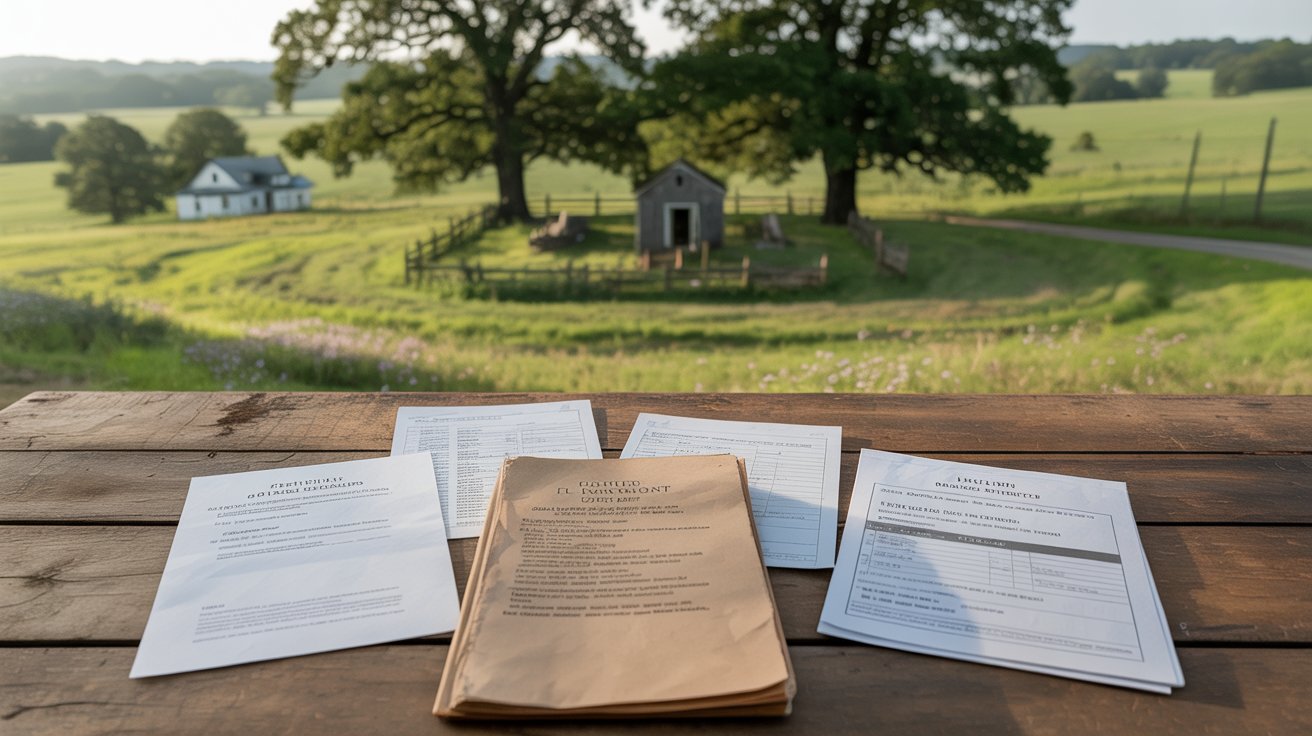
Anyone buying a home, adding a family member to a property title, or settling an estate needs to choose the right deed as part of the transfer.
Different deeds provide different legal guarantees, and selecting the wrong one can lead to ownership disputes, title problems, or unexpected legal costs later.
This guide explains the most common types of deeds in plain language, compares how they work, and shows when each one is appropriate.
Understanding these options before signing makes it easier to complete a property transfer with confidence and avoid common mistakes.
What Are the Main Types of Deeds?

Property deeds all transfer ownership, but they do not provide the same legal rights or guarantees.
Understanding the differences helps you choose the right deed for your situation and reduces the risk of future title disputes.
General Warranty Deed
A general warranty deed provides the highest level of legal protection available to a buyer. The seller guarantees that they legally own the property and that the title is free from defects throughout the property's entire ownership history.
These guarantees generally cover undisclosed liens, encumbrances, and other ownership claims that may affect the property's title. If an older title issue later appears, the seller may remain legally responsible for resolving it.
Because of these broad guarantees, this deed is commonly used in traditional residential home sales where buyers want the greatest level of security.
Special Warranty Deed
A special warranty deed provides more limited assurances than a general warranty deed.
The seller guarantees that they did not create any title defects during the time they owned the property but makes no promises about earlier owners.
Buyers receive some protection, but any issues, liens, or encumbrances that existed before the seller acquired the property remain their responsibility.
This deed is frequently used in commercial real estate transactions and business property sales.
Quitclaim Deed
A quitclaim deed transfers whatever ownership interest the grantor currently has without guaranteeing that they actually own the property or that the title is free of defects.
Because no warranties are provided, quitclaim deeds are generally used when the parties already trust one another.
They are commonly used for transfers between family members, divorce settlements, estate planning, or correcting errors on an existing deed rather than for traditional home purchases.
Since buyers receive no guarantees, many choose to complete a title search and purchase title insurance before accepting the transfer.
Bargain and Sale Deed
A bargain and sale deed indicates that the seller has legal ownership of the property but does not guarantee that the title is free from liens or other claims.
It provides more assurance than a quitclaim deed but less than a warranty deed. This type of deed often appears in foreclosure sales, tax sales, and certain estate transactions where the seller has authority to transfer the property but cannot fully guarantee its history.
A title search and title insurance can help reduce the risks associated with unknown ownership defects.
Grant Deed
A grant deed offers limited legal assurances to the buyer. The seller confirms they have not transferred the property to anyone else and that they have not created undisclosed liens while they owned it.
Unlike a general warranty deed, it does not protect against title defects that existed before the seller became the owner. Grant deeds are commonly used in states such as California for many residential property transactions.
Trustee's Deed
Buyers should carefully review the property's ownership records before purchasing property transferred through a trustee's deed.
The trustee acts in a fiduciary role rather than as the property's personal owner, so the deed usually provides fewer guarantees regarding title history.
Buyers should review the property's title carefully because the trustee may have limited knowledge of previous ownership issues.
A title search is especially important before purchasing property transferred through a trustee's deed.
Deed of Gift
A deed of gift transfers ownership without requiring payment from the recipient. It is commonly used when parents transfer property to children, when family members make gifts, or when real estate is donated to a charitable organization.
Although money does not change hands, the transfer may still have legal or tax consequences. Proper documentation and compliance with state laws help ensure the transfer is completed correctly.
Executor's Deed
An executor's deed transfers property from a deceased person's estate to a beneficiary or buyer during probate. The executor signs the deed under authority granted by the court or the deceased person's will.
Rather than guaranteeing the condition of the title, the deed primarily confirms that the executor has legal authority to complete the transfer according to applicable probate laws.
Buyers may still benefit from a title search before completing the purchase.
Comparison of Different Types of Deeds
Choosing the right deed depends on the level of legal protection you need and the type of property transfer involved.
The table below compares the most common deed types, their guarantees, typical uses, and potential risks to help you understand the differences.
| Deed Type | Legal Protection | Best Used For | Main Guarantee | Potential Risk |
| General Warranty Deed | Highest | Standard home purchases | Covers title defects throughout the property's ownership history | Lowest risk for buyers |
| Special Warranty Deed | Moderate | Commercial property sales | Covers only the seller's ownership period | Earlier title defects remain uncovered |
| Quitclaim Deed | None | Family transfers, divorce, correcting title errors | Transfers only the grantor's ownership interest | No guarantee of ownership or clear title |
| Bargain and Sale Deed | Low to Moderate | Tax sales, foreclosure sales, estate transfers | Implies the seller owns the property | Existing liens or ownership claims may remain |
| Grant Deed | Moderate | Residential sales in certain states | Seller has not transferred the property before or created hidden liens | Earlier title issues are not covered |
| Trustee's Deed | Low | Trust administration and foreclosure | Trustee has authority to transfer the property | Limited knowledge of title history |
| Deed of Gift | None | Gifts to family members or charities | Transfers ownership without payment | Possible tax and documentation issues |
| Executor's Deed | Low to Moderate | Probate and estate administration | Executor has legal authority to transfer the property | Protection depends on the estate's title history |
Which Deed Should You Choose?

The best deed depends on why you are transferring the property, who is involved, and how much title protection the recipient needs.
Matching the deed to your situation helps reduce title risks and prevents unnecessary legal complications.
Buying a Home
A general warranty deed is usually the best option for a traditional home purchase because it provides the broadest legal guarantees.
The seller promises the title is free from defects throughout the property's ownership history, giving buyers greater confidence before closing. Many mortgage lenders also prefer this deed because it offers stronger protection against future title claims.
Even with these guarantees, title insurance can help cover certain financial losses if an unexpected title issue appears after closing.
Transferring Property to a Family Member
A quitclaim deed is commonly used when transferring property between close family members because the parties generally already trust one another. It allows ownership to pass quickly without requiring extensive title warranties.
This approach is often used for gifts, adding or removing a family member from the title, or transferring property between parents and children.
Even in family transfers, everyone should understand that the deed does not guarantee a clear title.
Divorce or Separation
During a divorce, a quitclaim deed is frequently used when one spouse gives up their ownership interest in the marital home. The deed transfers that interest to the other spouse without guaranteeing the title's condition.
Courts often require this step as part of the property settlement to ensure ownership records accurately reflect the final agreement.
If the property has a mortgage, the deed transfer does not automatically remove either spouse from the loan.
Estate Planning and Inheritance
Estate transfers often involve either an executor's deed or a deed of gift, depending on when the transfer occurs.
An executor's deed is generally used after the owner's death during probate, while a deed of gift allows property to be transferred during the owner's lifetime without payment.
Choosing the appropriate deed depends on the estate plan and the legal authority behind the transfer. Reviewing estate documents before signing helps prevent delays during probate.
Commercial Real Estate Transactions
Special warranty deeds are widely used in commercial real estate because they limit the seller's responsibility to the period during which they owned the property.
This approach balances buyer protection with the seller's desire to avoid liability for issues that existed before they acquired the property.
Buyers often review the property's title carefully and purchase title insurance to help reduce the risks associated with earlier ownership defects.
How to Choose the Right Deed
Choosing the right deed requires more than selecting a familiar name. Reviewing a few key factors before signing can help you avoid ownership disputes and unexpected legal expenses.
- Consider the level of title protection: Think about how many title guarantees you want from the seller before choosing a deed. If you're buying from someone you don't know, stronger warranties generally offer better protection, while transfers between trusted family members may only require limited guarantees.
- Understand state requirements: Property deed laws differ by state, including the deed types accepted, required legal language, and recording procedures. Review your state's rules or check with the local county recorder's office to ensure the deed meets all legal requirements before filing.
- Verify ownership before signing: Confirm that the seller has the legal authority to transfer the property before signing any documents. A title search can reveal liens, ownership disputes, easements, unpaid taxes, or other issues that could affect your ownership after closing.
How to Transfer Property Using a Deed

Transferring property involves more than signing a document. Completing each step correctly helps ensure the ownership transfer is legally valid and properly recorded.
Prepare the Correct Deed
Begin by selecting the deed that matches your situation. The document should include the grantor's and grantee's names, the property's complete legal description, and the required granting clause showing the owner's intent to transfer the property.
Carefully reviewing this information before signing helps prevent recording delays and future ownership disputes.
Sign and Notarize the Deed
Most states require deeds to be signed in the presence of a notary public before they can be recorded. Proper notarization helps verify the identities of the parties and reduces the risk of fraud.
Always check your state's signing requirements because they may differ depending on the type of deed and local recording rules.
Record the Deed
After signing, file the deed with the local county recorder or land records office. Recording places the transfer in the public record and helps establish the new owner's legal interest in the property.
Delaying this step may increase the risk of ownership disputes or competing claims. Proper recording also makes future property transactions easier to complete.
What Happens If You Use the Wrong Deed?
Using the wrong deed can create legal and financial problems even when both parties intended a valid property transfer. A buyer who accepts a quitclaim deed instead of a general warranty deed may receive little or no protection if an ownership dispute later arises.
Likewise, using a deed with unnecessary warranties during a simple family transfer can increase costs without providing meaningful benefits.
Before completing the transfer, confirm that the deed matches the purpose of the transaction and provides the appropriate level of buyer protection. If the transfer involves significant value, multiple owners, or estate planning, consider working with a real estate attorney.
Professional guidance can help prevent expensive mistakes before the deed is recorded.
Common Mistakes With Property Deeds
Many deed-related problems result from avoidable mistakes during the transfer process. Understanding these common errors can help protect your ownership rights and prevent future disputes.
- Using a quitclaim deed for a home purchase: A quitclaim deed doesn't guarantee clear ownership or a clean title, so buyers who accept one during a traditional home purchase may have little legal protection if ownership problems appear later.
- Skipping a title search: Failing to check the property's title can leave buyers responsible for existing liens, easements, unpaid taxes, or competing ownership claims.
- Forgetting to record the deed: A signed deed should be recorded promptly with the appropriate county recorder's office. Recording protects the new owner's legal interest and provides public notice of the ownership change.
- Using the wrong deed for a family transfer: Selecting a warranty deed when a quitclaim deed would meet the parties' needs can increase costs and paperwork without adding meaningful value to the transaction.
- Leaving out required legal information: Errors in the legal description, missing signatures, or omitted state-required language can delay recording or create questions about the deed's validity.
- Ignoring existing mortgages or liens: Transferring ownership doesn't automatically remove debts secured by the property, so buyers should understand any outstanding financial obligations before accepting the transfer.
Practical Tips Before Signing a Property Deed
Signing a property deed is an important legal step that should never be rushed. These practical tips can help you avoid errors and protect your ownership rights.
- Review the entire deed before signing, including the legal description, granting clause, and the names of the grantor and grantee, correcting mistakes before recording is much easier than fixing them afterward.
- Keep copies of the recorded deed along with your closing documents, mortgage records, and title insurance policy, so future property transactions are easier to handle.
- Verify that all names match official identification and that the property's legal description is accurate, since even small clerical errors can delay recording or create ownership questions later.
- Check your county's recording requirements before filing the deed, especially the required forms, fees, and submission process.
- If the transfer involves estates, trusts, businesses, or multiple owners, consider consulting a real estate attorney before finalizing the transaction.
Conclusion
Understanding the different types of deeds helps you make informed decisions when transferring property.
Whether you are buying a home, gifting real estate to a family member, or settling an estate, selecting the correct deed can protect your ownership rights and reduce the risk of future disputes.
Before finalizing the transaction, choose the deed that fits your situation, investigate the property's title when appropriate, and record the document with the county recorder's office.
If the transfer involves legal complexity or significant value, a real estate attorney can help ensure everything is completed correctly.
Frequently Asked Questions
Can a deed be changed after it is recorded?
Yes. Once a deed is recorded, it generally cannot be edited directly. If a correction or ownership change is needed, a new deed or a legally accepted corrective deed is usually required to update the public record.
Do all deeds need to be notarized?
Most states require deeds to be notarized before they can be recorded. Because notarization rules vary by state, always confirm the requirements where the property is located before signing.
What happens if a deed is never recorded?
An unrecorded deed may still be valid between the parties involved, but it may not protect the new owner's interest against later buyers, creditors, or other claims. Recording the deed with the county recorder creates a public record of the ownership transfer.
Is a deed the same as a title?
No. A deed is the legal document used to transfer ownership of real property, while a title represents the legal ownership rights associated with that property. The deed transfers the title from the grantor to the grantee.
Can you transfer property without a deed?
Generally, no. A deed is the legal instrument used to transfer ownership of real property. The exact form and legal requirements vary by state, but a valid deed is typically necessary to complete the transfer.
Which deed offers the most protection to a buyer?
A general warranty deed provides the strongest legal assurances because it guarantees the property's title throughout its ownership history. If an undisclosed title defect later appears, the seller may be legally responsible for resolving the issue. This is why it is the most common deed used in traditional residential home sales.