
Buying a home with a spouse, family member, or friend raises an important question: who legally owns the property?
In common law property states, ownership usually depends on whose name appears on the title, not on marriage alone.
Understanding these rules can help you avoid disputes during a sale, divorce, or inheritance.
This guide explains how property ownership works in common law property states, the different ways to hold title, and how ownership can change over time.
You will also learn how marriage, gifts, inheritance, and estate planning affect property rights, so you can make informed decisions before buying, selling, or transferring real estate.
What Are Common Law Property States?
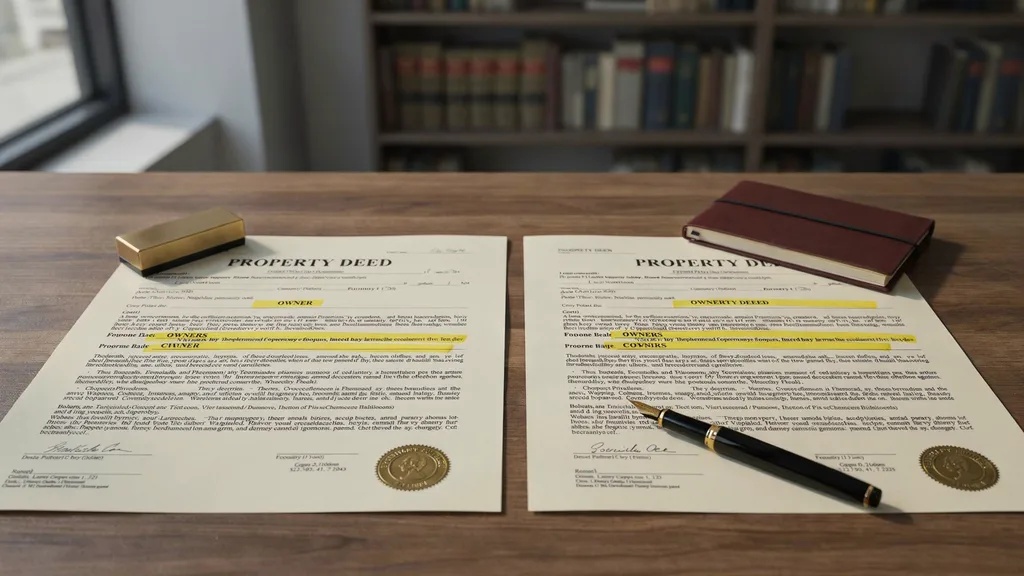
A simple look at how these states decide who owns property.
A common law property state is a place where ownership depends on whose name is on the title.
This is different from community property states, where most things bought during marriage belong to both spouses equally.
Knowing which type of state you live in changes how you should plan your property purchase.
In a common law state, if your name is on the deed, you own the property. If your spouse's name is also there, you both own it together.
If only one name is listed, that person is usually seen as the sole owner, even if the couple is married.
Most states in the U.S. follow this common law rule. Only a small group of states use community property rules instead.
When a marriage ends in divorce in a common law property state, courts often use equitable distribution to divide marital property fairly rather than equally.
Checking your state's rule early can prevent confusion during a sale, divorce, or estate matter.
Property Ownership Types in Common Law States

Four main ways people can hold title together or alone.
Sole ownership
One person's name appears on the title, and that person owns the property outright. They can sell, rent, or transfer it without needing permission from anyone else.
This is common for single buyers or for one spouse who bought the home before marriage.
Joint tenancy
Two or more people own the property together with equal shares. Joint tenancy comes with a right of survivorship.
This means if one owner dies, their share passes automatically to the other owner, skipping probate entirely.
Tenancy in common
Each owner holds a separate share of the property, and shares do not have to be equal.
There is no automatic right of survivorship, so a share can be passed on through a will to anyone the owner chooses.
This makes it flexible for people who are not married.
Tenancy by the entirety
This option is only for married couples in certain states. Both spouses are treated as a single legal owner under this rule.
It offers extra protection from creditors who are chasing only one spouse's debt.
How Property Ownership Is Determined

Title decides ownership more often than marriage does.
Ownership based on the property title
The name or names on the deed usually decide who owns the home. Courts look at the title first when there is a dispute between spouses or family members.
This makes it important to check the deed carefully before signing anything.
Buying property before marriage
Property bought before marriage generally stays separate, even after the wedding takes place.
The spouse who bought it keeps it as their own, unless they later add their partner's name to the title.
Some couples use a prenuptial or postnuptial agreement to spell this out in writing so there is no confusion later. Many couples forget to review this until a divorce or sale comes up.
Buying property during marriage
Property bought during marriage is called marital property, but it is not automatically shared in common law states.
Ownership still follows the title, no matter how long the couple has been married. If only one spouse signs the deed, that spouse is usually the legal owner.
Gifts and inherited property
Gifts and inheritances usually belong only to the person who received them, even during marriage.
This stays true unless the money or property is mixed with shared funds or the title is later changed. Keeping these funds separate protects them long-term.
Joint Property Ownership: Choosing the Right Option

Picking the right ownership type protects your interests later.
When joint tenancy is the best choice
Joint tenancy works well for couples or partners who want equal ownership and an easy transfer of property if one owner passes away.
It keeps things simple and avoids probate delays. Many married couples choose this option for their main home.
When tenancy in common makes sense
Tenancy in common suits people who are contributing different amounts of money or who want to leave their share to someone specific, like a child from a previous relationship.
It also works well for business partners or friends buying property together.
Benefits of sole ownership
Sole ownership gives one person full control over decisions about the property. There is no need to get approval from a co-owner before selling, refinancing, or making changes.
This can simplify decisions but also removes shared protection.
Factors to consider before adding a co-owner
Adding a co-owner changes legal rights permanently, so this step should not be rushed.
Think about trust, plans, and what happens if the relationship ends before making this decision. A short talk with an attorney can clear up any doubts.
Property Ownership Rules for Married Couples
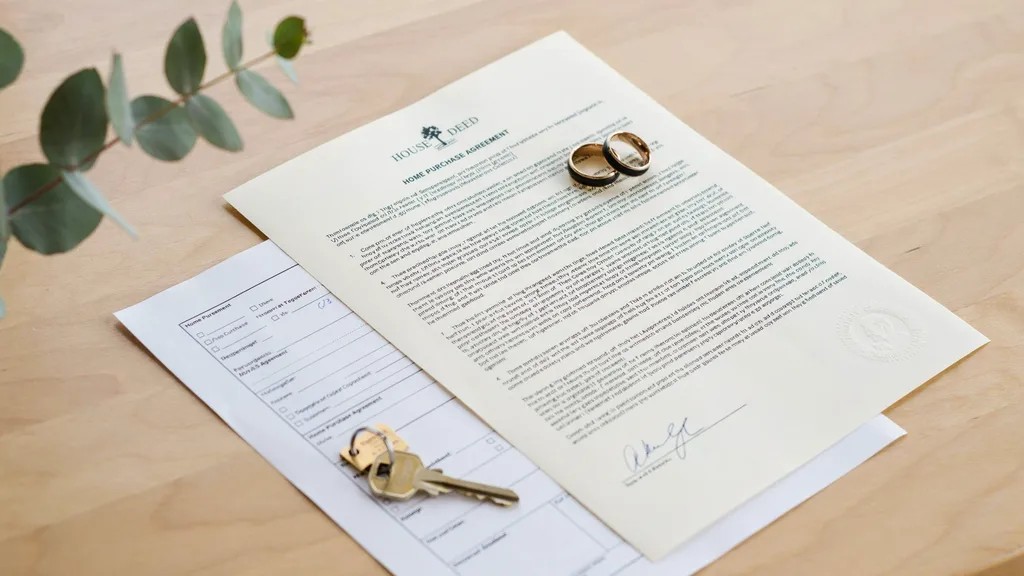
Marriage alone does not automatically split ownership equally.
What belongs to one spouse
Property owned before marriage, along with personal gifts and inheritances, generally stays with that spouse alone as separate property.
This remains true as long as it is not mixed with shared accounts or added to a joint title. Keeping records helps prove this later if needed.
When property becomes jointly owned
Property becomes jointly owned when both names appear on the title or deed.
Couples can choose to add a spouse's name at any time, which changes the ownership structure going forward.
This step often happens after a wedding or a home refinance.
How commingled assets affect ownership
When separate money is mixed with shared funds, courts may treat it as jointly owned.
This is called commingling, and it can make it harder to prove property should stay separate. Keeping clear records of where money came from can help avoid this problem.
Buying, Selling, and Transferring Property

Selling or transferring property requires agreement from every listed owner.
Selling jointly owned property
All owners named on the title usually need to agree and sign before a jointly owned property can be sold.
One owner cannot sell the whole property without the other's consent. This rule protects every listed owner equally.
Transferring ownership through a deed
A new deed is used to add, remove, or change owners on a title. This is a common step when a spouse is added after marriage or removed after a divorce.
A title company or attorney usually handles this paperwork.
Adding or removing an owner from the title
Adding a name usually requires a new deed and sometimes a small fee.
Removing a name may need the other owner's signature and, in some cases, a mortgage lender's approval. Skipping these steps can cause problems during a future sale.
Common Law Property States and Estate Planning

Planning ahead prevents confusion for your family later.
What happens to property after death
What happens to a property after the owner's death depends on how the title is held.
Joint tenancy passes automatically to the surviving owner, while sole ownership usually goes through a will.
This difference can change how quickly a family gains access to the home.
Probate and jointly owned property
Jointly owned property with survivorship rights usually skips probate completely. Solely owned property, however, often needs to go through probate before it can be passed on.
Probate can add months of delay for grieving families.
Why wills and beneficiary designations matter
A clear will helps avoid confusion about who gets the property after death.
Beneficiary designations on deeds or accounts can also help property pass smoothly without long legal delays.
Many common law states also give a surviving spouse an elective share, sometimes called a forced share, so one spouse cannot leave the other with nothing.
Updating these documents after major life events is a smart habit.
Common Law Property States vs. Community Property States

Two different systems that change who owns what.
| Feature | Common Law States | Community Property States |
| Ownership basis | Title on the deed | Marriage itself |
| Property bought during marriage | Belongs to whoever is on title (marital property) | Usually belongs to both spouses |
| Property bought before marriage | Stays separate | Stays separate |
| Divorce division | Equitable distribution, based on title and fairness | Usually split equally |
| Special moving rule | None standard | Some states use quasi-community property for assets brought in from elsewhere |
| States that follow this | Most U.S. states | A smaller group, including California and Texas |
Common law states focus on whose name is on paper.
Community property states focus on the marriage itself, treating most income and purchases during marriage as shared, no matter whose name appears on the title.
Common Mistakes to Avoid
Small mistakes with property ownership can lead to costly legal disputes and unexpected ownership issues.
- Assuming marriage alone creates equal ownership of a property
- Choosing joint tenancy without understanding survivorship rights
- Forgetting to update the title after a marriage or divorce
- Mixing personal inheritance money with shared bank accounts
- Not reviewing property titles regularly for accuracy
Why Understanding Property Ownership Matters

A short word on why careful choices matter here.
Property decisions are rarely just about paperwork. They affect your family, your finances, and your peace of mind for years to come.
Taking a little extra time now to understand title options and ownership rules can save real stress later, especially during a divorce, a death, or a simple home sale.
A short conversation with a real estate attorney or title company often clears up confusion faster than searching online for hours.
Tips for Choosing the Right Property Ownership Type
Choosing the right ownership structure from the beginning can protect your legal rights and help prevent future disputes.
- Ask how the title will read before signing any purchase agreement
- Compare joint tenancy and tenancy in common before adding a co-owner
- Talk with a real estate attorney if a large amount of money is involved
- Review your deed after a marriage, divorce, or major life change
- Keep inherited money in a separate account to avoid commingling
Conclusion
Understanding how common law property states handle ownership can help you make informed decisions before buying, selling, or transferring real estate.
The way a property is titled affects your rights during marriage, divorce, and estate planning, so reviewing your deed and ownership structure is an important step.
If your situation involves shared ownership or significant assets, consider speaking with a qualified real estate or estate planning attorney.
If you found this guide helpful, share it with others or explore our related resources to learn more about property ownership and real estate law.
Frequently Asked Questions
Does marriage automatically make property jointly owned in common law states?
No, marriage alone does not create joint ownership. Ownership depends on whose name appears on the property title or deed.
What is the difference between joint tenancy and tenancy in common?
Joint tenancy includes survivorship rights, so property passes to the other owner automatically. Tenancy in common allows unequal shares with no automatic survivorship.
Can one spouse sell a jointly owned home without the other's consent?
No, both names on the title usually need to agree and sign before a jointly owned home can be sold to a buyer.
Does inherited property become shared during marriage?
Inherited property usually stays separate, as long as it is not mixed with shared funds or added to a joint title later.
How do common law states differ from community property states?
Common law states base ownership on the title and use equitable distribution in divorce, while community property states treat most property bought during marriage as belonging equally to both spouses.