Facing foreclosure is stressful, and you may be wondering, "Can I sell my house to avoid foreclosure?"
The answer is yes, and acting early gives you the most options. This guide walks you through how selling works, when it helps, and what steps to take before time runs out.
You will also learn about other options and how to choose the right one for your situation. Selling before the auction date can protect your credit and, if you have equity, put money back in your pocket.
Whether the foreclosure process has just started or the auction date is getting close, knowing your options changes your outcome. Read through each section to know exactly what to do next.
Can You Sell Your House to Avoid Foreclosure?
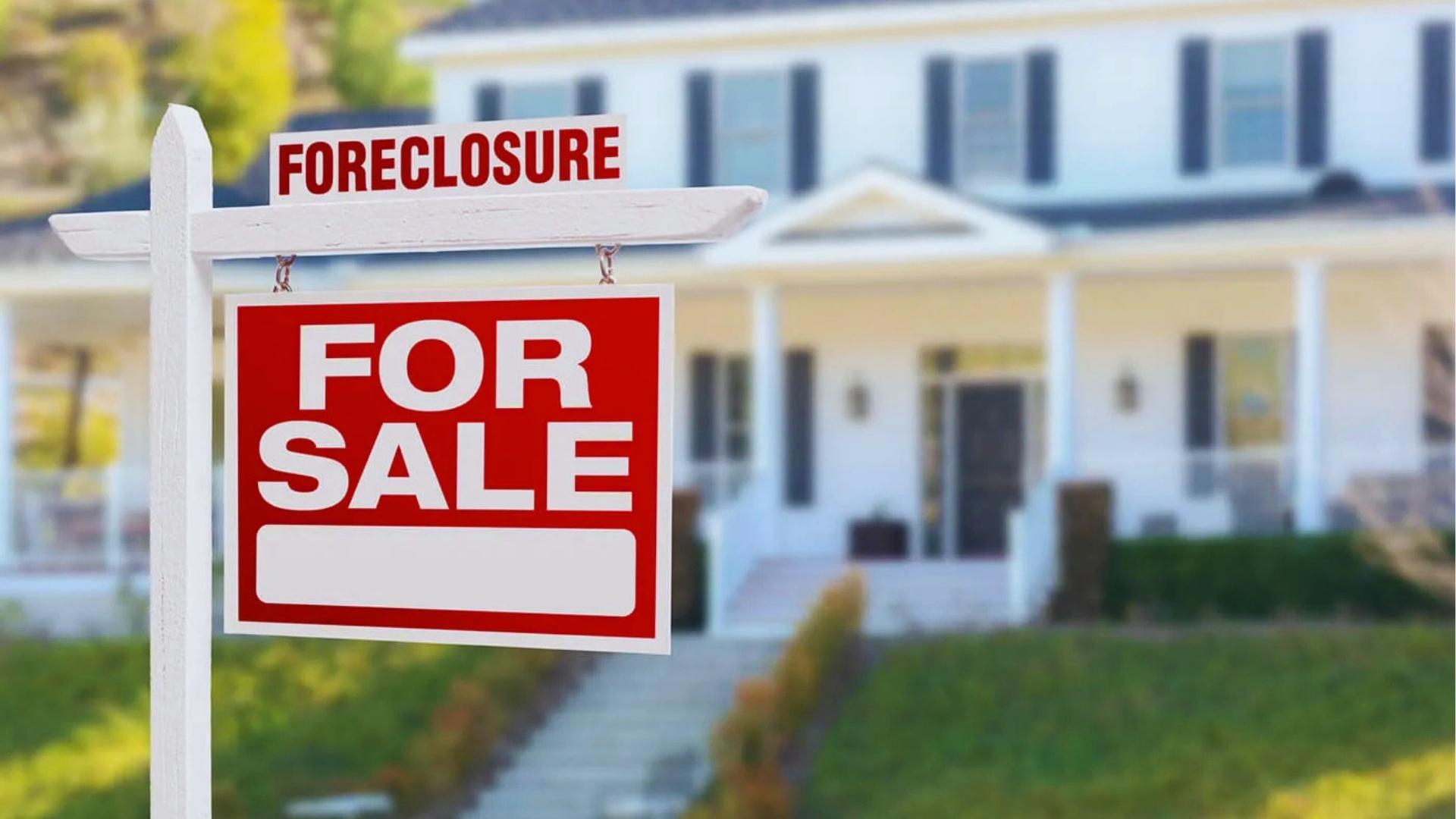
Yes, you can sell your house to avoid foreclosure, but the auction date creates a hard deadline, and acting early makes all the difference.
Once a lender files a Notice of Default, a countdown begins, and the time between missed payments and a foreclosure sale varies by state and the lender's foreclosure process, so check the laws that apply in your area.
You can usually sell at any point before the foreclosure sale. When you sell, the proceeds pay off your mortgage and the foreclosure process stops completely.
You walk away with your credit in better shape and, if there is equity, money in your pocket. However, selling does not always work.
If the auction date is days away, there may not be enough time to close.
If your home is worth less than you owe, a standard sale will not cover the loan, and you may need a short sale or another option.
How to Sell Your House Before Foreclosure
Selling a home under foreclosure pressure is different from a normal home sale. You are working against a deadline, so every step needs to move quickly and smoothly.
Contact Your Lender First
Before you do anything else, call your lender. Let them know you plan to sell. Many lenders will pause or slow the foreclosure process if they see you are making a real effort to pay off the debt.
Ask about how much time you have and whether they will work with you. Getting this information early helps you plan your next steps with confidence.
Determine Your Home's Value
You need to know what your home is worth before you list it. A real estate agent can run a comparative market analysis for free. You can also look at recent sales in your area.
Knowing your home's value tells you if a standard sale will cover your mortgage, or if you need to look at other options like a short sale.
List and Market Your Property
Once you know your home's value and have a clear timeline, list it right away. Work with an agent who has experience selling homes in distressed situations. Price it right from day one.
A home that sits on the market for weeks is a problem when you have a deadline. Good photos, a strong online presence, and the right price will attract buyers fast.
Accept an Offer and Close Before the Auction Date
When an offer comes in, review it quickly. Do not hold out for a perfect offer if time is short. A slightly lower offer that closes fast is better than a higher one that drags on.
Work closely with your agent and a title company to keep everything on track. Make sure the buyer is pre-approved and ready to move. Every day counts when the auction date is close.
Benefits and Challenges of Selling Before Foreclosure

Selling before foreclosure has real advantages, but it also comes with obstacles. Knowing both sides helps you make a smarter decision.
Protecting Your Credit Compared to Foreclosure
A foreclosure can significantly reduce your credit score and generally remains on your credit report for seven years. Selling your home before the foreclosure sale, even in a tough situation, does far less damage.
A regular sale shows lenders that you handled the problem responsibly. This makes it easier to rent an apartment or qualify for a loan in the future.
Using Home Equity to Pay Off Your Loan
If your home has equity, meaning it is worth more than you owe, selling is a strong option. You pay off the mortgage from the sale proceeds and may even walk away with leftover cash.
That money can help you rent a new place, cover moving costs, or start rebuilding your finances. This is one of the biggest advantages of selling over letting the bank foreclose.
Common Obstacles That Can Delay the Sale
Not every sale goes smoothly. Title issues, needed repairs, slow buyers, or problems with inspections can push the closing date back.
Every delay puts you closer to the foreclosure sale. To reduce risk, fix any known title problems early, be upfront about the home's condition, and choose buyers who are serious and financially ready.
What to Do If Your Home Is Worth Less Than Your Mortgage
This situation is called being underwater or upside down on your mortgage. A standard sale will not cover what you owe, so you will need a different approach.
A short sale lets you sell the home for less than the loan balance, with the lender agreeing to accept that lower amount.
It may have less impact than a completed foreclosure in some situations, but the outcome depends on your lender and financial circumstances.
Selling Before Foreclosure Vs. Other Options
Each alternative works differently depending on your timeline, your equity, and whether you want to keep the home.
| Option | How It Works | Best When | Key Differences from Selling Before Foreclosure |
| Selling Before Foreclosure Vs. Short Sale | A short sale allows you to sell your home for less than the remaining mortgage balance with the lender's approval. | You owe more on the mortgage than the home's market value and cannot repay the difference. | A regular sale is faster, requires less paperwork, and may allow you to keep any remaining equity. A short sale takes longer, needs lender approval, and can have a greater impact on your credit than a standard sale. |
| Selling Before Foreclosure Vs. Loan Modification | A loan modification changes your mortgage terms to reduce monthly payments, allowing you to keep your home. | You can afford revised payments and want to remain in the property. | Selling pays off the mortgage and lets you move on, while a loan modification keeps you responsible for the loan. Both may prevent foreclosure but lead to different long-term outcomes. |
| Selling Before Foreclosure Vs. Deed in Lieu of Foreclosure | A deed in lieu involves voluntarily transferring ownership of the home to the lender to settle the mortgage debt. | Selling is no longer possible and the lender agrees to accept the property. | Selling gives you the opportunity to preserve equity and maintain more control over the process. A deed in lieu means giving up the home without receiving any remaining equity. |
| Selling Before Foreclosure Vs. Foreclosure | Foreclosure is the legal process in which the lender takes and sells the home after missed mortgage payments. | No other solution has been completed before the foreclosure process ends. | Selling before foreclosure generally has a smaller impact on your credit, may allow you to keep any available equity, and gives you control over the sale. Foreclosure results in losing the home through legal action and may leave you owing additional debt in some states. |
Is Selling Your House the Right Decision?
Selling is not right for everyone, so asking the right questions now saves you from regret later.
Start by asking how much time you have before the auction date, whether your home is worth more than you owe, and whether you can realistically close in time.
Selling makes the most sense when you have equity, enough time to close, and a clear plan for where you go next.
If you want to stay in the home, a loan modification or repayment plan might work better.
If the auction date is very close, legal options such as bankruptcy may temporarily delay foreclosure, depending on your circumstances and applicable law.
Before making any decision, talk to a HUD-approved housing counselor. They offer free advice and can help you avoid costly mistakes that often happen without proper guidance.
Tips to Sell Your House Quickly and Avoid Foreclosure
Speed and strategy are everything when you are trying to sell fast and stop foreclosure. These tips will help you avoid the most common mistakes.
- Price competitively from day one. Slightly below market value attracts buyers faster and leads to quicker offers.
- Work with an agent experienced in distressed property sales. They know the urgency and can prevent costly mistakes.
- Keep your lender updated throughout the process. If they see progress, they are more likely to pause foreclosure steps.
- Once you have a buyer, respond to every request the same day. Closing delays can be fatal when time is short.
- Avoid waiting too long to list, picking unqualified buyers, or hiding defects. Any one of these can end the deal.
Conclusion
Selling your house to avoid foreclosure is a proven path that gives you control over the outcome instead of leaving it to the bank.
The key is acting before the auction date, knowing your numbers, and working with the right people.
This guide has walked you through every major step and comparison so you can make a confident choice. You have options, and taking action today puts you in a far stronger position than waiting.
Start by calling your lender today. If this article helped you, share it with someone who needs it or leave a comment with your questions.
Frequently Asked Questions
Can I sell my house if foreclosure proceedings have already started?
Yes, in most cases you can still sell during foreclosure proceedings as long as the auction date has not passed. Act immediately and contact your lender the same day.
Will selling my home affect my ability to buy another house later?
A pre-foreclosure sale generally has less impact on your credit than a completed foreclosure, though the effect depends on your financial situation and lender reporting.
How long does it typically take to sell a home before foreclosure?
Some home sales, particularly cash sales, may close within a few weeks, while traditional sales often take longer and carry a greater risk of missing the foreclosure deadline.
Can I sell to a cash buyer or investor to speed up the process?
Cash buyers and investors can often close faster than traditional buyers, making them a practical option when the auction date is close.
What happens to the extra money if my home sells for more than I owe?
After paying off the mortgage and closing costs, any remaining proceeds go directly to you as the homeowner.