

Many people own a home with a spouse, family member, friend, or business partner. While shared ownership can work well, it also raises important legal and financial questions.
If you’re wondering I own 50% of a property; what are my rights, the short answer is that you usually have the same legal rights to use the property, participate in major decisions, and receive your share of any income or sale proceeds.
This guide explains how your ownership type affects your right to use, sell, transfer, or make decisions about the property.
Your exact rights depend on the property’s ownership structure, any co-ownership agreement, and state law.
What Does Owning 50% of a Property Mean?

Owning 50% of a property means you legally own half of the ownership interest, not a specific half of the home or land unless a written agreement says otherwise.
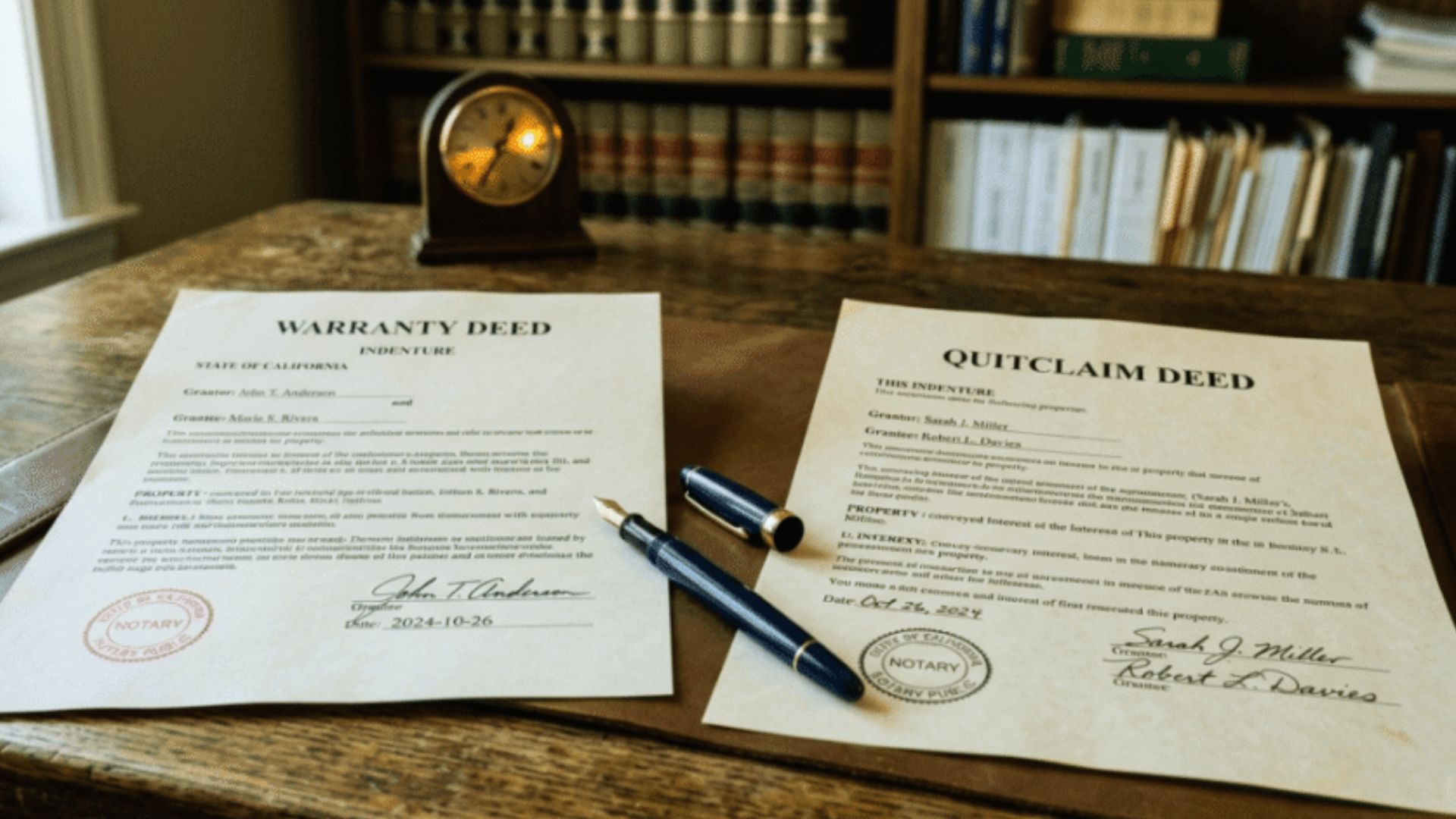
Your legal rights also depend on how the property is titled. The ownership type affects decision-making, selling your share, inheritance rights, and how disputes are resolved.
| Ownership Type or Common Situation | What It Means | Effect on Your Rights |
| Joint tenancy means two or more people own the property together, usually with a right of survivorship. When one owner dies, their interest generally passes to the surviving joint tenant(s), subject to state law. | If one owner dies, their share usually passes automatically to the surviving owner. Whether both owners must consent to a particular decision depends on the ownership structure, state law, loan documents, and any agreement between the owners. | |
| Tenants in Common | Each owner has a separate ownership interest. An owner can generally transfer or leave that interest to someone else, subject to state law and any agreement. | You can usually sell, transfer, or leave your share to heirs, subject to state law. |
| Community Property (where recognized) | A marital property system recognized in certain states. The exact rights depend on state law. | State law may affect ownership rights during divorce or after a spouse’s death. |
| Living in the Property | Both owners generally have equal rights to occupy the property. | One owner cannot usually exclude the other without a legal agreement or court order. |
| Rental Income | Income is commonly divided according to each owner’s share. | Expenses are typically deducted before profits are distributed. |
| Selling Your Share | A co-owner may often transfer their ownership interest. | The ability to do so depends on the ownership type, any agreements, and state law. |
| Selling the Entire Property | The whole property cannot usually be sold by one owner alone. | One owner generally cannot transfer the other owner’s interest. Whether the entire property can be sold without both owners’ consent depends on the ownership structure, state law, and any applicable court order or agreement. |
| Major Renovations or Refinancing | Significant changes affect both owners’ interests. | These decisions typically require the consent of both owners. |
While these are the rules that commonly apply, the exact rights and responsibilities of a 50% owner depend on the property’s title, any written agreements between the owners, and the laws of the state where the property is located.
Rights You Usually Have as a 50% Property Owner

Owning half of a property usually gives you the same basic ownership rights as the other co-owner. While the exact rules depend on your deed and state law, most co-owners share equal rights to use, manage, and benefit from the property.
1. Right to Occupy and Use the Property
A 50% owner generally has the right to access and use the entire property, not just one room or section.
Unless a written agreement states otherwise, neither owner can legally stop the other from entering or living in the property.
2. Right to Participate in Major Decisions
Whether both owners must agree depends on the decision, ownership structure, state law, and any agreement governing the property.
This includes selling the property, renting it to tenants, making major renovations, or refinancing the mortgage.
Whether you need the other owner’s consent depends on the ownership structure, state law, the type of decision, and any co-ownership agreement.
Selling the entire property, refinancing, leasing, or making substantial changes may be governed by different rules.
3. Right to Receive Rental Income
If the property is rented out, each owner is usually entitled to a share of the rental income based on their ownership percentage.
A 50% owner will generally be entitled to a share of rental income, but the amount available for distribution can depend on the ownership agreement, property expenses, and state law.
4. Right to Review Financial Information
As a co-owner, you have the right to stay informed about the property’s finances. This includes reviewing mortgage statements, property tax bills, insurance documents, repair invoices, and rental records.
Common Mistakes to Avoid

Even when both owners have equal shares, small mistakes can lead to disagreements, financial losses, or legal problems. Avoiding the following issues can help protect your ownership rights and keep the co-ownership arrangement running smoothly.
- Assuming Equal Ownership Means Sole Control: Owning 50% does not give you the right to make major decisions alone. Important choices, such as selling, renting, or making significant changes, usually require both owners to agree.
- Delaying Legal Advice During Disputes: Small disagreements can become larger legal problems if left unresolved. Getting advice early can help you understand your options and avoid unnecessary conflict.
- Forgetting State Laws May Differ: Property ownership rules vary from state to state. Always check the laws where the property is located before making important legal or financial decisions.
Understanding these common mistakes can help you avoid unnecessary disputes and make better decisions as a 50% property owner.
Responsibilities That Come With 50% Ownership

Owning half of a property gives you important rights, but it also comes with shared responsibilities. Meeting these responsibilities helps protect the property, prevents conflicts, and keeps the ownership arrangement fair for everyone involved.
Sharing Property Expenses
A 50% owner is usually responsible for paying a fair share of the property’s ongoing costs. These expenses often include the mortgage, property taxes, homeowners insurance, maintenance, and HOA fees if applicable.
Maintaining the Property
Both owners should help keep the property in good condition. This includes handling routine maintenance, arranging necessary repairs, and responding quickly to emergency issues that could cause further damage.
Can One 50% Owner Sell the Property?

Selling a property that is owned 50/50 depends on what you want to sell. Whether you can transfer your 50% interest without the other owner’s consent depends on how the property is titled, the deed, any co-ownership agreement, and state law.
Tenants in common generally have separately transferable interests, while other ownership structures may impose different rules.
However, finding someone willing to buy half of a property can be difficult because the new buyer would have to share ownership with the existing co-owner.
Selling the entire property is different from transferring one owner’s interest. The requirements depend on the ownership structure, state law, and any agreement between the owners.
A partition action is a court proceeding that can be used to seek a division or sale of jointly owned property. If co-owners cannot agree, state law determines whether a court can order a physical division, sale, or another remedy.
Depending on state law and the property’s circumstances, the court may physically divide the property if possible or, more commonly, order it to be sold and divide the proceeds according to each owner’s ownership share.
Expert Tips for Protecting Your Ownership Rights
Protecting your ownership interest starts with good planning and clear communication. These practical tips can help reduce misunderstandings, support better decisions, and make it easier to handle issues if they arise.
- Keep Ownership Documents Organized: Store your deed, mortgage papers, tax records, insurance documents, and any ownership agreements in a safe place. Having easy access to these records can save time during disputes or property transactions.
- Put Agreements in Writing: If you and the other owner agree on expenses, repairs, living arrangements, or future plans for the property, write everything down. A written agreement provides clarity and helps avoid confusion later.
- Communicate Before Major Decisions: Talk with the other owner before making important choices, such as selling, renting, refinancing, or renovating the property. Open communication often prevents conflicts and leads to better outcomes for both parties.
- Review Your Deed Regularly: Check how the property is titled to understand your legal rights and responsibilities. Knowing whether you own the property as joint tenants or tenants in common can affect future decisions.
- Consult a Real Estate Attorney When Needed: If disagreements cannot be resolved or you are planning a major legal or financial decision, speaking with a qualified real estate attorney can help you understand your rights and available options.
Following these simple practices can help protect your ownership rights, reduce legal risks, and create a smoother co-ownership experience.
The Bottom Line
Your rights as a 50% property owner depend on the deed, ownership structure, any co-ownership agreement, and the law of the state where the property is located.
Before selling your interest, making major changes, taking on new debt, or pursuing a partition action, confirm how those rules apply to your specific ownership arrangement.
Since property laws can vary by state and ownership type, reviewing your deed and seeking legal guidance when needed is always a wise step.
Frequently Asked Questions
Can I leave my 50% share of a property to my children?
It depends on how the property is titled. A tenant in common can generally leave their interest by will, while joint tenancy may include survivorship rights that affect what happens at death.
Can a 50% property owner take out a loan using their ownership share?
A co-owner may be able to use their ownership interest as collateral in some circumstances, but lender requirements, the ownership structure, existing mortgage documents, and state law can affect whether this is possible.
Do I need the other owner’s permission to renovate my portion?
It depends on the ownership arrangement and the type of renovation. A 50% ownership interest does not necessarily give you exclusive ownership of a specific physical portion of the property, and major work may require consent under state law or a co-ownership agreement.
Can bankruptcy affect my 50% ownership in a property?
Bankruptcy can affect a person’s ownership interest because the interest may become part of the bankruptcy estate, subject to applicable exemptions and bankruptcy law. The effect depends on the individual’s circumstances and the property.
Does owning 50% of a property affect my property tax obligations?
Property tax obligations depend on state and local law, the ownership arrangement, and any agreement between the owners. Check the applicable tax rules and ownership documents for your property.
Can my co-owner force me to move out?
A co-owner generally cannot simply remove another legal owner from the property. The applicable ownership documents, state law, and any court order or agreement determine whether one owner’s right to occupy the property can be restricted.
“`html
“`