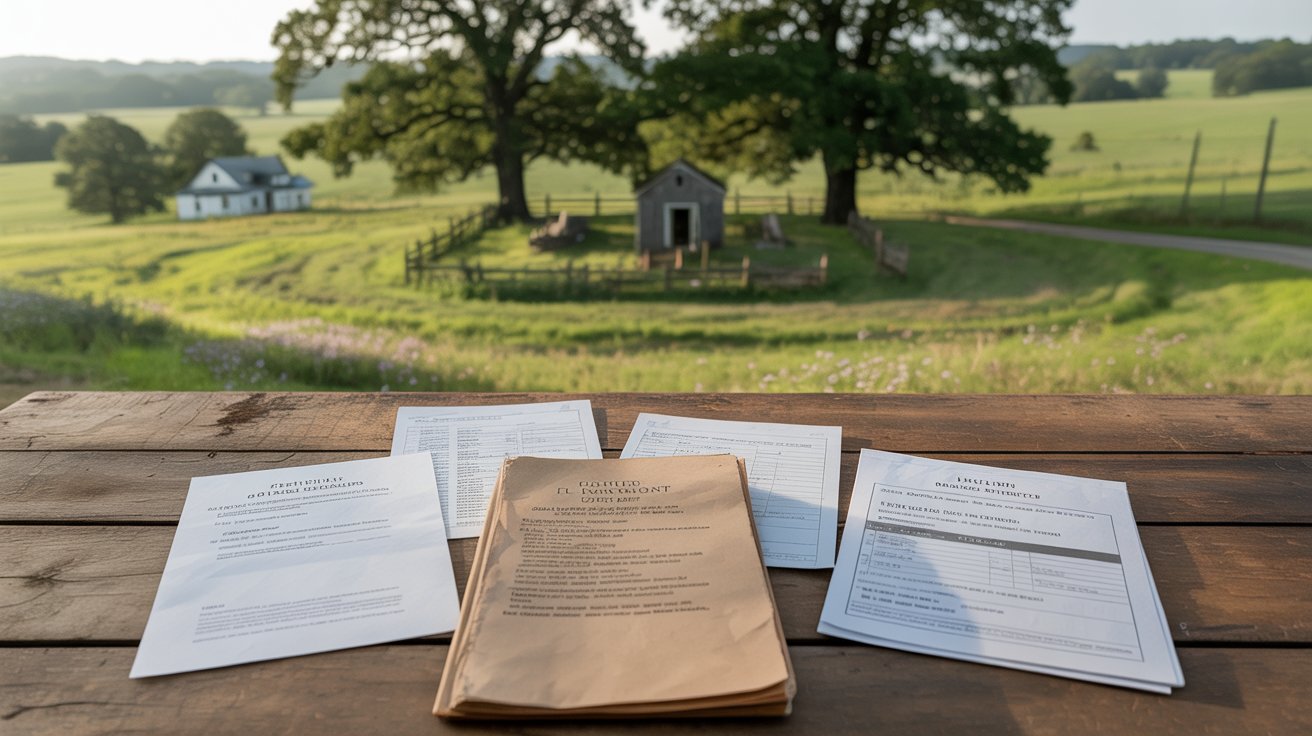
A condemnation notice does not automatically mean the government is taking ownership of your property. It may involve an eminent-domain taking for public use or a local order declaring a property unsafe or unfit for occupancy.
It is also important to know the difference between a property taken for a public project through eminent domain and one condemned because it is unsafe or violates building codes.
This guide explains your legal rights, the condemnation process, compensation rules, and the options available after receiving a notice. The information is based on well-established legal principles to help you make informed decisions with greater confidence.
Understanding Condemned Property Owner Rights

The term ‘condemned property’ can describe two different situations. A local authority may declare a property unsafe or unfit for occupancy, or a government entity may use eminent domain to acquire private property for public use.
The legal process and property owners' rights depend on the reason for the action. Property may also be acquired to make way for roads, schools, parks, or utility projects that serve the public.
These include the right to receive proper notice, the right to due process, the opportunity to challenge the decision in many cases, and the right to fair compensation when the government takes private property for public use.
For example, if a city acquires several homes to widen a highway, affected homeowners may receive compensation based on fair market value and can challenge the amount if they believe it is too low.
On the other hand, if a home is condemned because of severe fire damage, the owner may be required to complete repairs before living in it again.
Why Can a Property Be Condemned?
The reason for condemnation determines the legal process, the owner's obligations, and the remedies that may be available.
In other situations, a local authority may condemn a building because it is unsafe to occupy due to serious structural or health issues. Knowing the reason behind the condemnation helps property owners understand their rights, responsibilities, and the steps they can take next.
Condemnation Through Eminent Domain
Eminent domain is the government's legal power to take private property for a public use, subject to applicable legal requirements.
Common examples include building highways, schools, parks, airports, utility lines, or public transportation systems.
Before taking ownership, the government generally must follow applicable legal procedures and provide just compensation as required by law. The method used to determine compensation can vary by jurisdiction and the circumstances of the taking.
Depending on applicable law, owners may be able to challenge the legal basis for the taking or the amount of compensation offered.
Condemnation Due to Unsafe or Uninhabitable Conditions
A property may also be condemned when local officials determine that it poses a risk to public health or safety.
This can happen because of severe structural damage, fire hazards, mold, unsafe electrical wiring, major plumbing failures, or repeated building code violations.
An unsafe-property condemnation generally concerns whether a property may be occupied or what corrective action is required; it does not by itself necessarily transfer ownership.
In many cases, Local law may allow owners to correct violations, complete required inspections, and seek removal of the order or restoration of occupancy, pass inspections, and have the condemnation order removed before further action is taken.
Condemnation vs. Eminent Domain
Although the terms are often used together, they do not always mean the same thing. The table below highlights the main differences.
| Feature | Condemnation Through Eminent Domain | Condemnation for Unsafe Property |
| Reason for condemnation | Property is needed for a public project. | Property is unsafe or violates health and building codes. |
| Who starts the process? | Government or authorized public agency. | Local building, housing, or health authority. |
| Does ownership transfer? | Generally yes when private property is taken for public use, subject to applicable law. | Usually no, unless further legal action occurs. |
| Can the owner repair the property? | Repairs generally do not stop a lawful taking. | Usually yes, after required repairs and inspections. |
| Is compensation provided? | Generally yes, when private property is taken for public use, subject to applicable law. | Usually no unless the property is later acquired. |
| Can the owner challenge the decision? | Potentially, depending on applicable procedures and law. | Yes. |
| Typical outcome | Government acquires the property. | Property may become habitable again after repairs. |
Understanding whether your property is being condemned for public use or because of safety concerns is important, as each situation follows different legal procedures and gives property owners different rights and options.
What Rights Do Property Owners Have?

Federal and state laws help ensure that the process is fair and that property owners have an opportunity to understand, question, and respond to the government's actions.
1.Right to Receive Proper Notice
Before a property can be condemned, the government or local authority must usually provide written notice explaining the action.
The notice should state why the property is being condemned, the legal authority behind the decision, and the important deadlines you must follow.
Reading this notice carefully is important because missing deadlines could affect your ability to respond or appeal.
2.Right to Due Process
Applicable constitutional and local laws may require notice and an opportunity to be heard before the government takes property or imposes certain property restrictions.
This means you must be given a fair opportunity to attend hearings, present evidence, and explain why you believe the condemnation should not proceed.
If you disagree with the decision, many states also allow you to file an appeal through administrative or court proceedings.
3.Right to Just Compensation
When the government acquires private property through eminent domain, the Fifth Amendment generally requires it to pay just compensation.
Just compensation is generally based on the property's fair market value, although valuation rules and other compensable losses can vary by jurisdiction.
If you believe the government's offer is too low, you can hire an independent appraiser, negotiate for a better amount, or challenge the valuation through legal channels.
4.Right to Hire an Attorney
Property owners can seek legal advice throughout the condemnation process.
An attorney experienced in eminent domain or property law can review government documents, explain available options, negotiate compensation, and represent you in hearings or court proceedings.
Legal guidance can be particularly valuable when the property has significant financial or business interests or when you disagree with the government's actions.
5.Right to Challenge the Condemnation
Receiving a condemnation notice does not always mean the decision is final. Depending on state and local law, you may be able to challenge the condemnation through an administrative appeal or court proceeding.
Review the applicable deadline carefully because missing it could affect your rights.
Can You Keep or Repair a Condemned Property?
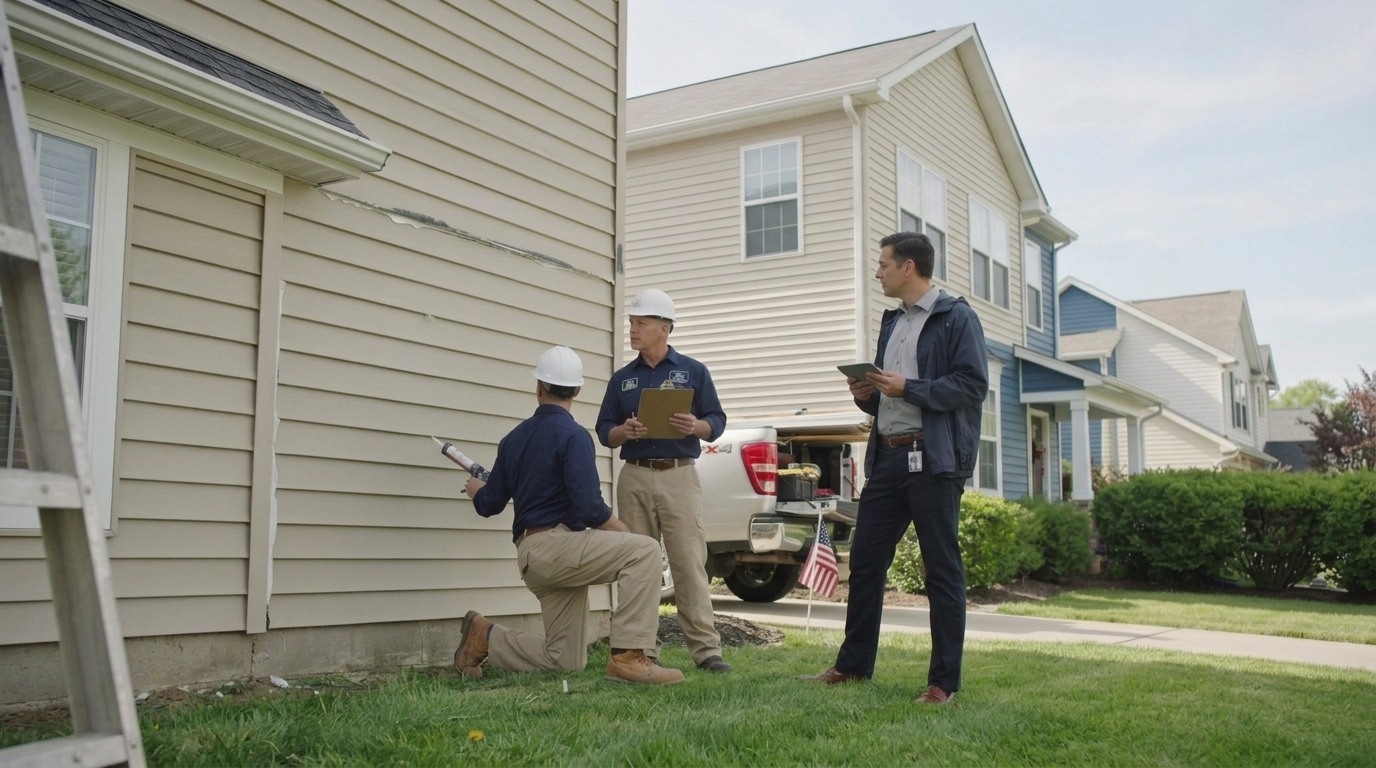
Whether you can keep, repair, or eventually lose a condemned property depends on the reason for the condemnation. A property declared unsafe because of serious building or health concerns may often be repaired and inspected before it can be occupied again.
By contrast, when the government acquires property through eminent domain for a public project, making repairs generally does not stop the acquisition process. Understanding which situation applies can help you determine what to do next.
When Repairs Are Allowed
If local officials condemn a property because it is unsafe or violates building, housing, or health codes, you may have an opportunity to correct the problems. The specific requirements and deadlines depend on local law and the terms of the condemnation order.
- Correct the Violations: Address the problems identified by the local authority, such as structural damage, unsafe electrical systems, plumbing failures, fire hazards, or other code violations.
- Obtain Required Permits: Some repairs may require permits or approval from the appropriate building department before work begins.
- Complete Required Inspections: After repairs are finished, the property may need to pass one or more inspections before officials allow it to be occupied.
- Request Reoccupancy Approval: If the property meets applicable safety requirements, the condemnation order may be lifted or occupancy may be restored, depending on local procedures.
Do not assume that completing repairs automatically removes a condemnation order. Follow the instructions from the responsible authority and obtain written confirmation when the property is approved for occupancy.
When the Government Takes the Property
The situation is different when the government seeks to acquire your property through eminent domain for a public purpose. In that case, repairing the property generally does not prevent a lawful taking from moving forward.
Property owners may still have important legal protections during the process, including the ability to:
- Review the Proposed Taking: Examine the government's stated purpose and the legal basis for acquiring the property.
- Challenge the Taking: Depending on applicable law, you may be able to dispute whether the taking satisfies legal requirements.
- Review the Compensation: If the property is being acquired, you may be entitled to just compensation under applicable law.
- Dispute the Valuation: An independent appraisal or other evidence may help if you believe the government's valuation does not accurately reflect the property's value.
The key difference is that an unsafe-property condemnation may give you a path to restore the property's legal occupancy through repairs, while an eminent-domain taking focuses primarily on the government's authority to acquire the property and the compensation owed to the owner.
Because condemnation procedures vary by state and locality, review the specific notice you received and the rules that apply to your property before taking action.
What Happens After You Receive a Condemnation Notice?

Receiving a condemnation notice does not always mean you must immediately give up your property. Your next steps depend on why the property was condemned, who issued the notice, and what deadlines apply.
- Identify Why the Property Was Condemned: Determine whether the notice involves an eminent-domain taking, unsafe conditions, building-code violations, or another legal issue. The reason affects your rights and available options.
- Check the Response Deadline: Look for dates requiring you to attend a hearing, submit documents, make repairs, appeal the decision, or respond to an offer. Missing a deadline could limit your ability to challenge the action.
- Gather Important Property Records: Collect your deed, tax records, previous appraisals, surveys, inspection reports, repair receipts, permits, photographs, and correspondence related to the property.
- Obtain an Independent Appraisal: If the government is acquiring your property through eminent domain, an independent appraisal can help you evaluate whether the proposed compensation reasonably reflects the property's value.
- Consider Legal Advice: An attorney experienced in eminent domain, property law, or local code matters can review the notice, explain your options, and help you meet applicable deadlines.
How Does Condemnation Affect a Mortgage and Insurance?
A condemnation order does not automatically cancel a mortgage or other financial obligations tied to the property.
If you continue to owe on the property, your loan agreement and applicable state law generally determine your responsibilities.
If the government acquires the property through eminent domain, mortgage liens may also affect how any compensation is distributed.
Homeowners insurance is a separate issue. Whether a policy covers damage to a condemned property depends on the policy terms, the cause of the damage, exclusions, and applicable law.
A condemnation order by itself does not guarantee insurance coverage. For example, coverage may differ when condemnation follows a covered fire loss compared with long-standing code violations or maintenance problems.
Review the insurance policy and loan documents and seek professional advice when the condemnation affects your mortgage, insurance claim, or compensation.
What Is Inverse Condemnation?

Not every government-related property loss begins with a formal condemnation notice. In some situations, government action may damage or substantially interfere with private property without a traditional taking proceeding.
Inverse condemnation is a legal claim a property owner may bring when government action has taken or damaged private property for a public use without a formal eminent-domain proceeding.
Examples may include government-caused flooding or other physical interference with property, but whether compensation is available depends on the facts and applicable law.
Instead of the government starting the condemnation process, the property owner files a legal claim to recover losses. To succeed, owners usually need evidence showing how the government action caused the damage, along with property records, photos, expert reports, and repair estimates.
Because legal deadlines vary by state, it is important to act promptly and consult an experienced attorney to determine whether an inverse condemnation claim is appropriate.
Common Mistakes to Avoid After a Condemnation Notice
A condemnation notice does not always mean the government has taken ownership of your property. Avoiding common mistakes can help you protect your property, comply with legal requirements, and avoid unnecessary costs.
- Assuming ownership has transferred: A property declared unsafe is different from one being acquired through eminent domain. Confirm what type of action the notice describes before making decisions.
- Occupying a property after a vacate order: If local officials have ordered the property to be vacated, do not continue occupying it until the authority confirms that it is safe and legal to return.
- Starting repairs without checking requirements: Some repairs may require permits, inspections, or approval from the local authority. Confirm the requirements before beginning major work.
- Accepting an eminent-domain valuation without review: If the government is acquiring the property, review how its compensation offer was calculated before accepting it.
- Ignoring required deadlines: A condemnation case may involve deadlines for repairs, hearings, appeals, or other responses. Missing a deadline could affect the options available to you.
Conclusion
Condemned property owner rights depend largely on why the property was condemned. An eminent-domain taking involves the government's authority to acquire private property for public use and may require just compensation.
An unsafe-property condemnation generally focuses on correcting conditions that make the property unsafe or unfit for occupancy.
Review the specific condemnation order, understand the requirements that apply to your situation, and consider qualified legal advice when ownership, compensation, repairs, or an appeal is involved.
State and local laws can significantly affect the rights and options available to property owners.
Frequently Asked Questions
Can I challenge a condemnation notice?
You may be able to challenge a condemnation notice through an administrative hearing, appeal, or court proceeding, depending on the reason for condemnation and applicable law.
Can a bank foreclose on a condemned property?
A condemnation order does not necessarily eliminate a mortgage or prevent foreclosure. The lender's rights depend on the loan documents and applicable law.
Does homeowners insurance cover a condemned house?
Insurance coverage depends on the policy, the cause of damage, exclusions, and applicable law. A condemnation order alone does not determine coverage.
Can a condemned property be sold?
A condemned property may be sellable in some jurisdictions, but local restrictions, disclosure rules, liens, and occupancy requirements can affect the sale.
Who pays property taxes after condemnation?
Property-tax responsibility depends on local tax law and whether ownership has transferred. A condemnation order does not by itself establish when tax liability ends.