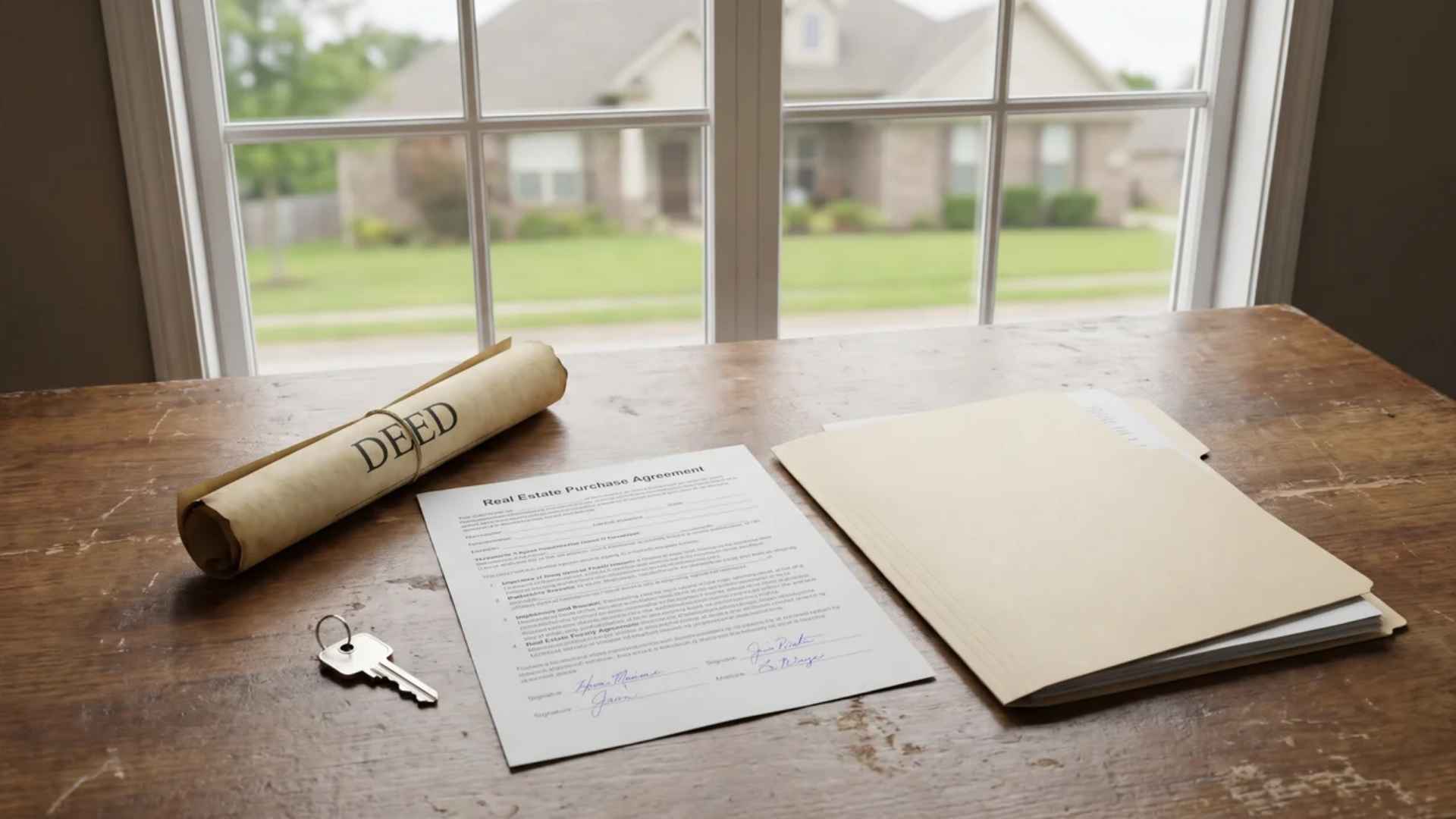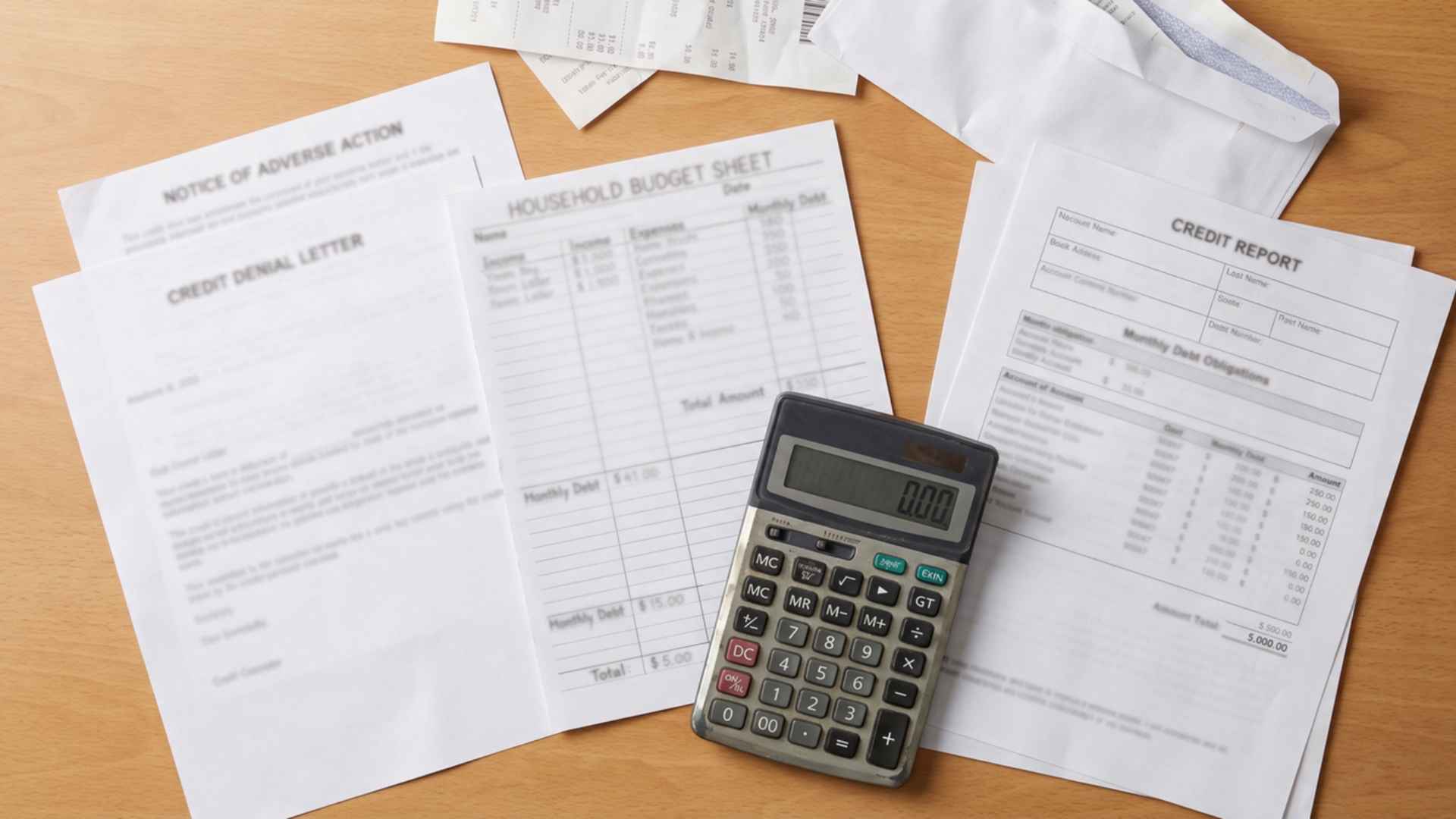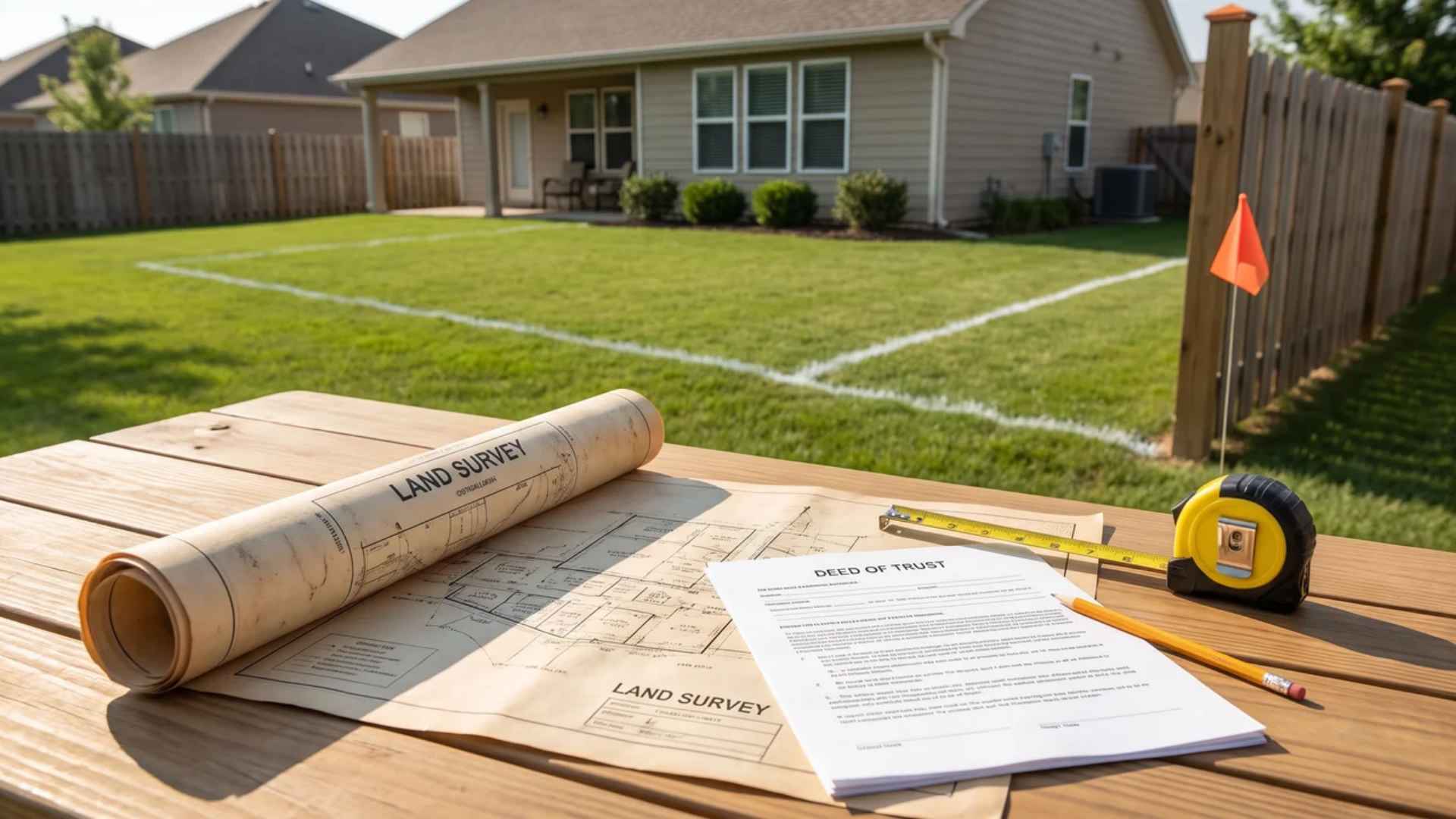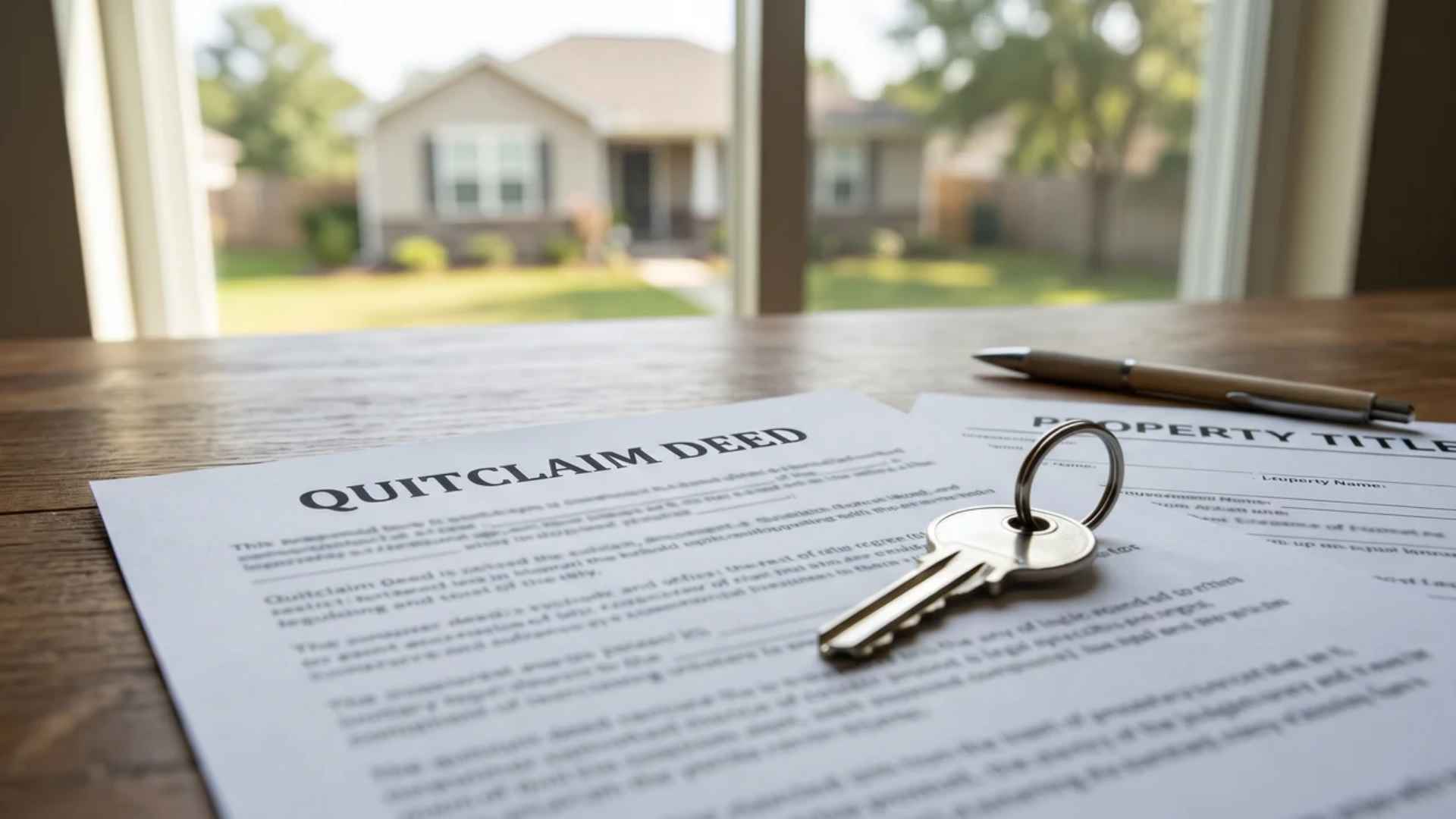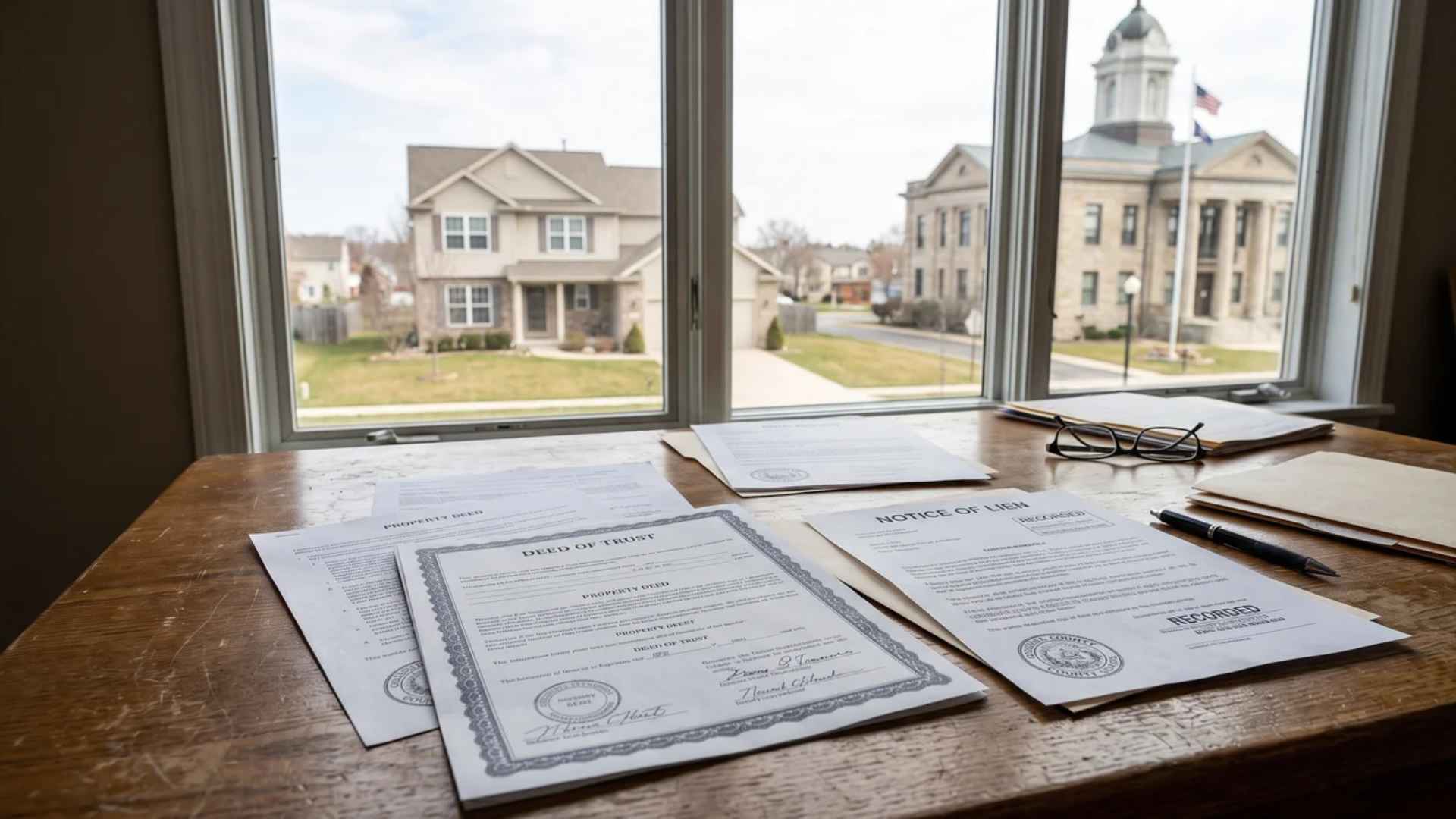


A house can belong to a trust, yet a trust has never once walked into a closing. No signature, no ID, no pulse.
So when the question of whether a trust can buy a house comes up, the real answer lives in the fine print nobody reads: a flesh-and-blood trustee has to stand in for it, word for word, document for document.
Get that stand-in right and the home slides neatly into your estate plan. Get it wrong and the deal stalls over a mismatched name.
Disclaimer: This article is for general information only and isn’t legal, financial, or tax advice. Trust and mortgage rules vary by state and lender, so talk to an estate planning attorney or financial advisor before you act on anything here.
Can a Trust Buy a House?
Yes. A trustee holds title for the trust, and the trust document must give that trustee written power to buy real estate.
The trust itself signs nothing. The deed reads "[Name], Trustee of [Trust Name]".
A revocable living trust lets the grantor keep control. The home also skips probate when the grantor dies.
An irrevocable trust removes that control. The grantor gives up the home for good, and lenders and tax rules treat it differently.
A land trust is a holding arrangement, not an estate plan. The trustee holds title while the beneficiary keeps the use.
The type you pick decides how lenders, taxes, and a future sale treat the home.
Problems start when the trust agreement is silent on real estate. Without power to buy, hold, or borrow, the trustee can’t act.
What Do You Need in Place Before a Trust Makes an Offer?

The trust must exist, be signed, and give the trustee written power to buy real estate before any offer goes in. If any of those is missing, the offer isn't ready.
Start with the trust agreement. Look for clear powers to buy, sell, and borrow.
If the document stays silent on real estate, the trustee may lack authority. That's a problem you want to find before a seller does.
For a cash purchase, the money must already sit in the trust. This is calledfunding. Funds held in your personal account can't simply be treated as trust assets.
Prepare a certification of trust too. It proves the trustee's authority without exposing the full document.
Timing causes the most trouble. If the trust is created after the contract is signed, the contract has to be rewritten or assigned.
An estate planning attorney can confirm the trustee powers before you start. That check costs far less than fixing a broken contract.
How Does a Trust Buy a House: Step by Step
A trust buys a house when the trustee signs the offer, contract, and closing papers. The deed then records the title in the trustee's name.
Step 1: Make the Offer as Trustee
The trustee signs the offer, not you personally. The signature line names the trust and the trustee's role.
Say the trustee is Maria Lopez. She signs as "Maria Lopez, Trustee of the Lopez Family Trust."
Get this right at the start. Every later document has to match it.
Step 2: Sign the Purchase Contract
The purchase contract uses the exact trustee name from the offer. Same spelling, same trust name, same title.
A common mistake happens here: someone signs the contract in their personal name, then the deed names the trustee.
If they don't, the closing stalls while the parties fix it.
Step 3: Provide the Certification of Trust
The title company or seller usually asks for this at this stage. It's a short document that proves the trustee has authority to buy.
It confirms the trust exists and names the trustee. It also shows the trustee can sign for it.
It saves everyone from reading the full trust.
Step 4: Close the Sale
The trustee signs the closing documents, again in that trustee role. Nothing is signed personally.
A cash purchase draws straight from trust assets. The money moves from a trust account to the closing, not from the trustee's own funds.
Keep those two sources of money separate.
Step 5: Record the Deed and Issue Title Insurance
The deed is recorded with the trustee as the vesting owner. That is how the public record shows who holds the title.
The title insurance policy is then issued to match that vesting. If the names differ, the coverage can be questioned later.
How Does a Mortgage Work When a Trust Takes Title?

Most lenders approve you personally and let the title vest in your trust. You owe the loan, and the trust only holds the property.
Below, you'll see why lenders split it this way, which trusts pass, and what to do if one refuses.
Why Does the Lender Approve You and Not the Trust?
A lender checks your income, credit, and debts. This review is called underwriting, and a trust has none of those to check.
The promissory note is your promise to repay. That debt stays yours, even after the title moves.
The mortgage lien is different. It attaches to the house, no matter who holds the title.
So the lender's real question is whether the trust can weaken that lien. A trust you can revoke keeps the house within reach. One you can't revoke may not.
You stay personally responsible for every payment. Trust funds can pay the loan only if the trust document allows it.
Which Trusts Will Lenders Accept?
Revocable trusts are the easy case. If you are both trustee and beneficiary, lenders commonly accept them.
Fannie Mae usually lends only to individuals. It makes an exception for revocable trusts that a qualifying borrower created. Freddie Mac sets similar conditions for living trusts, including that the trust be revocable.
Expect to hand over a certification of trust. The trustee also signs the mortgage.
Irrevocable trusts get tighter review. You gave up control, so the lender can't count on the house staying put.
Land trusts get a close look too. Freddie Mac allows them only on strict terms, such as individual beneficiaries and the home as the trust's only asset. Each lender can still set stricter rules.
What If a Lender Will Not Close With the Trust on Title?
You have a clean fallback. Buy in your own name, then move the home into your revocable trust after closing.
Federal law generally protects that move. The Garn-St Germain Act limits the due-on-sale clause, which lets a lender demand full payoff when ownership changes. A lender can't call the loan just because you moved your home into a trust you benefit from.
The protection covers homes with fewer than five units. Federal rules also expect you to stay the occupant.
Wording and state rules vary. Confirm with your lender and an attorney before you sign the deed.
What Changes After a Trust Owns the House?
Once a trust owns a house, the trust type decides how the home is taxed, insured, and treated by your state.
A revocable trust is generally ignored for income tax. You keep normal homeowner treatment, including the primary residence exclusion on gain.
An irrevocable trust works differently. The exclusion only carries over if it counts as a grantor trust, meaning you are still treated as its owner.
Your homeowners insurance and title insurance need attention too. Both should name the trustee or the trust correctly, so call your insurer before closing to confirm the listed name.
Property tax depends on where you live. Some states reassess the home or review a homestead exemption when title changes, so check local rules.
Each trust type gives you something and costs you something. Here is how the trade-offs split.
- Revocable trust: you skip probate and gain estate planning benefits. You pay setup costs, handle more paperwork, and get no creditor protection.
- Irrevocable trust: it can add creditor protection and estate tax benefits. In return, you give up control, and changing it later is hard.
Choose based on what you need to protect, not on which one sounds safer.
Final Takeaway
A trust can buy a house, and the real value is in the setup, not the purchase itself. The strongest deals are the ones where the trustee's powers, the funding source, and the deed names were all lined up before the first offer.
That preparation matters more than the trust type you choose. If a lender balks, buying personally and transferring the home afterward is a safe fallback.
Review your trust document for real estate powers today, then book a short call with an estate planning attorney before you make an offer.
Frequently Asked Questions
Can I Be the Trustee of My Own Trust When It Buys a House?
Yes, with most revocable trusts you can name yourself trustee while you are alive. Irrevocable trusts often limit this, so check the trust document and your state rules.
Can a Trust Buy a Second Home or Rental Property?
Yes, if the trust document lets the trustee buy that kind of property. Loan terms, insurance, and taxes can differ from a main home, so confirm them before you make an offer.
Can a Trust Buy a House in Another State?
Yes, a trust can usually own property in any state. The deed, recording, and tax rules follow the state where the house sits, so ask a local title company or attorney.
Can a Trustee Sell a House That the Trust Owns?
Yes, if the trust document gives the trustee power to sell. The trustee signs the deed, and the sale money goes back into the trust. State law and trust terms can add limits.
What Happens to a Trust-Owned House When the Owner Dies?
A successor trustee named in the trust usually takes over and passes the house to the beneficiaries, often without probate. The exact steps depend on the trust terms and your state.