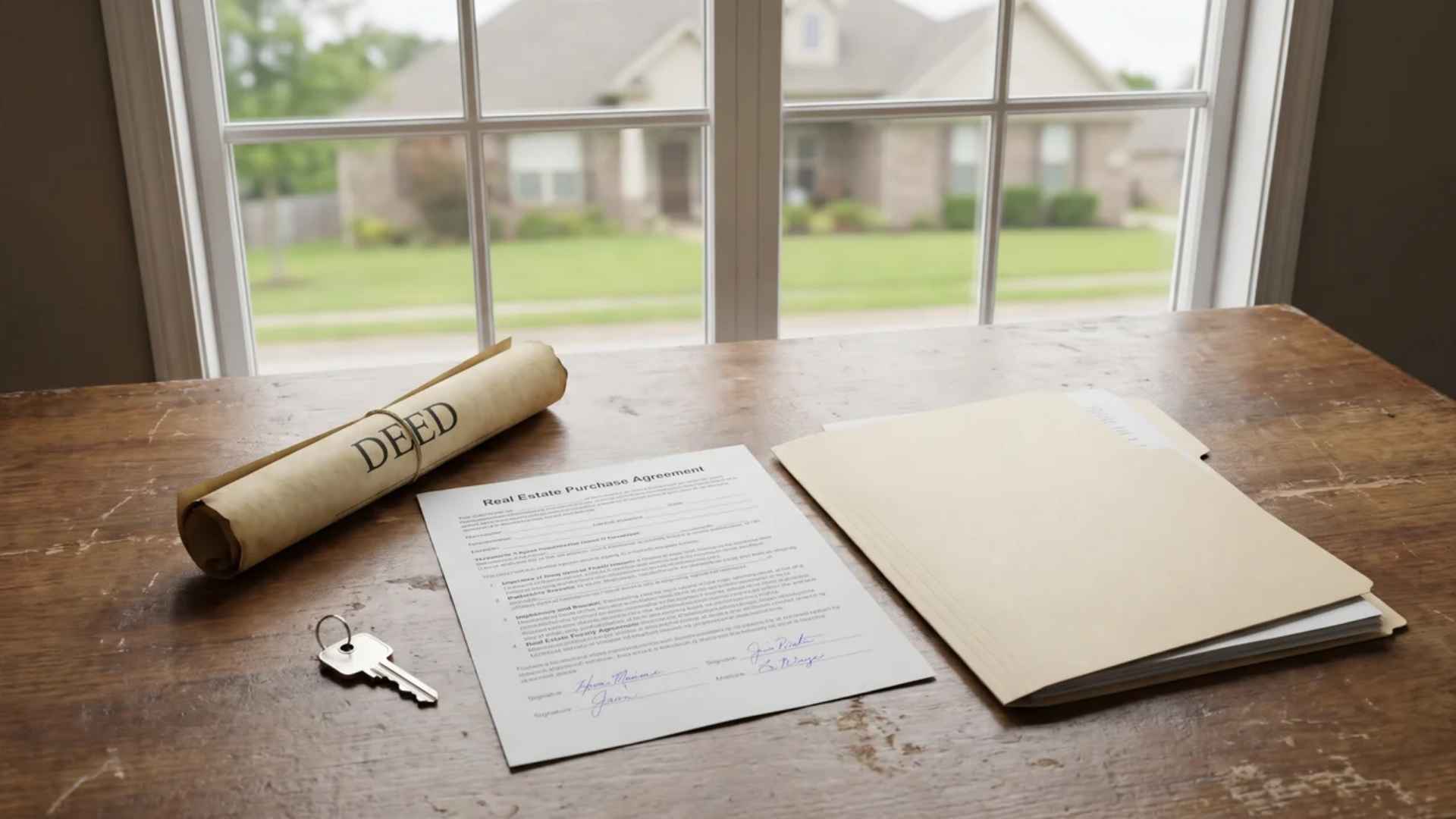

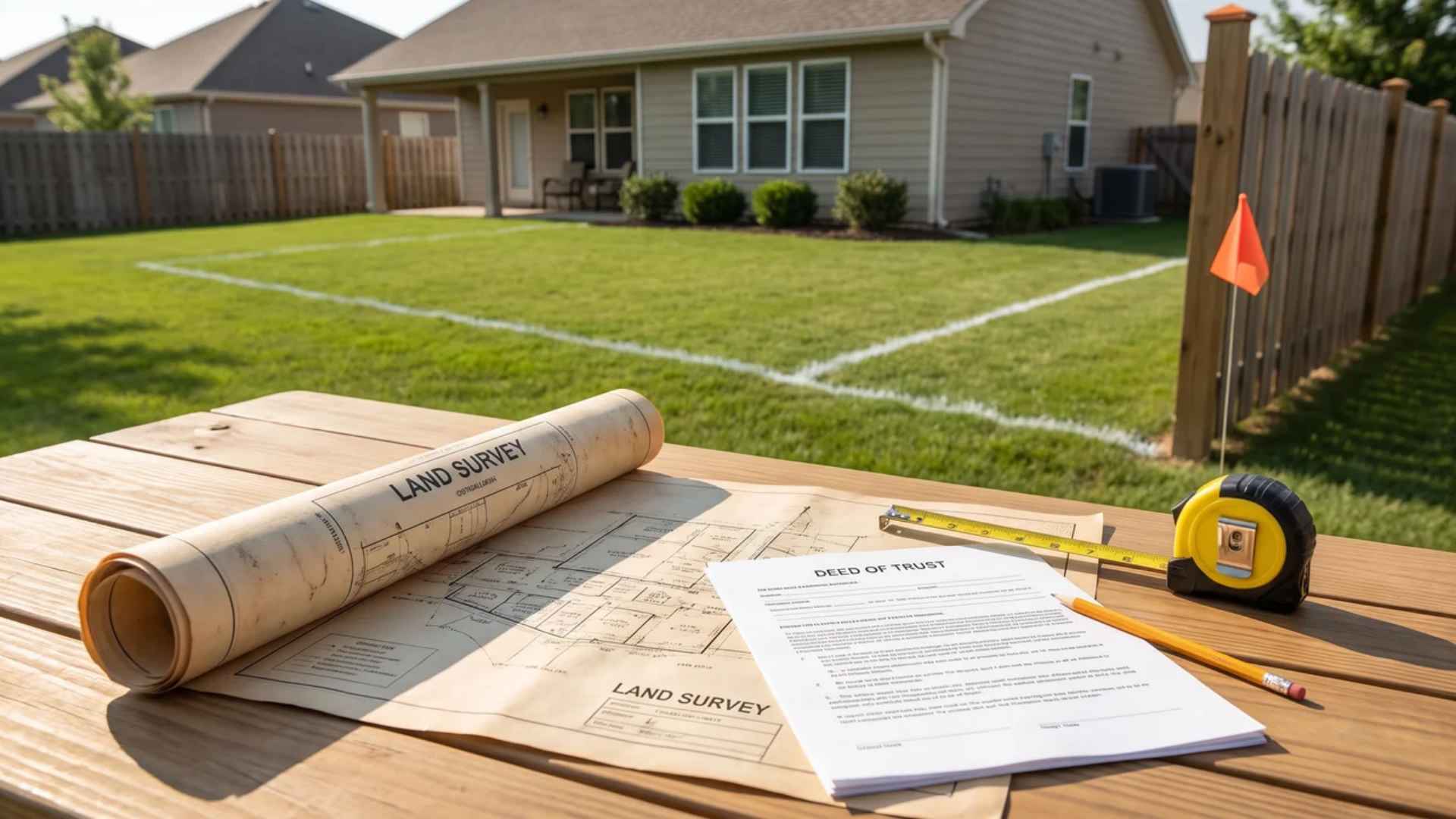
Winning a quiet title lawsuit takes more than showing that someone else’s claim is wrong. You must establish your own ownership, identify everyone with a possible interest in the property, and follow the court’s procedures.
If you’re researching how to be successful in a quiet title action, the strength of your evidence and the accuracy of your legal filings will matter throughout the case.
Even an uncontested lawsuit can fail if important claimants are overlooked. Before filing, it helps to understand what courts expect and where common mistakes can weaken your claim.
Disclaimer: Quiet title laws, filing requirements, service procedures, and court deadlines vary by state. This article provides general educational information and is not a substitute for legal advice. Consult a qualified real estate attorney in your jurisdiction about your specific property dispute.
What Decides Whether a Quiet Title Action Succeeds?
A successful quiet title action ends with a court judgment that names you as the owner and clears competing claims.
The catch is that you get that judgment by proving your own title, not by attacking the other side. Your deeds, tax records, and surveys do the work. A weak defendant does not make a weak claim strong.
Even if nobody answers, you still have to prove it. California law, for example, bars default judgments in these cases and requires evidence of your title.
The judgment also reaches only people who were properly named and served. That is why every later step matters. Rules differ by state, so check yours before you plan around any shortcut.
What Should You Do Before Filing a Quiet Title Lawsuit?
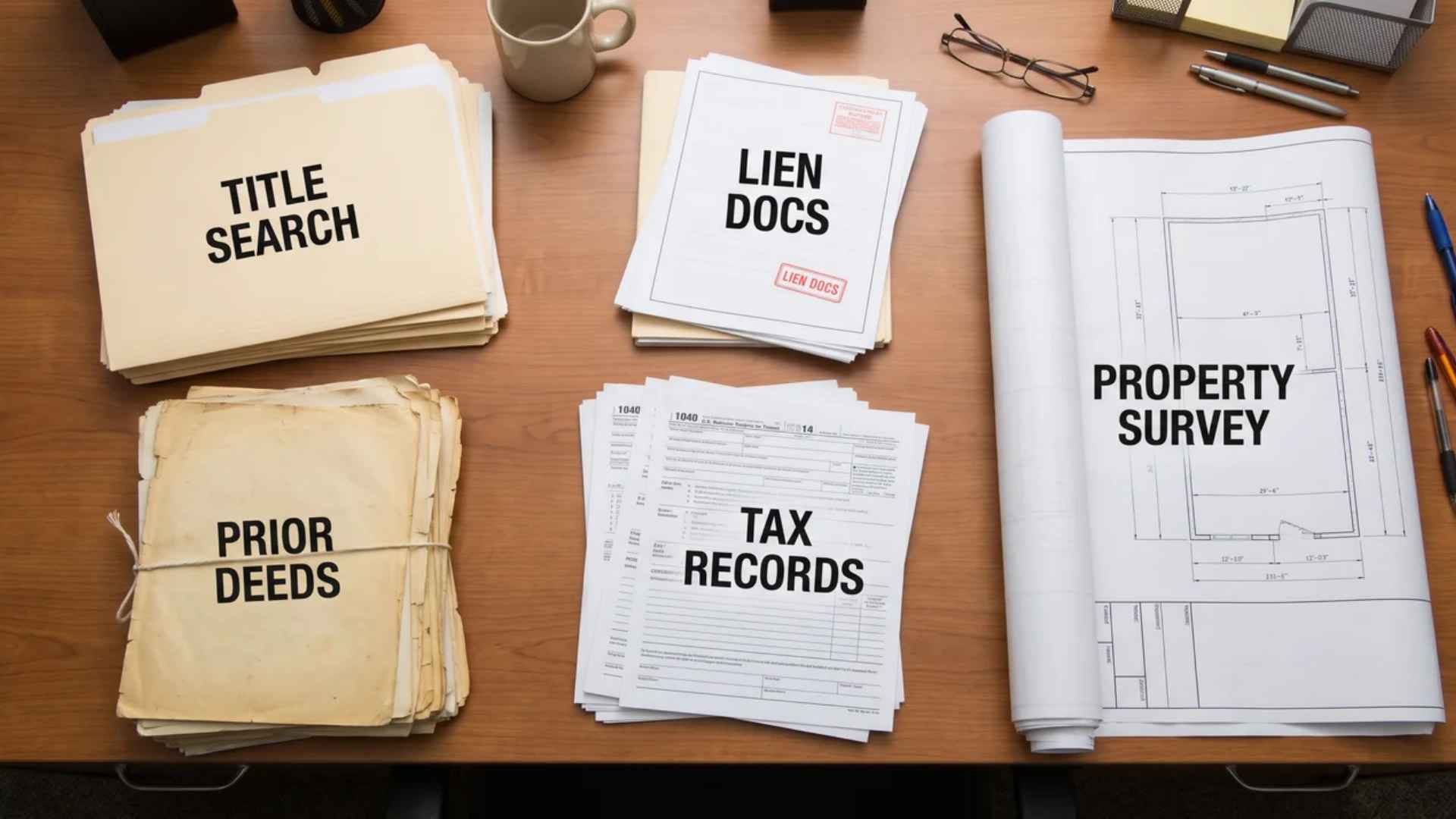
A lawyer, a full title search, and proof that fits your claim come first. Your reason for filing, like a tax deed or old lien, decides which proof matters.
Hire a Real Estate Attorney Early
Quiet title suits follow strict court rules. They can be contested, and they often involve old liens or unknown heirs.
A real estate attorney drafts the complaint, handles service, and speaks for you at hearings.
Hire an experienced attorney before you file. Look for someone who has handled these cases in your local court, and ask directly about their experience with unknown heirs and service by publication.
Those two issues cause more quiet title actions to stall or get challenged later than any other single factor.
Run a Full Title Search
The title search is your list of defendants. It shows every prior owner, lienholder, easement holder, and possible heir.
It also exposes any cloud on title. That is a recorded lien, a deed defect, or a competing claim that makes ownership unclear. Clearing those clouds is the point of your lawsuit.
Skip a name, and you risk leaving that person’s claim alive. One New Mexico decision states that publishing notice to unknown claimants does not affect a recorded owner’s title.
Heirs deserve extra attention. An owner who died years ago may have heirs with a claim nobody has tracked.
Gather Proof That Matches Your Claim
Your papers need to show an unbroken chain of ownership. Pull whatever fits your reason for filing:
- Deeds for each transfer in your chain
- Purchase contracts and closing papers
- Tax deeds, plus tax and payment records
- A survey, if the boundary is part of the dispute
- Transfer documents, if a company held title
Gaps you find now can be fixed before filing. Gaps found at the hearing can sink the case.
How Do You File, Serve, and Win the Final Hearing?
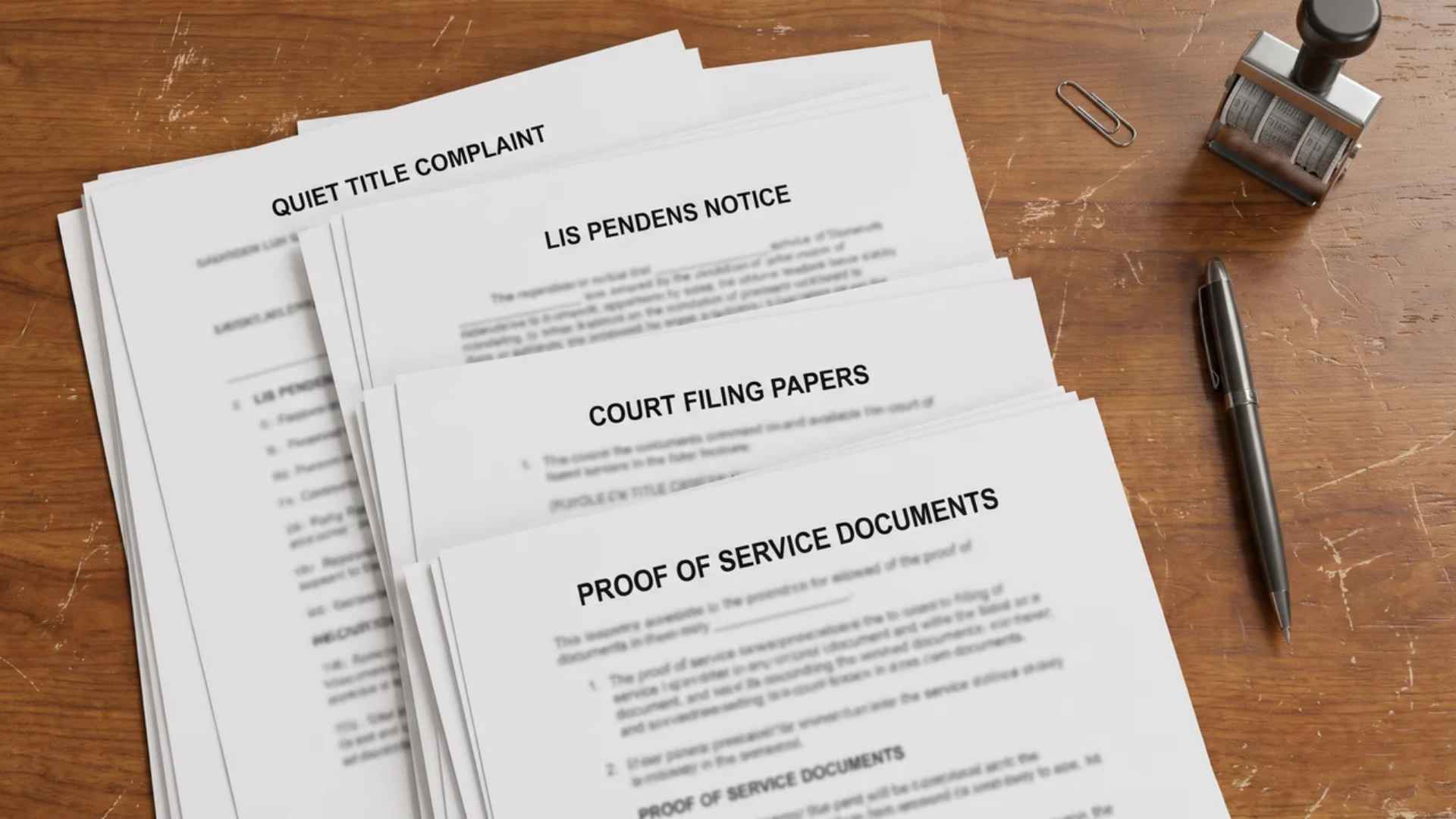
The case runs in order: complaint, service, response period, final hearing. Service is the step that decides whether your judgment holds.
1. Draft and File the Complaint
The complaint describes the property and states the basis of your title. It lists the adverse claims you want settled.
Every person your title search turned up goes in as a defendant. That includes heirs of owners who have died.
In most states, you file in the county where the land sits.
2. Record a Lis Pendens at Filing
A lis pendens is a notice you record in the county land records when you file. It tells buyers and lenders the title is in litigation.
Without it, someone who buys or takes a lien during your case can claim they had no warning. Some states require it, and it helps even where it is optional.
3. Serve Every Named Party Correctly
Service means formally delivering the lawsuit papers to each defendant. This step carries the most weight. A judgment binds only the people who were properly named and served.
Someone who was skipped keeps their claim. They can challenge your title later, and a judgment against someone never served is void for lack of jurisdiction.
So a missed party is not a delay. It is a hole in your judgment. Some people can’t be found. Courts allow service by publication, but only after you prove you looked hard.
A diligent search means real effort, not one web query. Courts usually expect steps like these:
- The last known address and county property tax records
- Voter rolls and online people searches
- Probate filings, if the owner has died
- Calls to relatives or old neighbors
Write down every step. You then file a sworn statement listing them and ask the court to approve publication. If the court agrees, it orders a notice in a newspaper it names. Some states add mailing or posting steps, and the notice period varies.
Claimants you can’t identify, like unknown heirs, are usually named as unknown persons and served the same way. Cut corners on the search, and a vague statement can get your request denied or your judgment attacked later.
4. Prove Your Case at the Final Hearing
At the final hearing, you present your evidence to the judge. In many courts, that happens even when no defendant shows up.
Your title search, deeds, and tax records anchor the case, but the judge may also want to hear from you directly.
Live testimony usually covers the same ground as your diligent search: how you located each claimant, why any you couldn’t find were truly unreachable, and how your chain of title holds together without gaps.
If your proof holds, the judge signs an order naming the owner.
Where Do Quiet Title Cases Usually Fall Apart?
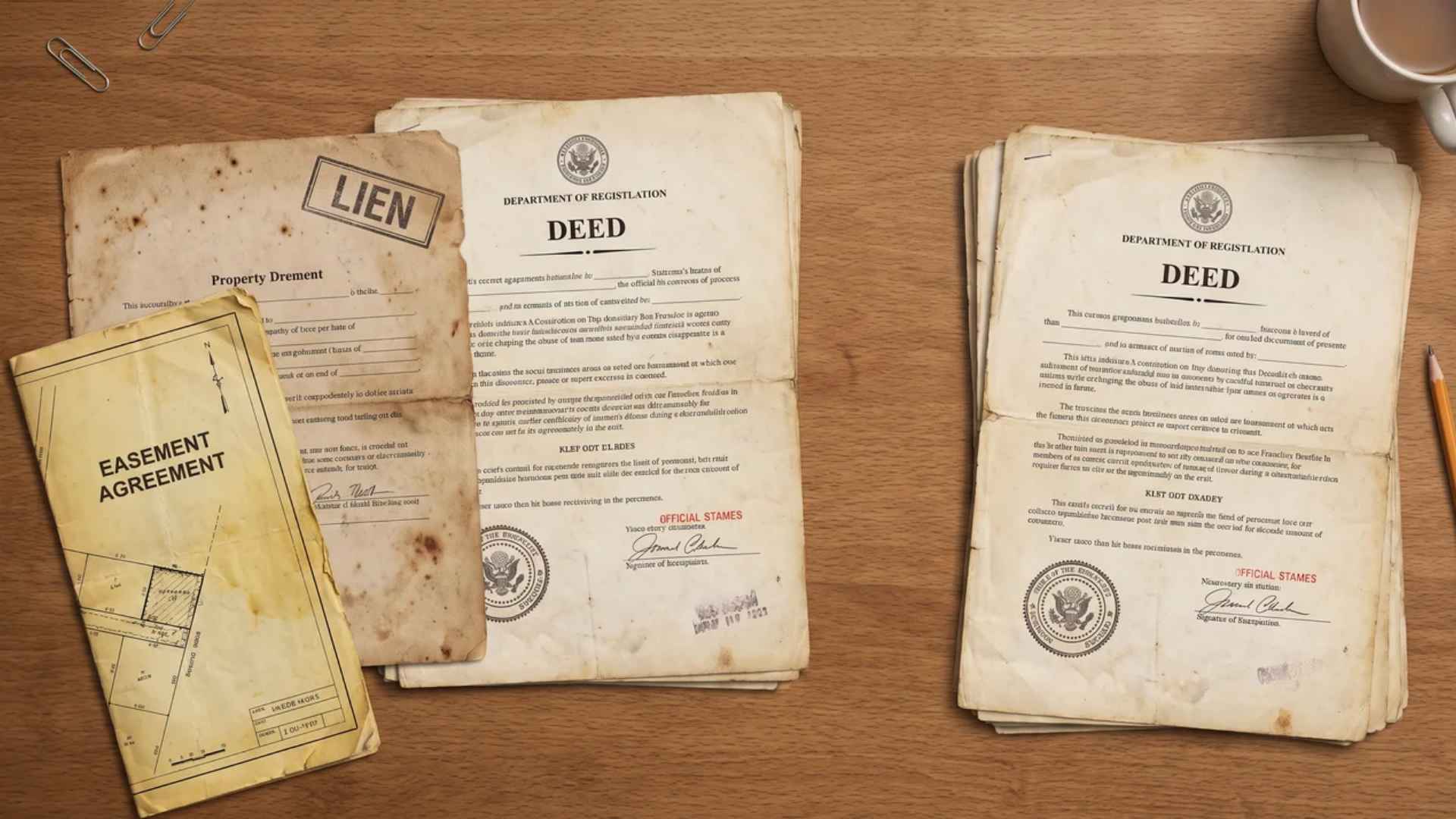
Skipped homework is the first slip. A lienholder, heir, or easement holder gets left out, and their interest survives your judgment.
Next comes a weak ownership record. Deed defects, gaps in your chain, or a competing claim can turn a routine filing into a contested case.
Then there is the belief that a win is guaranteed. Contested cases run longer and cost more, and no lawyer can promise the result.
A fourth slip is timing. Some states cap how long you can wait to bring certain quiet title claims, particularly ones resting on adverse possession or a defect that was discoverable years earlier.
Miss that window and the strength of your evidence stops mattering. Ask your attorney about any deadline that applies to your specific claim before you invest in a full title search.
Notice how the first two differ. A missed party is a hole in who is bound. A weak record is a hole in what you proved.
How Do You Confirm Your Title Is Actually Clear?
The case is not finished when the judge signs. Record the order with the county clerk or register of deeds, depending on your state.
Recording puts the judgment in the public record. A signed order that never gets recorded leaves that record unchanged.
Then check your work. Search the property records and confirm the recorded judgment appears against your parcel. Recording rules differ by state and county, so ask your attorney how yours works.
The Bottom Line
A successful quiet title action does more than settle a property dispute. It establishes your ownership through a legally enforceable judgment and addresses competing claims that could affect future transactions.
Learning how to be successful in a quiet title action means recognizing that strong evidence, proper service, and accurate court filings all matter. A single overlooked claimant or procedural mistake can undermine the result.
Take time to prepare your case and work with an experienced real estate attorney before filing. Protect your property rights with the right legal guidance.
Frequently Asked Questions
Does a weak title search make a quiet title action take longer?
Yes, more than any other factor. A rushed search misses an heir or lienholder, and that gap surfaces later as a challenge, publication requirement, or re-service; each one adds weeks to months. A thorough search done once before filing is usually faster overall than a quick search followed by a correction.
Does a weak title search make a quiet title action cost more?
Yes. The biggest cost swings come from redoing work: a second round of service, a newspaper publication you didn’t budget for, or attorney hours spent defending a judgment someone later challenges. Paying for a complete search and diligent-search documentation upfront is usually cheaper than fixing a gap after the fact.
Can you still win a contested quiet title action?
A contest isn’t a loss, it shifts the case from an unopposed hearing to one where the judge weighs evidence from both sides. What decides it is the same proof that matters in every quiet title case: an unbroken chain of title, your deeds and tax records, and a documented diligent search for anyone you couldn’t locate. Cases that fall apart under a contest are usually ones where that proof was thin going in, not ones where the contest itself was unusually strong.
What is a friendly quiet title action?
A friendly quiet title action is one where the other party agrees with your claim. A common example is a boundary line both neighbors accept that is recorded incorrectly. You still file in court and get a judgment. The case usually moves faster because nothing is disputed.