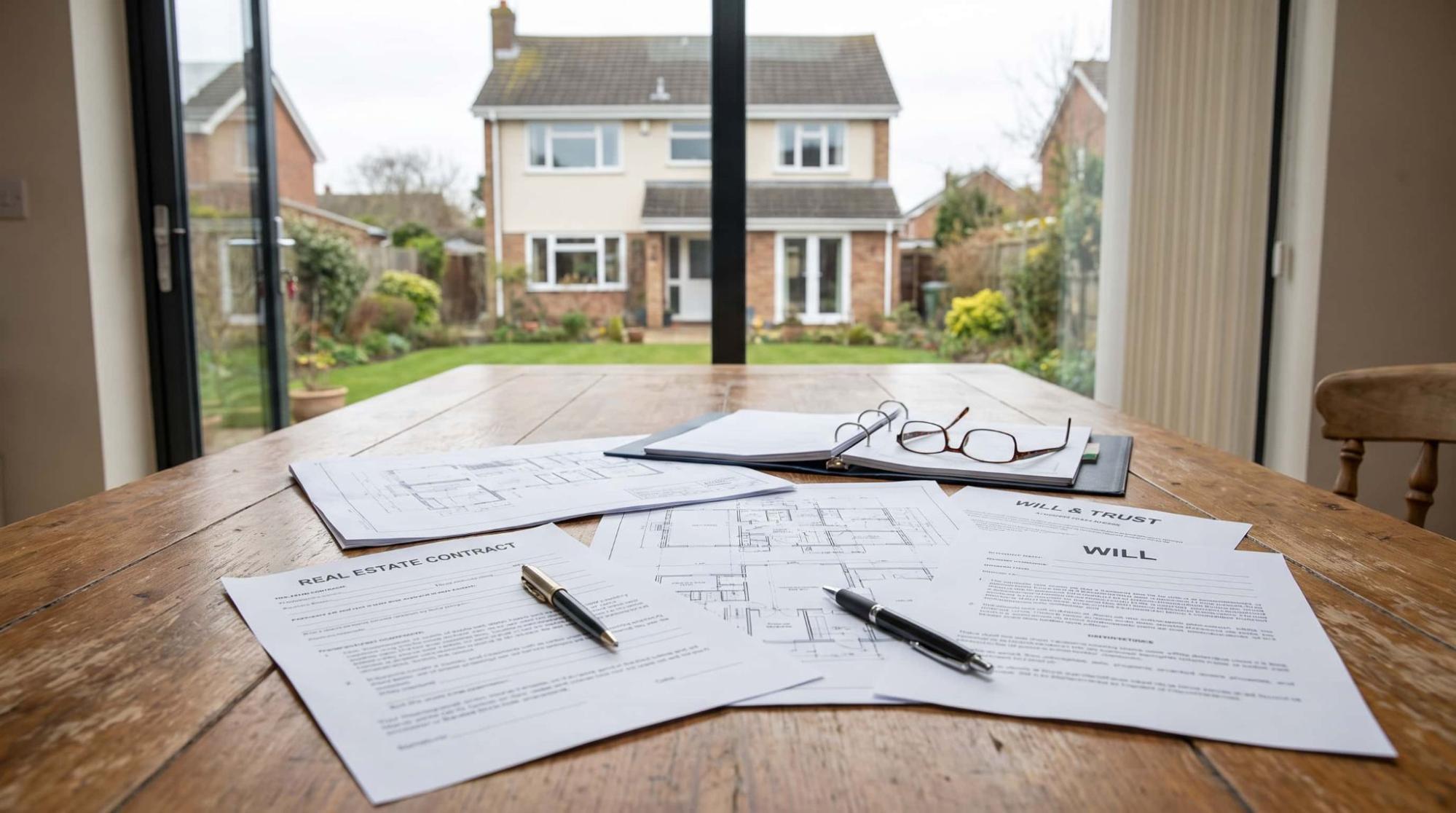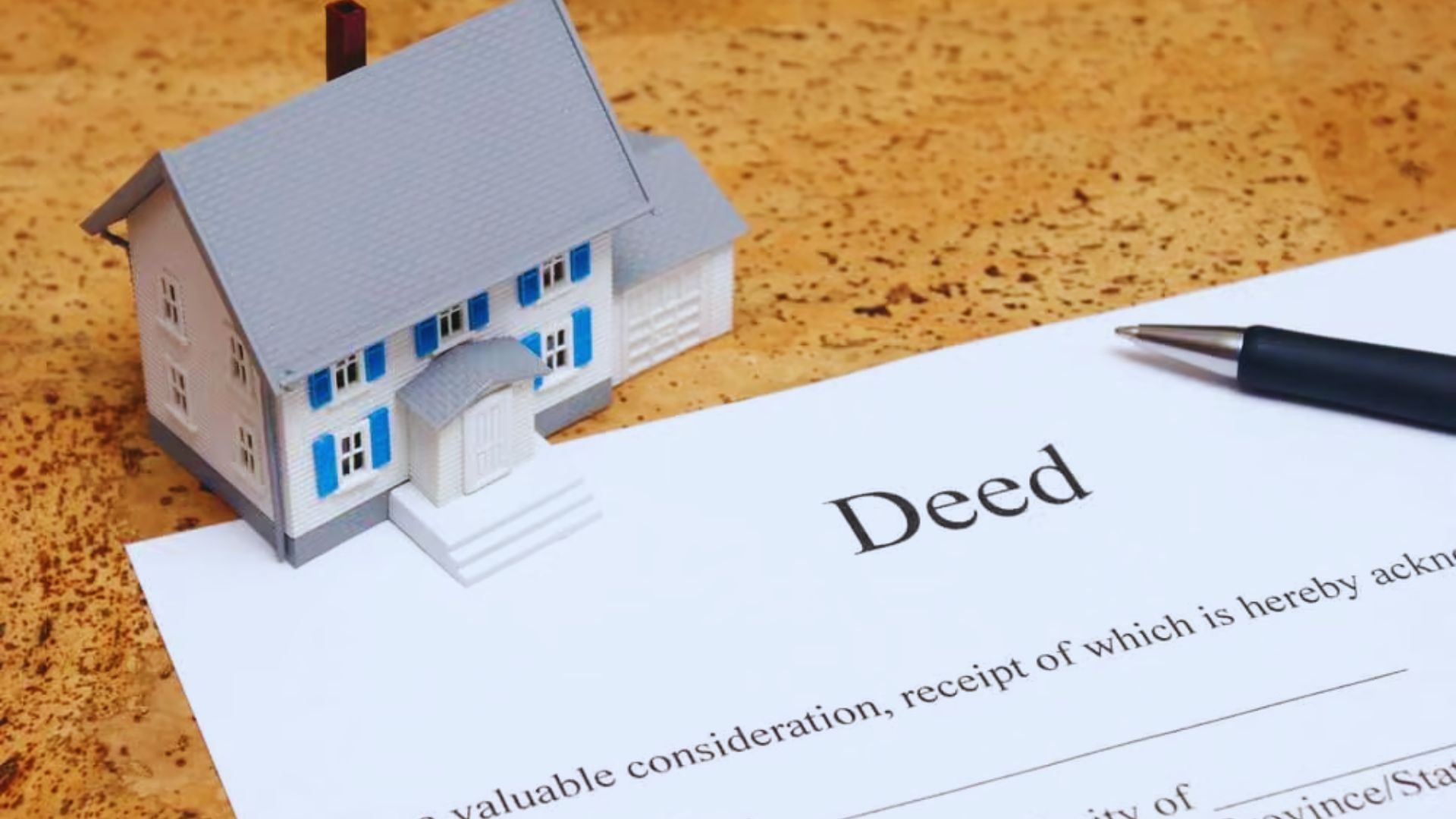


Yes, a trust can buy a house. A trust is a legal entity that can own, purchase, manage, and sell real estate through its trustee, who signs the purchase documents and completes the transaction on behalf of the trust according to the trust agreement.
Both revocable and irrevocable trusts may purchase property, though the rules and benefits differ by type.
Some trusts buy homes with cash, while others qualify for mortgage financing if the lender's requirements are met, and buying through a trust can offer real advantages for estate planning, privacy, and passing property to beneficiaries, covered in detail below.

A trust is a legal arrangement that allows one person, known as the grantor, to place assets under the care of another person or entity, called the trustee, for the benefit of one or more beneficiaries.
The trustee is responsible for managing the trust according to the instructions outlined in the trust agreement. Trusts are commonly used to protect assets, simplify estate planning, avoid probate in many cases, and provide clear instructions for managing or distributing property.
Depending on the type of trust, it can also purchase, own, manage, and sell real estate, making it a valuable tool for both personal and long-term financial planning.
How Does a Trust Buy a House?
Buying a house through a trust follows many of the same steps as a traditional home purchase, but the transaction is completed by the trustee on behalf of the trust.
Create the Trust
The first step is to establish a valid trust agreement that outlines the trust's purpose, identifies the trustee and beneficiaries, and explains how the trust will operate.
Appoint a Trustee
The trustee is responsible for managing the trust and has the legal authority to purchase the property, sign documents, and act in the trust's best interests.
Obtain a Tax Identification Number (If Required)
Some trusts, particularly irrevocable trusts, may need their own Tax Identification Number (TIN) or Employer Identification Number (EIN).
Revocable living trusts often use the grantor's Social Security number while the grantor is alive.
Secure Financing or Funds
The trust may purchase the property with cash or obtain mortgage financing if it meets the lender's requirements. The lender may request additional trust documents during the approval process.
Sign the Purchase Agreement
The trustee signs the purchase agreement and other legal documents in their capacity as trustee, rather than as an individual buyer.
Close the Transaction in the Trust's Name
At closing, ownership of the property is transferred directly into the trust's name.
The recorded deed reflects the trust as the property's legal owner, while the trustee manages the property according to the trust agreement.
Documents Needed to Buy a House Through a Trust
Having the required documents ready can help the home purchase move smoothly and prevent delays during closing.
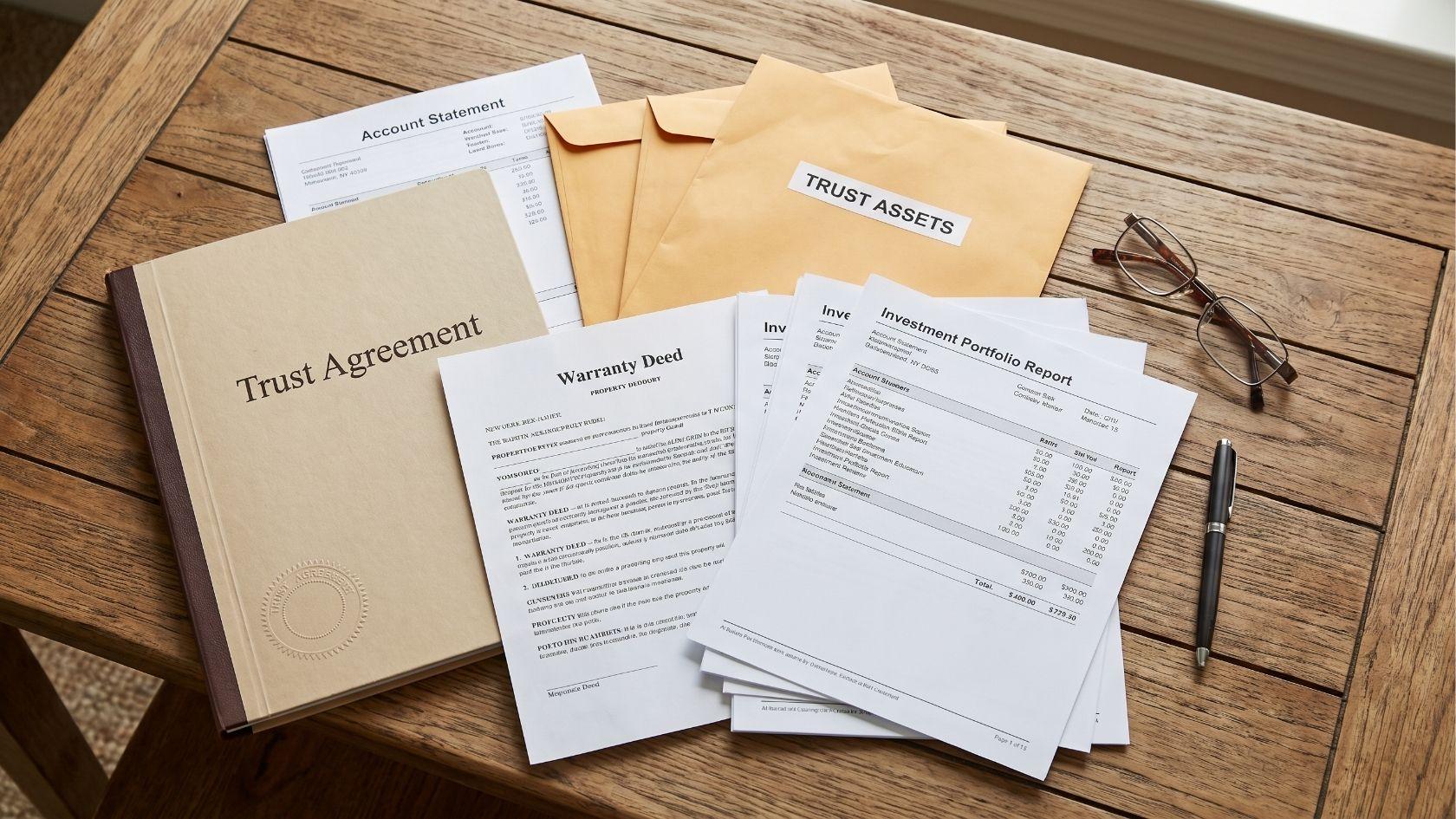
- Trust Agreement: The trust agreement outlines the trust's terms, identifies the trustee, and confirms the trustee's authority to purchase property.
- Certificate of Trust: This summary document verifies the trust's existence and the trustee's legal authority without revealing the full trust agreement.
- Trustee Identification: A valid government-issued ID is required to verify the identity of the trustee signing the purchase documents.
- Tax Identification Number (If Applicable): Some trusts, particularly irrevocable trusts, require a Tax Identification Number (TIN) or Employer Identification Number (EIN) for financial and tax purposes.
- Purchase Agreement: The signed purchase agreement details the terms of the real estate transaction and identifies the trust as the buyer through its trustee.
- Proof of Funds or Mortgage Approval: Buyers must provide evidence of available funds for a cash purchase or a mortgage pre-approval or loan commitment when financing the property.
What Are the Tax Implications When a Trust Buys a House?
The tax consequences of buying a home through a trust depend on the type of trust and the property's intended use.
Common tax considerations include:
- Property taxes: The trust must pay ongoing property taxes just like any other owner.
- Capital gains taxes: Tax treatment when the property is sold depends on whether the trust is revocable or irrevocable.
- Income taxes: Rental income earned by the property may be taxable to the trust or the beneficiaries.
- Estate taxes: Certain trusts may help reduce estate tax exposure as part of a broader estate plan.
- Transfer taxes: Some states charge transfer or recording taxes when property is transferred into or out of a trust.
Because tax laws vary by state and individual circumstances, it's wise to consult a qualified tax professional before purchasing property through a trust.
Types of Trusts That Can Buy a House
The right choice depends on your estate planning goals, how much control you want to keep over the property, and how you want the home to be managed or transferred in the future.
Revocable Living Trust
A revocable living trust allows the grantor to maintain control of the property during their lifetime.
Because the trust can be changed or revoked, it is commonly used to avoid probate while keeping flexibility over real estate ownership.
Irrevocable Trust
An irrevocable trust can also purchase a house, but once assets are transferred into the trust, the grantor generally cannot change or remove them without meeting specific legal requirements.
This type of trust is often used for asset protection and estate planning purposes.
Testamentary Trust
A testamentary trust is created through a will and becomes effective after the grantor's death.
Once established, the trustee may purchase or manage real estate according to the instructions in the will.
Land Trust
A land trust is designed specifically to hold title to real estate.
It can provide additional privacy for property ownership and simplify the transfer of certain real estate interests, depending on state law.
Special Needs Trust (When Permitted)
A special needs trust may purchase a home for the benefit of a person with disabilities if allowed under the trust terms and applicable laws.
The trustee manages the property while helping preserve the beneficiary's eligibility for certain government benefits.
Can a Trust Get a Mortgage to Buy a House?
Yes, a trust can get a mortgage to buy a house, but approval depends on the lender and the type of trust.
Many lenders finance homes purchased through revocable living trusts because the grantor usually remains in control of the assets. Irrevocable trusts may also qualify, although lenders often require additional documentation and may have stricter underwriting standards.
When applying for a mortgage, lenders typically review:
- The trust agreement or Certificate of Trust
- The trustee's authority to borrow
- The trust's financial resources
- The borrower's or trust's creditworthiness (depending on the loan structure)
- Income and assets used to repay the loan
Some lenders may ask that the property first be purchased in an individual's name and then transferred to the trust after closing, while others allow the trust to purchase the property directly.
Common Mistakes to Avoid When Buying a House Through a Trust
Buying a home through a trust can simplify estate planning, but avoiding these common mistakes can prevent delays and legal issues.
- Choosing the wrong type of trust for your financial or estate planning goals.
- Failing to review lender requirements before applying for financing.
- Not giving the trustee proper authority to purchase or finance real estate.
- Using outdated or incomplete trust documents during the transaction.
- Overlooking tax and legal consequences before closing.
- Not updating insurance and property records after the purchase.
- Skipping professional legal advice when creating or managing the trust.
Taking the time to prepare the correct documents and seek professional guidance can help ensure the purchase is completed smoothly and in accordance with state law.
Benefits of Buying a House Through a Trust
Purchasing a home through a trust can provide legal, financial, and estate planning advantages for many property owners.
- Avoid Probate: Property held in a trust can often transfer directly to beneficiaries without going through probate, depending on the type of trust.
- Greater Privacy: Unlike probate proceedings, trusts generally keep property ownership and distribution details more private.
- Estate Planning Benefits: A trust helps organize how real estate will be managed and transferred according to your wishes.
- Easier Transfer to Beneficiaries: The trustee can transfer ownership to beneficiaries based on the trust agreement, often reducing delays after the grantor's death.
- Asset Protection (For Certain Trusts): Some irrevocable trusts may provide a level of protection against certain creditors or legal claims, depending on applicable laws and the trust structure.
Conclusion
A trust can legally buy and hold a house, and doing so can simplify estate planning, add privacy, and ease the transfer of property to beneficiaries.
It isn't the right fit for every buyer, but understanding how the process works, and which trust type matches your goals, makes the decision easier.
Frequently Asked Questions
Can an irrevocable trust buy a house?
Yes. An irrevocable trust can purchase a home if the trust agreement allows it and the trustee follows the applicable legal requirements.
Can a trust qualify for a mortgage?
Yes, in many cases. Some lenders offer mortgages to trusts, although they may require additional documentation and have specific lending requirements.
Who signs the paperwork when a trust buys a home?
The trustee signs the purchase agreement and closing documents while acting in their official role as trustee of the trust.