Sharing property with someone else can get complicated, especially when you want to rent it out.
If you co-own a home or building, you may be wondering can one owner lease out property that is jointly owned without getting the other owner involved?
The answer depends on your ownership type, your state’s laws, and any agreements you have in place.
This article breaks down exactly what co-owners can and cannot do when it comes to leasing. It also covers income sharing, legal risks, and how to avoid disputes.
With the right information, you can make smarter decisions and protect your investment.
Understanding these rules can save you from costly mistakes and keep your co-owner relationship on solid ground.
Understanding Joint Property Ownership

Joint property ownership means two or more people share legal rights to the same property, and the type of ownership you hold shapes every decision you can make about it.
When you jointly own property, every owner has a legal interest in it. No single person owns one specific part. Everyone owns an undivided interest in the whole property.
There are four common types:tenancy in common, where each owner holds a separate and transferable share joint tenancy, where all owners hold equal shares with survivorship rights tenancy by the entirety, reserved for married couples who must act together and community property, available in select states for spouses.
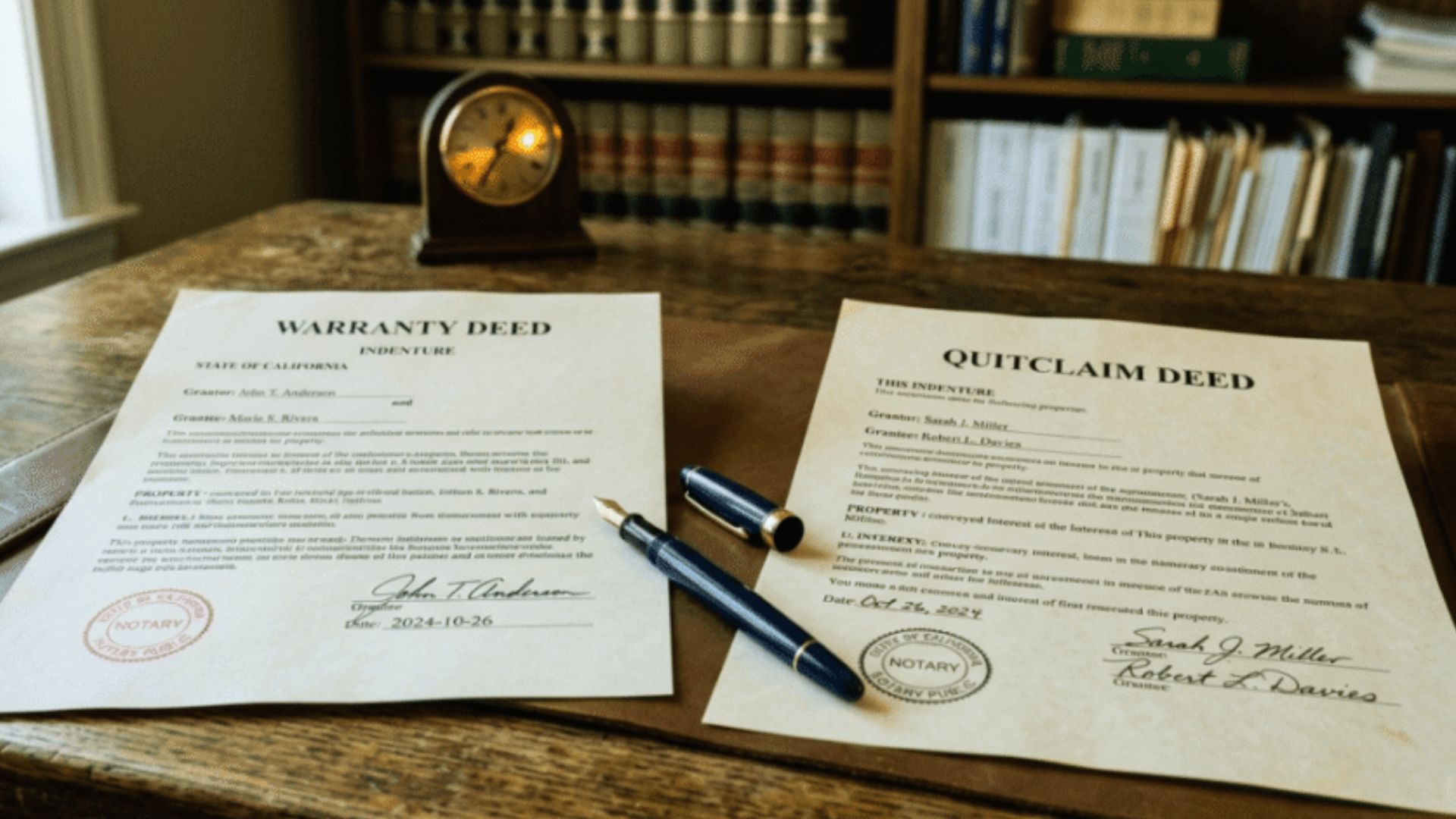
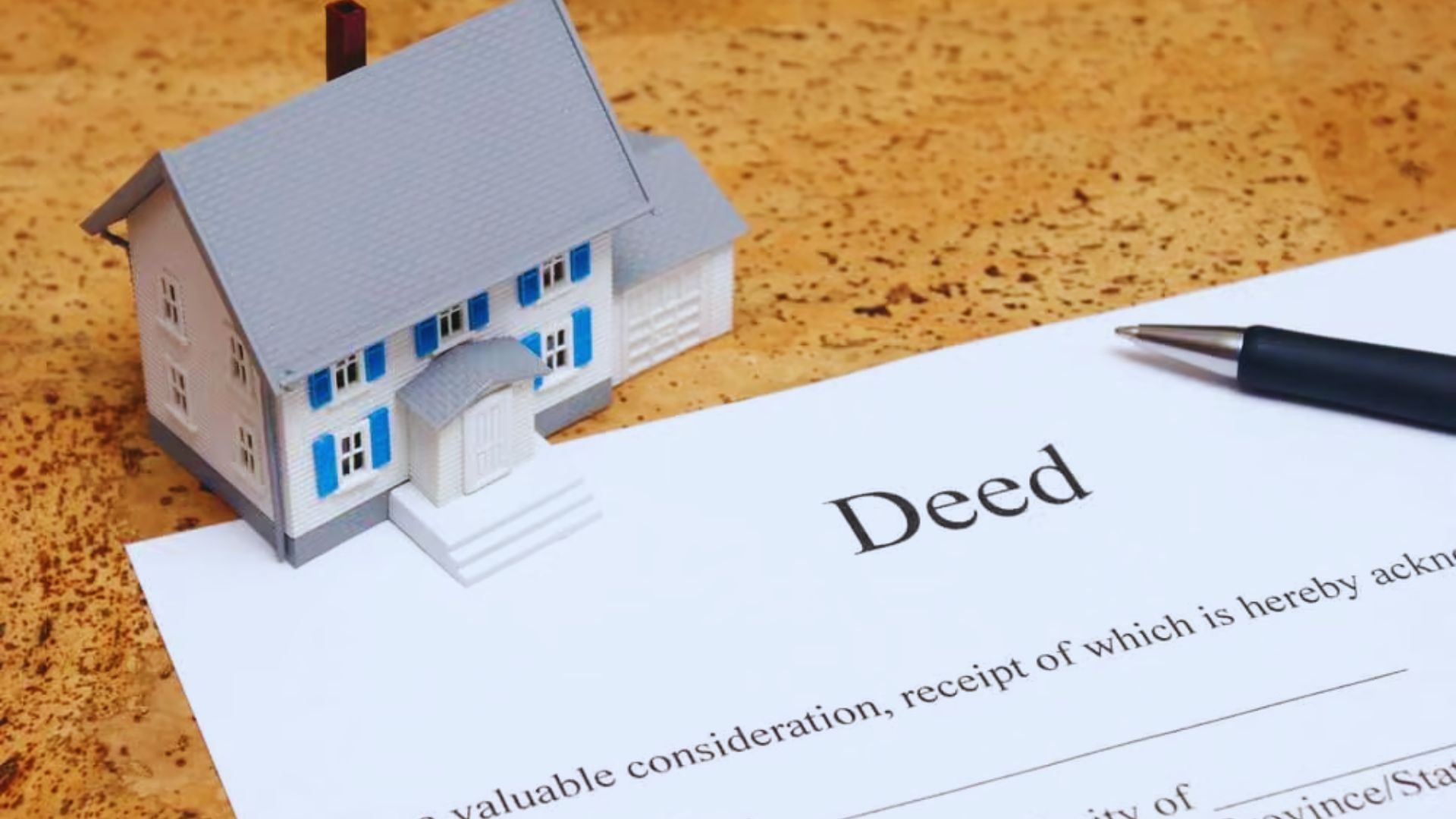
Your deed is the first place to check your ownership type. It shapes what you can do on your own, especially when it comes to leasing decisions.
Can One Owner Lease Out Property That Is Jointly Owned?
This is the core question, and the answer is not a simple yes or no. It depends on the situation.
When One Owner Can Lease the Property
In some cases, a co-owner can rent out the property or their share of it without getting the other owner’s permission.
This is more likely when:
- The ownership is structured as a tenancy in common
- The co-tenant agreement allows individual leasing decisions
- The other owner has already given written or verbal approval in the past
Some states allow a co-owner to lease their undivided interest, meaning a tenant could theoretically move in and share the space with the non-consenting owner.
However, in practice, this creates serious conflicts.
When All Co-Owners Must Agree
For most jointly owned properties, all owners should agree before signing a lease.
This is especially true when:
- The property is held in joint tenancy or tenancy by the entirety
- The co-tenant agreement requires mutual consent
- The property is a primary residence for one or more owners
Even when the law technically allows one owner to act alone, acting without the other owner’s knowledge can damage trust and trigger costly legal disputes.
Cases like Zaslow v. Kroenert show that courts carefully examine how co-owners exercise their rights when conflicts arise.
State Laws and Ownership Agreements
State laws vary widely on this issue. Some states give co-owners broad rights to lease without consent. Others require full agreement, especially for long-term leases.
Always check your state’s property laws or speak with a local real estate attorney. Your deed and any co-tenant agreement you signed will also outline what each owner is allowed to do.
Note that while a co-owner can lease or encumber their own share, they cannot encumber or convey the entire property without consent from all other owners.
That distinction matters if any financing or liens are involved.
Rights and Responsibilities of Co-Owners
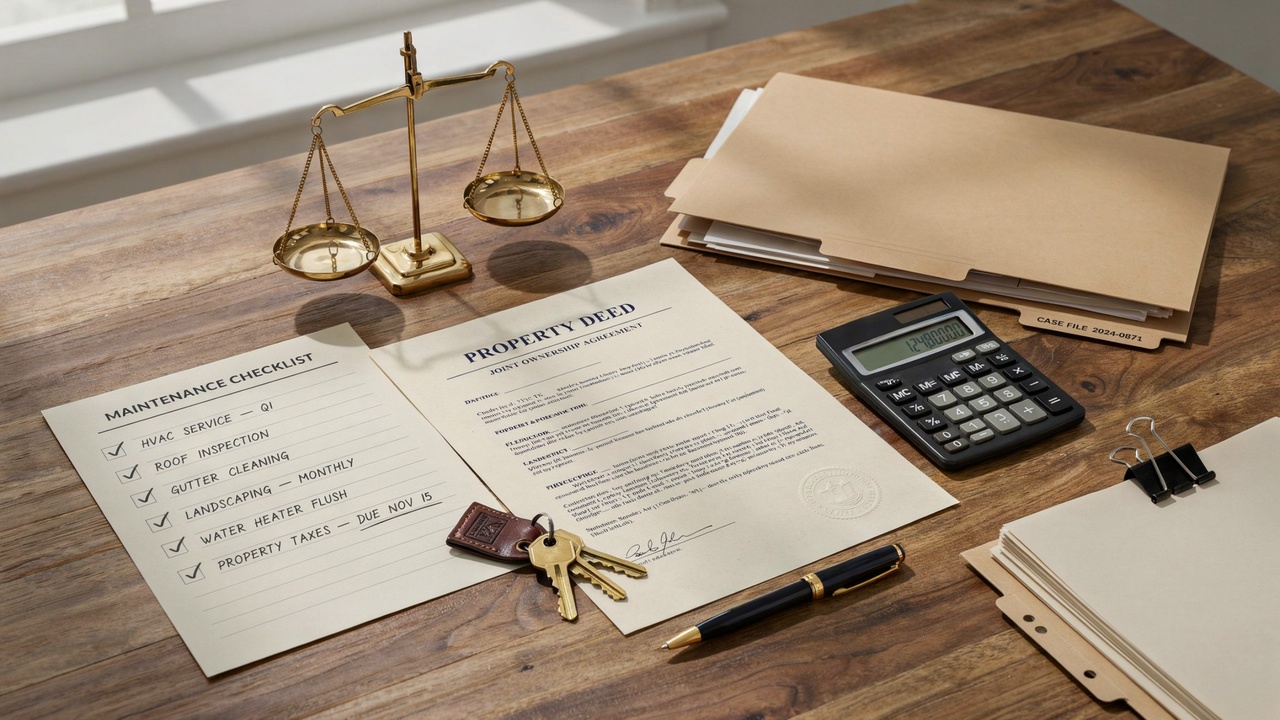
Co-owners share both privileges and obligations. Knowing both sides helps you make better decisions.
Rights to Use and Lease the Property
Every co-owner generally has the right to use and occupy the property. This includes the right to lease it out, but that right is not always unconditional.
Most courts recognize that leasing to a third party affects all co-owners, so they often require mutual consent before a valid lease can be signed.
A co-owner who is blocked from using or benefiting from the property by the other owner may also have an ouster claim. This is important because it can affect how rental income is divided.
Responsibilities Before Renting
Before leasing a jointly owned property, co-owners should:
- Agree on lease terms together
- Decide on a rental price that works for everyone
- Make sure the property is safe and up to code
- Review insurance coverage to ensure it covers rental use
- Confirm that a lease does not violate any HOA rules or local regulations
- Understand landlord-tenant law in your state, since it governs the lease once a tenant moves in
Skipping any of these steps can create problems down the line, both legally and financially.
Managing Decisions Between Co-Owners
Decision-making between co-owners works best when there is a written plan in place. Without one, disagreements can spiral quickly.
Consider creating a co-tenant agreement that outlines who handles property management, how decisions are made, and what happens if the owners disagree.
Majority vote works for some groups, but when there are only two owners, a tie-breaking process is important.
How Rental Income and Expenses Are Shared
Money is often where co-owner relationships get strained. Having clear rules from the start makes everything smoother.
Dividing Rental Income
Rental income is typically split based on ownership percentage. If two people each own 50%, they each receive half the rent.
If one person owns 60% and the other owns 40%, the income is split accordingly. This should be spelled out clearly in your co-tenant agreement to avoid arguments later.
Sharing Maintenance and Tax Costs
Just like income, costs are usually divided by ownership share.
This includes:
- Property taxes
- Repairs and maintenance
- Insurance premiums
- Property management fees
If one owner pays more than their share, they may have a right to reimbursement. Keep records of every expense so there is no confusion.
Handling Disagreements Over Income
If one owner collected rent and did not share it fairly, the other owner has a right to accounting.
They can demand a full financial record of all rent collected and take legal action if their share was withheld.
Courts can order the payment of unpaid shares plus interest. To avoid this, set up a shared bank account for rental income and expenses.
Automated transfers to each owner’s personal account can also prevent disputes.
What Happens If One Owner Leases Without Consent?

Leasing without the other owner’s approval is risky. It can create serious legal and personal problems.
Legal Consequences
If one owner signs a lease without consent, the other owner may have grounds to:
- Challenge the validity of the lease in court
- Sue the leasing owner for damages
- Seek an injunction to remove the tenant
- Force a partition of the property through the courts
Courts take these situations seriously, and judges often side with the non-consenting owner when there is clear evidence of unauthorized leasing.
Rights of the Non-Consenting Owner
The owner who did not agree to the lease has several rights.
They can:
- Demand a share of any rental income already collected, using the right to accounting
- Ask a court to declare the lease invalid
- Seek a buyout of the leasing owner’s share
- Request a partition sale if the co-ownership becomes unworkable
Even if the lease is technically legal under state law, the non-consenting owner still has the right to receive their portion of the income. Landlord-tenant law in your state will also affect what options are available to both parties.
Options for Resolving Disputes
When co-owners clash over leasing, there are a few ways to resolve the situation:
- Mediation: A neutral third party helps both owners reach a fair agreement without going to court.
- Buyout: One owner buys the other’s share so the remaining owner can make decisions independently.
- Partition action: A court-ordered division or sale of the property. Courts may order partition in kind, where the property is physically divided, or partition by sale, where the property is sold and proceeds are split.
Partition by sale is more common when dividing the property is not practical. This is often the last resort when owners cannot agree.
Acting quickly and calmly is always better than letting the dispute grow. Getting legal advice early can save time and money.
Tips for Leasing Jointly Owned Property
A little preparation goes a long way when multiple people own the same property.
- Put everything in writing before leasing. A co-tenant agreement covering decisions, income splits, and disputes protects everyone involved.
- Get written consent from all co-owners before signing any lease. A formal attorney-reviewed agreement offers the strongest protection.
- Track every dollar in and out. Log rent, repairs, and taxes, and share regular financial summaries with all co-owners.
- Set up a shared bank account for rental income and expenses to keep finances transparent and distributions clean.
- Consult a real estate attorney when owners disagree, laws are complex, or inherited property is involved. Early advice saves money.
Conclusion
Co-owning property comes with shared rights and shared responsibilities. The question of whether one owner can lease out property that is jointly owned does not have a one-size-fits-all answer.
It depends on ownership type, state law, and what you and your co-owners have agreed to.
Open communication, organized financial records, and a clear agreement between co-owners can prevent many leasing disputes before they begin.
If things get complicated, a real estate attorney can help you sort it out. Have questions about your own situation?
Drop them in the comments or share this article with a co-owner who needs to see it.
Frequently Asked Questions
Can a co-owner rent out their share of a property to a stranger?
In some states, yes. A tenant-in-common owner may lease their undivided interest, but this can create conflict and practical issues for all co-owners involved.
Does a co-owner have to pay rent to live in a jointly owned property?
Generally no, unless a co-tenant agreement requires it or one owner is excluded from using the property by another. That exclusion could also give rise to an ouster claim.
Can co-owners force a sale if they disagree about renting?
Yes. Any co-owner can file a partition action in court, which can result in a partition by sale of the jointly owned property.
What happens to a lease if a co-owner dies?
The lease may remain valid depending on state law and ownership type. In a joint tenancy, the right of survivorship means the deceased owner’s share passes automatically to surviving co-owners. The lease terms and state law will determine what happens next.
Can one co-owner evict a tenant the other owner brought in?
This depends on state law and the lease terms. If the lease was signed without consent, the non-consenting owner may have legal grounds to challenge it. Unlawful detainer rules in your state will govern the eviction process.