If you are wondering how long can a house stay in a trust after death, you are not alone. Many families are unsure when a home must be transferred, sold, or kept in the trust. The answer depends on the trust terms, state laws, and the trustee's responsibilities.
This guide explains what happens after the trust creator dies, what can affect the timeline, and what beneficiaries should expect. It also compares common options and points out mistakes that may cause delays.
The information is based on how trusts are commonly managed and aims to help you understand the process with more confidence.
Understanding What Happens to a House in a Trust After Death
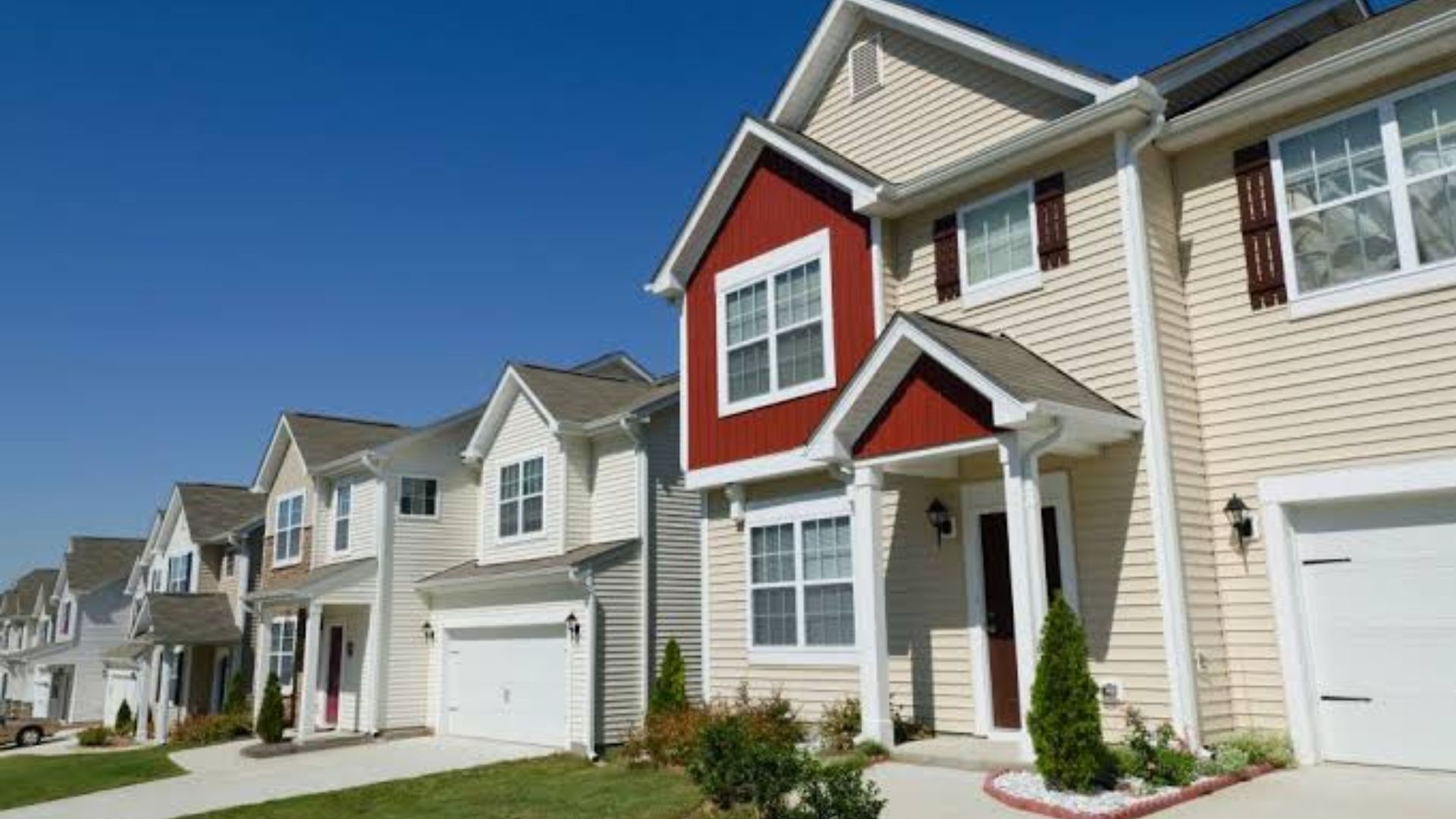
A house held in a trust follows the instructions written in the trust document after the owner's death.
When the person who created the trust, often called the grantor, dies, the house does not automatically pass to the beneficiaries. Instead, the trustee takes responsibility for managing the property according to the trust document.
The trustee must review the trust, identify the beneficiaries, and make sure all legal and financial responsibilities are handled. This can include paying bills related to the home, maintaining insurance, and protecting the property's value.
Unlike property that goes through probate, a house held in a trust can often be managed without court involvement. Even so, the trustee must still follow the law and the instructions left by the grantor before transferring or selling the property.
How Long Can a House Stay in a Trust After Death?
The amount of time depends on the trust's instructions, legal requirements, and the trustee's actions.
Many people ask how long a house can stay in a trust after death because there is no single answer. Some homes remain in a trust for only a few months, while others stay for years. In most cases, there is no fixed deadline.
The trust document typically controls how long the property should be held, and state laws generally do not require an immediate transfer. If the trust directs the trustee to distribute the home after debts and taxes are settled, the transfer may happen within months.
However, if the property must be held until beneficiaries reach a certain age or meet specific conditions, it may remain in the trust much longer. Unresolved debts, tax matters, or disagreements among beneficiaries can also extend the timeline.
As long as the trustee follows the trust terms and legal duties, keeping the house in the trust for an extended period may be entirely appropriate.
Factors That Determine How Long a House Stays in a Trust
Several legal and financial factors influence how quickly a house can leave a trust.
Instructions Written in the Trust Document
The trust document is the most important guide for the trustee. It explains whether the home should be transferred, sold, rented, or held for future use.
The trustee must follow these instructions unless a court orders otherwise.
State Laws and Trust Administration Requirements
Each state has its own trust laws. These laws can affect trustee responsibilities, required notices to beneficiaries, and the steps needed before property can be distributed.
Understanding local rules helps prevent unnecessary delays.
Beneficiary Agreements and Family Circumstances
When beneficiaries agree on what should happen to the property, the process often moves more smoothly.
If family members disagree about selling or keeping the house, the trustee may need extra time to resolve the issue or seek legal guidance.
Outstanding Debts, Taxes, and Creditor Claims
Before transferring a house, the trustee may need to pay valid debts, taxes, and other expenses owed by the trust or estate.
Waiting until these obligations are settled helps protect both the trustee and the beneficiaries.
Market Conditions and Timing the Home Sale
If the trust requires the house to be sold, the trustee may choose a time when the local housing market is more favorable.
Selling too quickly could reduce the value received for the beneficiaries.
Timeline: What Typically Happens to a House in a Trust After Death?

Most trusts follow a series of steps before the house is transferred or sold.
After the grantor's death, the trustee gathers important documents, confirms the death, secures the property, and reviews the trust instructions. Utility payments, insurance coverage, and property maintenance should continue during this period.
The trustee then manages the trust's ongoing responsibilities, which may include notifying beneficiaries, collecting financial records, paying expenses, and keeping the property in good condition while decisions are made.
If the trust directs that the house should pass to one or more beneficiaries, the trustee prepares the required legal documents to complete the ownership transfer after all conditions have been met.
Some trusts instruct the trustee to sell the home and divide the proceeds among beneficiaries. In that case, the trustee handles the sale, pays any remaining obligations, and distributes the funds according to the trust terms.
Once the property has been transferred or sold, debts have been paid, and distributions have been completed, the trustee can finish the remaining administrative tasks and formally close the trust if its purpose has been fulfilled.
Can a House Stay in a Trust Indefinitely?

Some trusts can hold a house for many years, but this depends on the trust terms and state law.
Situations Where Long-term Trusts are Allowed
A trust may keep a house for an extended period if it is meant to support minor children, provide housing for a family member, or protect assets for future generations.
In these cases, the trustee continues managing the property according to the trust.
Trust Duration Rules and State Law Limitations
Some states limit how long certain trusts can remain active, while others allow longer-lasting trusts under specific laws.
The trust document and state rules together determine how long the property may stay in the trust.
When Keeping the Property in the Trust Makes Sense
Keeping the house in the trust may help preserve the property until market conditions improve, allow a beneficiary to continue living there, or provide better long-term management when several beneficiaries share ownership.
What Determines Whether to Keep or Transfer the House?
The trustee must balance the trust's instructions with the needs of the beneficiaries.
A house may remain in the trust to produce rental income, provide housing for a beneficiary, or protect the property until a future date specified in the trust.
Transferring ownership, on the other hand, may reduce ongoing administrative work, give beneficiaries direct control of the property, and allow them to sell, refinance, or live in the home.
Before making a decision, beneficiaries should consider maintenance costs, tax responsibilities, mortgage payments, ownership rights, and whether selling or keeping the property better matches their financial goals.
House in a Trust vs House Going Through Probate
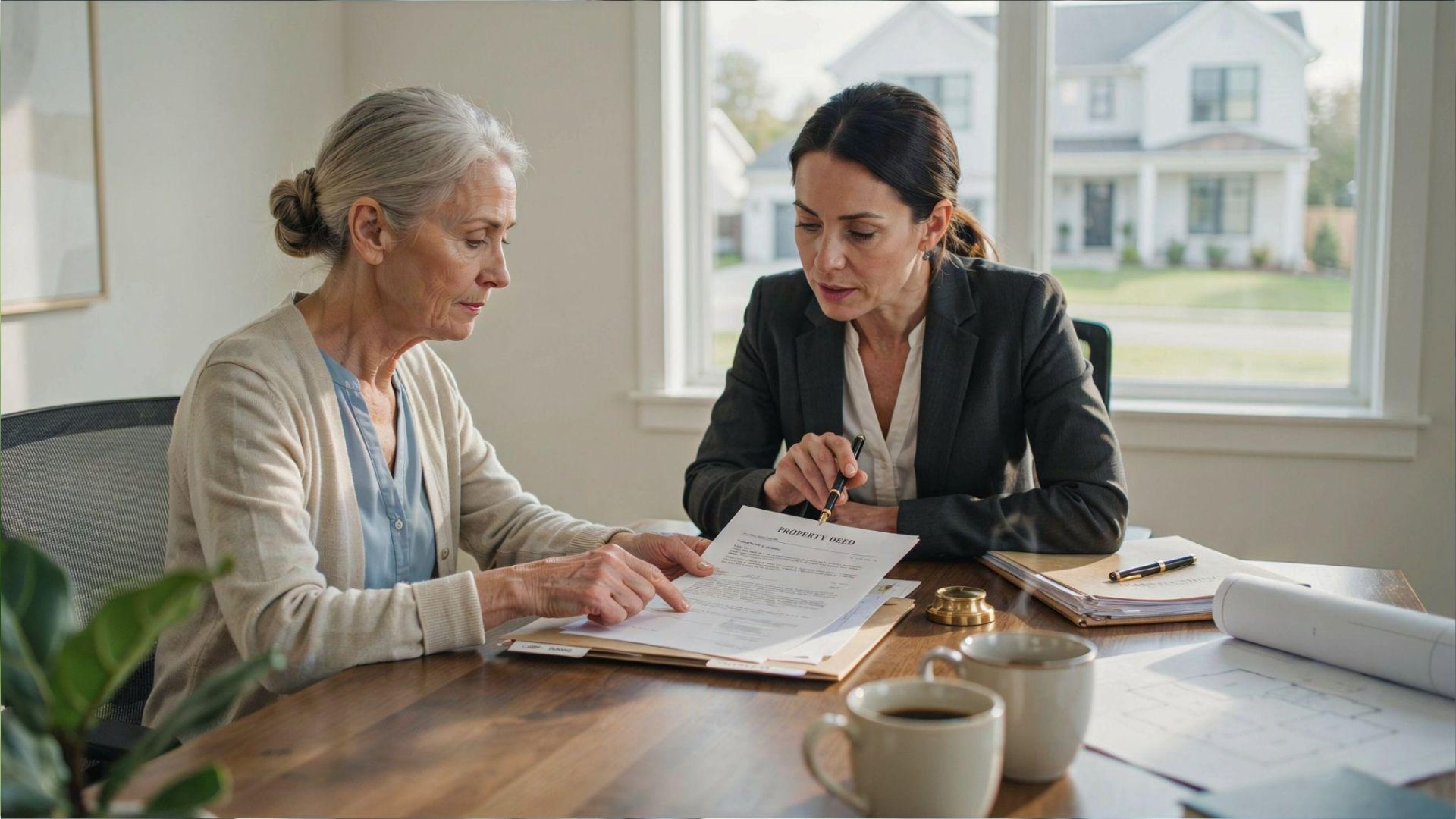
Understanding the differences can help families know what to expect after a property owner dies.
Property held in a trust is often transferred faster because it usually avoids the probate process, which can take several months or longer depending on the estate.
Trust administration also tends to involve fewer court costs, while probate may include filing fees, court supervision, and additional legal expenses.
Additionally, trust administration generally keeps property matters private, whereas probate records are usually public, making estate details more accessible to others.
A trust is often more convenient when properly funded before death. Probate may still be required for assets that were never placed into the trust.
Can Beneficiaries Live in or Sell the House Before the Trust Closes?
The trustee must follow the trust terms before allowing anyone to use or sell the property.
A beneficiary may be allowed to live in the house if the trust permits it or the trustee approves, provided any conditions in the trust are followed.
The trustee can also sell the house if the trust grants that authority, with the proceeds distributed according to the trust instructions. In some cases, trustees rent out the home to cover mortgage payments, taxes, insurance, and maintenance until a final decision is made.
Tax and Financial Considerations for a House in a Trust
Understanding the financial side can help beneficiaries avoid unexpected costs.
Step-up in Basis and Capital Gains Implications: Many inherited homes receive a step up in basis, which may reduce capital gains tax if the property is sold. Tax rules vary, so professional advice is helpful.
Property Taxes, Insurance, and Maintenance Costs: The trust is generally responsible for ongoing expenses until ownership changes. Missing payments can reduce the property's value or create legal issues.
Mortgage Responsibilities After the Trust Creator Dies: If a mortgage remains on the house, payments must continue. The trustee manages these obligations until the loan is paid off, refinanced, or assumed by a qualified beneficiary.
Common Mistakes That Delay the Transfer of a House
Avoiding common errors can help the process move more smoothly.
- Trustees must carry out the terms of the trust carefully and completely. Acting outside those boundaries can create legal liability and disputes with beneficiaries.
- Keeping beneficiaries informed throughout the process helps prevent misunderstandings and builds trust. Regular updates on the property's status and timeline are generally expected.
- Trustees should document all decisions, expenses, and communications related to the property. Proper recordkeeping protects the trustee and supports a smooth administration process.
- Required filings and obligations must be completed on time to avoid penalties or complications. Rushing a property sale before these duties are fulfilled can create unnecessary problems.
Expert Tips to Settle a House Held in Trust More Efficiently
Good planning and clear communication help reduce delays.
- Maintaining clear and accessible records of all trust-related paperwork helps the administration process run smoothly. Disorganized documents can cause delays and create complications down the line.
- The trustee is responsible for keeping the home in good condition until it is transferred or sold. Neglecting maintenance can reduce the property's value and lead to disputes among beneficiaries.
- Timely responses to legal and tax matters help avoid penalties and keep the administration on track. Delays in addressing these requests can slow the entire process.
- Attorneys, accountants, and other specialists can help trustees handle complex situations correctly. Regular updates to beneficiaries also help everyone stay informed on progress.
Conclusion
Understanding how long can a house stay in a trust after death helps families make informed decisions during trust administration.
The timeline depends on the trust document, state law, financial obligations, and the trustee's responsibilities. Knowing what affects the process can help prevent delays and reduce confusion for everyone involved.
If you are dealing with a house held in a trust, review the trust carefully and seek guidance when needed. If you found this article helpful, leave a comment, share it with others, or read more of our estate planning guides.
Frequently Asked Questions
Can a trustee refinance a house held in a trust?
Yes, if the trust permits it and the lender agrees. Approval depends on the trust terms and the property's financial situation.
What happens if a beneficiary refuses to accept a house from a trust?
The beneficiary may disclaim the inheritance. The property is then handled according to the trust's alternate distribution instructions.
Can a trust own more than one house after the grantor dies?
Yes. A trust can continue holding multiple properties if its terms allow the trustee to manage them after the grantor's death.
Does homeowners insurance need to change after the grantor dies?
Yes. The trustee should notify the insurance company so coverage reflects the current ownership and management of the property.
Can improvements be made to a house while it is still in a trust?
Yes. The trustee may approve reasonable repairs or improvements if they protect the property's value and comply with the trust's terms.