If you're wondering who owns the property in a life estate, you're not alone. The answer isn't always as simple as one person owning the home.
A life estate gives different people different legal rights, which can make things confusing.
In this guide, we'll explain who owns the property, the roles of the life tenant and remainderman, their rights and responsibilities, and what happens when the life tenant passes away.
Will also cover taxes, selling the property, and common mistakes to avoid.
The goal is to provide clear, reliable information based on how life estates generally work, so you can make informed decisions with confidence.
By the end, you'll have a much clearer understanding of your options.
The Short Answer: Who Owns the Property in a Life Estate?

The answer is that both the life tenant and the remainderman have legal ownership interests, but they have different rights. The life tenant has the legal right to live in, use, and benefit from the property for the rest of their lifetime.
The remainderman holds a future ownership interest and automatically becomes the full owner when the life tenant dies. These ownership rights are divided rather than shared equally, meaning each party has specific legal interests that take effect at different times.
Understanding this split ownership is important because it affects decisions about selling, maintaining, and transferring the property.
What Is a Life Estate?

A life estate is a legal arrangement that allows one person, known as the life tenant, to use and occupy a property for the rest of their life while another person, called the remainderman, receives full ownership after the life tenant's death.
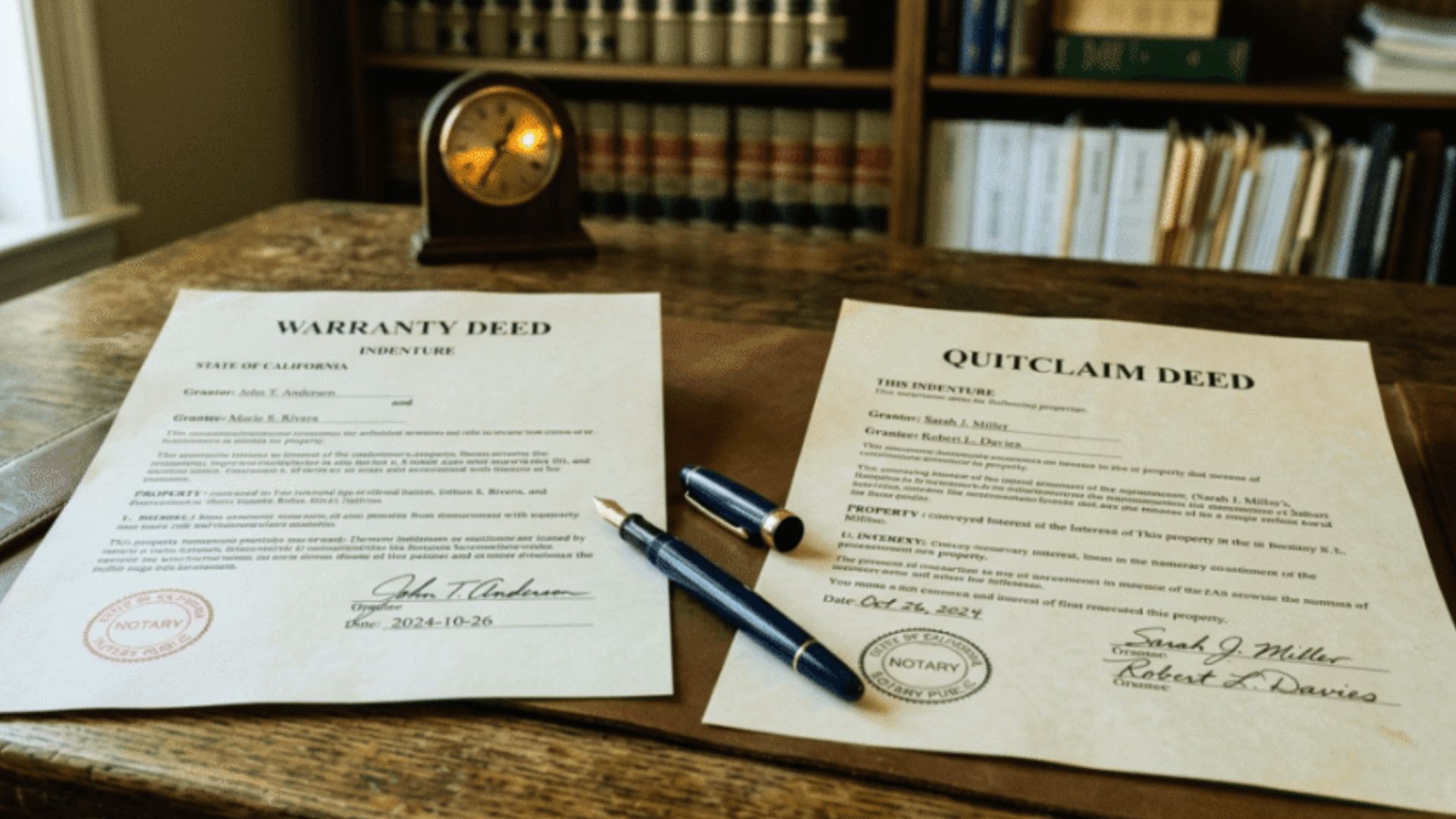
It is created through a legal document, such as a deed, that divides ownership into present and future interests.
During the life tenant's lifetime, they can usually live in the home, collect rental income, and enjoy the property, but they may face limits on selling or transferring full ownership without the remainderman's agreement.
People often create life estates to simplify estate planning, avoid probate, and ensure property passes directly to a chosen beneficiary after death.
Who Are the Parties in a Life Estate?

A life estate involves three key parties, each with a different legal role. Understanding who they are and how their rights differ can help avoid confusion about property ownership and responsibilities.
The Life Tenant
The life tenant is the person who has the legal right to live in, use, and benefit from the property during their lifetime. They may occupy the home, collect rental income, and make reasonable improvements.
In most cases, the life tenant is also responsible for property taxes, insurance, and routine maintenance. However, they generally cannot sell or transfer full ownership of the property without the remainderman's consent.
The Remainderman
The remainderman is the person who holds the future ownership interest in the property. Although they do not have the right to possess or use the property while the life tenant is alive, they automatically become the full legal owner when the life tenant dies.
The remainderman also has an interest in protecting the property's value because they will eventually inherit it.
The Original Property Owner (Grantor)
The grantor is the person who creates the life estate by transferring ownership through a legal deed. In many cases, the grantor names themselves as the life tenant while choosing another person, such as a child or family member, to be the remainderman.
Once the life estate is established, the grantor's rights depend on whether they remain the life tenant or transfer those rights to someone else.
What Rights Does the Life Tenant Have?

A life tenant has the legal right to live in and use the property for the rest of their lifetime. They may occupy the home as their primary residence, lease it to tenants, and collect rental income if the property is rented.
The life tenant can also make reasonable improvements that maintain or improve the property's condition, although major changes may require the remainderman's agreement in some situations.
Along with these rights come important responsibilities, including paying property taxes, maintaining homeowners insurance when required, and handling routine maintenance and repairs to preserve the property's value.
However, a life tenant generally cannot sell or transfer full ownership of the property without the remainderman's consent because the remainderman holds the future ownership interest.
What Rights Does the Remainderman Have?

The remainderman has a legal future ownership interest in the property, which means they automatically become the full owner when the life tenant dies.
Although they do not have the right to live in or control the property during the life of the tenant's lifetime, they have an important interest in protecting the property's value.
If the property is being neglected or intentionally damaged, the remainderman may have legal options to protect their future interest under applicable law.
One of the main benefits of being a remainderman is that ownership typically transfers automatically, often avoiding probate.
However, until the life tenant's death, the remainderman generally cannot occupy, sell, or take possession of the property without the life tenant's rights or mutual agreement where required.
Can a Life Tenant Sell or Transfer the Property?
A life tenant has limited rights when it comes to selling or transferring a life estate property. In many cases, they can sell or transfer only their life estate interest, which gives the new owner the right to use the property only for the remainder of the original life tenant's lifetime.
However, a life tenant cannot sell the property's full ownership without the remainderman's consent, because the remainderman holds the future ownership interest. This means both parties typically must agree before the entire property can be sold.
A life tenant is also limited in their ability to transfer ownership in a way that affects the remainderman's rights. Since state laws governing life estates can differ, the exact rules and available options may vary depending on where the property is located.
Who Pays Property Taxes and Maintenance in a Life Estate?
In most life estates, the life tenant is responsible for the ongoing costs of owning and maintaining the property during their lifetime.
- Property taxes: The life tenant is generally responsible for paying annual property taxes.
- Homeowners insurance: The life tenant typically maintains homeowners insurance to protect the property, subject to the terms of the life estate and applicable law.
- Routine maintenance: The life tenant is usually responsible for regular upkeep, repairs, and keeping the property in good condition.
- Major repairs: Responsibility for major repairs may depend on the life estate agreement and state law, but the life tenant often handles necessary repairs to preserve the property's value.
- HOA fees (if applicable): The life tenant generally pays homeowners association fees and complies with applicable HOA rules while occupying the property.
What Happens When the Life Tenant Dies?
When the life tenant dies, their rights in the property end, and ownership automatically passes to the remainderman. In most cases, this transfer avoids probate because the property passes according to the life estate deed rather than through the deceased person's will.
The transfer occurs by operation of law, meaning ownership changes automatically once the life tenant passes away.
Although the process is generally straightforward, the remainderman may still need to complete a few administrative steps, such as recording the life tenant's death certificate with the local land records office, updating the property title if required, notifying the tax assessor, and transferring homeowners insurance or utility accounts into their name.
Requirements can vary depending on state law.
Can a Life Estate Be Changed or Ended?
A life estate can sometimes be changed or ended, but doing so is not always simple. The most common method is through an agreement between all parties, including the life tenant and the remainderman.
If everyone agrees, they may choose to sell the property, with the proceeds divided according to their legal interests or another agreed arrangement.
In limited situations, a court order may modify or terminate a life estate, such as when there is a legal dispute or other exceptional circumstances.
A life estate may also end through a merger of interests, which happens when one person acquires both the life estate and the remainder interest. Because life estate laws differ, state-specific rules may affect how these changes can be made.
Can a Remainderman Sell Their Interest in a Life Estate?
Yes, a remainderman can sell their interest in a life estate, but they can only sell the remainder interest, not the entire property.
The buyer does not receive the right to live in or use the home while the life tenant is alive. Instead, they must wait until the life estate ends, usually when the life tenant passes away.
Because the buyer cannot take immediate possession, finding someone willing to purchase a remainder interest can be difficult. Most buyers prefer properties they can use or sell right away, making these transactions relatively uncommon.
Selling the remainder interest may also affect the property's market value. Since the buyer must wait an unknown amount of time before gaining full ownership, the interest is often worth less than the value of the property itself. Factors such as the life of the tenant, health, and local real estate market can influence the price.
If a remainderman wants to sell, it is wise to understand the financial and legal effects before completing the transaction.
Can a Life Estate Property Be Mortgaged?
Getting a mortgage on a life estate property is often more complicated than financing a standard home.
A life tenant usually cannot take out a mortgage on the entire property without the remainderman's consent. Since the life tenant owns only a lifetime interest rather than full ownership, most lenders consider the property insufficient collateral on its own.
In many cases, both the life tenant and the remainderman must sign before a lender will approve a mortgage that uses the property as security. This gives the lender access to the full ownership interest if the loan is not repaid.
The same issue applies to home equity loans or home equity lines of credit (HELOCs). Because the life tenant's ownership ends at death, lenders are often reluctant to approve these loans unless all owners with an interest in the property agree.
Whether financing is available depends on the lender's policies, the ownership structure, and state law.
Does a Life Estate Protect the Property From Medicaid Recovery?
A life estate may offer some Medicaid planning benefits, but it does not automatically protect a property from Medicaid estate recovery.
One important rule is Medicaid's five-year lookback period. If a life estate is created or property is transferred within five years before applying for Medicaid long-term care benefits, the transfer could trigger a penalty period that delays eligibility.
Even after a life estate is established, Medicaid estate recovery rules differ by state. Some states may seek recovery from certain property interests after the life tenant dies, while others have different exemptions or recovery procedures.
Because Medicaid rules are complex and vary widely, a life estate should never be created solely to avoid Medicaid recovery without understanding the legal consequences.
If Medicaid planning is part of your estate plan, speaking with an experienced estate planning or elder law attorney can help you understand how your state's laws apply and whether a life estate is the right strategy for your situation.
Benefits and Drawbacks of a Life Estate
A life estate offers several estate planning benefits, but it also comes with important legal and practical limitations to consider.
| Benefits | Drawbacks |
| Avoids probate | Limits selling options |
| Provides lifetime housing | Requires cooperation between parties |
| Simplifies property transfer | May affect financing options |
| Can support estate planning | Tax and Medicaid rules may apply |
| Protects future beneficiaries | Ownership rights are divided |
Life Estate vs Living Trust
Although both can help transfer property outside of probate, they work differently and offer different levels of flexibility and control.
| Life Estate | Living Trust |
| Transfers ownership after death automatically | Assets are managed through a trust |
| Life tenant keeps lifetime use | Trustee manages property |
| Difficult to change without consent | Often easier to amend while revocable |
| Limited flexibility | Greater control and planning options |
| Used mainly for real estate | Can hold many types of assets |
Common Mistakes to Avoid With a Life Estate
Avoiding these common mistakes can help prevent disputes and protect everyone's rights in a life estate.
- Not understanding ownership rights: Learn how the life tenant's rights differ from the remainderman's future ownership interest.
- Ignoring maintenance responsibilities: Keep up with property taxes, insurance, and routine maintenance to preserve the property's value.
- Failing to communicate with the remainderman: Maintain open communication to help avoid misunderstandings and future disputes.
- Assuming the property can be sold freely: Remember that selling full ownership usually requires the remainderman's consent.
- Overlooking tax and legal consequences: Consider the potential tax, Medicaid, and legal implications before creating, changing, or ending a life estate.
Conclusion
Understanding who owns the property in a life estate becomes much easier once you know how the life tenant's and remainderman's rights work together.
I believe taking a little time to understand these roles now can prevent confusion and difficult decisions later.
If you're creating or receiving a life estate, knowing your rights is a valuable first step.
If this guide helped you, leave a comment, share it with someone who may benefit, or try our related estate planning articles for more helpful insights.
Frequently Asked Questions
Can the remainderman force the life tenant to leave the property?
No. The life tenant generally has the legal right to live in and use the property for the rest of their lifetime unless a court orders otherwise.
Can a life tenant leave the property to someone else in a will?
No. A life tenant's rights usually end at death, so they cannot leave full ownership of the property to another person through a will.
Does a life estate avoid probate?
Yes. In most cases, the property passes directly to the remainderman after the life tenant's death, helping avoid the probate process.
Can a mortgage be placed on a life estate property?
It depends. A life tenant may have limited borrowing options, and many lenders require the remainderman's involvement before approving a mortgage.
Can a life estate be revoked after it is created?
Sometimes. A life estate may be changed or ended if all required parties agree or if state law allows it under specific circumstances.