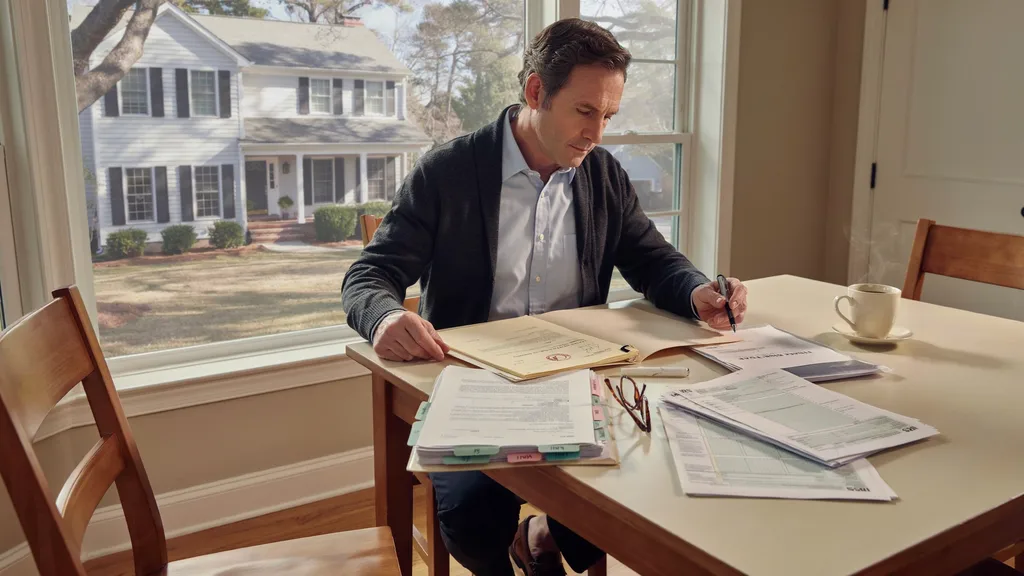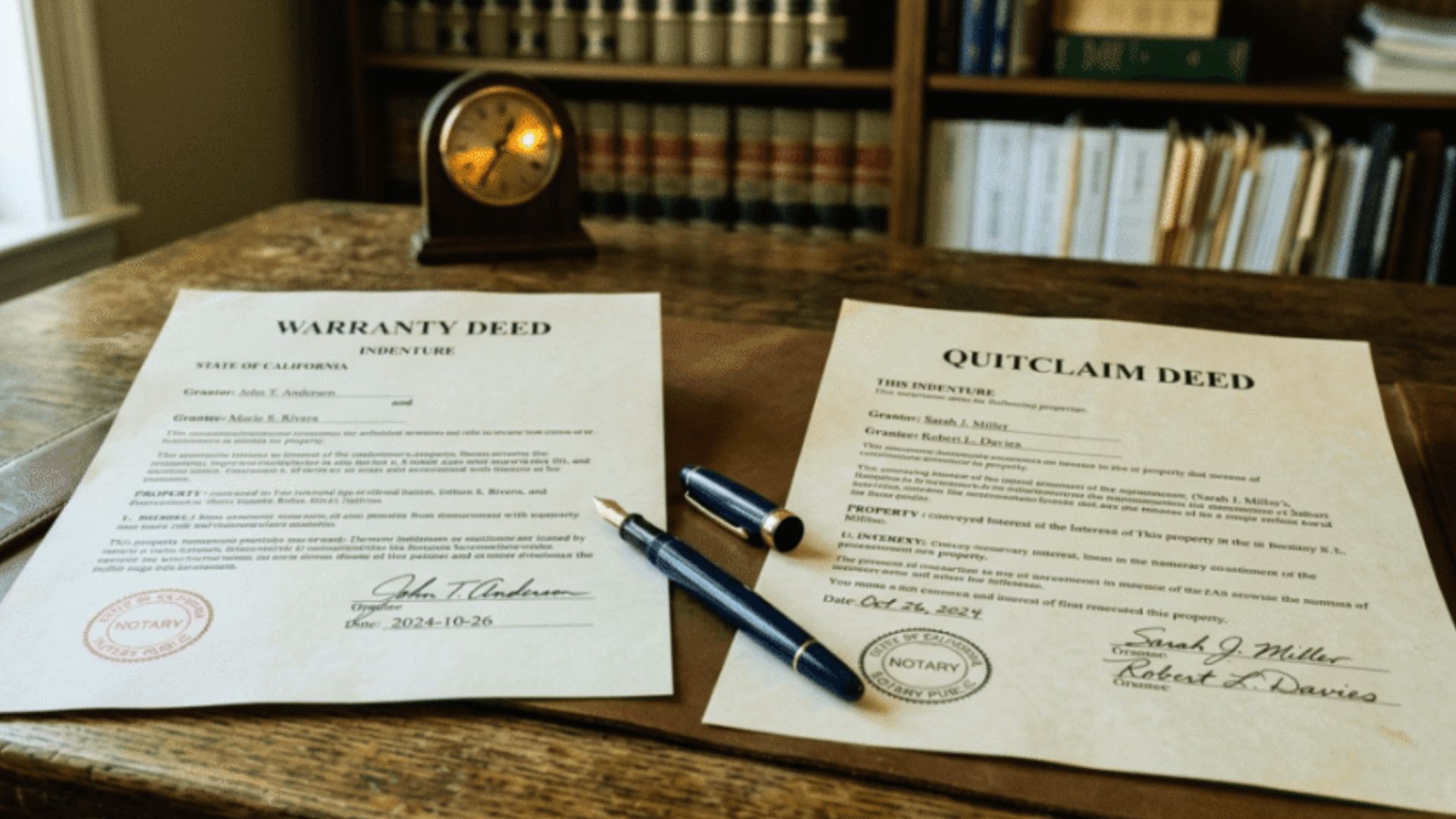
When someone dies and leaves property outside a trust, families often feel lost about what to do next. The process can be confusing, slow, and costly if you do not know the rules.
This guide explains what happens to property not in trust after death, who inherits it, how it gets transferred, and what you can do to avoid problems.
If you are settling an estate or preparing your estate early, you will find clear answers here.
We have helped many families work through these exact situations, and the steps are more manageable than most people expect.
By the end of this guide, you will know exactly what to do and how to reduce legal complications and unnecessary expenses.
Understanding Property Not in Trust After Death
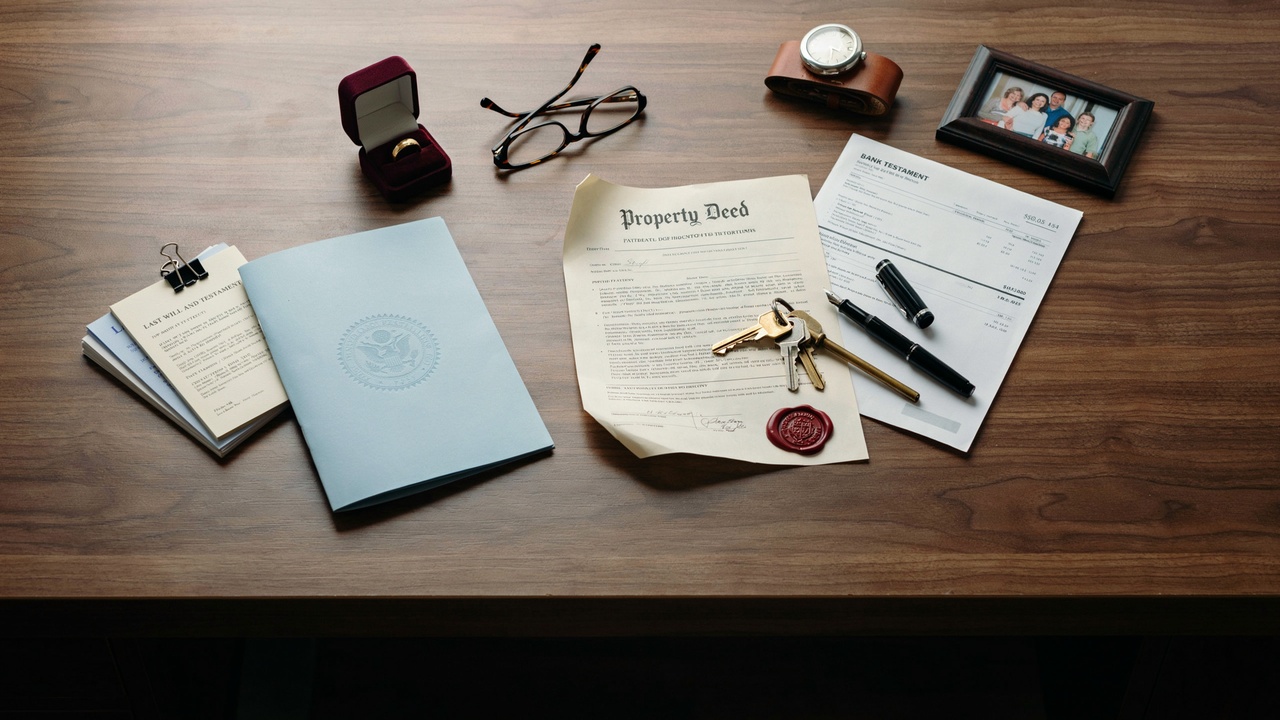
Not all assets pass through a trust when someone dies, and those left outside it must go through a different process entirely.
When a person dies, some property sits outside any trust, and that changes how it is handled after death. Property not in a trust is any asset the owner held in their own name without naming a trust as the owner.
This includes real estate, bank accounts, vehicles, and personal belongings that were never retitled. These assets do not pass automatically to heirs and require a separate legal process to transfer ownership.
Many people create a revocable living trust but forget to move all their assets into it. This step, called trust funding, is what actually puts assets under the trust’s control. Others buy new property after setting up the trust and never update it.
Some simply do not know that a trust only controls what is inside it. Assets like retirement accounts and life insurance policies with named beneficiaries also stay outside a trust by design, since they pass directly to the named person.
How property is titled determines what happens to it after death. If the title shows only the deceased person’s name, the asset must go through the estate process.
If it is jointly owned with a right of survivorship, it passes directly to the surviving owner. Ownership structure is one of the most important factors in how quickly and easily an estate is settled.
What Happens to Property Not in Trust After Death
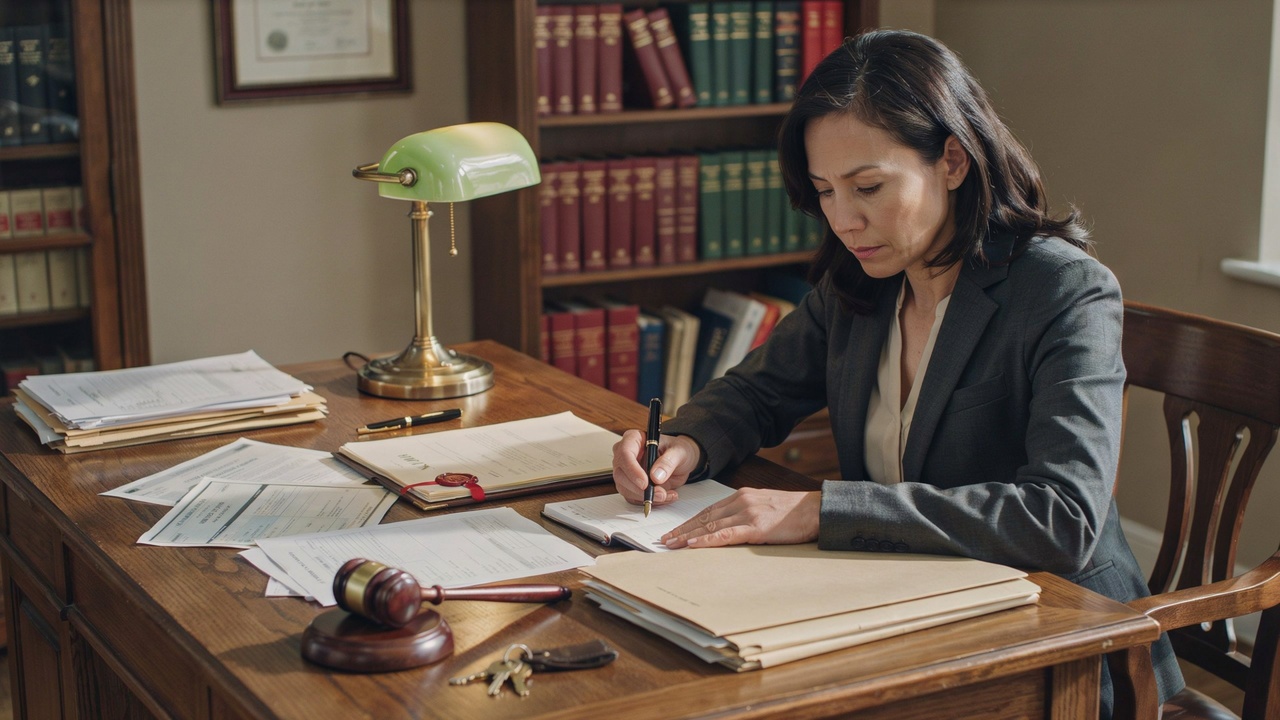
Property left outside a trust usually requires extra steps before it can be passed on to heirs, and the process depends on the estate’s value and how the property was owned.
When property is not in a trust, it often must go through probate before anyone can receive it.
Probate is the court-supervised process where probate court validates the will, appoints a personal representative, and oversees the transfer of assets.
This can take months or even years depending on estate size and local court schedules.
Some people use a pour-over will as a safety net. This document directs assets left outside the trust to flow into it at death. Even so, those assets still go through probate first.
Before property transfers to heirs, the estate must pay its debts. Creditors can file claims during probate, and medical bills, loans, and taxes are paid from estate assets first.
If the property carries a mortgage, the heir may need to take over payments or sell. Federal and state estate taxes may also apply.
Illiquid assets such as a family home or small business can be especially hard to manage during probate since they cannot be quickly sold or split to cover debts.
Not every asset outside a trust requires full probate. If the total value falls below a set threshold, heirs may use a small estate affidavit to skip court entirely.
Some states also offer a summary administration process for modest estates.
Who Inherits Property Not in Trust After Death

Who inherits property not in a trust depends entirely on whether the deceased left a valid will and how the property was titled.
A will names who receives the deceased person’s property, and if it is valid, the court distributes assets according to its instructions during probate.
The executor, also called the personal representative, named in the will manage this process by gathering assets, paying debts, and transferring what remains to the named beneficiaries.
When someone dies without a will, they are said to have died intestate, and state intestacy laws then decide who inherits. These laws typically favor spouses and children first, then other close relatives.
If no relatives are found, the property may go to the state. This can be a real problem in blended families or unmarried partnerships, where the people the deceased wanted to inherit may get nothing.
Dying without a will often leads to longer delays and outcomes the deceased may not have wanted.
Once debts are paid and the court approves the distribution, heirs receive their share. For real estate, a deed must be prepared and recorded in the county where the property is located.
For bank accounts and vehicles, the executor works with the financial institution or DMV to retitle the asset.
The process requires proper documentation at every step, and missing even one document can slow everything down significantly.
How Property Not in Trust Is Transferred
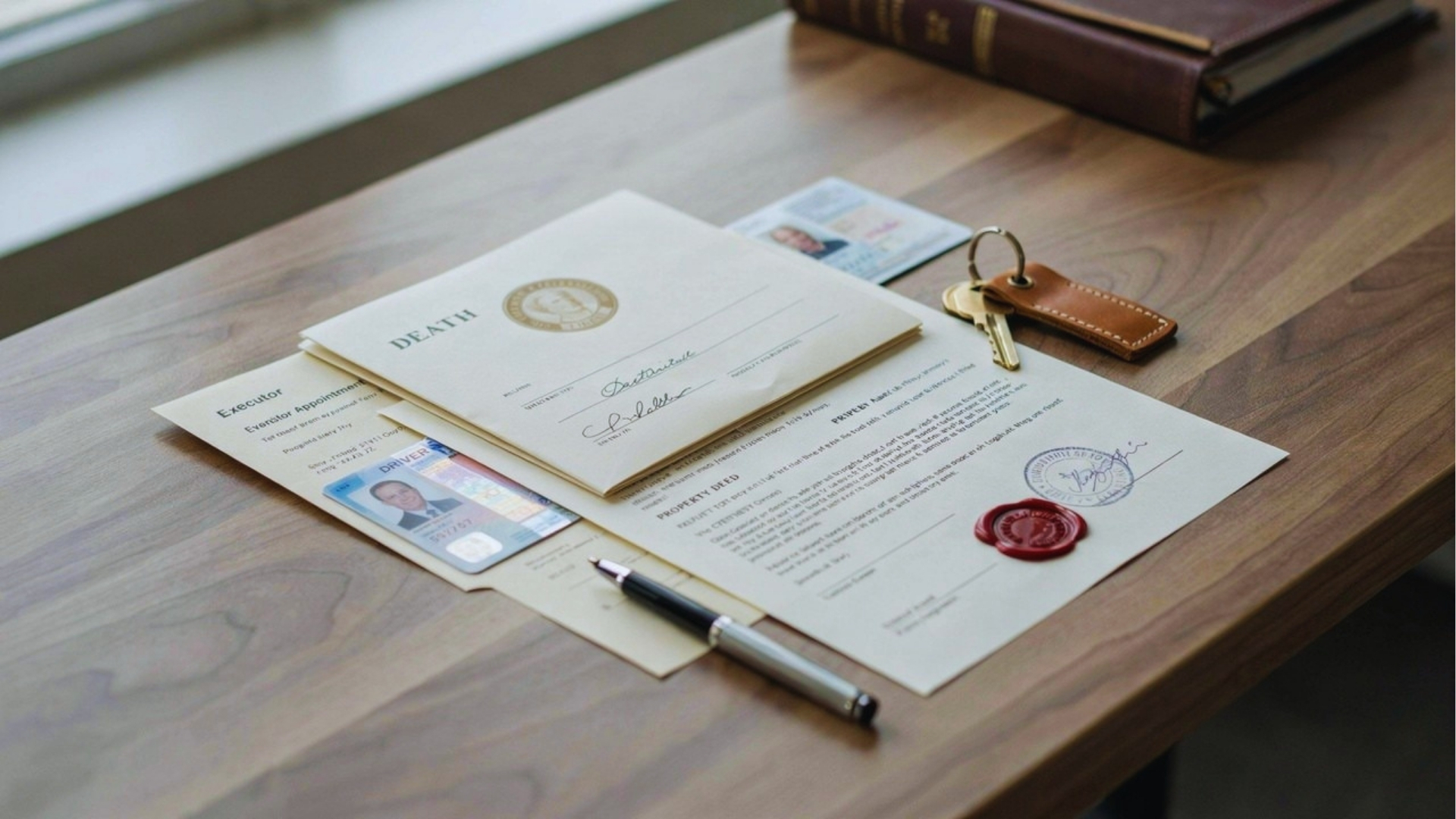
Transferring property after death takes careful attention to paperwork and deadlines.
Steps in the Property Transfer Process
The process generally starts with filing the will in probate court. The court appoints an executor or personal representative.
That person then creates an inventory of assets, notifies creditors, pays debts, and files any required tax returns.
After that, remaining assets are distributed to heirs. For real estate, a new deed is recorded. For other assets, accounts are retitled or funds are distributed directly.
Documents Needed to Transfer Ownership
You will typically need a certified copy of the death certificate, the original will, letters testamentary from the court, and a valid photo ID.
For real estate, you will also need a new deed, a legal description of the property, and sometimes a real estate transfer tax form.
Banks and financial institutions often have their own forms as well. Having complete paperwork ready helps the transfer process move smoothly.
Common Delays and How to Avoid Them
Delays often happen because of missing documents, creditor disputes, unclear will language, or family disagreements.
To avoid these problems, work with a probate attorney early in the process. Notify creditors promptly and respond to court requests quickly.
If family members disagree about the estate, a mediator can sometimes resolve conflicts faster and cheaper than going back to court.
Property in Trust vs Property Outside a Trust
Understanding the difference between these two options helps families make smarter planning decisions.
| Feature | Property in a Trust | Property Outside a Trust |
| Ownership transfer | Passes directly to beneficiaries according to the trust terms without court involvement. | Usually passes through probate before ownership transfers to heirs or beneficiaries. |
| Probate | Generally avoids probate, making the transfer faster and more straightforward. | Typically requires probate, which can delay the transfer process. |
| Privacy | Trust administration remains private because court filings are generally not required. | Probate is a public court process, so estate details may become part of the public record. |
| Costs | Often involves lower administration costs by avoiding probate court expenses. | May include court fees, attorney fees, and executor compensation during probate. |
| Best for | People who want to avoid probate, protect privacy, or manage complex estate plans. | Simpler estates or assets that were never transferred into a trust before death. |
Tips to Avoid Future Estate Problems
Good planning now saves your family time, money, and stress later.
- Keep your trust and will up to date. Review your estate plan every few years and after major life events to make sure it still reflects your wishes.
- Fund your trust when you create it. Property does not join a trust automatically. Retitle each asset into the trust’s name right away, and do the same for new purchases.
- Consider a pour-over will as a backup. This document catches any assets left outside the trust at death and directs them into it, so your trust still controls final distribution.
- Review beneficiary designations and TOD or POD accounts regularly. Beneficiary designations override your will, so check retirement accounts, life insurance, and bank accounts for outdated information. Transfer on death and payable on death designations on bank and brokerage accounts can also keep those assets out of probate entirely.
- Get legal help for complex estates. If your estate involves businesses, multiple properties, or blended families, an attorney can prevent costly mistakes.
- Act sooner rather than later. Small planning steps taken today save your family significant time, stress, and money after you are gone.
Conclusion
Handling property not in trust after death can feel overwhelming, but understanding the process makes it much more manageable.
The key takeaway is simple: property outside a trust usually goes through probate, which takes time and costs money.
Knowing who inherits, what documents are needed, and how to plan ahead puts you in a much stronger position.
Take what you learned here and review your own estate plan today. If this article helped you, share it with someone who might need it or leave a comment below with your questions.
Frequently Asked Questions
Can a surviving spouse claim property not in a trust without going through probate?
It depends on how the property was titled. Jointly owned property with survivorship rights passes directly to the spouse without probate.
How long does it take to transfer property through probate after someone dies?
Probate typically takes six months to two years, depending on estate size, court schedules, and whether any disputes arise.
Can creditors take property that is being transferred to heirs through probate?
Yes. Creditors can file claims during probate. Valid debts must be paid from estate assets before heirs receive anything.
Does every state require probate for property not held in a trust?
No. Some states allow small estates to skip formal probate using simplified procedures or affidavits if the total value is below a set limit.
What happens to property not in a trust if the named beneficiary dies before the owner?
If no alternate beneficiary is named, that property typically falls into the estate and passes according to the will or state intestacy laws.