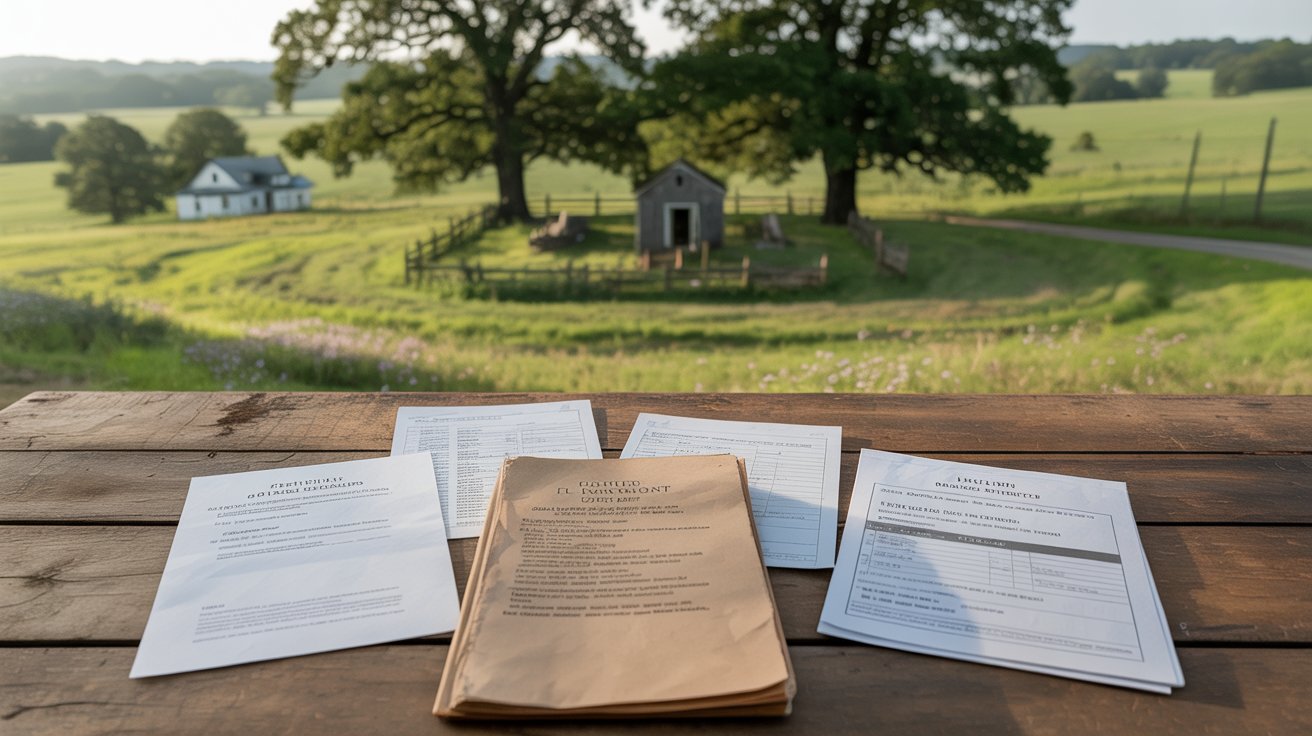
Ever stared at an overgrown lawn and wondered if it's your job to fix it or your landlord's? You're not alone, it's one of the most common questions renters and landlords both ask.
In most rentals, tenants handle routine upkeep like mowing and weeding, while landlords are responsible for structural and safety-related yard work.
This exact question comes up in almost every rental, and most leases barely explain who is responsible for landscaping landlord or tenant duties fall on.
This article breaks down exactly who handles what, from mowing the lawn to trimming trees, so you can stop guessing.
We'll look at lease terms, state laws, and common disputes that pop up between renters and property owners.
By the end, you'll know exactly where you stand.
Understanding Landscaping Responsibilities in a Rental Property
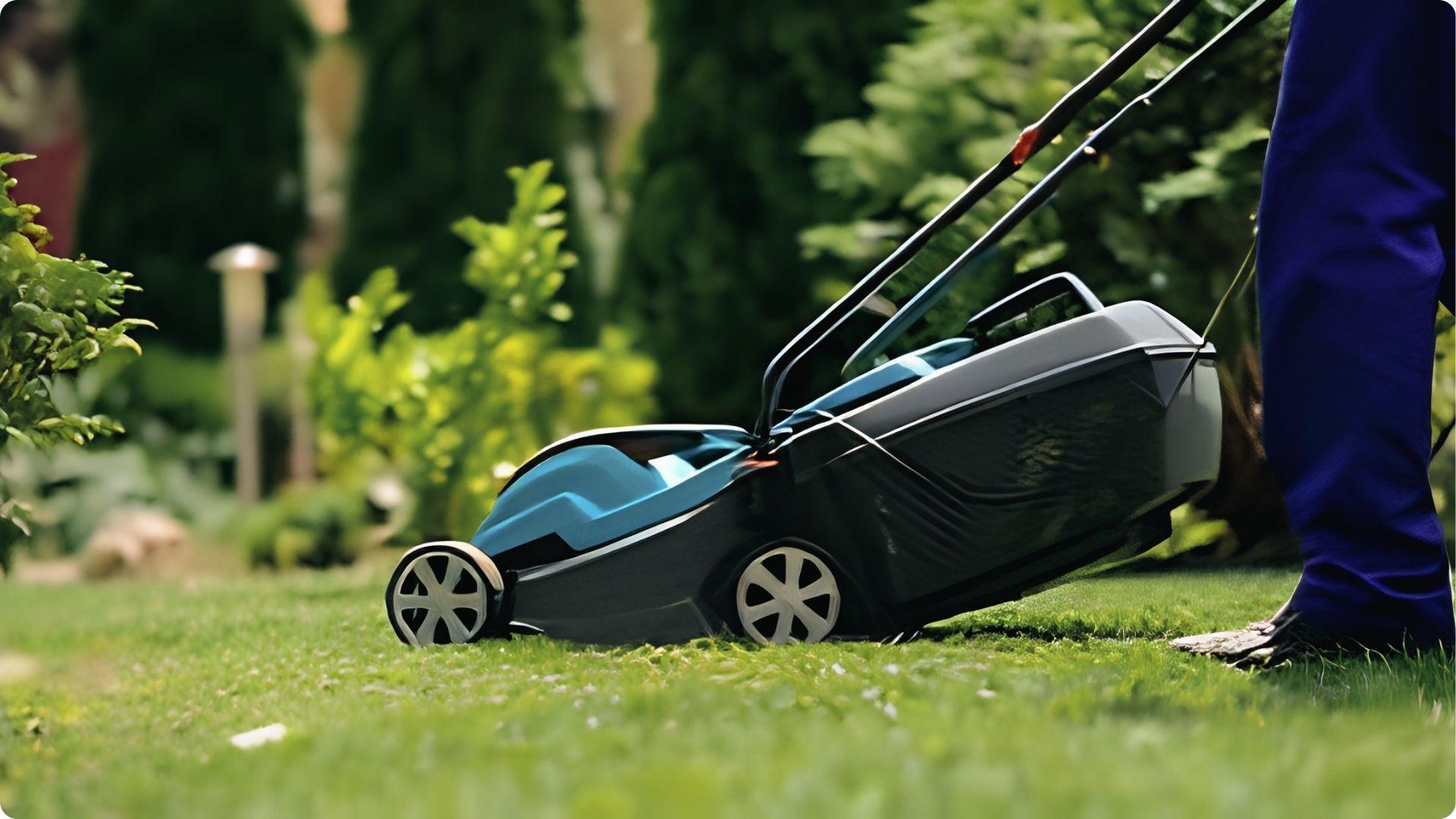
In most cases, tenants handle small routine tasks like mowing and weeding, while landlords cover big-ticket items like tree removal and irrigation repairs.
That's the short answer, but it isn't a fixed rule. Responsibility shifts based on what's written in your lease, your state's rental laws, and the type of property you live in.
A single-family home usually puts more yard duties on the tenant, while apartment complexes often keep landscaping under the landlord's control.
Three things settle the question:the lease agreement, local landlord-tenant law such as a state's Residential Landlord-Tenant Act, and common sense based on the property type.
If the lease stays silent, courts and housing authorities often lean on what's considered reasonable maintenance for that kind of property.
A house with a private yard puts more weight on the tenant, while a shared courtyard in an apartment building puts more weight on the landlord.
The lease is still the first place to check, since it usually settles most confusion. If it clearly states who mows, waters, or trims, that's the rule you follow, regardless of what a neighbor's lease says.
Vague leases are where most landscaping disputes start, so read this section closely before signing anything.
Some landlords also attach a separate lawn maintenance addendum to the lease, which spells out exact duties when the main agreement doesn't cover it.
What Landscaping Responsibilities Does A Landlord Have?
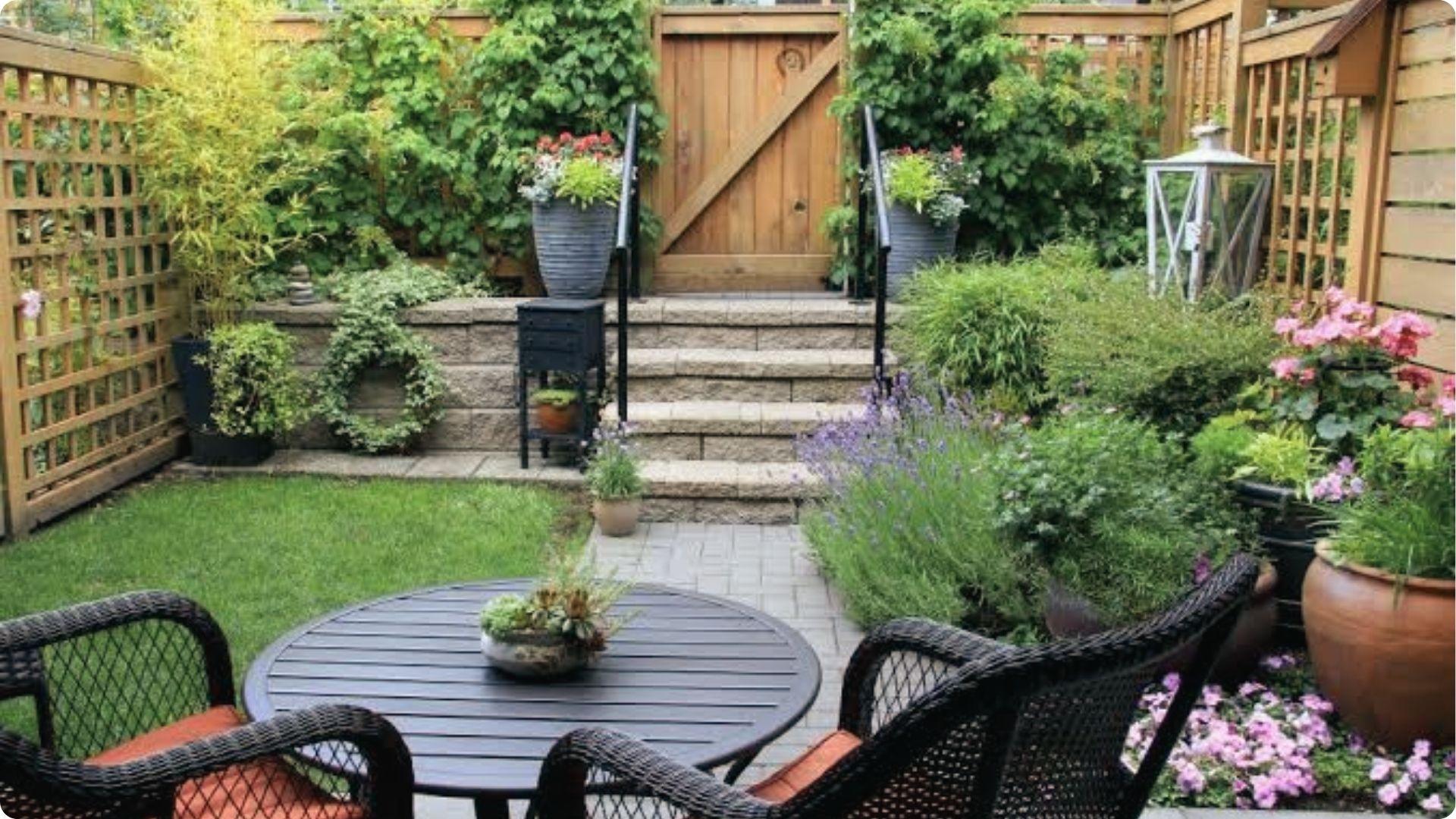
Landlords carry more responsibility than most tenants realize, especially for safety and structure.
They're generally required to keep the property "fit for human habitation," which includes removing hazards in the yard, fixing broken walkways, dealing with dangerous tree limbs, and making sure nothing creates a safety risk for tenants or visitors.
This falls under basic habitability laws in most states. Big landscaping jobs also belong to the landlord, since removing a dead tree, repairing a broken irrigation system, or fixing drainage issues costs money and often needs a professional.
In apartment complexes or properties with shared outdoor space, landlords typically handle all landscaping in common areas, including lawns, shared gardens, walkways, and parking lot greenery, which also helps preserve the property's curb appeal.
Before a new tenant moves in, landlords are also expected to hand over a yard already in reasonable shape, with the lawn mowed and hazards cleared.
Many property managers use a move-in walkthrough to document the yard's condition before the tenant takes over.
What Landscaping Responsibilities Does A Tenant Have?

Tenants usually manage the smaller, everyday tasks that keep the yard looking cared for.
If you have a private yard, mowing the lawn regularly is typically your job, along with trimming edges and keeping the grass at a reasonable height so the property doesn't fall into disrepair.
Tenants are also expected to water existing plants, flower beds, or gardens, and if you added your own plants, those are your responsibility too, both for care and eventual removal if the lease requires it.
Weeding flower beds, raking leaves, and clearing seasonal debris usually falls on the tenant as well, which keeps the yard from looking neglected and helps prevent issues like weed overgrowth or pests tied to rotting leaves.
On top of that, tenants are expected to avoid damaging the yard, whether through neglect, pets digging up grass, or parking on the lawn.
Courts generally treat this kind of neglect differently from normal wear, which matters most when it's time to settle the security deposit.
How Lease Agreements Decide Landscaping Responsibilities
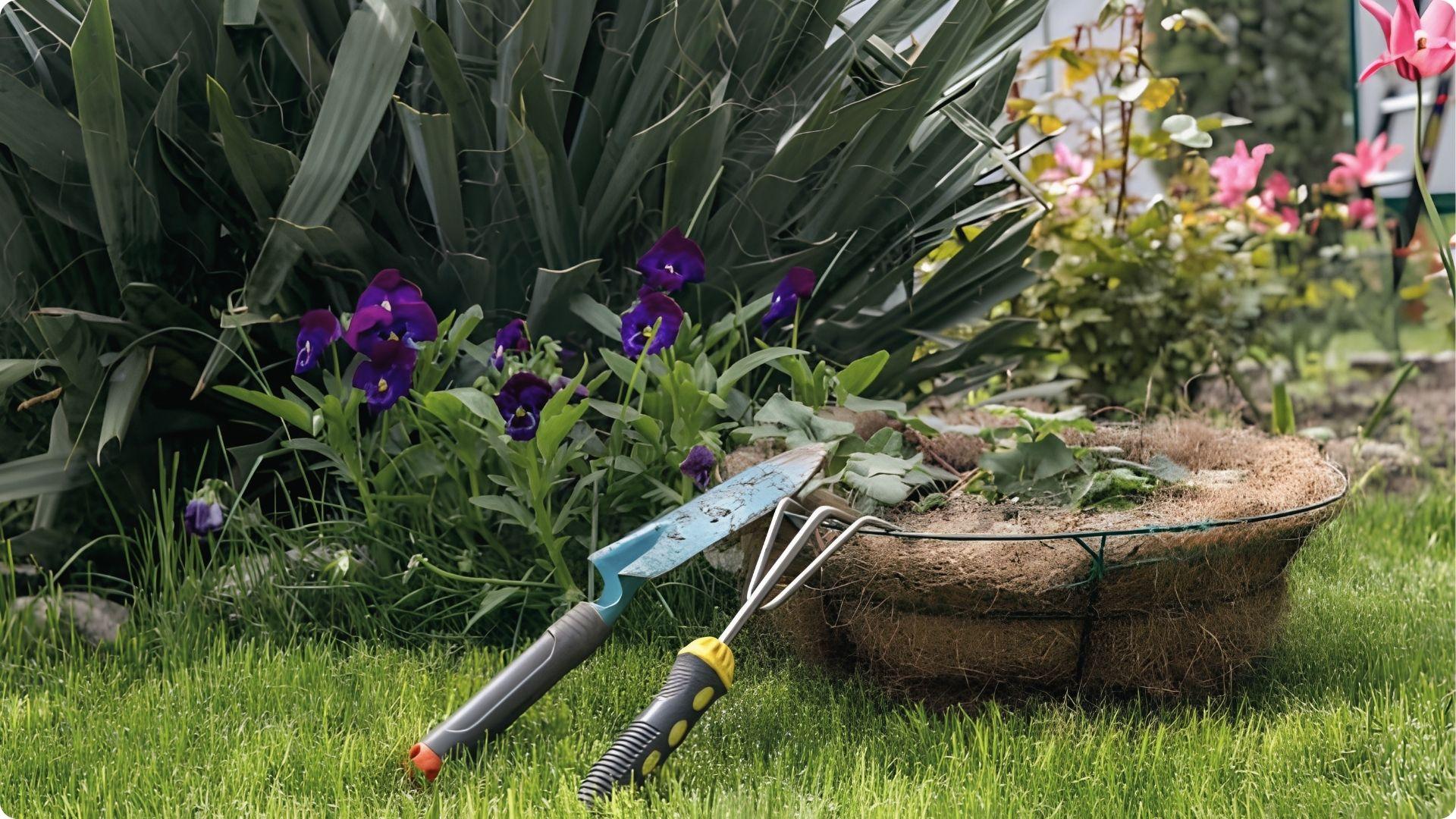
The lease is where vague expectations turn into clear rules.
Common Landscaping Clauses Found In Rental Agreements
Most leases include a specific clause outlining who mows, waters, and maintains the yard. Some go further and specify how often the lawn should be cut or whether tenants need to hire a lawn service.
Leases generally follow one of three models: full-service, where the landlord covers everything, self-service, where the tenant handles it all, or a la carte, where tasks are split between both sides.
What Happens If The Lease Says Nothing About Landscaping?
When a lease stays silent on landscaping, state law and general rental standards usually fill the gap.
In most cases, tenants handle basic upkeep while landlords remain responsible for structural or safety-related yard issues.
A landlord and tenant can also agree to a separate lawn maintenance addendum to close that gap in writing.
Can a landlord change landscaping duties mid-lease?
Landlords generally cannot change landscaping duties mid-lease without tenant agreement.
Any change usually needs to be documented in writing and agreed upon by both parties, especially if it shifts a cost burden onto the tenant.
Landlord Vs Tenant Landscaping Responsibilities Comparison
Seeing it side by side makes the split much easier to understand.
Side By Side Responsibility Table
| Task | Landlord | Tenant |
| Lawn mowing | Sometimes (multi-family) | Usually (single-family) |
| Tree removal | Yes | No |
| Watering garden beds | No | Yes |
| Irrigation system repair | Yes | No |
| Weeding and leaf cleanup | No | Yes |
| Common area landscaping | Yes | No |
| Pest or hazard removal | Yes | No |
Single-Family Rental Vs Apartment Landscaping Responsibilities
Single-family rentals usually place more yard duties on the tenant since they have private outdoor space.
Apartments flip this, with landlords handling nearly all landscaping since tenants share the outdoor space with other residents.
HOA-Managed Properties And Shared Responsibilities
If the rental sits inside an HOA community, landscaping rules often come from the HOA itself, not just the lease.
Landlords are usually responsible for following HOA landscaping standards, while tenants handle daily upkeep within those rules.
Common Landscaping Disputes Between Landlords And Tenants
Most disputes come down to unclear expectations rather than actual disagreement.
- If a tenant stops mowing or watering as agreed, landlords can send a written notice reminding them of lease terms, and continued neglect can lead to lease violations if the yard becomes a code enforcement issue
- If a landlord ignores tree trimming or common area upkeep, tenants can file a written complaint or report the issue to local housing authorities if it becomes a safety concern
- Dead grass from a hot summer is usually considered normal wear and not something a tenant should be blamed for
- Damaged plants from neglect or misuse are treated differently than normal wear and may lead to a cost discussion at move-out
- Landscaping costs can be deducted from the security deposit if the tenant caused the damage or failed to maintain duties clearly stated in the lease, but normal seasonal wear typically cannot be deducted under standard security deposit deduction rules
What Do State Laws Say About Landscaping Responsibilities?
Landscaping rules aren't the same everywhere, so local law matters.
How Landlord-Tenant Laws Affect Yard Maintenance
Most states require landlords to maintain habitability, which includes yard safety, but leave routine upkeep like mowing open to lease agreements.
According to the U.S. Department of Housing and Urban Development, habitability standards generally cover structural and safety conditions rather than cosmetic yard care.
Local Ordinances That May Override The Lease
Some cities have code enforcement rules requiring lawns to stay below a certain height or yards to remain free of specific hazards, including nuisance vegetation rules that target overgrown weeds.
These local rules can apply even if the lease doesn't mention landscaping at all.
When Landlords Are Legally Required To Maintain Landscaping
Landlords must step in when landscaping issues affect safety, such as fallen trees blocking exits or overgrown yards creating fire hazards.
In these cases, tenant responsibility for routine care doesn't apply.
What Should You Do If There's A Landscaping Dispute?

A clear process makes resolving yard disagreements much easier.
Review The Lease Agreement First
Start by rereading the landscaping clause in your lease. Most disputes get resolved once both sides look at the exact wording instead of relying on memory or assumptions.
Document The Landscaping Issue
Take photos and keep dated notes of the yard's condition. This documentation becomes useful if the disagreement escalates or affects your security deposit.
Communicate With The Landlord Or Tenant
Send a written message outlining the issue and proposed solution. Keeping communication in writing protects both sides if the disagreement continues.
When Legal Action Or Mediation May Be Necessary
If communication doesn't resolve the issue, local mediation services or small claims courts can help settle landscaping disputes, especially those involving deposit deductions or safety violations.
Landscaping Tips For Landlords And Tenants
A few simple habits prevent most landscaping disagreements before they start.
- Put landscaping duties in writing before the lease is signed, including who mows, waters, and handles seasonal cleanup, so there's no confusion once you move in
- Take dated photos of the yard at move-in and move-out to protect both sides if a dispute comes up later over damage or deposit deductions
- Set a mowing and watering schedule during dry seasons, especially in summer, so the lawn doesn't fall behind and turn into a bigger cleanup job
- Report tree or irrigation issues as soon as they appear instead of waiting, since small problems like a leaking sprinkler head or a cracked branch get worse and more expensive over time
- Keep all landscaping communication in text or email instead of just verbal conversations, so there's a clear record if either side needs to reference it later
Conclusion
Knowing who is responsible for landscaping landlord or tenant comes down to reading your lease and understanding your state's rental laws.
Tenants usually manage daily upkeep, while landlords handle bigger structural and safety-related work.
Keeping communication clear and documenting the yard's condition can save you from future disputes.
If you're still unsure how your lease handles yard duties, check with a local tenant rights organisation or housing authority for guidance specific to your state.
Frequently Asked Questions
Can a tenant be evicted for not maintaining the yard?
In serious or repeated cases, yes. If yard neglect violates lease terms or local code, it can be treated as a lease violation leading to eviction.
Does renters insurance cover landscaping damage?
No, renters insurance typically covers personal belongings, not landscaping. Yard damage claims usually fall under the property owner's insurance policy instead.
Can a landlord charge a tenant for lawn care services?
Only if the lease specifically states tenants must pay for or hire lawn care. Otherwise, landlords generally cannot add unexpected landscaping charges.
Are tenants responsible for snow removal in the yard?
This depends on the lease and local law. Many leases separate snow removal from general landscaping duties, especially in shared driveway situations.
Can a tenant add their own plants or garden beds?
Yes, but usually with landlord approval first. Tenants may also be required to remove added plants or restore the yard before moving out.