Getting hurt in a rental home is more common than most people think, and figuring out who is responsible can feel overwhelming.
You might be asking yourself: does the landlord owe you anything? Will your medical bills be covered?
These are real questions, and they deserve clear answers. This article walks you through everything you need to know when a tenant is injured on property, from proving liability to recovering compensation.
Having seen how these cases unfold, one thing is clear: knowing your rights early makes a significant difference in the outcome.
When a tenant gets hurt inside or around a rental property, the question of responsibility does not always have a simple answer.
Multiple parties could be involved, and the law looks at several factors before placing blame.
When Is a Landlord Liable for a Tenant's Injury?

Landlord liability applies when a landlord fails to maintain a safe property and that failure directly causes a tenant's injury.
Landlords carry a legal duty, often called the implied warranty of habitability, to keep their rental in reasonably safe condition.
This means fixing known hazards, maintaining structural elements like stairs and roofs, and ensuring working plumbing, heating, and electrical systems.
A key part of any liability case is foreseeability. Courts ask whether a reasonable landlord could have predicted that the unsafe condition would cause injury.
If a broken front door step had been ignored for days or weeks, for example, the resulting fall is considered foreseeable and the landlord is likely liable.
Common conditions that create liability include broken handrails, poor lighting, unfixed leaks causing slippery floors, ignored pest infestations, and faulty locks.
However, landlords are not liable when tenants caused the unsafe condition, when the hazard was unforeseeable, or when the lease assigned that repair to the tenant.
State laws also shape these rules, and no lease clause can override a landlord's core legal obligation to keep the property safe.
How to Prove a Tenant Injury Claim
To prove a tenant injury claim, you must show that someone else's negligence directly caused your injury.
Four legal elements must all be present:the defendant owed you a duty of care, they breached that duty, the breach caused your injury, and you suffered real damages like medical bills or lost wages.
Beyond the four elements, courts also look at whether fixing the hazard would have been reasonably easy or inexpensive.
If a simple repair could have prevented the injury, that weighs heavily against the landlord.
Strong evidence makes all the difference, so gather photos of the hazard, maintenance request records, witness statements, and medical documents as early as possible.
Keep in mind that many states apply comparative negligence rules, which can reduce your payout if you were partly at fault.
Most states also set a filing deadline of one to three years under the statute of limitations, so acting quickly matters.
Who Can Be Sued When a Tenant Is Injured on Property?

When a tenant is injured on a rental property, more than one party can be legally responsible. The landlord is usually the first target, and rightfully so.
If they owned the property, failed to keep it safe, and that failure caused the injury, they can be held liable. But liability does not stop there.
A property management company hired to handle repairs and operations can also be sued if they ignored maintenance requests or mishandled inspections.
If a contractor performed faulty work that directly caused the injury, their company shares responsibility too.
In some cases, third parties like vendors or other tenants play a role. An attorney can identify every liable party and build a strong claim.
What Compensation Can an Injured Tenant Recover?
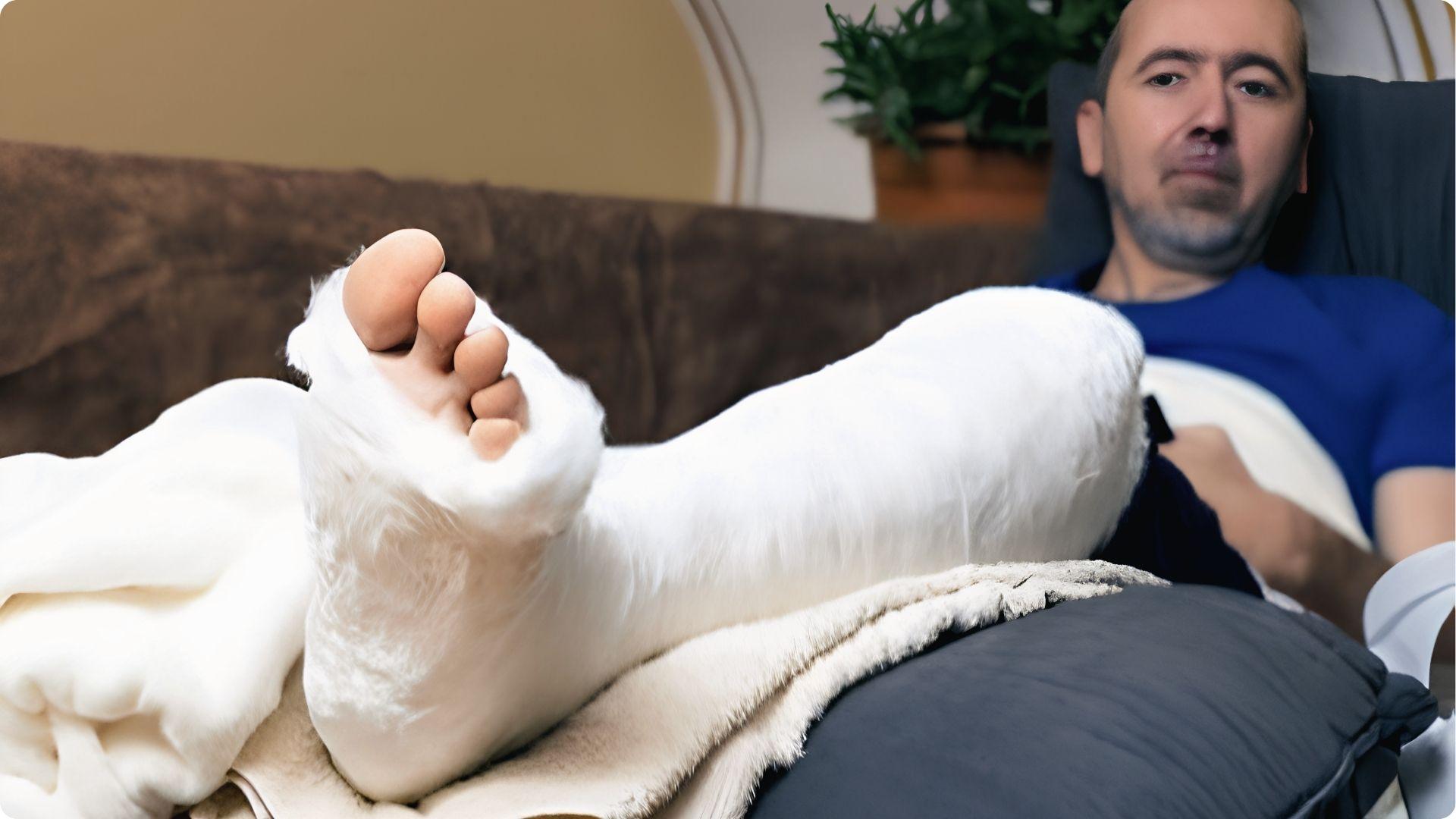
When a tenant is injured on property due to someone else's negligence, the law allows for financial recovery across several categories.
Medical Expenses and Future Treatment
You can seek compensation for all medical costs related to the injury, including emergency room visits, surgeries, physical therapy, and prescription medications.
If your injury requires ongoing treatment, future medical costs can also be included in the claim.
Lost Wages and Reduced Earning Capacity
If your injury caused you to miss work, you may recover lost wages for that time.
If the injury affects your ability to work long-term or limits your career options, you may also claim compensation for reduced earning capacity over your lifetime.
Pain and Suffering Damages
Beyond financial losses, injured tenants may recover compensation for physical pain, emotional distress, and reduced quality of life.
Scarring or disfigurement from the accident is also recoverable as a non-economic damage.
These damages are harder to calculate but can make up a significant portion of a settlement or court award.
Prescriptions for pain medication and testimony from doctors or people who know you can help support these claims.
Property Damage and Other Recoverable Losses
If personal belongings were damaged in the accident, those losses may also be recoverable. A tenant can also sue for damage to personal property, such as a stereo or car, that resulted from faulty maintenance or unsafe conditions.
In some cases, additional compensation may be available for inconvenience, loss of use of your home, or temporary relocation costs if the property became uninhabitable.
Factors That Affect Settlement Amounts
The final settlement amount depends on several factors: the severity of the injury, the clarity of the landlord's negligence, the quality of your evidence, your state's laws, and how well your attorney negotiates.
In cases where the landlord acted recklessly or intentionally, courts may also award punitive damages on top of standard compensation.
Cases involving serious long-term injuries typically settle for higher amounts than minor incidents.
Tenant vs Landlord Responsibilities for Property Safety
Responsibility for keeping a rental property safe is shared between landlords and tenants, but the split is not always equal. The law defines clear boundaries for each side.
Comparison Table: Landlord Duties vs Tenant Responsibilities
| Responsibility | Landlord | Tenant |
| Structural repairs (roof, walls, stairs) | Yes | No |
| Appliance maintenance (if landlord-provided) | Yes | No |
| Keeping common areas clean and lit | Yes | No |
| Keeping the rental unit clean | No | Yes |
| Reporting known hazards | No | Yes |
| Minor repairs stated in the lease | Varies | Varies |
| Pest control (initial or recurring) | Usually | Sometimes |
| Replacing locks after break-in | Yes | No |
Responsibilities Inside the Rental Unit
Inside the unit, tenants are generally responsible for day-to-day cleanliness and avoiding damage beyond normal wear and tear.
Landlords remain responsible for maintaining structural elements, appliances they provide, and plumbing or electrical systems.
If a tenant reports a broken heater and the landlord ignores it, any resulting injury falls on the landlord.
Responsibilities in Common Areas
Hallways, stairwells, lobbies, parking garages, and outdoor spaces are the landlord's responsibility.
The landlord must keep these areas free from hazards, properly lit, and structurally sound. Tenants are expected to avoid creating hazards in common areas but are not responsible for maintenance.
Examples of Liability in Real-Life Scenarios
Scenario one: A tenant slips on an icy walkway outside the building. The landlord is responsible if they knew about the ice and failed to salt or clear it.
Scenario two:A tenant trips over their own broken furniture inside their unit. The landlord is not responsible because the tenant created the hazard.
Scenario three:A staircase railing breaks and a tenant falls. If the landlord had notice of the loose railing and did not fix it, they likely bear the liability.
Common Mistakes That Can Hurt a Tenant Injury Claim
Avoiding these mistakes can protect your claim and improve your chances of a fair outcome.
- Reporting delays give landlords room to argue the injury was not caused by their property, so always report in writing within 24 hours of the accident.
- Gaps in medical treatment signal to insurers that your injury was not serious, so continue all recommended care and keep every receipt and record.
- Landlords may quickly repair the hazard after an accident to remove visible proof, so take photos and videos immediately before any repairs are made.
- Insurance companies often offer fast, low settlements before you know the full value of your claim, and once you accept, you generally cannot ask for more money later.
- Defense attorneys routinely search social media for posts that contradict injury claims, so avoid discussing your injury or recovery online until the case is fully resolved.
What to Do If You Are a Tenant Injured on Property

Acting quickly and carefully after an injury can be the difference between a strong claim and a dismissed one.
Seek Medical Care Immediately
Your health comes first. Get medical treatment as soon as possible, even if the injury seems minor at first.
Medical records created close to the date of the accident carry more weight in legal claims than records created days later.
Make sure to follow your doctor's instructions and complete any recommended course of treatment.
Delaying care or skipping follow-up appointments can give the opposing side reason to argue your injury was not serious.
Report the Injury to the Landlord
Notify your landlord about the accident in writing as soon as possible. A written report creates a record that the landlord was made aware of the situation.
Keep a copy of every communication for your records. If the landlord acknowledges a known hazard in their response, that message could be important evidence.
Collect Photos, Videos, and Witness Statements
Document the scene of the accident right away. Take photos and videos of the hazard, your injuries, and the surrounding area.
If anyone witnessed the accident, get their names and contact information. Witness statements can be a major asset when the landlord disputes your version of events.
Preserve Maintenance Requests and Communication
If you reported the hazard to the landlord before the accident happened, those maintenance requests are critical.
Keep all emails, texts, and written letters related to repairs or safety concerns. This shows the landlord had prior knowledge of the problem and failed to fix it. Courts treat a written repair log as strong evidence of both notice and neglect.
Contact an Attorney If Necessary
For serious injuries or disputed claims, speaking with a personal injury attorney is a smart move. Many attorneys handle tenant injury cases on a contingency fee basis, meaning they only get paid if you win.
An attorney can help you understand your rights, gather evidence, and negotiate with the landlord's insurance company.
Expert Tips to Prevent Rental Property Injury Disputes
Preventing disputes benefits both landlords and tenants. A few proactive steps can avoid costly legal problems down the road.
- Landlords should conduct property inspections at least twice a year, respond to maintenance requests within the legally required timeframe, and keep a written repair log of all repairs, contractor work, and findings.
- Tenants should submit all repair requests in writing, take dated photos of any hazard they report, and follow up in writing if the landlord does not respond within a reasonable time.
- Addressing hazardous conditions immediately rather than scheduling them for a later date reduces legal risk for landlords and prevents accidents before they happen.
- Regular inspections benefit both sides. Landlords build a strong defense when they document consistent upkeep, and tenants who report problems promptly show good faith that courts tend to recognize.
- Both landlords and tenants should review their insurance coverage before an accident occurs. Landlords need a comprehensive general liability (CGL) policy that covers personal injury lawsuits and legal defense costs. Tenants should carry renters insurance with personal liability coverage. Knowing policy limits and exclusions in advance saves significant stress later.
Conclusion
Understanding what happens when a tenant is injured on property can save you time, money, and serious stress.
The key takeaway is this:Liability depends on who controlled the space, who knew about the hazard, and who failed to act.
If you are a landlord trying to reduce legal risk or a tenant dealing with an injury, understanding your rights can help you make informed decisions.
If you found this guide helpful, leave a comment below or share it with someone who needs it. And if you are currently dealing with an injury claim, do not wait. Speak with a qualified attorney and protect your rights today.
Frequently Asked Questions
Can a tenant sue a landlord if they were partially at fault for their own injury?
Yes, but compensation may be reduced based on your percentage of fault. Some states bar recovery entirely if you are more than 50 percent responsible.
Does renters insurance cover injuries that happen inside the rental unit?
Renters insurance typically covers your personal liability if someone else gets hurt in your unit. It generally does not cover your own injuries from a landlord's negligence.
Can a landlord be sued for an injury that happened to a tenant's guest?
Yes. Guests on the property have similar legal protections as tenants. If a hazardous condition caused the guest's injury, the landlord may be held responsible.
What if the landlord claims the tenant signed a liability waiver in the lease?
Most courts do not enforce broad liability waivers in residential leases. Landlords cannot contract out of their legal duty to maintain a safe property under state law.
How long does a tenant injury lawsuit typically take to resolve?
Most cases settle within six to eighteen months. Complex cases that go to trial can take two to three years or longer depending on the jurisdiction.