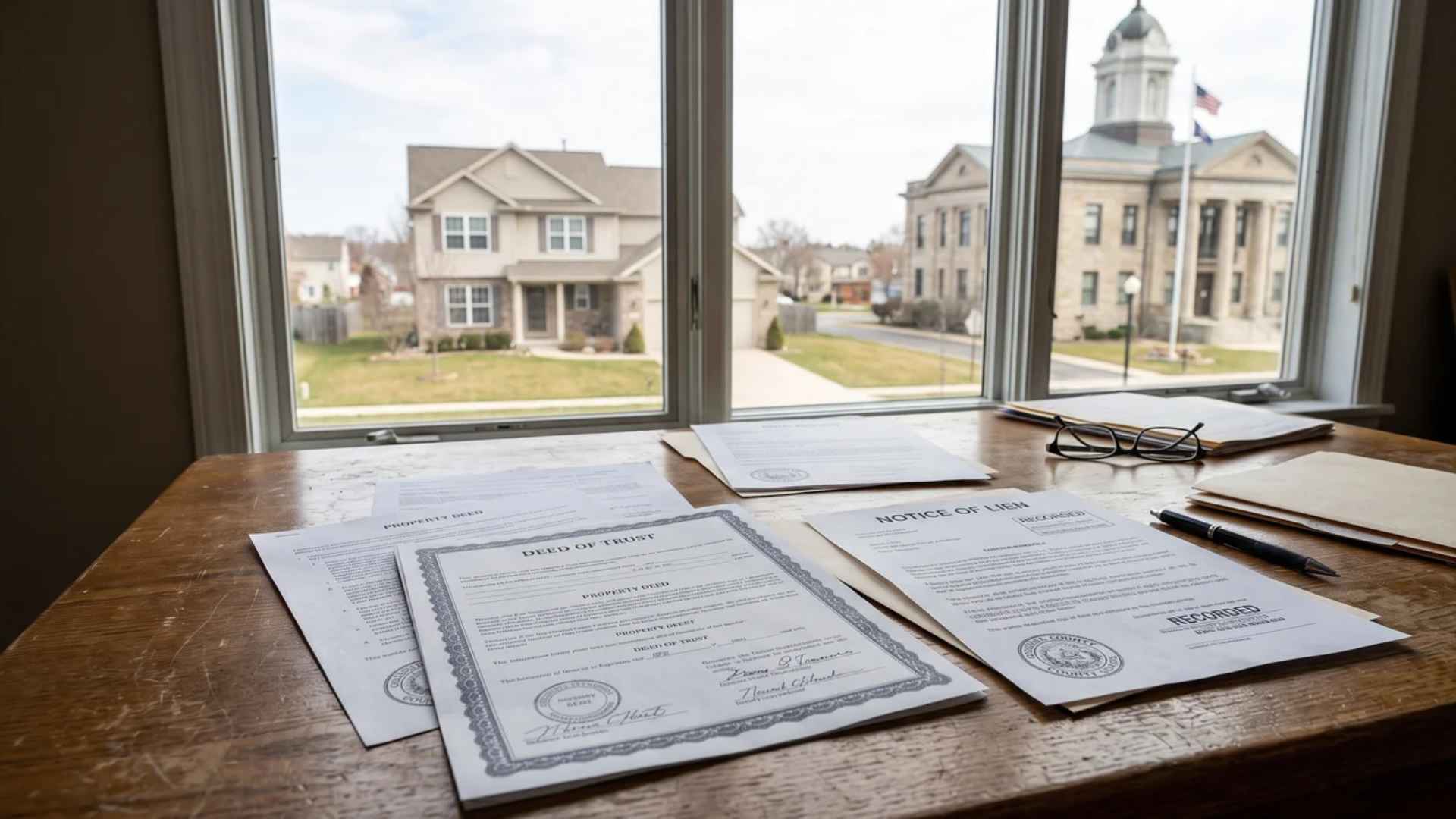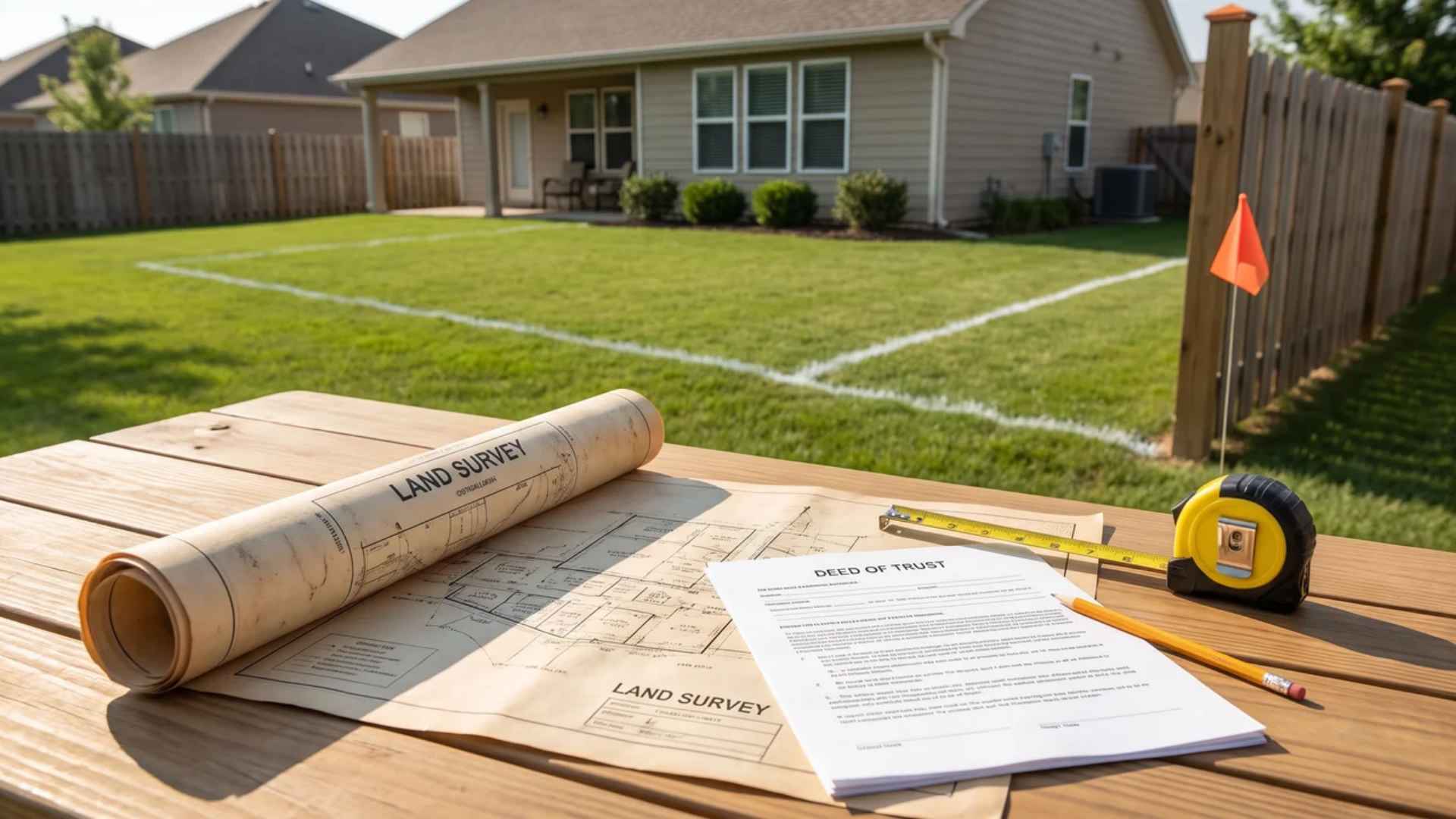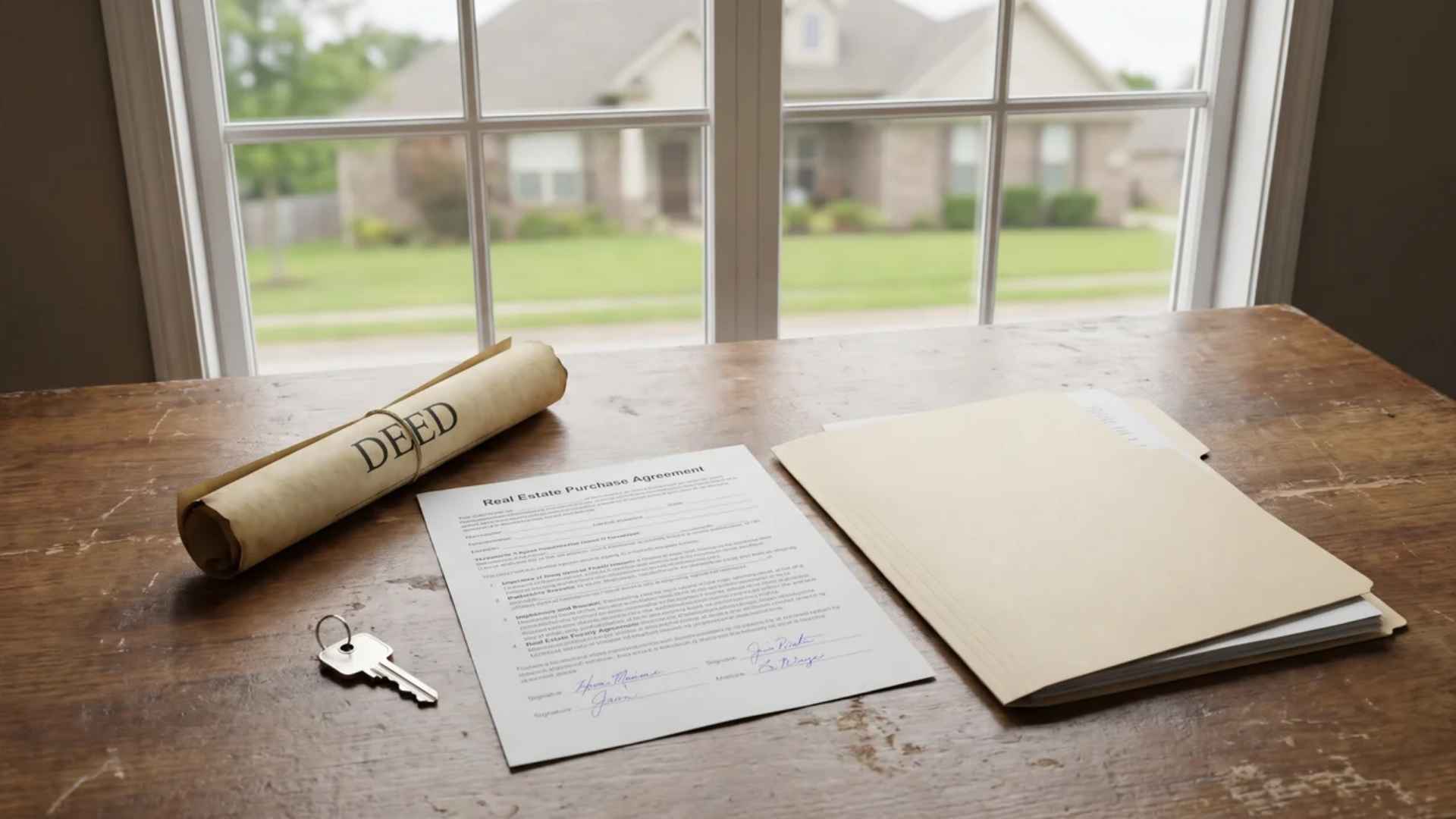


Yes, you can remove a spouse from a deed without divorcing them, but only under specific conditions.
Property ownership changes are common during separations, refinancing, or general estate planning. The process is separate from divorce court and does not require filing for divorce first.
This guide covers when removal is legally possible, the exact steps involved, and what happens if your spouse will not sign.
It also explains the difference between a deed and a mortgage, how much the process typically costs, and how the change can affect estate planning down the road.
Can You Remove a Spouse From a Deed Without Divorce?

Yes, but it depends on ownership type and mutual agreement.
Removing a spouse from a deed without divorce is legal in most states. It requires both parties to agree and sign the correct paperwork. County recording rules then make the change official.
The process typically takes anywhere from a few days to a few weeks.
Timing depends on how quickly both spouses sign the new deed and how long your county recorder's office takes to process filings.
Some counties record documents the same day, while others take two to three weeks during busy periods.
Can You Remove a Spouse Without Their Consent?

In almost every case, no. Both names on a deed carry equal legal rights.
When Removal Is Not Legally Allowed
If your spouse holds legal ownership, you cannot remove their name without their consent. Doing so without their knowledge is not valid.
Courts generally side with the spouse who was removed unfairly, and the deed can be challenged later, sometimes years after the fact.
Limited Exceptions to Consent
A few situations allow one-sided changes. A court order during a legal dispute is one example.
The death of a spouse is another, since ownership then passes according to the deed's survivorship terms.
Outside these cases, mutual agreement is required, and no amount of paperwork can substitute for it.
Risks of an Unauthorized Transfer
Attempting to remove a spouse without permission can void the deed entirely. It can also expose you to legal action for fraud or misrepresentation.
The financial and legal cost is rarely worth the risk, and it can damage trust between spouses even when the marriage continues.
Choosing the Right Deed Type
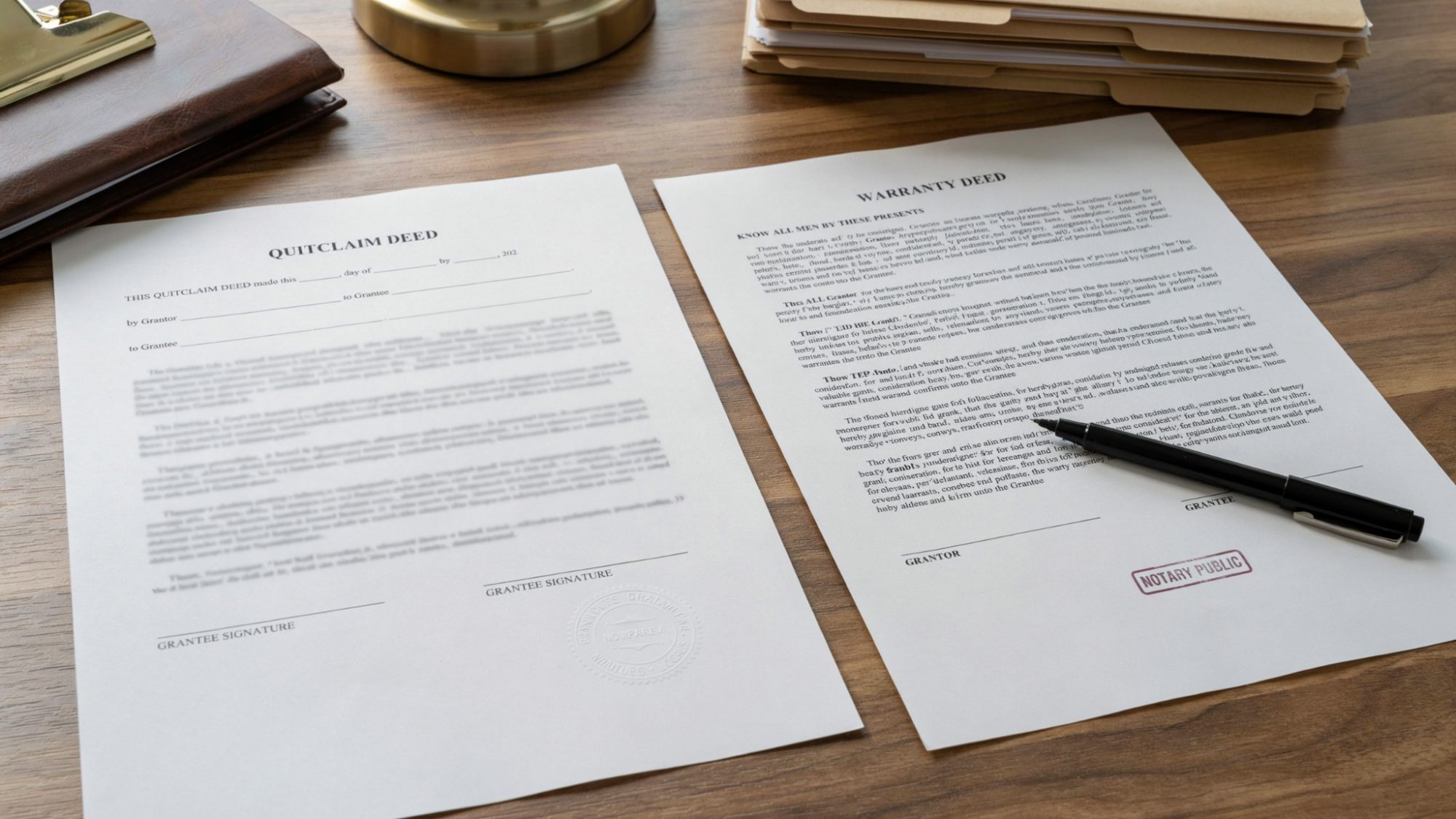
The type of deed you use affects how much protection the remaining owner has.
Most spouses use either a quitclaim deed or a warranty deed to complete the transfer. The right choice depends on how much certainty you need about the property's title history.
| Deed Type | What It Guarantees | Best Used When | Typical Cost |
| Quitclaim Deed | No guarantee of clear title | Both spouses trust each other and know the property's history | $75-$200 in filing and preparation fees |
| Warranty Deed | Guarantees the title is free of claims or liens | One spouse wants added legal protection | $150-$500, often requiring a title search |
A title company or real estate attorney can help you decide which option fits your state's requirements and your comfort level with risk.
Steps to Remove a Spouse From a Deed

When both spouses agree, the process is quick and straightforward.
Start by pulling your current deed to confirm whose names are listed and what type of ownership applies.
This tells you what you are working with before you prepare any new paperwork.
Next, prepare the deed using the correct form for your state. Many counties have specific formatting requirements, including how the legal description of the property must be written.
A mistake here is one of the most common reasons a deed gets rejected during recording.
Once the deed is ready, both spouses need to sign it in front of a notary public. This step is what makes the deed legally binding, and skipping it can cause the whole transfer to fail.
Some states also require witnesses in addition to a notary, so check your local rules before signing.
After signing, take the deed to your county recorder's office along with the property's assessor's parcel number and any required fees.
Recording the deed makes the change part of the public record.
Once that is done, update your homeowner's insurance and property tax records so they match the new ownership, and notify your mortgage lender of the change as well.
Removing a Spouse From the Deed vs. Removing Them From the Mortgage
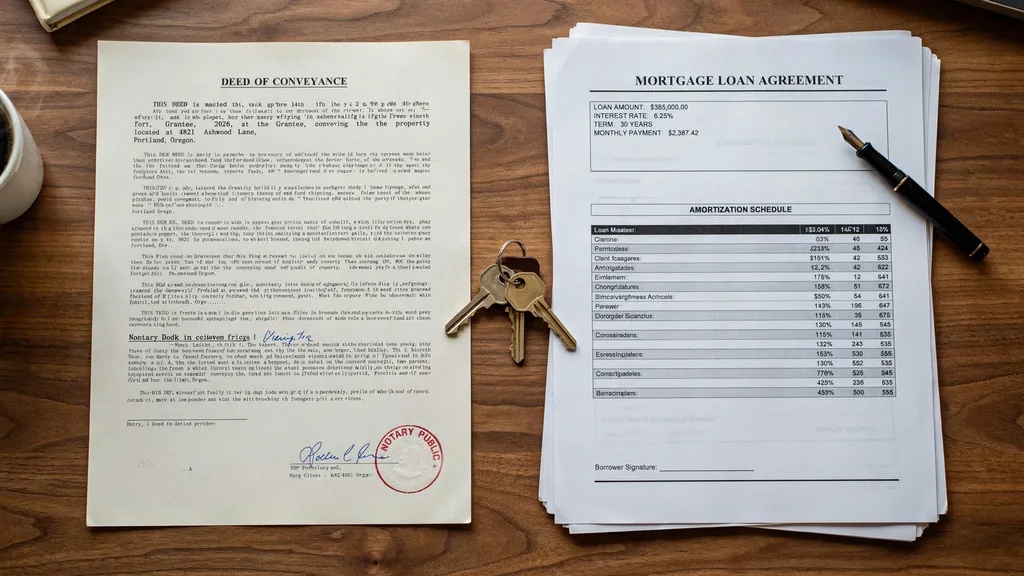
A deed change does not remove anyone from the mortgage loan.
These are two separate legal processes, and many homeowners are surprised to learn this after the deed is already recorded.
| Factor | Deed | Mortgage |
| What it shows | Who legally owns the property | Who is responsible for repaying the loan |
| How to remove a spouse | Sign and record a new deed | Refinance the loan in one spouse's name, or sell the property |
| Approval needed | Both spouses must agree and sign | Lender must approve based on the remaining spouse's credit and income |
| Typical timeline | Days to a few weeks | Several weeks, similar to an original mortgage closing |
Refinancing to Remove Mortgage Liability
Refinancing is the only way to remove a spouse from the mortgage. The remaining spouse applies for a new loan alone and must qualify based on their own credit and income.
This process typically involves closing costs similar to an original mortgage.
Selling the Property as an Alternative
If refinancing is not possible, selling the property is an alternative. Both spouses can walk away from the loan and split any proceeds from the sale.
This avoids the ongoing liability that comes with staying on a shared mortgage neither spouse wants to keep.
Legal and Financial Risks to Consider

Removing a spouse from a deed can carry tax and legal consequences.
Ownership disputes can surface later if the removal was not handled properly, especially if one spouse felt pressured or misled at the time.
Clear documentation from the start helps prevent this, including a written record of why the transfer happened.
Mistakes in the deed, such as missing signatures or an incorrect legal description, can make the transfer invalid.
An invalid deed means the change never legally took place, even if it was recorded.
Transferring property between spouses can also trigger gift tax rules, and capital gains taxes may apply if the property is sold later.
Removing a name can affect title insurance too, and future buyers may ask questions if the ownership history looks unclear.
A tax professional or real estate attorney can help you avoid surprises in any of these areas.
Does Removing a Spouse Affect Estate Planning?

Yes, since ownership changes can shift how the property passes on death.
Removing a spouse from a deed changes who inherits the property automatically if the remaining owner dies.
If the deed included survivorship rights, removing one spouse eliminates that automatic transfer for them, and the property will instead pass according to a will or state inheritance law.
It is worth updating your will or trust at the same time you change the deed.
This keeps your estate plan consistent with your actual property ownership and avoids confusion for your heirs later.
Skipping this step is a common oversight that can lead to disputes among family members after a death.
What If Your Spouse Refuses to Sign?

A refusal complicates the process, but it does not end your options.
Negotiating a Voluntary Transfer
A calm conversation or mediation session can resolve many disagreements, and it is usually faster and cheaper than going to court.
Explaining the practical benefits of the change may help your spouse reconsider, especially if the goal is simply to clarify finances rather than take something away.
Legal Options When Negotiation Fails
If negotiation does not work, you may need to explore legal action, such as a partition action or lawsuit, depending on your state.
An attorney can review your ownership documents and explain which option applies to your situation.
When Court Involvement May Be Necessary
If your spouse continues to refuse, a judge may need to step in and order a sale or division of the property.
This route takes longer and often costs more than a voluntary agreement, sometimes running into thousands of dollars in legal fees.
Special Situations That Affect Ownership

Not every case follows the same rules.
Property Owned Before Marriage
If one spouse owned the property before marriage, some states protect it as separate property even during the marriage.
This can simplify removal, though it may complicate matters if the title was later changed to include both spouses.
Community Property vs. Common Law States

The rules for shared ownership differ depending on which type of state you live in.
| State Type | How Ownership Works | Effect on Removal |
| Community Property | Both spouses are treated as automatic co-owners, regardless of whose name is on the title | Both spouses' agreement is required even if only one name appears on the deed |
| Common Law | Ownership is based on whose name is actually listed on the deed | The spouse not listed on the title generally has no automatic ownership claim |
Prenuptial and Postnuptial Agreements
Prenuptial and postnuptial agreements can override standard state rules if one exists.
Review these documents before starting the process, since they may already spell out how the property should be handled, including who keeps it and under what conditions.
Tips for Removing a Spouse From a Deed
- Confirm how the property is legally titled before starting any paperwork.
- Learn your state's specific property laws and recording requirements.
- Keep all signed and recorded documents in a safe, accessible place.
- Review tax and mortgage implications before either spouse signs anything.
- Consult a real estate or family law attorney for complex ownership situations.
Common Mistakes to Avoid
- Assuming a deed change also removes someone from the mortgage.
- Using the wrong deed type for your state or situation.
- Ignoring state-specific recording requirements after signing.
- Skipping legal advice when the situation is unclear or contested.
- Missing signatures or skipping notarization entirely.
Conclusion
Removing a spouse from a deed without divorce is possible, but it depends on agreement, the right paperwork, and proper recording.
A small mistake in the deed can cause disputes months later, and forgetting to update your estate plan can create confusion for years to come.
Take the process one step at a time, and involve a real estate attorney if your situation is complicated.
If you have gone through this process, share what worked for you in the comments below.
Frequently Asked Questions
Can I remove my spouse from the deed without their consent?
No. In most cases, both parties must agree and sign the paperwork. Doing it without consent can make the deed invalid.
Does removing a spouse from the deed also remove them from the mortgage?
No. These are separate processes. You will need to refinance to remove mortgage liability.
What type of deed is used to remove a spouse?
A quitclaim deed is the most common option. Some states may require a warranty deed instead.
Do I need a lawyer to remove a spouse from a deed?
It is not always required, but it is recommended for complex situations. A lawyer can help you avoid costly mistakes.
What happens if my spouse refuses to sign the deed?
You may need mediation or legal action to resolve the issue. In extreme cases, a court may need to get involved.