

This article provides general educational information about New York construction defect law and is not legal advice. Laws and their interpretation change; always consult a licensed New York attorney for guidance specific to your situation.
Construction defects can leave homeowners facing unexpected repair costs and legal uncertainty. Understanding your rights early can make resolving these issues much easier
Construction defects can leave homeowners facing unexpected repair costs and legal uncertainty.
Understanding your rights early can make resolving these issues much easier. This blog breaks down construction defect law in New York in simple terms.
You will learn what counts as a defect, who can be held responsible, what your warranty rights are as a buyer, and what time limits apply when filing a claim.
This guide explains New York construction defect law in clear, practical language to help you understand your legal options.
What Is Construction Defect Law in New York?

Building or buying a property is one of the biggest decisions anyone makes. But what happens when something goes wrong with the construction?
A cracked foundation, faulty electrical wiring, or structural failure can cost thousands of dollars to fix. And often, the question becomes: who is responsible?
New York has specific laws that protect property owners in these situations. These laws allow you to take legal action against builders, contractors, designers, and others who are at fault.
New York Construction Defect Law Explained
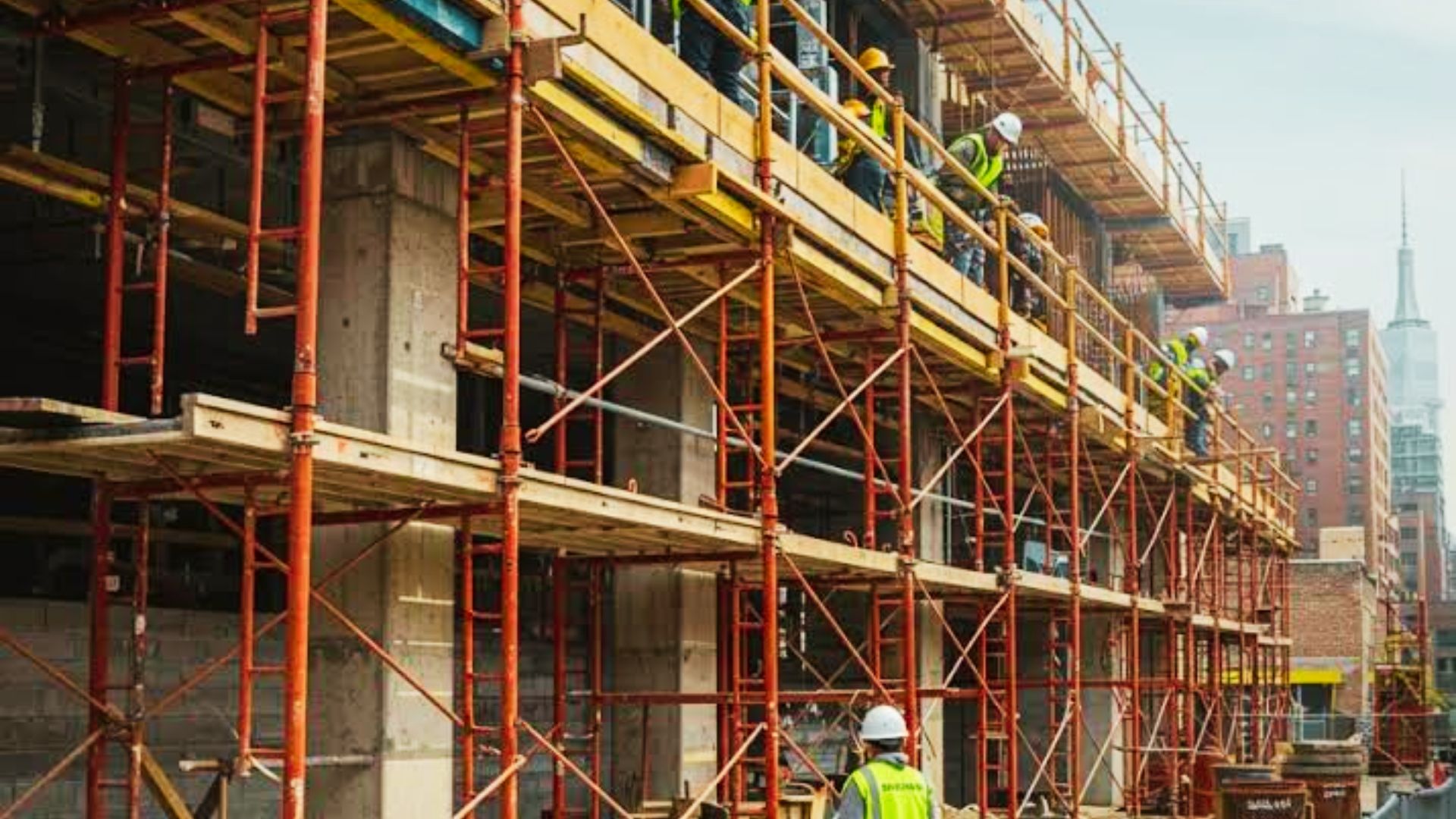
At its core, New York construction defect law allows property owners to pursue legal claims when defective construction causes damage or financial loss.
Depending on the circumstances, claims may be based on negligence, breach of contract, breach of warranty, or violations of building codes.
Who Can Be Held Liable?
Several parties may be responsible for a construction defect, including general contractors, subcontractors, architects and engineers, material suppliers, developers, and property managers in some situations.
Liability depends on each party's role in the project and the cause of the defect.
Whether a builder's commercial general liability (CGL) policy covers a construction defect claim depends heavily on the specific policy language, the type of defect, and how the damage occurred.
Many CGL policies exclude damage arising solely from faulty workmanship, and courts interpret coverage provisions narrowly.
Property owners should not assume insurance coverage exists; an attorney familiar with both construction defect law and insurance coverage should evaluate the policy alongside the claim.
Liability is fact-specific and depends on each party's contractual role, scope of work, and degree of control over the defective condition. Not every party involved in a project will be liable in every case.
Statute of Limitations and Statute of Repose
New York's filing deadlines vary depending on the legal claim. Negligence and property damage claims generally carry a three-year statute of limitations under CPLR § 214.
Breach of contract claims are subject to a six-year period under CPLR § 213, which begins running upon the contractor's completion of work.
Claims involving defective goods (rather than services) may be subject to a four-year period under the UCC. These periods can vary based on the specific facts, so legal advice is essential.
Unlike most states, New York has no general statute of repose for construction defect claims, meaning claims can theoretically be brought many years after project completion.
However, CPLR § 214-d requires claimants bringing personal injury, wrongful death, or property damage claims against licensed design professionals or contractors to serve a written notice of claim at least 90 days before filing suit when the work was completed more than ten years prior.
This is not a deadline to file it is a procedural prerequisite. Note: Pending legislation (S2146A, 2025) proposes replacing § 214-d with a firm 10-year statute of repose for such claims, but as of publication this has not been enacted.
Because these rules can be complex, property owners should seek legal advice as soon as they discover a potential defect. Missing an applicable deadline can prevent you from recovering damages, so acting promptly is important.
Common Legal Claims
Property owners in New York often file claims based on negligence, breach of contract, breach of warranty, fraud or misrepresentation, and strict liability.
Strict liability applies in the product liability context meaning manufacturers and sellers of defective building materials or products may be held liable regardless of carelessness. If faulty concrete or a defective pipe fitting caused structural damage, the product's manufacturer may face strict liability.
Contractors and builders performing construction services are generally not subject to strict product liability and are instead evaluated under negligence or contract standards. The right claim depends on the facts of your case and who is responsible.
Warranty Protections for New York Property Owners

New York law gives new home buyers an important protection called the Housing Merchant Implied Warranty.
This warranty is created by state law (General Business Law § 777-a) and applies even without a written warranty.
It operates in three tiers: one year from the warranty date for general workmanship defects; two years for defects in plumbing, electrical, heating, cooling, and ventilation systems; and six years for material defects.
These periods run from the warranty date, not the date a defect is discovered.
If a builder provides a written warranty, review it carefully. Some builder warranties are purchased from outside insurance companies and remain valid even if the builder goes out of business.
Appliances included in the sale are covered by the Housing Merchant Implied Warranty for installation defects caused by the builder. Defects in the appliances themselves due to manufacture are typically handled under the manufacturer's own warranty.
One important limit: the Housing Merchant Implied Warranty applies to new homes only. If you bought a used home, your options depend on what the seller disclosed and whether any fraud or misrepresentation was involved.
Types of Construction Defects Covered Under New York Law
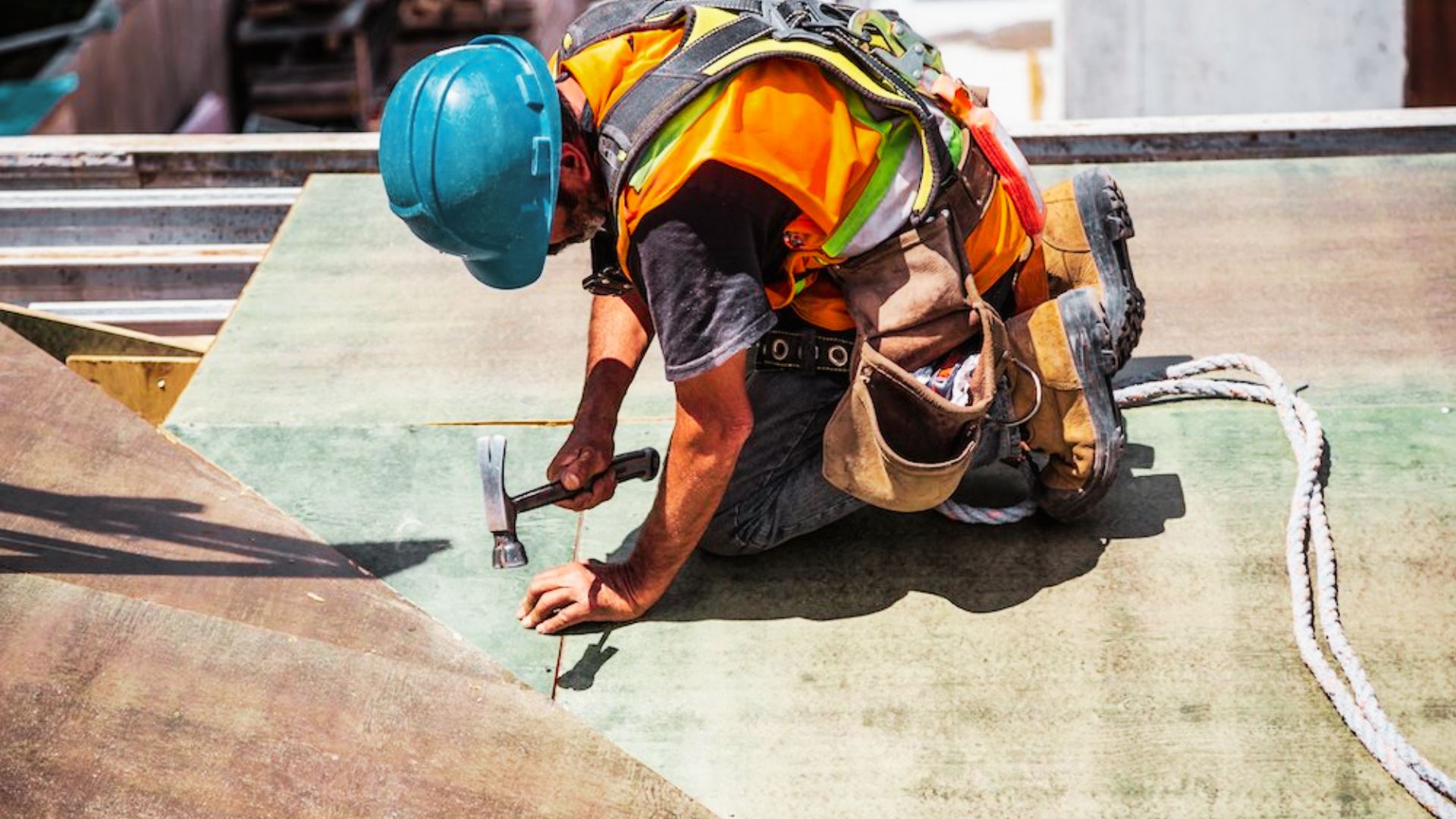
Not all construction problems are the same. New York law covers several types of defects, and knowing the difference matters when you file a claim.
Design Defects
A design defect happens when the plans or blueprints for a structure are flawed.
Even if the construction work itself was done correctly, a poor design can still lead to major problems. Architects and engineers are usually responsible for these types of defects.
Material Defects
Material defects occur when the products or supplies used in construction are substandard or fail to meet required specifications.
Using weak concrete, defective piping, or faulty electrical components can all lead to serious damage over time.
Workmanship Defects
These are caused by poor construction practices. A contractor who does not follow proper techniques or skips important steps can create serious problems.
Common examples include improperly installed roofing, uneven flooring, and weak structural connections.
Crumbling mortar joints and inadequate insulation are among the most common workmanship problems that lead to legal action.
Building Code and Safety Violations
New York has strict building codes. When a contractor does not follow these codes, the result is often a defect that affects structural integrity, fire safety, electrical systems, or more.
These violations can also strengthen a legal claim because they show the contractor failed to meet a clear legal standard.
Latent vs. Patent Defects
A patent defect is visible and obvious. You can spot it during a basic inspection. A latent defect is hidden and may not show up for months or even years after the building is completed.
In some cases, latent defects like settling foundations or concealed pipe failures can raise the cost of repair significantly and complicate insurance coverage.
Hidden defects are more common in legal disputes because they are harder to catch early on.
Special Considerations for Condos and Co-ops in New York

New York City has one of the largest condo and co-op markets in the country. Construction defect law works a little differently in these situations.
In a condo, the homeowners association (HOA) often has the legal authority to pursue construction defect claims for common areas like hallways, roofs, and building systems, while individual unit owners may still bring their own claims for defects inside their units.
In a co-op, the building is owned by a corporation and shareholders hold proprietary leases, so construction defect claims are typically handled by the co-op board.
If you live in a condo or co-op and notice a defect, report it to your board or managing agent right away. Their response time and the records they keep can affect the strength of a later legal claim.
What to Do if You Discover a Construction Defect
Finding a construction defect can feel overwhelming. But taking the right steps early on can protect your legal rights and strengthen any future claim.
Document the Damage
As soon as you spot a problem, start documenting everything. Take clear photos and videos of the defect.
Note the date you first noticed it and write down how it is affecting your daily life or the use of your property. This documentation becomes your evidence.
Send a Written Demand Letter
Contact the contractor or builder in writing with a demand letter. Describe the defect in reasonable detail and include any evidence showing the nature and cause of the problem.
Send it by certified mail with a return receipt so you have proof it was received. Whether a written demand letter is legally required before filing depends on the terms of your contract.
Even when not required, sending one creates a paper trail and gives the contractor a formal opportunity to respond.
Even when it is not required, a written demand letter creates a paper trail and gives the contractor a formal chance to respond or make an offer to repair.
Gather Supporting Evidence
Collect all relevant documents, including your original contract, receipts and invoices, inspection reports, all warranty documents, and any emails or messages with the contractor.
If needed, hire an independent inspector to assess the defect and provide a written report. A professional assessment helps establish the cause and cost of the damage.
How to File a Construction Defect Claim

Learn how to file a construction defect claim in New York and protect your property rights before time runs out.
Before Filing a Lawsuit
Review your contract before taking any legal action some construction agreements include mandatory dispute resolution clauses requiring mediation, arbitration, or a written notice and cure period before a lawsuit can proceed.
These are contractual requirements, not blanket legal obligations; whether they apply depends entirely on your specific agreement.
If your contract does require one of these steps and you bypass it, a court may dismiss or stay your case. If no such clause exists, you may proceed directly to litigation after consulting an attorney.
If neither option resolves the dispute, consult a construction defect attorney before filing so you understand which claims apply and whether your deadlines are still open.
Compensation You May Recover
If your claim is successful, you may be able to recover repair or replacement costs, loss of property value, out-of-pocket expenses related to the defect, temporary housing costs during the repair period, engineering or inspection fees, and attorney's fees, only if your contract contains an enforceable fee-shifting provision or a statute specifically authorizes recovery New York follows the 'American Rule' under which each party generally bears its own legal costs .
The amount you receive depends on the severity of the defect and the specifics of your case.
When Should You Contact a Construction Defect Law Firm?

Not every construction problem requires a lawyer. But if the defect is serious, expensive to fix, or the contractor refuses to take responsibility, getting legal help is a smart move.
Legal help is especially important if: the contractor's CGL insurer has denied a claim; the dispute involves multiple contractors or design professionals; you are approaching a filing deadline; or you own a condo or co-op and are uncertain whether the claim belongs to you or the HOA/board.
Most construction defect lawyers offer a free initial consultation.
The New York State Bar Association's Lawyer Referral Service can help you find a qualified attorney in your area.
Construction Defect Law in Other States
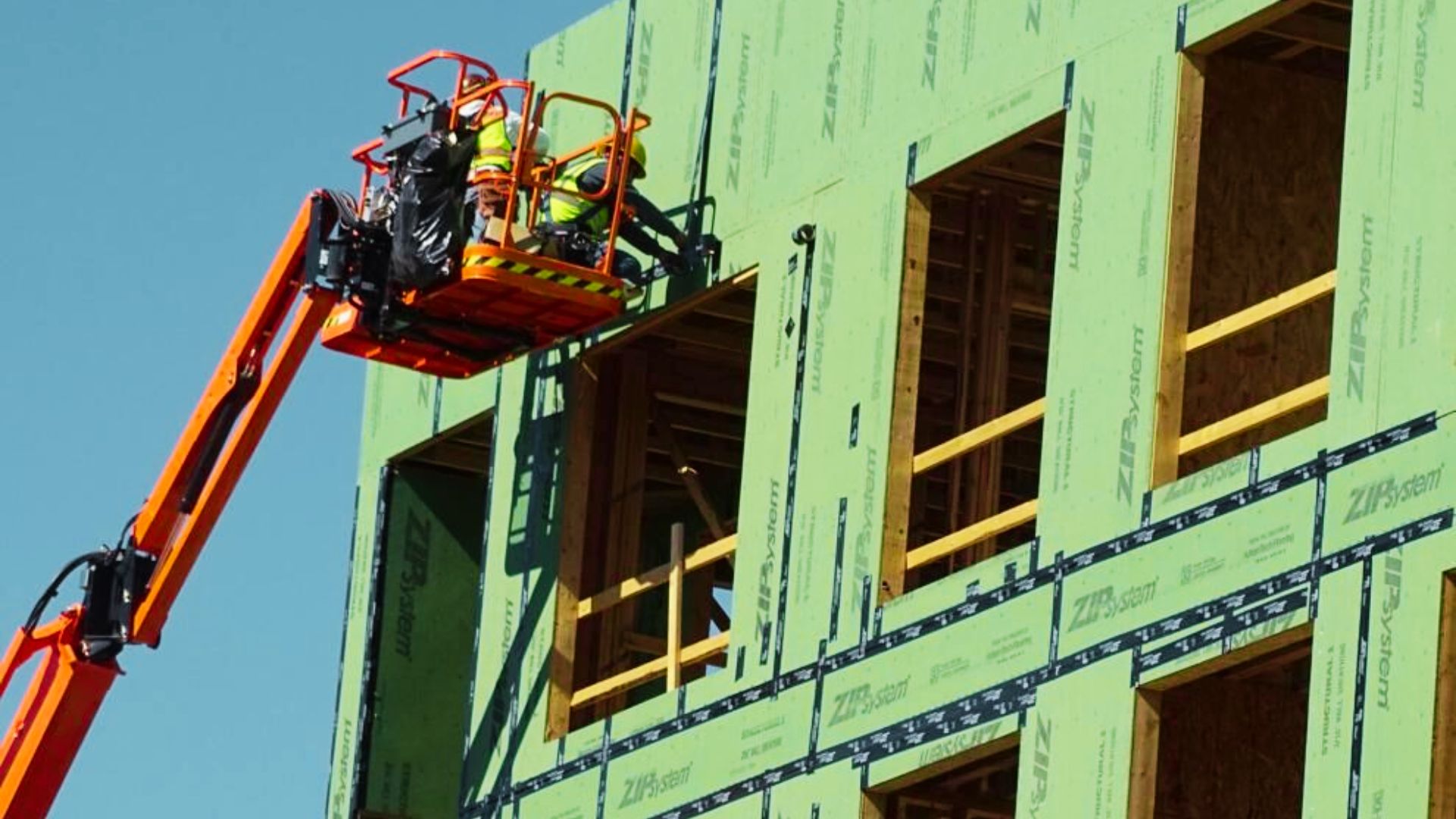
Construction defect laws vary from state to state. Here is how New York compares to three others.
| Feature | New York | California | Colorado | |
| Statute of Limitations | 3 years (negligence); 6 years (contract) | 4 years (patent defects under CCP § 337.1); 10 years (latent defects under SB 800) | 2 years | 3 years from discovery of apparent damage (NCGS § 1-52) |
| Statute of Repose | No general statute of repose; CPLR § 214-d requires 90-day pre-suit notice for claims against design professionals when work completed 10+ years prior | 10 years from substantial completion (latent, SB 800); 4 years from substantial completion (patent, CCP § 337.1) | 6 years from substantial completion (extendable to 8 years if defect discovered in years 5–6) | 6 years from the later of substantial completion or the defendant's last act or omission (NCGS § 1-50(a)(5)) |
| Right to Repair / Notice Requirement | No formal requirement | Yes ( pre-litigation notice) | Yes (CDARA notice and opportunity to repair) | No statutory right-to-repair requirement; pre-suit negotiation common in practice but not mandated by law |
| Special Rules for Multi-Family | HOA handles common area claims | Standard pre-litigation procedures apply | Additional procedural requirements for condos and multi-family | No special multi-family requirements |
Construction Defect Law in New York: Key Tips
Simple steps to protect your rights if you ever face a construction defect issue.
- Act quickly after finding a defect.
- Keep all records.
- Hire an independent inspector.
- Know your filing deadlines.
- Contact a construction defect attorney for complex claims.
Conclusion
Construction defect law in New York gives property owners real tools to fight back when something goes wrong.
New York's construction defect framework is more plaintiff-friendly in some respects than most states particularly because it lacks a general statute of repose, leaving contractors exposed to claims for an indefinite period.
At the same time, the tiered warranty periods under GBL § 777-a, the notice requirements under CPLR § 214-d, and the strict deadlines for negligence and contract claims all create real procedural traps.
Property owners who understand how these timelines interact and who know which party in the construction chain bears responsibility for which type of defect are better positioned to enforce their rights effectively.
The process may feel complicated, but the law is designed to hold the right parties accountable and help property owners recover what they have lost.
Frequently Asked Questions
Can I file a construction defect claim if I bought a used home in New York?
The Housing Merchant Implied Warranty only covers new homes. For used homes, options depend on the seller's disclosures and whether any fraud or misrepresentation was involved. A real estate attorney can review your purchase documents and advise on available options.
Does homeowner's insurance cover construction defects in New York?
Most standard policies exclude defects in materials and workmanship. However, if a covered event causes damage to a part of your home that was already defective, some coverage may apply. Always review your specific policy with your insurance provider.
Can a tenant file a construction defect claim?
Tenants can report defects to the landlord or local housing authorities. In New York City, tenants can also file complaints with the Department of Buildings or the Housing Preservation and Development office. Legal claims for construction defects are generally pursued by property owners, not renters.
What if the contractor has gone out of business?
Claims can sometimes be filed against subcontractors, material suppliers, insurance bonds, or the contractor's former insurance policy. An attorney can help trace available coverage.
What is the difference between mediation and arbitration?
In mediation, a neutral mediator helps both sides reach a voluntary agreement. In arbitration, an arbitrator hears the case and issues a binding decision. Many construction contracts require one or both before a lawsuit is allowed.
Does construction defect law cover condos and co-ops in New York?
Yes, but the process differs. In a condo, the HOA typically handles claims for common areas while individual owners handle unit-specific defects. In a co-op, the board usually manages construction defect claims on behalf of the building.