

Most people assume that buying a property means owning everything above it too. That assumption has cost some buyers and developers a lot of money.
Air rights in real estate are a separate, tradeable asset, and not understanding them can lead to costly mistakes.
This guide covers what air rights are, how they work, who owns them, and what happens when you want to buy, sell, or use them.
Having seen how air rights transactions play out in dense urban markets, I can tell you that the details here are not just theory, they reflect how real deals are structured and closed.
What Are Air Rights in Real Estate?

Air rights in real estate are the legal right to use, develop, or control the vertical space above a piece of land or existing structure.
They are a recognized property interest that can be owned, sold, or transferred independently from the land itself.
As part of the broader bundle of property rights, they sit alongside surface rights and subsurface rights, all of which can be split and sold separately.
A landowner could sell subsurface rights to an oil company, sell air rights to a developer, and keep the surface for their own use.
In dense cities like New York, these rights have sold for tens of millions of dollars, making them a serious financial asset in any property transaction.
What Does Air Rights Ownership Include?
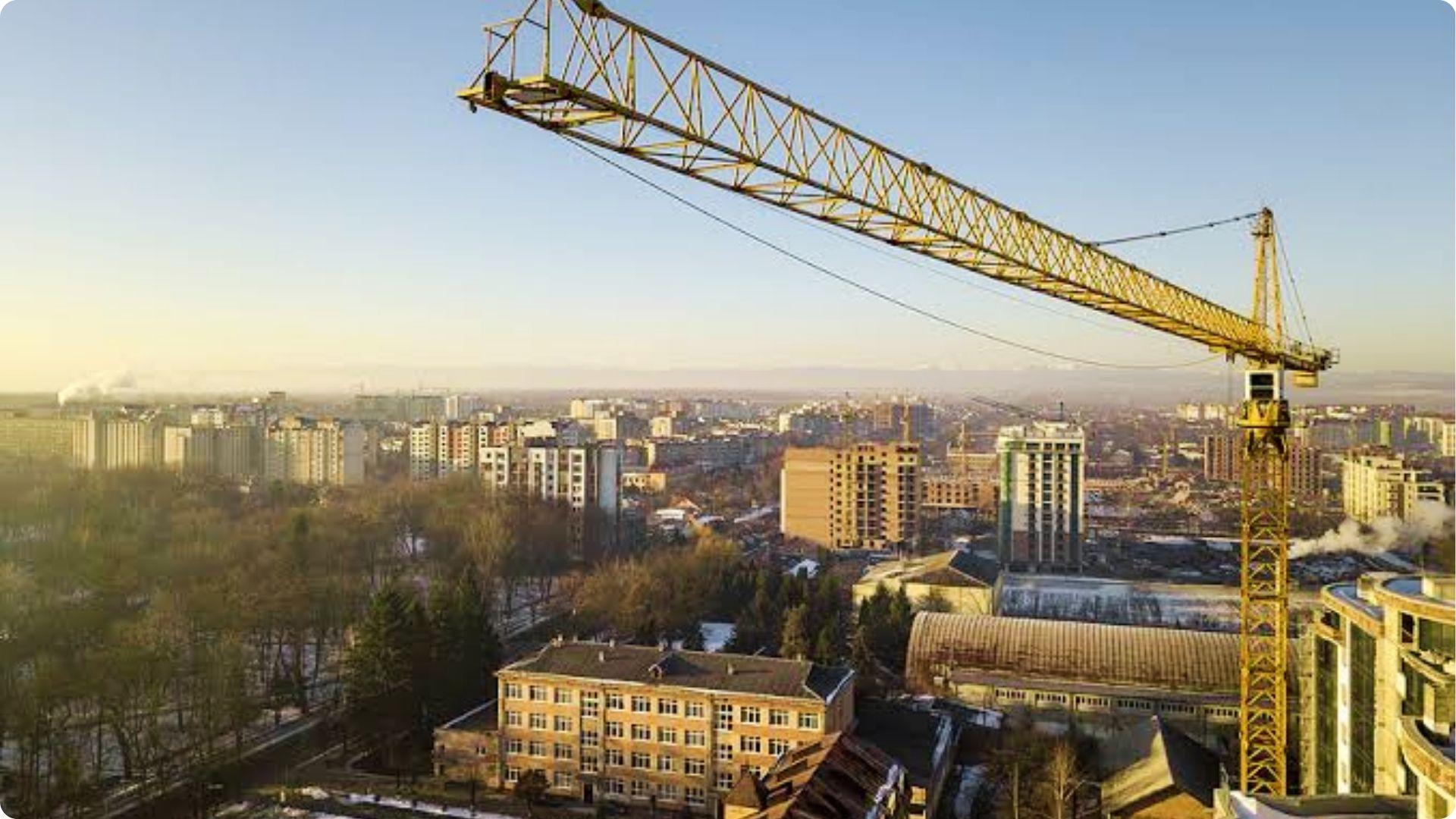
Air rights are the legal entitlement to occupy or use the vertical space above a parcel of land up to a limit set by zoning laws and government regulations.
They are part of a broader bundle of rights that come with real property ownership. In many jurisdictions, they can be separated from the land and treated as a standalone asset.
The historical legal basis for this goes back to the Roman law principle that whoever owns the soil owns upward and downward from it.
Courts in the United States later modified that principle, and the US Supreme Court confirmed in United States v. Causby (1946) that landowners hold rights to the lower airspace sufficient for full enjoyment of their property, but not to unlimited height.
How Do Air Rights Work?

Air rights work by connecting what you legally own above your land to what zoning law actually permits you to build there.
As a general rule, the landowner controls the airspace above their property, but governments can restrict that control through zoning codes, aviation rules, and height limits.
Zoning laws set floor area ratios and maximum building heights, and any unused capacity under those limits represents your air rights.
If your building only uses half of its permitted FAR, the rest holds real development value.
Those rights can be sold outright, leased for a set period, or transferred to a nearby parcel through a transferable development rights program.
Once transferred, the original property loses the ability to use those rights going forward.
What Can Air Rights Be Used For?

Air rights have real, practical uses that shape how cities are built and how property value is created.
The most common applications include building directly above an existing structure on columns or platforms, selling unused floor area ratio capacity to a neighboring developer, and constructing over public infrastructure like rail yards or highways.
Hudson Yards in New York City is a well-known example of a large mixed-use development built on a platform over active rail infrastructure using air rights agreements with public agencies.
The Metropolitan Transit Authority owns the rights over that site and granted a 99-year lease through a transferable development rights arrangement.
Transferable development rights add another layer, allowing unused building capacity to move from a protected landmark to a nearby receiving site, letting developers build higher while preserving historically significant structures.
What Are the Different Types of Air Rights?
Not all air rights work the same way. The type that applies to a specific property depends on location, zoning, and how the rights have been structured legally.
Development Air Rights
These are the basic rights to build in the airspace above a parcel up to the limit set by zoning.
Every property has them by default, though they may already be fully used if a building reaches the maximum permitted size.
Transferable Development Rights
TDRs are a specific policy tool used by municipalities. They allow unused development capacity to be moved from one site (the sending site) to another (the receiving site).
Sending zones are typically historic districts or low-density areas, while receiving zones tend to be high-density commercial or residential districts where additional development is planned or encouraged.
They are most commonly used in historic preservation, environmental conservation, and urban density management.
Air Rights Over Public and Private Property
Air rights can exist above both public land (like streets, parks, or transit facilities) and private land. Public air rights must typically be purchased or leased from the relevant government agency. Private air rights are negotiated directly between property owners.
Are Air Rights Included With Property Ownership?
Yes, in most cases. When you buy a property, air rights come with it as part of the standard bundle of property rights.
However, there are important exceptions. Previous owners may have already sold or transferred some air rights.
Easements, covenants, or prior development agreements may restrict how you can use the airspace.
Zoning limits always apply. This is why a title search and zoning review are critical before any transaction involving air rights.
What Laws and Zoning Rules Affect Air Rights?
Air rights do not exist in a legal vacuum. Several layers of regulation control what you can and cannot do with them.
Zoning and Building Height Restrictions
Local zoning codes set the maximum height and floor area ratio for every property. These rules define how much of your air rights you can actually use.
Going above the permitted limits requires a variance or rezoning, which is rarely simple or guaranteed.
Building Codes and Development Regulations
Even if zoning allows a certain height, building codes impose structural, safety, and design standards that can limit what is actually buildable.
Structural load requirements, fire safety codes, and setback rules all affect air rights development in practice.
FAA Rules and Airspace Restrictions
Near airports and in flight paths, the Federal Aviation Administration sets hard limits on building heights.
These limits override local zoning in some cases. Any development project near an airport must go through FAA review to confirm the proposed height does not create a hazard to air navigation.
It is also worth noting that the FAA regulates the low-altitude airspace below 400 feet above ground level, which is increasingly relevant as commercial drone operations expand in urban areas.
Easements, Covenants, and Other Legal Restrictions
An easement might grant a neighbor or utility company the right to use part of your airspace.
An airspace easement, for example, can give someone a legal corridor above your property for a specific purpose, separate from a standard surface easement.
A restrictive covenant might prohibit certain types of development. These legal instruments are attached to the property deed and survive ownership changes, which is why reviewing them before purchase is important.
Can You Buy or Sell Air Rights?

Yes, you can buy or sell air rights, and they are treated as a tradeable asset in most jurisdictions.
The process starts with the buyer and seller agreeing on price and terms, followed by a survey that identifies the exact airspace being transferred.
Legal documents are then drafted, including a purchase and sale agreement, an air rights easement agreement, a deed of development rights, and supporting zoning and survey materials.
In many cities, the transaction must be filed with the local planning authority and recorded in public land records to become legally effective.
Before closing, always confirm the rights have not already been sold, review zoning for both parcels, check for easements, and get a legal opinion on the enforceability of the transfer.
How Much Are Air Rights Worth?
Air rights value varies widely, from nearly worthless in rural areas to hundreds of dollars per square foot in high-demand urban markets.
The primary factors that determine value include the amount of unused development capacity, the type of use permitted under zoning, local demand, and the realistic cost of construction in that airspace.
Location plays a major role since zoning that allows high-density residential or commercial development produces significantly more valuable rights than low-density zones.
Market conditions and interest rates also influence what buyers are willing to pay.
Ultimately, the strongest driver of price is actual development potential, meaning what a buyer can realistically build using those rights in that specific location.
Air Rights vs. Transferable Development Rights: What's the Difference?
These terms are related but not the same. Mixing them up can cause confusion in transactions and planning discussions.
| Aspect | Air Rights | Transferable Development Rights (TDRs) |
| Basic Definition | The right to develop or use vertical space above a specific parcel | A regulatory mechanism that moves development capacity from one parcel to another |
| Scope | Tied to a single property | Involves both a sending site and a receiving site |
| Requires Municipal Program | No | Yes, a formal TDR program must exist |
| Common Uses | Building above existing structures, selling unused FAR | Landmark preservation, farmland protection, transit-oriented development |
| Zoning Dependency | Zoning sets the maximum development limit | Zoning must permit TDR transfers between designated zones |
| Impact of Zoning Changes | Directly increases or decreases air rights value | Affects both sending and receiving site values simultaneously |
| Are They Related | Air rights are the foundation | All TDRs involve air rights, but not all air rights deals involve TDRs |
What Are the Benefits and Risks of Air Rights?
Like any property asset, air rights come with both upside and potential problems.
Benefits for Property Owners
Owners with unused development capacity can generate significant income by selling or leasing their air rights without giving up their property.
For owners of historic buildings or low-rise properties in dense areas, landmark preservation programs create a direct path to monetizing unused rights while keeping the structure fully intact.
Benefits for Developers
Developers can acquire air rights to build larger projects than the receiving site alone would allow.
Transit-oriented developments built over rail yards or freeways often benefit from additional public funding in the form of grants or tax incentives, making the financial case even stronger.
This is particularly valuable in cities where land is scarce and demand for large-scale development is strong.
Legal and Zoning Risks
The biggest legal risk is buying air rights that are encumbered, already transferred, or subject to restrictions that limit their use.
Disputes over obstructed views, shared areas in multi-tenant buildings, and disagreements over fair market value are all common friction points in air rights transactions.
Zoning changes can also reduce or eliminate the value of previously purchased air rights.
Financial and Construction Risks
Building in airspace over an existing structure is technically complex and expensive.
Structural engineering challenges, construction logistics, and the cost of building platforms or transfer floors can significantly reduce the economic return on an air rights development.
How Can You Check If a Property Has Air Rights?

Checking whether a property has usable air rights requires a structured review before any transaction moves forward.
Start with the property deed and run a full title search to identify any prior transfers, easements, or restrictions that affect the airspace.
Next, contact the local planning or zoning department to confirm the permitted FAR, building height limits, and any overlay districts that apply.
Compare the permitted FAR against the building's actual size to see how much unused capacity exists.
Review any easements or covenants that could limit development or give others rights over the airspace.
Finally, work with a zoning attorney and a licensed surveyor to confirm exactly how much developable airspace exists and what it can legally be used for.
What Are Common Air Rights Mistakes to Avoid?
Even experienced real estate professionals sometimes miss important details in air rights transactions.
- Assuming property ownership includes unlimited airspace, when zoning, FAA rules, and legal restrictions all set firm limits on what you actually control
- Buying air rights without confirming the receiving site has the zoning capacity to legally absorb and use the additional development rights
- Missing easements and covenants during a quick title review, both of which can block or limit how the airspace can be developed
- Overpaying because development potential, construction costs, and market demand were not properly assessed before closing
- Skipping an independent appraisal of the air rights themselves, separate from the land value, before committing to any transaction
What Should You Know Before Buying or Selling Air Rights?
Proper preparation before buying or selling air rights is what separates a successful transaction from an expensive mistake.
Start by confirming who legally owns the rights and whether any portion has already been transferred through a deed review and full title search.
Then check zoning for both the sending and receiving parcels to confirm the transfer is permitted and the intended development is actually feasible given height restrictions, setback rules, and FAR limits.
Get a formal appraisal based on real development potential, not just comparable sales, and factor in construction costs, financing, and current market conditions before agreeing on a price.
Finally, hire a real estate attorney with specific experience in development rights, as the legal documents and regulatory approvals involved are too complex to handle without proper counsel.
Conclusion
Air rights in real estate are a serious asset, not just a legal footnote.
They can mean the difference between a high-value development site and a property that has nowhere to grow. If you own property in a dense market, it is worth knowing whether your air rights have been used, sold, or left untapped.
If you are buying, always check before you close. Start by reviewing your property deed, looking up your local zoning code, and speaking with a real estate attorney who handles development rights.
If this guide helped you, share it with someone who is dealing with a similar situation or drop a comment below with your question.
Frequently Asked Questions
Can air rights expire?
Air rights tied to zoning rules remain valid as long as the zoning allows them. TDRs in formal municipal programs may have program-specific rules about expiration.
Are air rights the same in every city?
No. Rules vary significantly by city and state. New York, Chicago, and Los Angeles all have different zoning frameworks governing how air rights can be used and transferred.
Can a condo building have air rights?
Yes. The building's ownership entity typically controls the air rights unless they were previously sold or transferred by a prior owner or developer.
Do air rights affect property taxes?
Selling air rights may trigger tax obligations. In some jurisdictions, unused air rights are factored into property assessments. Consult a tax professional for your specific situation.
Can air rights be inherited?
Yes. Like other property rights, air rights pass to heirs through a will or by intestate succession if no will exists, unless they were previously transferred or encumbered.