Real estate disputes are stressful. They can cost you time, money, and peace of mind.
This guide covers the 7 most common property disputes and how to handle each one. You will also find legal steps to follow and simple tips to avoid trouble before it starts.
I have seen how one missed document or unclear contract can turn a smooth deal into a long legal fight.
This blog walks you through common disputes and their solutions, the right legal steps to resolve conflicts, and practical tips to stay protected from the start.
Let this be your go-to resource for handling real estate disputes with confidence.
What is Real Estate Disputes
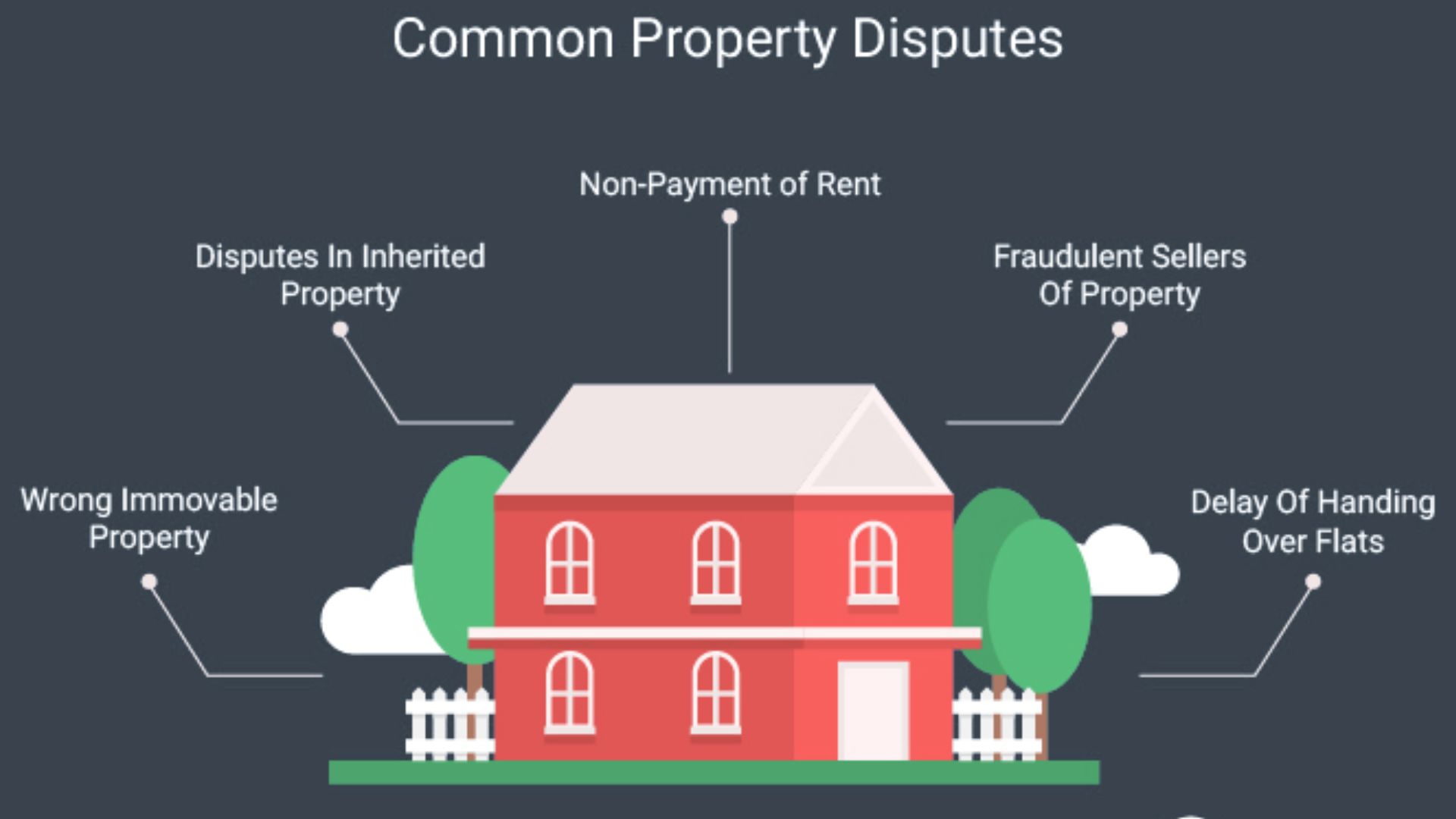
Real estate disputes happen when two or more parties disagree over property-related matters. These disagreements can involve buyers, sellers, landlords, tenants, or neighbors.
A dispute can be about ownership, contracts, rent, property boundaries, or the condition of a property. In some cases, a buyer and seller clash over sale terms. In others, a landlord and tenant fight over repairs or unpaid rent.
These conflicts can be resolved through direct talks, mediation, or court. Having clear written contracts and doing proper checks before buying or renting can help avoid most disputes.
7 Common Real Estate Disputes and How to Resolve Them

Real estate conflicts can arise at any stage of a property deal. Knowing the types helps you act quickly and wisely.
1. Breach of Contract Disputes
A breach of contract happens when one party fails to follow the terms of a signed property agreement. This could mean a buyer backing out without reason or a seller not disclosing known defects.
The best way to handle this is to review the contract closely and gather all written communication. If direct talks fail, a real estate attorney can help you seek compensation or force the other party to complete the deal.
2. Real Estate Fraud Disputes
Fraud in real estate includes fake documents, misrepresentation of property value, or hiding serious defects. It can cause major financial loss to buyers or sellers.
If you suspect fraud, collect all evidence including emails, receipts, and agreements. Report the issue to local authorities and consult a lawyer right away. Acting fast matters in fraud cases.
3. Boundary Disputes
Boundary disputes happen when two property owners disagree about where one property ends and another begins. Old or unclear records often cause this problem.
A licensed surveyor can conduct a fresh boundary survey to set things right. If the disagreement continues, mediation or a court order can provide a final answer.
4. Co-owner Disputes
When two or more people own a property together, disagreements about use, maintenance costs, or selling can come up. These disputes often get personal fast.
A written co-ownership agreement made at the start can prevent most issues. If a dispute has already started, a mediator or partition action through court can help divide or sell the property fairly.
5. Title and Ownership Disputes
Title disputes arise when more than one person claims legal ownership of a property. This can happen due to forged documents, missing heirs, or errors in past transfers.
A title search done by a professional can reveal any existing claims. Title insurance also protects buyers from losses caused by hidden ownership issues found after purchase.
6. Easement Disputes
An easement gives someone the legal right to use a part of another person's property for a specific purpose, such as a shared driveway or a utility line. Disputes arise when one party blocks or misuses that access.
Check the property deed and local land records to confirm the terms of any easement. If both sides cannot agree, a court can step in to clarify the rights involved.
7. Eminent Domain Disputes
Eminent domain allows the government to take private property for public use. While this is legal, property owners have the right to fair compensation.
If you feel the offered amount is too low, do not accept it without speaking to a lawyer first. You can challenge the valuation in court and push for a better settlement.
Legal Steps to Resolve Real Estate Disputes

When a property conflict comes up, following the right process can save you time, money, and stress.
Steps to Take Before Goiḍng to Court
Most disputes do not need to reach a courtroom. Starting with these steps can often lead to a faster resolution.
Gather your documents first. Collect deeds, titles, sale agreements, and any written communication related to the dispute. Having everything in one place makes your case stronger from the start.
Try to talk it out. Many disputes get resolved through direct negotiation or mediation. A neutral third party can help both sides reach a fair agreement without the cost of legal proceedings.
Send a formal notice. A legal demand letter puts the other party on record. It clearly states your position and often pushes the other side toward a resolution before things go further.
When You Need to Take Legal Action
If early steps do not work, moving toward formal legal action may be the only option left. File a complaint if needed. When talks break down completely, you can take the matter to court by filing a formal legal complaint. This officially starts the legal process and sets a timeline for resolution.
Get legal support. A real estate attorney can guide you through the litigation process. They can also help you negotiate a fair settlement and make sure your rights are fully protected at every step.
Tips to Avoid Real Estate Disputes
Taking a few careful steps before signing anything can help you stay out of legal trouble.
- Do a title search before buying. Find any claims, liens, or ownership issues tied to the property before the deal closes.
- Read every contract carefully. Do not sign anything without fully understanding what you are agreeing to.
- Survey the property boundaries. Hire a professional to confirm exact boundaries before buying land or building near a property line.
- Check all approvals and permits. Make sure the property has all required government approvals and clearances in place.
- Keep your records organized. Store all property documents safely and update them after any changes in ownership or agreements.
Conclusion
Real estate disputes can feel overwhelming, but most of them are avoidable with the right steps.
I always tell people the same thing:read before you sign, and ask questions even when it feels unnecessary. That one habit has saved many from serious trouble.
If you are dealing with a property conflict right now, do not wait too long. Early action always works better than late regret.
Have you ever faced a real estate dispute? Share your experience in the comments. It might help someone else going through the same thing.
Frequently Asked Questions
What is the most common type of real estate dispute?
Boundary disputes and breach of contract are among the most common issues. They usually happen due to unclear agreements or poor documentation.
Can a real estate dispute be resolved without going to court?
Yes, many disputes get resolved through negotiation or mediation. Going to court is usually the last option when all other talks fail.
How long does it take to resolve a real estate dispute?
It depends on the complexity of the case. Simple disputes may settle in weeks, while court cases can take months or even years.
Do I need a lawyer for a real estate dispute?
Having a lawyer is not always required, but it is strongly recommended. A real estate attorney can protect your rights and guide you through the process.
How can I protect myself from real estate fraud?
Always verify documents, check ownership records, and work with trusted agents. If something feels off during a deal, get a legal opinion before moving forward.