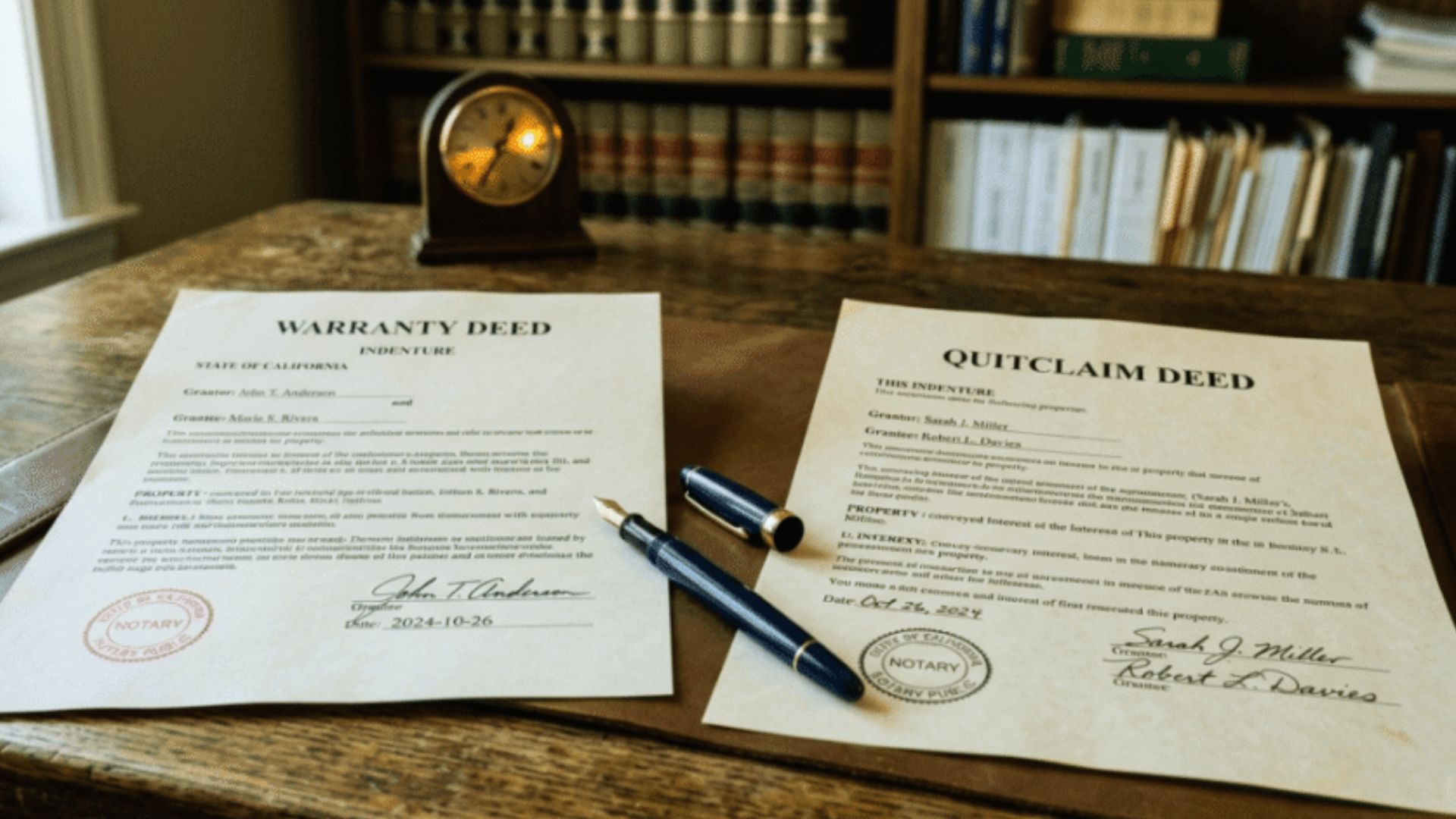


Once a property is transferred into a revocable trust, the owner's name is replaced on the title by the trust and its trustee, which understandably raises the question of who actually owns the property from that point on.
The trustee holds legal title on paper, but if the original owner is also the grantor, they keep full control. They can live in the home, sell it, refinance it, or change the trust at any time.
This article walks through exactly what that means at every stage of life, from setting up the trust to what happens after the grantor's death.
Who Legally Owns Trust Property?

When you transfer property into a revocable trust, the property is typically titled in the name of the trustee of the trust. If you are both the grantor and the trustee, you still keep full control of the property while you are alive.
This is where most people get confused. When you place your property into a revocable trust, the title shifts to the trust's name.
But that doesn't mean you lose anything. You, as the grantor and trustee, can still live in the home, sell it, refinance it, or take it back out of the trust anytime you want.
The trust is a legal container you control. The real benefit shows up later. When you pass away, the property transfers directly to your chosen beneficiaries, no probate court, no delays, no public record.
What Is a Revocable Trust?

A revocable living trust is a legal document that holds your assets during your lifetime and passes them to your loved ones after you die.
People create one to avoid probate, which is the long court process of distributing a deceased person's property.
It also helps if you become unable to manage your own affairs. Think of it as a private plan for your property.
You set the rules, name who gets what, and stay in control the whole time. It is one of the most flexible tools in estate planning.
How Does a Revocable Trust Work?

You create a revocable trust by signing a legal document. Then you move your property into the trust, this is called "funding" it. You might retitle your home, bank accounts, or investments into the trust's name.
Only assets officially moved into the trust are covered by it. If you forget to transfer something, it may still go through probate. Once funded, you continue to manage the assets as before. You can manage, sell, or change anything as long as you are alive and able to do so.
Example: Sarah creates a revocable trust and transfers her home into it. She names herself as both the grantor and the trustee. She continues living in the home, pays the mortgage, refinances it when needed, and can sell the property whenever she chooses.
After Sarah passes away, the successor trustee transfers the home to her chosen beneficiaries according to the trust, helping them avoid probate.
Legal Ownership vs. Beneficial Ownership: Explained

There are two types of ownership worth knowing when it comes to a trust.
Legal ownership means whose name sits on the title. Beneficial ownership means who actually uses and enjoys the property.
In a revocable trust, the trustee holds legal title on paper. But as the grantor, you keep full beneficial ownership while you are alive.
After your death or incapacity, the successor trustee takes over and manages the property according to the instructions you left inside the trust.
Understanding the Key People in a Revocable Trust

Knowing who does what inside a trust makes everything much clearer. The grantor is the person who creates the trust, and in most cases, they also serve as the trustee, meaning they manage all the assets inside it.
The beneficiaries are the people you choose to receive the property after you pass away.
The successor trustee is the person who steps in when the grantor either dies or becomes unable to manage the trust themselves.
In a revocable trust, you can be the grantor and the trustee at the same time. That means no one else can buy, sell, or manage your assets without your approval.
What Rights Does the Grantor Keep Over Trust Property?
You keep almost every right you had before placing property in a revocable trust. Here is what you can still do:
- Continue living in the home as if nothing changed
- Buy or sell property inside or outside the trust
- Refinance or mortgage assets without removing them from the trust
- Collect rental income from any properties held in the trust
- Add or remove assets at any time
- Amend or revoke the trust completely if your situation changes
What Happens to Property at Different Stages?

Ownership and control shift at three key points in life: while you are active, if you become incapacitated, and after you pass away.
During the Grantor's Lifetime
You manage everything yourself. Day-to-day decisions stay in your hands. You pay your bills, manage your investments, and live in your home just like before.
The trust is mostly invisible during this stage. Nothing changes in how you use the property. The trust simply holds the title on paper while you manage everything as usual.
If the Grantor Becomes Incapacitated
If you can no longer manage your affairs, the successor trustee steps in. They handle your finances, pay your bills, and manage your property. No court needs to get involved in most cases.
This is one of the biggest advantages of a trust over a simple will. Your family avoids the stress of going to court just to manage your money during a health crisis.
After the Grantor's Death
The successor trustee takes over fully. They pay off any debts and cover final expenses first. Then they distribute the remaining property to the beneficiaries named in the trust. Because the trust holds the assets, the estate often skips probate entirely.
This saves time, money, and keeps family matters private. The process is faster and simpler than going through a court.
Benefits of Holding Property in a Revocable Trust
A revocable trust does more than hold your property; it works for you at every stage of life.
- Avoids probate: Your family skips the court process and gets assets faster.
- Maintains privacy: A trust is not public record. Your estate stays private.
- Simplifies estate administration: Your successor trustee can act quickly and without confusion.
- Helps plan for incapacity: Your chosen trustee takes over immediately, without any court petition required.
- Keeps assets under your control: You stay in charge. Buy, sell, or change assets any time.
Revocable Trust vs. Irrevocable Trust: Key Differences
The type of trust matters a lot when it comes to ownership and control.
| Feature | Revocable Trust | Irrevocable Trust |
| Control of property | Grantor retains control | Trustee controls assets |
| Can the trust be changed? | Yes | Usually no |
| Can assets be removed? | Yes | Usually no |
| Creditor protection | No | Often yes |
| Probate avoidance | Yes | Yes |
A revocable trust gives you flexibility. An irrevocable trust gives you protection, but at the cost of control.
Do You Need a Revocable Trust?

Not everyone needs one. But many people do. A revocable trust works well if you own property in more than one state, have minor children, or want a plan in place if you become unable to manage your affairs. It also keeps your estate out of public records.
If your estate is small and simple, a basic will may be enough.
State laws are different everywhere, what works in Florida may not work in New York. Speaking with a local estate attorney before deciding saves confusion, time, and money.
Common Misconceptions About Trust Ownership
People get this wrong all the time. Here is what is actually true.
- "I lose ownership of my property": Not true. You keep complete authority over the property while you are alive, as covered above.
- "The trustee owns everything": The trustee holds the title, but that does not mean they benefit from the assets. You do.
- "Beneficiaries own the property immediately": Beneficiaries only receive the property after the grantor dies, not before.
- "A revocable trust protects assets from creditors": It does not. Because you still control the assets, creditors can still reach them.
- "Putting property in a trust changes my mortgage automatically": It does not. Your loan terms stay the same. Talk to your lender first to be safe.
Conclusion
A revocable trust keeps you in control. You do not lose your property, you protect it on your own terms while retaining the ability to live in, sell, refinance, or change it at any point.
Before relying on a revocable trust to avoid probate, make sure your property has been properly transferred into the trust. If you're unsure, speak with an estate planning attorney.
Frequently Asked Questions
Can a revocable trust own property in multiple states?
Yes, a revocable trust can hold real estate in multiple states, helping your family avoid separate probate proceedings in each state.
Does putting property in a revocable trust affect my property taxes?
In most states, transferring property into a revocable trust does not trigger a property tax reassessment or change your tax obligations.
Can a married couple share one revocable trust?
Yes, married couples can create a joint revocable trust that holds both spouses' assets together under one document.
What happens to trust property if the successor trustee dies before the grantor?
If the named successor trustee dies first, the trust document typically allows for a backup successor trustee to step in automatically.