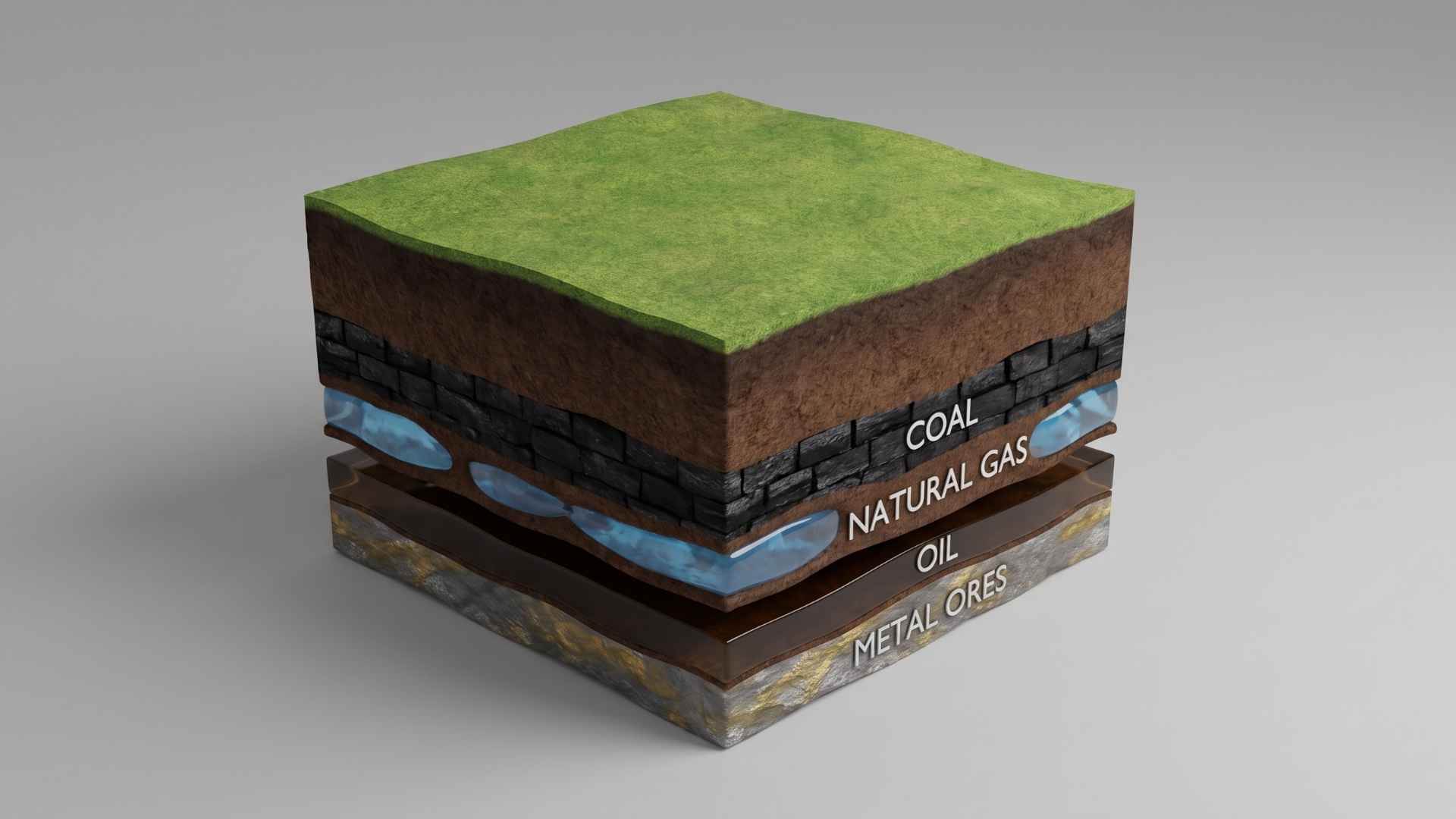


You just got a mineral rights tax bill and you're staring at it like it's written in another language.
The first time I looked into this, I had the same question: do you pay property taxes on mineral rights? The short answer is yes, in most cases.
This kind of tax is often called an ad valorem tax, which means the tax is based on the assessed market value of your mineral rights rather than a fixed dollar amount.
The real story depends on where your minerals sit, whether they're producing, and how your county handles the numbers.
In this post, I'll walk you through when mineral rights get taxed, how the math works, and what other taxes might show up along the way.
Do Mineral Rights Owners Pay Severance Tax?
Yes, but in most cases, the severance tax is paid by the company extracting the oil, gas, or other minerals rather than the mineral owner.
Severance tax is a state tax charged when natural resources are removed from the ground, making it different from property tax and if you're also untangling real estate taxes vs property taxes on your surface land, that's a separate distinction worth understanding too.
Although operators pay the tax directly to the state, some leases are structured to allow post-production cost deductions, including a proportionate share of severance taxes to be passed through to the royalty owner before the check is cut.
If your royalty is calculated on "net" rather than "gross" production value, severance taxes may already be reducing your payment.
Because severance tax laws vary by state, mineral owners should review their lease agreement and state regulations to understand whether the tax has any indirect impact on their income.
Are Mineral Rights Subject to Property Taxes?

Yes, mineral rights can be subject to property taxes in many states because they are often treated as a separate real property interest from the surface land.
If you actually owe tax depends on your state, county, and how local authorities assess mineral interests. Some counties tax mineral rights similarly to other real property, while others may assign little or no taxable value until the minerals begin producing income.
Ownership structure also matters how mineral rights are obtained in the first place often shapes who's responsible for the tax bill. If you own the minerals outright, you are generally responsible for the tax bill.
For example, mineral interests in Texas may be assessed differently than those in states with limited oil and gas activity because local tax rules vary.
Some states assess mineral rights as taxable real property, while others rely more heavily on production-related taxes or may not impose a separate property tax on mineral interests. Always check your state and county tax rules because assessment methods differ across jurisdictions.
When Are Mineral Rights Subject to Property Taxes?
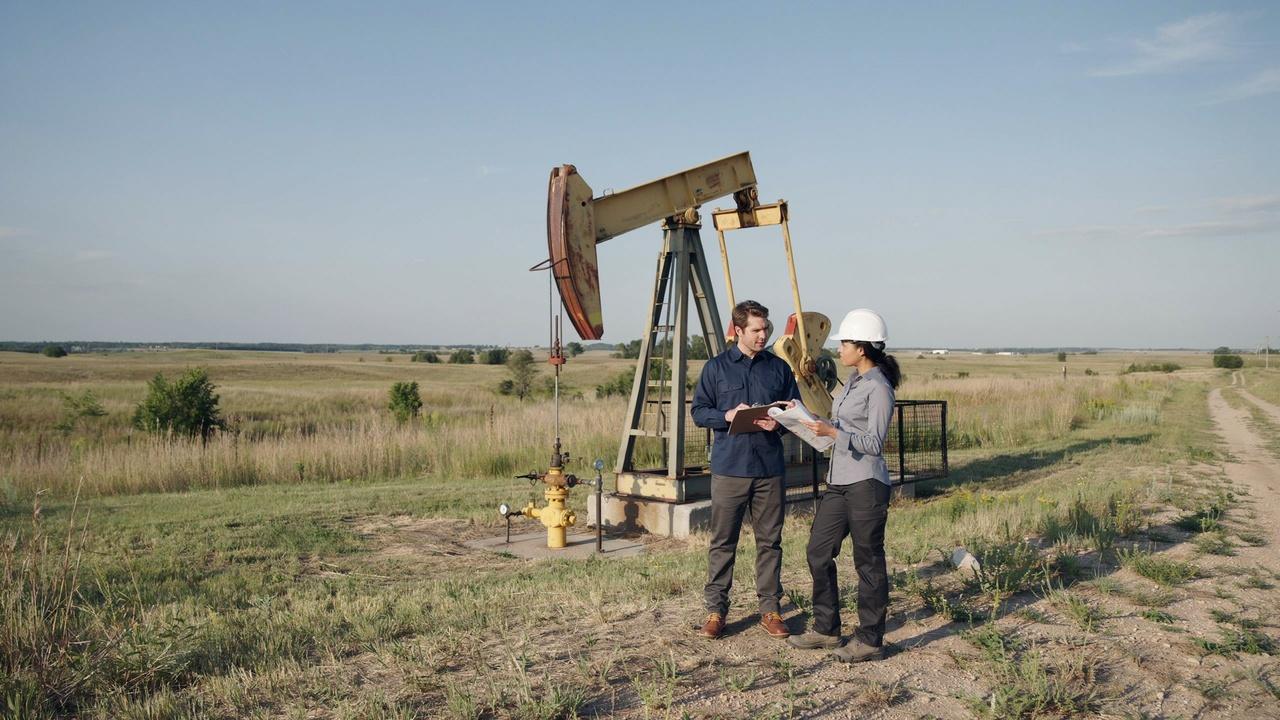
Mineral rights usually become taxable once production starts. Before a well is drilled, most counties treat the interest as having little or no value, so there's nothing to tax yet.
Once oil or gas starts flowing, the county appraisal district steps in. They assign an assessed value, sometimes called the mineral rights property tax assessment value, based on how much the mineral interest is worth right now.
Local appraisal rules decide how that value gets calculated, and those rules can vary a lot from one county to the next.
Some places wait until the following tax year to add a new well to the rolls, so there can be a short delay before the first bill shows up.
A few states don't wait for a well at all. Once your mineral interest is severed from the surface and recorded with the county, it can show up on the tax rolls right away.
That means you could owe property tax on rights that have never produced a drop of oil or gas. It all depends on where the minerals sit.
This catches a lot of owners off guard. If you inherit or buy mineral rights that aren't producing yet, you might go years without a bill.
Then a well starts up on your tract, or even nearby, and the county reassesses. Suddenly you're holding a notice you didn't see coming.
How Property Tax on Mineral Rights Works

Here's how it plays out. Local tax authorities look at your mineral interest and assign it an ad valorem value, separate from your surface property.
That assessed value is what determines your tax bill each year. Since the value depends on things that shift constantly, your bill can go up or down from one year to the next.
Appraisers factor in production history, current oil and gas prices, and what the well is expected to produce going forward.
The method most counties use is an income approach.
The appraiser estimates how much oil or gas your interest will produce in the future, applies current or recent commodity prices, subtracts operating costs, and then discounts that future income stream back to today's dollars.
That discounted present value becomes your assessed value. A well with 10 years of reserves at strong prices produces a higher present value and a higher tax bill than an older well in decline, even if both are actively producing.
Your ownership percentage, sometimes called your decimal interest, is applied at the end to carve out your share of that total value.
Example:Suppose your producing mineral interest is assessed at $40,000, and your local property tax rate is 2%. Your annual property tax would be about $800. If production falls or oil prices decline the following year, the assessed value may decrease, which could lower your property tax bill.
How Much Are Mineral Rights Property Taxes?

The amount you pay in mineral rights property taxes depends on your mineral interest’s assessed value and your local tax rate.
Counties usually consider factors such as oil or gas production, current market prices, remaining reserves, and your ownership percentage.
For example, if your mineral rights are valued at $50,000 and your property tax rate is 2%, your annual tax bill would be about $1,000.
Small interests sometimes skip the bill entirely. Many counties set a minimum value threshold, and if your mineral interest falls below it, you owe nothing.
The cutoff isn't the same everywhere. Some counties set it low, others set it higher, and a few don't offer one at all.
If you own a small fractional interest, it's worth checking with your county appraisal district. You might already be exempt without realizing it.
Since mineral values can change over time, your tax bill may increase or decrease each year based on production levels, prices, and local appraisal methods.
What Taxes Do Mineral Rights Owners Pay?

Mineral owners often deal with more than one type of tax, not just one flat bill.
Property Tax on Mineral Rights
This is the tax we've been talking about so far. It's based on the value of your mineral ownership, not your income from it, which is why it's often called an ad valorem tax.
Local governments, usually the county appraisal district, collect this tax once your minerals are producing. The district sets the value, and you get a bill separate from any tax on your surface land.
Even a small decimal interest in a producing well can trigger a bill. Most counties add a penalty of 6–12% the month after the due date, and interest continues to accrue monthly until the balance is cleared.
Income Tax on Mineral Royalties
This tax is different from property tax. It applies to the royalty checks you actually receive from oil and gas production.
The Internal Revenue Service (IRS) treats royalty income as taxable income, so you'll report it on your federal return each year. Some states also tax this income separately. You may also be able to claim a depletion deduction, which lets you write off part of that royalty income over time.
Unlike property tax, which is based on the assessed value of your interest, income tax is based on what you actually earned that year. If production slows down, your royalty income drops, and so does this tax bill.
Capital Gains Tax When Selling Mineral Rights
If you sell your mineral rights for more than your tax basis, you'll likely owe capital gains tax. How much you pay depends on how long you owned the rights before selling.
Hold them for more than a year, and you usually qualify for long-term capital gains rates, which tend to be lower. Sell sooner, and you may face short-term rates instead, taxed like regular income.
Your tax basis, meaning what you originally paid or inherited the rights at, plays a big role in the final number. If you inherited the rights, a step-up basis rule can reset that value to what the rights were worth when you inherited them, which often shrinks the tax bill significantly.
Types of Taxes on Mineral Rights at a Glance
Mineral owners can face up to four different taxes, and each one works differently depending on whether you're holding, earning from, or selling your interest.
| Tax Type | Based On | Usually Paid By |
| Property tax | Assessed mineral value | Mineral owner |
| Income tax | Royalty income | Mineral owner |
| Capital gains tax | Profit from sale | Seller |
| Severance tax | Resource extraction | Usually operator |
Knowing which tax applies to your situation makes it much easier to plan ahead and avoid surprises.
Are Producing and Non-Producing Rights Taxed Differently?

Yes. Producing mineral rights are generally easier to assess because they generate income, while non-producing mineral rights may have little or no taxable value. The exact tax treatment depends on state and local appraisal rules.
| Type of Mineral Rights | Tax Treatment |
| Producing mineral rights | Usually valued using production, income, and reserves |
| Non-producing mineral rights | May have low value or different assessment methods |
| Recently drilled wells | May receive updated assessments after production begins |
How Different States Handle Mineral Rights Property Tax
State rules on mineral rights taxation vary enough that the same interest could produce three different bills depending on which side of a state line it sits on. These are the states where the differences matter most:
Texas
No property tax on non-producing minerals. Once a well begins producing, the county appraisal district assesses the interest annually using a reserve-based income approach. The county typically gets production information directly from the operator.
Colorado
One of the few states that taxes severed mineral interests even before production begins. If your mineral interest has been separated from the surface and recorded with the county, it goes on the tax roll right away, usually assessed at a small per-acre value based on average lease rates in the area. Once production starts, the value jumps to reflect the income the well generates.
West Virginia
Assesses severed minerals at a minimum value before production. The bill is typically small until a well comes online, at which point the assessed value increases substantially based on gross royalties.
Oklahoma
Does not levy a traditional ad valorem property tax on oil and gas production. Instead, a gross production tax is collected at the state level and deducted directly from your royalty check by the operator, similar to how severance tax works in other states.
Louisiana
Ad valorem tax there generally applies to the operator's equipment and production, not directly to the mineral owner's interest. Louisiana's mineral servitude system operates differently enough that owners there should verify their specific obligations with a local tax professional.
Pennsylvania
No traditional severance tax on oil and gas production. Instead, operators pay a per-well impact fee under Act 13. Mineral owners in Pennsylvania generally do not receive a separate mineral rights property tax bill in the way Texas or Colorado owners do.
If your minerals sit in a state not listed here, contact your county assessor directly and ask whether severed mineral interests are assessed separately from surface property, and whether that assessment applies before or only after production begins.
Why Your Mineral Rights Tax Bill Can Change

Your tax bill isn't fixed. A handful of factors can push it up or down each year, often without any action on your part.
- Increased oil and gas prices: When prices rise, the assessed value of your interest usually rises with them, and so does your bill. Prices can shift fast, so a strong year for oil can mean a real jump on your next notice.
- Higher production levels: More oil or gas coming out of the ground means a higher assessed value for your mineral interest. This often happens right after a new well ramps up to full output.
- Updated appraisal methods: Counties sometimes change how they calculate value, which can shift your bill even if nothing else changed. It's worth checking your notice each year to see if the formula itself was updated.
- Ownership changes: Selling, inheriting, or transferring part of your interest can trigger a fresh reassessment. The county often revalues the interest as soon as new ownership records come in.
- New wells becoming active: A new well nearby or on your own interest adds fresh production data, which usually raises the assessed value. Even a well on someone else's tract nearby can affect how your acreage gets viewed.
What Happens If You Do Not Pay Mineral Rights Taxes?

If you skip mineral rights taxes, the county can slap a lien on your rights and eventually sell them off at a tax sale to recover the debt.
Missing the due date costs you immediately. Most counties attach a penalty within 30 days; often 6 to 12 percent of the unpaid balance, and interest starts adding up monthly after that.
Let it go long enough and the county places a tax lien on your mineral interest, giving them a legal claim on your rights until the debt is paid in full.
In the most serious cases, that lien ends in a forced sale at a sheriff's auction, and you lose the interest entirely. Tax notices arrive by mail once a year, so missing one is usually how owners end up this far in.
How to Review and Appeal Your Mineral Tax Bill

Reviewing your mineral tax bill helps you catch mistakes before they become costly. Start by checking your ownership information, mineral interest percentage, and assessed value on the notice from your county appraisal district or tax assessor.
Compare the assessment with recent production records, royalty statements, and ownership documents. Errors in ownership percentages, outdated production data, or incorrect valuations can affect your final bill.
If you believe the assessment is too high, review common reasons to appeal a property tax assessment, then gather supporting documents, including tax notices, production records, lease agreements, and ownership paperwork before filing a protest.
Most counties have strict appeal deadlines, so submit your request on time. A successful appeal may reduce your assessed value and lower your future mineral rights property tax bill.
How to Look Up What You Owe
Most county appraisal districts now offer an online owner search.
Go to your state's county appraisal district or tax assessor website and search by owner name. If you inherited mineral rights, search under the prior owner's name first; county records often lag behind estate transfers, and a notice may be sitting unclaimed in the system under a deceased relative's name.
In Texas, nearly every county uses the same appraisal district platform. Search "[County Name] County Appraisal District" and look up your account by name or property ID. The result will show your production status, assessed value, and any amount due.
If you're unsure which counties to check, start with your lease agreement or division order, the legal description will tell you the county and state where your interest is located.
Conclusion
So, do you pay property taxes on mineral rights? In many cases, yes, especially when your mineral rights have taxable value or begin producing oil, gas, or other resources.
The amount you owe depends on state laws, local assessment methods, and the value of your mineral interest.
Understanding these tax rules can help you avoid unexpected bills and make informed decisions. If you're unsure about your assessment, review your tax notice carefully or speak with your local tax assessor or a qualified tax professional for guidance.
Frequently Asked Questions
Do You Pay Property Taxes On Mineral Rights If You Don't Own The Surface Land?
Yes, since mineral rights are a separate real property interest, you owe tax on them even if someone else owns the surface above.
Can You Deduct Mineral Rights Property Taxes On Your Federal Tax Return?
In most cases yes, since property taxes on mineral interests are generally deductible if you itemize, though state and local tax caps may limit the amount.
Do Mineral Rights Taxes Come On A Separate Bill From Surface Property Taxes?
Yes, most counties send a separate notice for mineral interests since they are appraised apart from the surface estate.
Which States Do Not Charge Property Tax On Mineral Rights?
A handful of states generally do not assess a separate ad valorem tax on mineral rights. Pennsylvania uses a per-well impact fee instead of a traditional severance tax, and mineral owners there typically do not receive a separate mineral rights property tax bill. Rules vary and can shift over time, so always confirm with your county assessor.
How Do I Know If My Mineral Rights Are Taxable?
Check with your county appraisal district or local tax assessor. If your mineral rights have been assigned a taxable value, you'll usually receive an annual assessment or property tax notice explaining what you owe.