
Mineral rights determine who profits when oil, gas, coal, or other resources sit beneath a piece of land, and that owner isn’t always who you’d expect.
A buyer, seller, or landowner who assumes the deed covers everything underground can be in for a surprise.
Here, I’ll cover what mineral rights actually grant, how ownership can split from the surface without anyone realizing it, and why that gap matters for value, income, and control. The real complication isn’t owning minerals; it’s not knowing whether you do.
Disclaimer: Mineral rights law differs by state, and a single deed can change the answer. This post is general information, not legal advice. Before you buy, sell, or lease, talk to a real estate attorney or title company in your state.
What Are Mineral Rights?
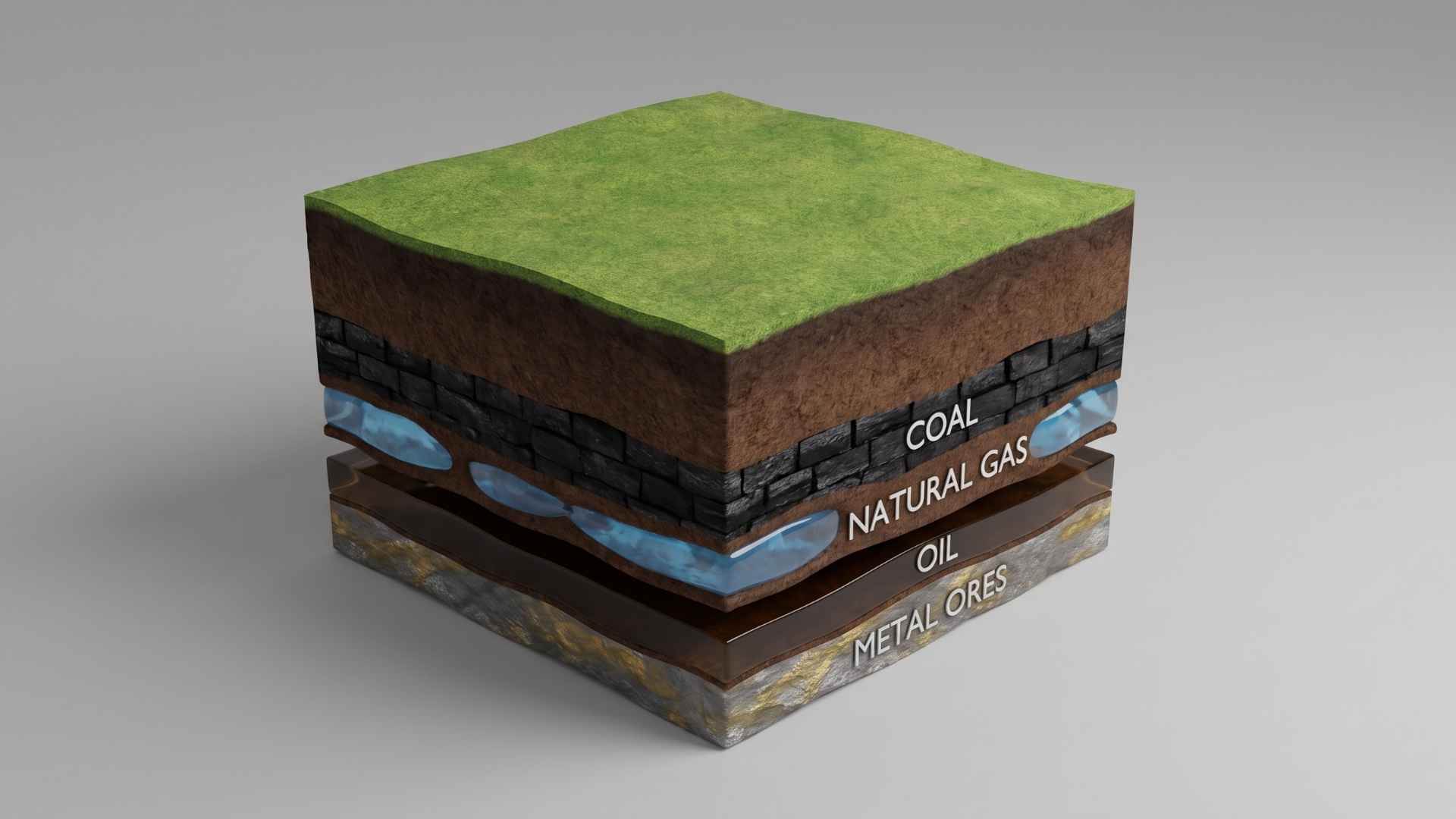
Mineral rights are the legal right to the natural resources under a piece of land. That includes oil, natural gas, coal, metals, and ores.
The owner can explore for these resources, extract them, and earn money from them.
In the United States, private people can own these rights. In most other countries, the government owns everything underground .
The basics hold across the U.S., but details vary by state, including how much surface access a mineral owner gets.
What Do Mineral Rights Let an Owner Do?
So how do mineral rights work in practice? Owning mineral rights is more than holding a title. Each option below changes who does the work and who gets paid.
- Pull the minerals out of the ground themselves
- Sell the rights to a buyer
- Give them away to a family member, for example
- Lease them to a company that handles the extraction
Most owners lease. Few people have the equipment or the money to drill, so a company does it for them.
A lease usually pays you twice. The first payment comes upfront and is often called a bonus. The second is a royalty, which is a share of what the company produces and sells. Lease royalties often fall between 12.5% and 25% , depending on the lease terms.
You can own rights to land with oil under it and still never see a check. That depends on what is really down there, what it sells for, and what your lease says.
Owners who want cash now, or don’t expect the property to produce for long, often sell outright. Owners who want ongoing income, or believe the minerals will keep paying out for years, tend to lease instead.
How Can Someone Own the Minerals Under Land They Don’t Own?

Most people assume that owning land means owning everything beneath it. Sometimes that’s true. Often it isn’t.
Surface rights cover what happens above ground, like building, farming, or living there. Mineral rights cover what lies below. The law treats the two as separate.
So buying a house doesn’t tell you who owns the minerals. The answer sits in the chain of title, not in the property itself.
When one person owns the surface, and someone else owns the minerals, that’s called a split estate.
How does a split estate (severed estate) come about?
It starts with a deed. An owner can sell or lease the minerals and keep the surface, or sell the surface and keep the minerals.
In the second case, the deed reserves the minerals for the seller.
Picture a family that sold its farm in 1955 and kept the minerals. That split didn’t go away. It stayed in the title, so every buyer since then received only the surface. The minerals may now belong to the grandchildren, living in another state.
This is why sellers and buyers get surprised. The person who owns the land today may never have owned what’s under it.
What Does “Dominant Estate” Mean for The Surface Owner?
In many states, the mineral estate is treated as the dominant estate . That means the mineral owner, or the company leasing from them, can use part of the surface to reach the minerals.
The law limits this to a reasonable amount. In practice, that can mean a drilling pad, an access road, or a pipeline. You still own the land. But you may not get to say no.
How much access is allowed depends on your state. Some states add rules about paying the surface owner or limiting damage, so check your state’s rules.
Why Does It Matter Who Owns the Minerals Under a Property?
Mineral ownership shapes what a property can earn and who decides how it’s used. Three things change:
- Value: land with recoverable oil, gas, or coal nearby is worth more when the minerals come with it. A parcel sitting over a producing formation can sell for well above the price of a similar tract with no mineral rights attached
- Income: a lease can bring an upfront bonus, and a producing well can bring royalties on top
- Control: the owner decides whether to lease, sell, or leave the minerals alone
If you don’t own the minerals, none of these three are yours.
Who Owns the Mineral Rights to My Property?
Start at the county clerk or recorder’s office where the property sits.
Most counties keep deeds in a grantor/grantee index, and many put it online. Search the current owner’s name, then work backward through each sale.
You’re looking for the moment the minerals were separated from the surface.
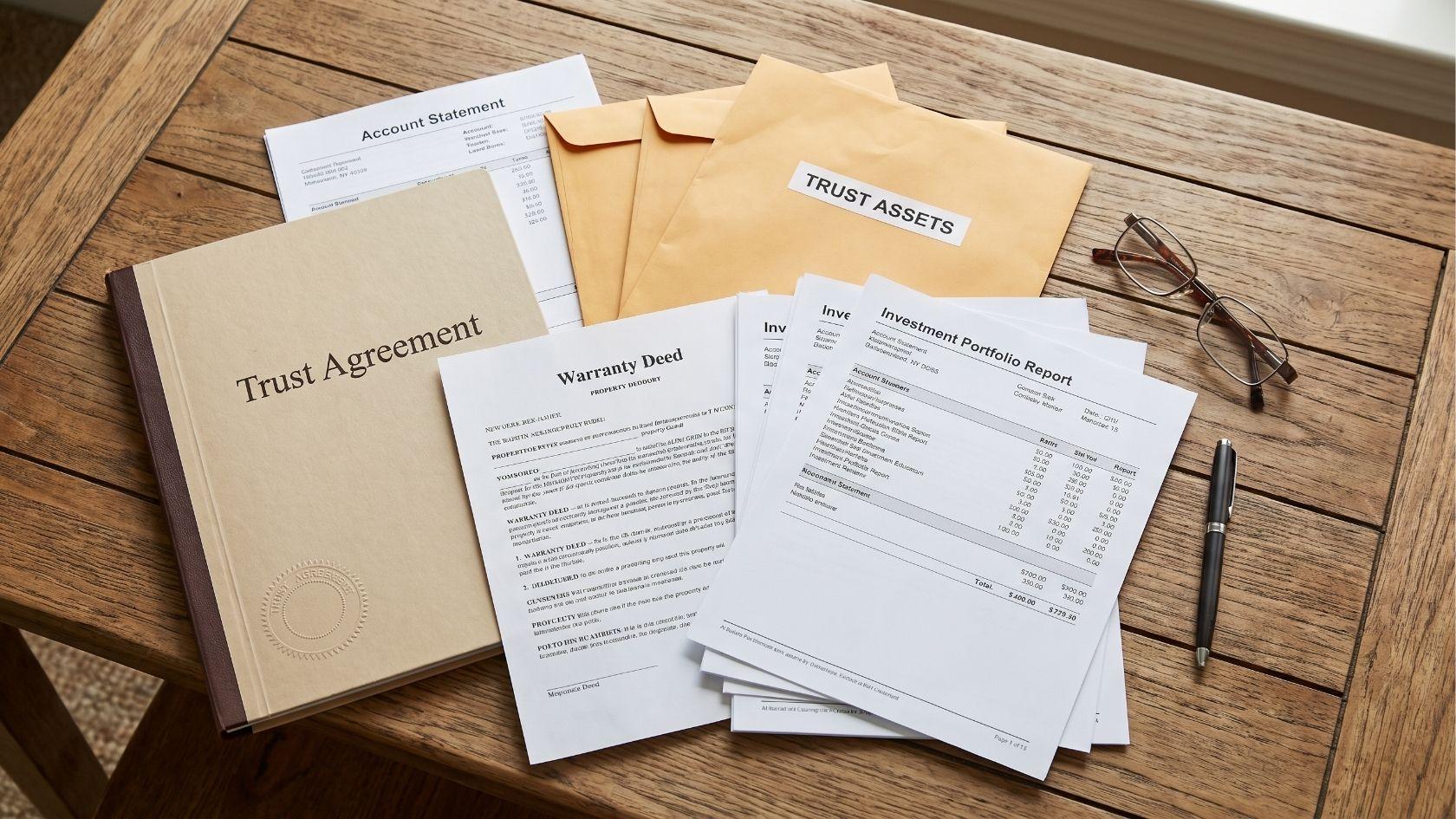
Deed wording tells you most of what you need. “All minerals reserved” or “excepting all oil, gas, and minerals” means the seller kept them. “Together with all mineral rights” means they passed to the buyer along with the surface.
Keep going until the chain of title reaches the original owner.
One reservation anywhere along the way is enough. After that, the minerals may have been sold again, split among heirs, or leased to a company.
A full search can take hours if the property has changed hands many times. A title company can run it for you. Ask for a mineral rights search by name so it’s part of the work.
If the records show a reservation, or the trail goes cold, talk to a real estate closing attorney in your state before you close.
Wrapping Up
Mineral rights rarely show up where you’d expect them, and that’s the real lesson here: owning land and owning what’s beneath it are two separate questions with two separate answers.
The deed in your hand only tells part of the story; the title history tells the rest. A split estate can sit quietly for generations until a sale, a lease offer, or a drilling notice forces the question.
Don’t wait for that moment to find out where you stand. Pull your title history today, or ask a title company to run a mineral search before your next transaction.
Frequently Asked Questions
Are mineral rights worth anything?
It depends on what lies beneath the land and whether anyone can profit from taking it out. Rights over productive oil, gas, or coal can bring lease payments and royalties. Rights over land with nothing recoverable may bring little. Location, demand, and the terms of any lease also affect the value.
Who owns mineral rights in the U.S.?
Private individuals, companies, and governments can all own mineral rights in the U.S. Who holds them depends on the property’s deed history. The rights may have been sold, reserved, or leased at any point. Many other countries give underground minerals to the national government instead.
Do I automatically own the mineral rights when I buy a property?
Not always. Mineral rights may have been separated from the surface in an earlier sale, and that split stays in the title. A buyer gets only what the chain of title provides. The deed and title history at the county clerk’s office are where you confirm it.
What is the difference between mineral rights and surface rights?
Surface rights cover using the land above ground, such as building, farming, or living there. Mineral rights cover the resources below, such as oil, gas, coal, and metals. Different people can own each one, which creates a split estate. The mineral owner may also get reasonable access to the surface.