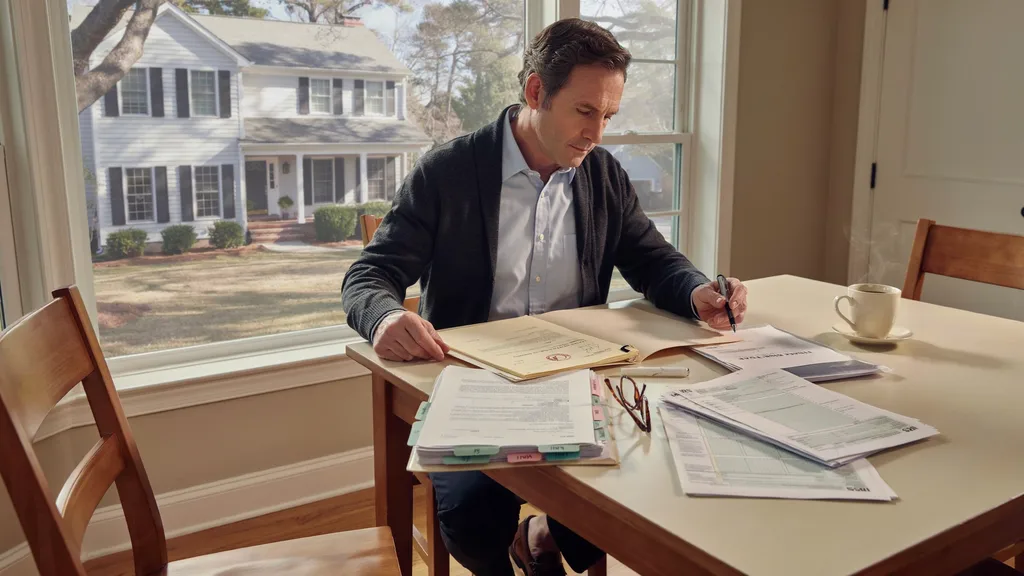
If your property tax bill jumped this year, you are not alone. Many homeowners pay more than they should because their assessment does not match reality.
Learning the reasons to appeal property tax assessment can save you real money every year, not just once.
This article walks through why assessments go wrong, how to check if yours is off, and the exact steps to file a strong appeal.
I have reviewed assessment notices for friends and family over the years, and small errors show up more often than people expect.
By the end, you will know exactly what to look for and how to act on it.
What Are the Most Common Reasons to Appeal Property Tax Assessment?

Most appeals come down to a handful of clear problems that are easy to spot once you know where to look.
Your Home Is Assessed Above Its Market Value
If your assessed value is higher than what your home would actually sell for today, that gap is a red flag. Local markets shift, and assessors do not always catch up fast enough.
Comparable Homes Have Lower Property Tax Assessments
Check what similar homes nearby are assessed at. If houses with the same size, age, and features are valued lower than yours, that is solid ground for an appeal.
Incorrect Property Records Increased Your Assessment
Sometimes the county has the wrong square footage, bedroom count, or lot size on file. A basic records error can inflate your bill without you ever knowing.
Property Damage or Deferred Maintenance Was Overlooked
A cracked foundation, roof damage, or outdated systems lower a home's real value. If the assessor never accounted for these issues, your assessment is likely too high.
Unequal Assessment Compared With Similar Properties
Even if your value is close to market price, it can still be unfair if similar homes are taxed at a lower rate. Many states allow appeals based on this kind of inequality alone.
Market Conditions Changed After the Assessment
Assessments are often based on data that is already a year or more old. If home prices dropped in your area since then, your bill may not reflect current reality.
Should You Appeal Your Property Tax Assessment?
Not every high bill is worth fighting, so it helps to know when an appeal actually makes sense. Start by comparing your assessed value to recent sale prices of similar homes nearby.
If your number is noticeably higher, that is a strong sign something is off. Next, think about the money.
If the potential tax savings are larger than the time and any filing costs involved, filing is usually worth it, and even a modest reduction can add up over several years.
On the other hand, if your assessment is already close to market value or the gap is small, the effort may not match the outcome.
Look closely at the numbers before you commit time to the process.
How to Appeal a Property Tax Assessment
Filing an appeal follows a fairly standard process, though details vary by county and state.
- Read your assessment notice carefully. Note the assessed value, the filing deadline, and any local instructions.
- Pull your property record card. Check every detail against your actual home, since mistakes in square footage or room count are common.
- Gather your evidence. Comparable sales, photos, and appraisals all strengthen your case, the next section covers exactly what to collect and why it matters.
- File before the deadline. Missed filing windows are one of the most common reasons appeals get rejected, regardless of how strong the underlying case is.
- Attend the hearing. Organize your evidence, present facts rather than opinions, and expect a written decision by mail once the hearing wraps up.
What Evidence Gives You the Best Chance of Winning?

Strong evidence is what separates a successful appeal from a rejected one.
- Recent comparable sales carry the most weight — review boards give significant credit to actual sale prices of similar homes in your neighborhood.
- An independent appraiser's report adds another layer of credibility, especially for higher-value or unusual properties where comparable sales alone may not tell the full story.
- Clear, dated photos of property damage or defects help prove your home is worth less than its assessed value, and written repair estimates or inspection reports back up those claims with real numbers instead of guesses.
- Public records like deeds, permits, and county files can confirm mistakes in square footage, lot size, or property classification, giving your appeal solid ground to stand on.
Property Tax Assessment Appeal vs Property Tax Exemption
These two options solve different problems, so it helps to know which one fits your situation.
Which Option Can Save You More Money?
It depends on your circumstances. An appeal can lower an inflated value, while an exemption reduces the taxable base regardless of the assessed value.
| Factor | Property Tax Appeal | Property Tax Exemption |
| Purpose | Corrects an inaccurate assessed value | Reduces taxable value based on eligibility |
| Who Qualifies | Any homeowner with grounds to dispute value | Specific groups like seniors, veterans, or disabled owners |
| Filing Frequency | Usually once per assessment cycle unless value changes | Often ongoing once approved |
| Evidence Needed | Comparable sales, appraisals, records | Proof of eligibility status |
Can You File an Appeal and Claim an Exemption?
Yes. These two processes are separate, so you can pursue both if you qualify for an exemption and believe your assessment is also too high.
Common Property Tax Appeal Mistakes That Can Cost You
A few avoidable mistakes cause most appeals to fail before they even get a fair hearing.
- Missing the filing deadline and losing the right to appeal for that year
- Submitting weak or incomplete evidence that does not clearly support your claim
- Using asking prices instead of sold comparables, which most boards will not accept
- Ignoring local appeal rules and procedures specific to your county
- Showing up unprepared for the hearing without organized documents or a clear explanation
What Happens After You Appeal a Property Tax Assessment?

Once you file, the process moves through a review board or panel before a final decision is issued, and what happens next depends on that outcome.
If your appeal is approved, your assessed value gets adjusted, which lowers your tax bill going forward and sometimes retroactively depending on local rules.
If it is denied, you typically have the option to escalate to a higher review board or state tax tribunal within a set time frame.
Many jurisdictions also allow a second level of appeal if you disagree with the first decision, though the process and evidence standards may differ.
Keep in mind that your taxes will not usually change right away, since adjustments often apply to the next billing cycle rather than the current one, so patience is part of the process.
Expert Tips to Increase Your Chances of a Successful Appeal
A little preparation goes a long way toward a stronger case.
- Research comparable properties early so you have strong evidence ready before the deadline
- Keep your evidence organized in a simple folder or binder for quick reference
- Present facts instead of opinions, since boards respond better to data than emotion
- Know your local appeal rules, since deadlines and formats vary by county
- Decide when professional representation is worth it, especially for high value or complex cases
Conclusion
Fighting an inflated tax bill starts with understanding the real reasons to appeal property tax assessment.
Once you spot an error, gather solid evidence, and file before the deadline, you give yourself a fair shot at a lower bill.
This process rewards preparation, not luck. If this guide helped you make sense of your assessment, share it with a neighbor who might be facing the same issue.
Drop a comment below with your experience or questions, and check out our other property tax guides to keep more money in your pocket each year.
Frequently Asked Questions
Can I appeal my property tax assessment every year?
Yes, in most areas you can file an appeal each year your assessment is issued, as long as you meet the local filing deadline.
Do I need a lawyer to appeal my property taxes?
No, most homeowners can file appeals on their own. A lawyer is usually only needed for complex commercial or high value disputes.
How long does a property tax appeal take to resolve?
It varies by county, but most decisions arrive within a few weeks to a few months after the hearing or review.
Will appealing my assessment raise my taxes instead?
It is rare, but some boards can reassess your property and find a higher value, though this outcome is uncommon in standard residential appeals.
Is there a fee to file a property tax appeal?
Some counties charge a small filing fee, while others allow free appeals. Check your local assessor's website for exact costs.