Maritime law on land is more common than most people think. I’ve seen many workers get confused about their rights simply because they didn’t know this law could protect them away from the water.
In this article, I’ll walk you through exactly when maritime law applies on land, who it covers, and what federal laws back it up. Whether you work on a dock, in a shipyard, or handle cargo near a port, this guide is for you.
With years of research into maritime cases, I’m here to make it clear and simple.
What Does “Maritime Law on Land” Mean?

Maritime law governs activity connected to water, ships, and commerce on the seas. Most people think it only applies on boats or in the ocean. That’s not always true.
Maritime law can reach the shoreline. It can even apply to workers who never set foot on a vessel.
In the United States, maritime law is federal law. It covers disputes, injuries, and activities tied to navigable waters. Courts use specific tests to decide when this law applies.
The key idea is connection to maritime commerce. If your work or injury has a strong link to shipping, vessels, or waterways used for trade, maritime law may apply to you even if you’re standing on dry ground.
Does Maritime Law Apply on Land?
Yes, in many situations it does. But not every land-based accident qualifies.
Courts look at two main things: where the accident happened and what the worker was doing at the time.
Location alone is not enough. A worker injured near a port doesn’t automatically fall under maritime law. The work itself must connect to vessels or maritime commerce.
For example, a forklift operator loading cargo onto a ship at a dock may have a strong maritime case. A plumber fixing pipes in a port office building likely does not.
The worker’s activity matters more than the physical location. Courts have made this clear in many decisions over the years.
When Maritime Law on Land Applies to Workers
Certain groups of land-based workers are most likely to fall under maritime law.
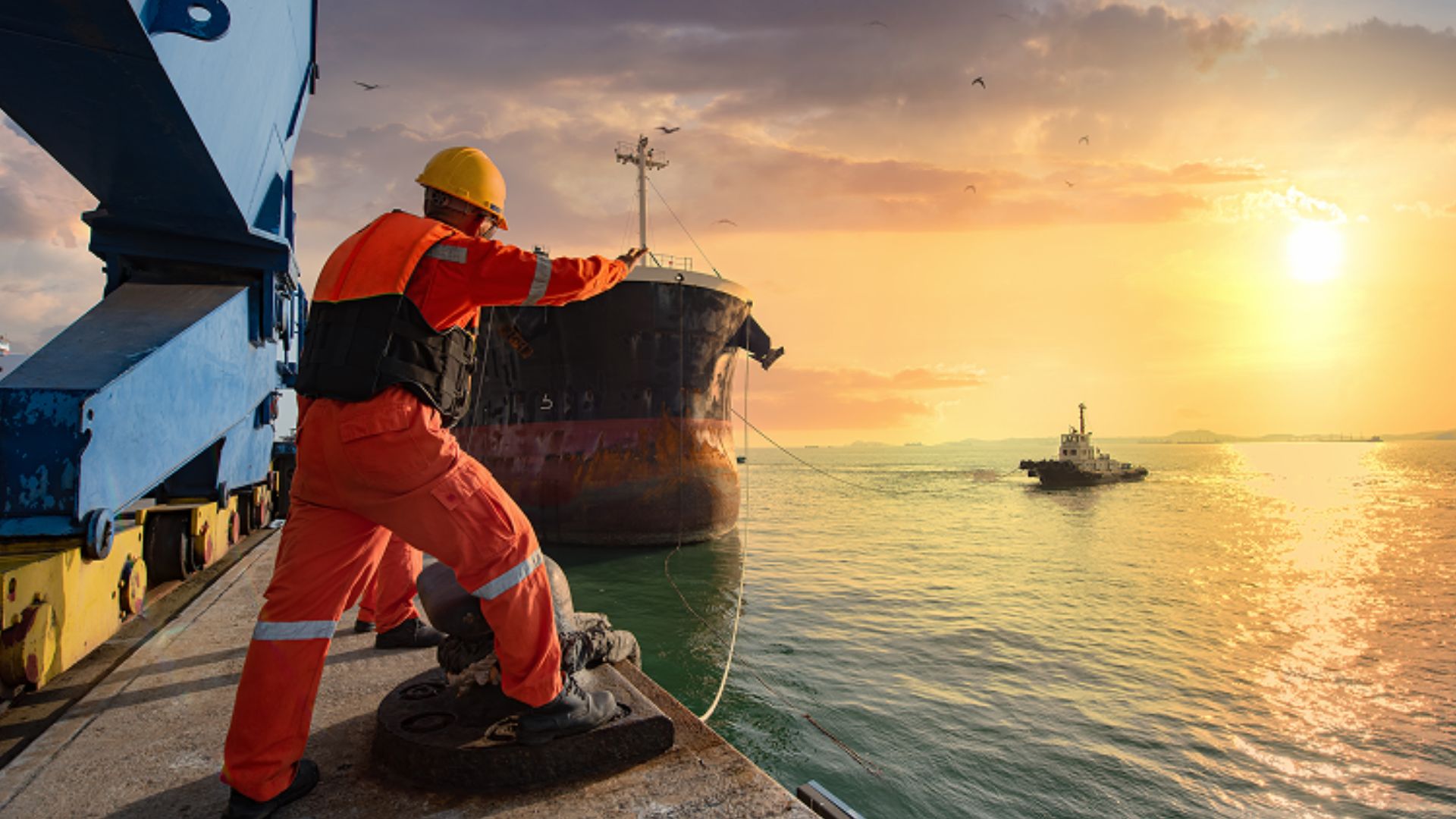
Dock and port workers handle vessels, ropes, gangways, and cargo at the water’s edge. Their work directly supports ships and maritime commerce.
Shipyard and dry-dock workers repair, build, or overhaul vessels on land. Even though a ship may be out of the water during repairs, the work stays connected to maritime activity.
Shore-based workers supporting active vessels include mechanics, crane operators, and inspectors who assist vessels while docked. Their role ties directly to ship operations.
Marine construction and repair workers build or fix piers, docks, and terminals. If the structure supports active vessels, maritime law may apply.
Land-Based Jobs and Activities Covered by Maritime Law
Several specific activities can trigger maritime law coverage even on land:
Loading and unloading vessels is one of the most common situations. Moving cargo on or off a ship connects directly to maritime commerce.
Cargo handling and stevedoring operations involve workers who organize and move freight near or on vessels. These roles have long been recognized under federal maritime law.
Shipbuilding and vessel repair often happen in dry docks or shipyards on land. The work is still maritime in nature.
Pier, dock, and terminal operations support the movement of ships and goods. Workers in these areas often qualify for maritime protections.
Shore-side vessel maintenance covers tasks like painting hulls, replacing equipment, or inspecting parts while a ship is docked.
Does Maritime Law on Land Apply on Rivers and Inland Waters?
Many people assume maritime law only covers oceans. That’s not accurate.
Navigable waterways are the key. A waterway qualifies if it is currently used, or could be used, for interstate or foreign commerce.
Inland rivers connected to commerce often qualify. The Mississippi River, Ohio River, and many others fall under federal maritime jurisdiction.
Commercial lakes and harbor areas can also qualify depending on how they connect to trade and shipping routes.
Tidal and non-tidal waterways may both be covered. Courts have ruled that even non-tidal rivers qualify if they support commercial activity.
So if you work near a river port, an inland harbor, or a commercial lake facility, maritime law may still apply to your situation.
Federal Laws That Allow Maritime Law on Land
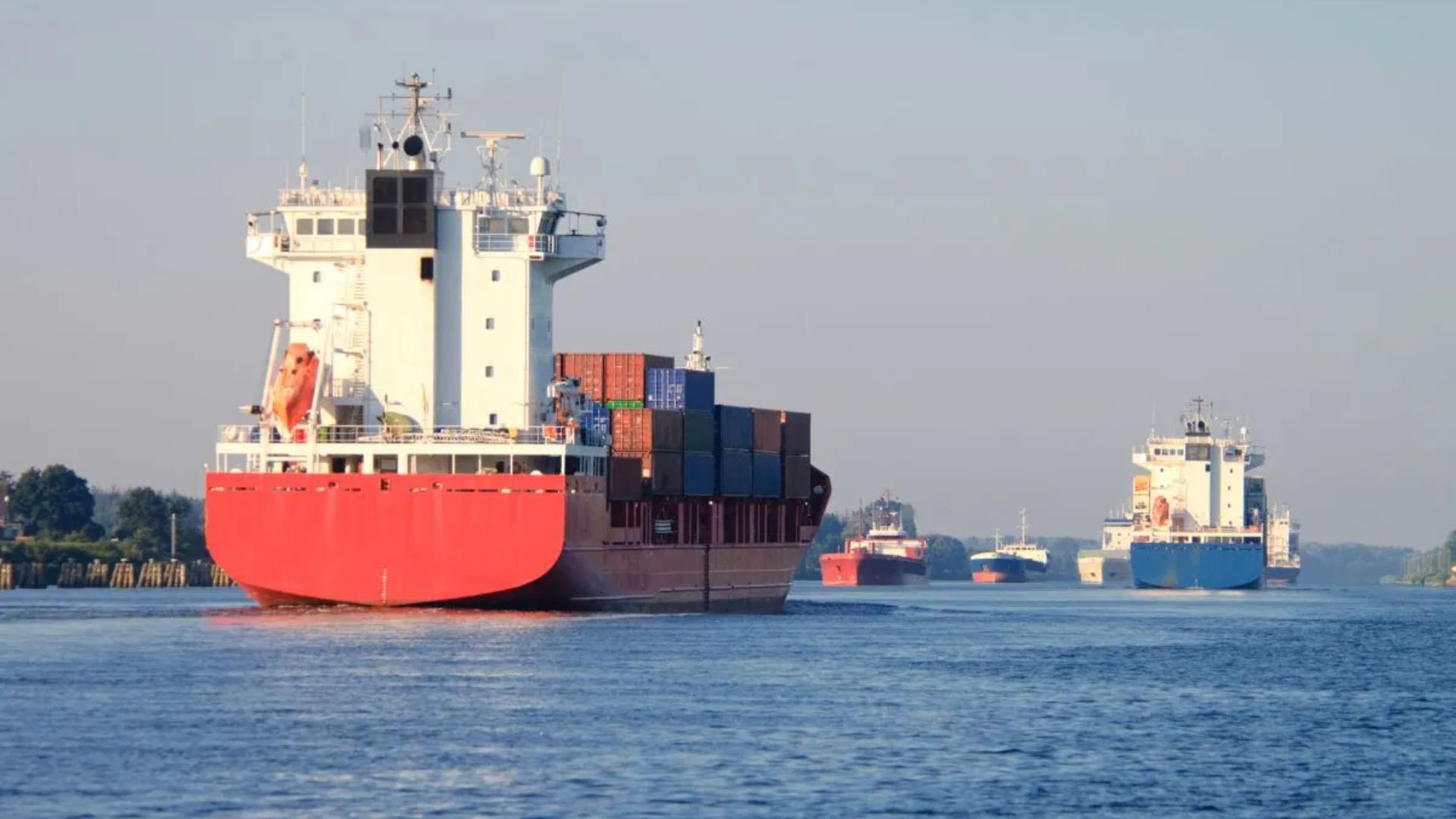
Several federal laws extend maritime protections to shore-based and land-adjacent workers.
The Jones Act primarily protects seamen who work on vessels. In some cases, workers who split time between land and sea may qualify. Courts look at how much time the worker spent on a vessel and what their role was.
The Longshore and Harbor Workers’ Compensation Act (LHWCA) is the most important law for land-based maritime workers. It was created specifically for workers who don’t qualify as seamen but still work in maritime environments.
Who qualifies under the LHWCA?
Workers qualify if they are injured on or near navigable waters and their job is connected to maritime commerce. This includes longshoremen, harbor workers, ship repairers, and shipbuilders.
Injuries covered include those on docks, in shipyards, on piers, and in port terminals.
The Death on the High Seas Act does not apply to land-based injuries. It only covers deaths that occur more than three nautical miles from U.S. shores.
Can Maintenance and Cure Apply to Land-Based Injuries?
Maintenance and cure is a benefit available to qualified seamen. It covers basic living costs and medical care after an injury connected to their work on a vessel.
The key phrase is “in the service of the vessel.” A seaman doesn’t have to be on the water when injured to qualify.
Injuries while boarding, leaving, or working next to a vessel can still qualify. For example, a crew member who slips on a gangway while boarding a ship may have a valid claim.
Shore-side injuries connected to vessel operations can also qualify in some cases. Courts look at whether the worker was performing a task for the benefit of the vessel at the time of injury.
This area of law is fact-specific. Each case depends on the details of the worker’s role and what they were doing when they got hurt.
How Courts Decide If Maritime Law on Land Applies
Courts use a structured approach to decide these cases.
Location of the accident is the first factor. Was the accident on or near navigable waters? This sets the baseline.
The status of the injured worker matters greatly. Was the person a seaman, a harbor worker, or a general land worker? Each category has different rights and legal standards.
The nature of the work being performed is often the deciding factor. Courts ask whether the task had a real and direct connection to maritime activity.
Connection to maritime commerce and navigation ties it all together. The stronger the link between the work and active shipping or vessel operations, the more likely maritime law will apply.
Why Maritime Law on Land Cases Are Complex
These cases are not simple. Several factors make them legally challenging.
Overlapping federal and state laws create confusion. A worker may have rights under both the LHWCA and state workers’ compensation laws. Figuring out which applies, and which offers better protection, requires careful legal analysis.
Different legal standards for seamen and harbor workers mean the same type of accident can be handled very differently depending on the worker’s classification. Seamen have access to Jones Act claims. Harbor workers use the LHWCA. Getting the classification right is critical.
Different compensation and damages systems also come into play. The LHWCA provides specific benefit schedules. Jones Act cases can include pain and suffering damages. State systems vary by location. Choosing the wrong path can cost a worker significantly.
Conclusion
Maritime law on land is one of those topics that catches people off guard. I remember first reading about it and thinking, “How can ocean law apply on a dock?” But once I understood the connection to vessels and commerce, it all made sense.
If you work near water, ships, or ports, your rights may go further than you think. Don’t assume your location tells the whole story.
Have questions or a personal experience with maritime law? Leave a comment below. Share this post with someone who works near the water. It could make a real difference for them.
Frequently asked questions
Does maritime law apply if I was injured on a dock and not on a ship?
Yes, it can. If your work at the dock was connected to loading, unloading, or supporting a vessel, you may qualify under the Longshore and Harbor Workers’ Compensation Act.
What is the difference between the Jones Act and the LHWCA?
The Jones Act protects seamen who work on vessels. The LHWCA covers shore-based and harbor workers who support maritime operations but don’t qualify as seamen.
Can I file a maritime claim if I was hurt on an inland river?
Yes. If the river is a navigable waterway used for commerce, federal maritime law can apply. Many inland rivers in the U.S. qualify under this standard.
What does “in the service of the vessel” mean for land-based workers?
It means the worker was performing a task that directly benefited the vessel at the time of injury. This can include boarding, leaving, or working directly alongside a docked ship.
Can I receive both state workers’ compensation and maritime benefits?
In some cases, yes, but you generally cannot collect double benefits for the same injury. An attorney familiar with maritime law can help you figure out which system offers the best protection for your situation.