You’ve called your landlord three times about the same problem. Maybe it’s black mold. Maybe you haven’t had hot water in weeks.
Nothing’s changed, and you’re starting to wonder if you can just leave. Not sneak out. Actually leave, without owing rent for a place you can’t live in.
That question has a real legal answer, and it’s called constructive eviction. Most people assume it’s automatic once things get bad enough. But it really isn’t.
I’ve seen tenants walk away owing nothing, and others get hit with a lawsuit for doing almost the same thing, just without the right proof behind them.
What Is Constructive Eviction?
Constructive eviction happens when a landlord never files to remove you, but their action or inaction makes the unit impossible to live in. Lost heat for weeks. Mold they refused to touch. A leak that never got fixed.
You leave because staying stopped being realistic. Two legal doctrines sit behind this.
The first is the implied warranty of habitability, a landlord’s baseline obligation to keep the unit livable, regardless of what the lease says.
The second isyour right to quiet enjoyment, meaning you’re entitled to use your home without the landlord’s interference or neglect making that impossible.
Constructive eviction is what happens when both break down at once.
The law treats that the same as being forced out the door, but only if three things line up together. A bad living situation alone isn’t enough.
First, the interference has to be substantial. Not a slow repair. Something that actually makes the space unusable.
Second, you need written notice on record, giving the landlord reasonable time to fix it. A call you can’t prove won’t hold up.
Third, you have to move out within a reasonable window after that time passes. Wait too long, and you’ve undercut your own claim.
Skip any one of these, and the case falls apart. No notice, too much delay, or interference that wasn’t serious enough. All three elements have to be present at once.
The Three Things You Have to Prove
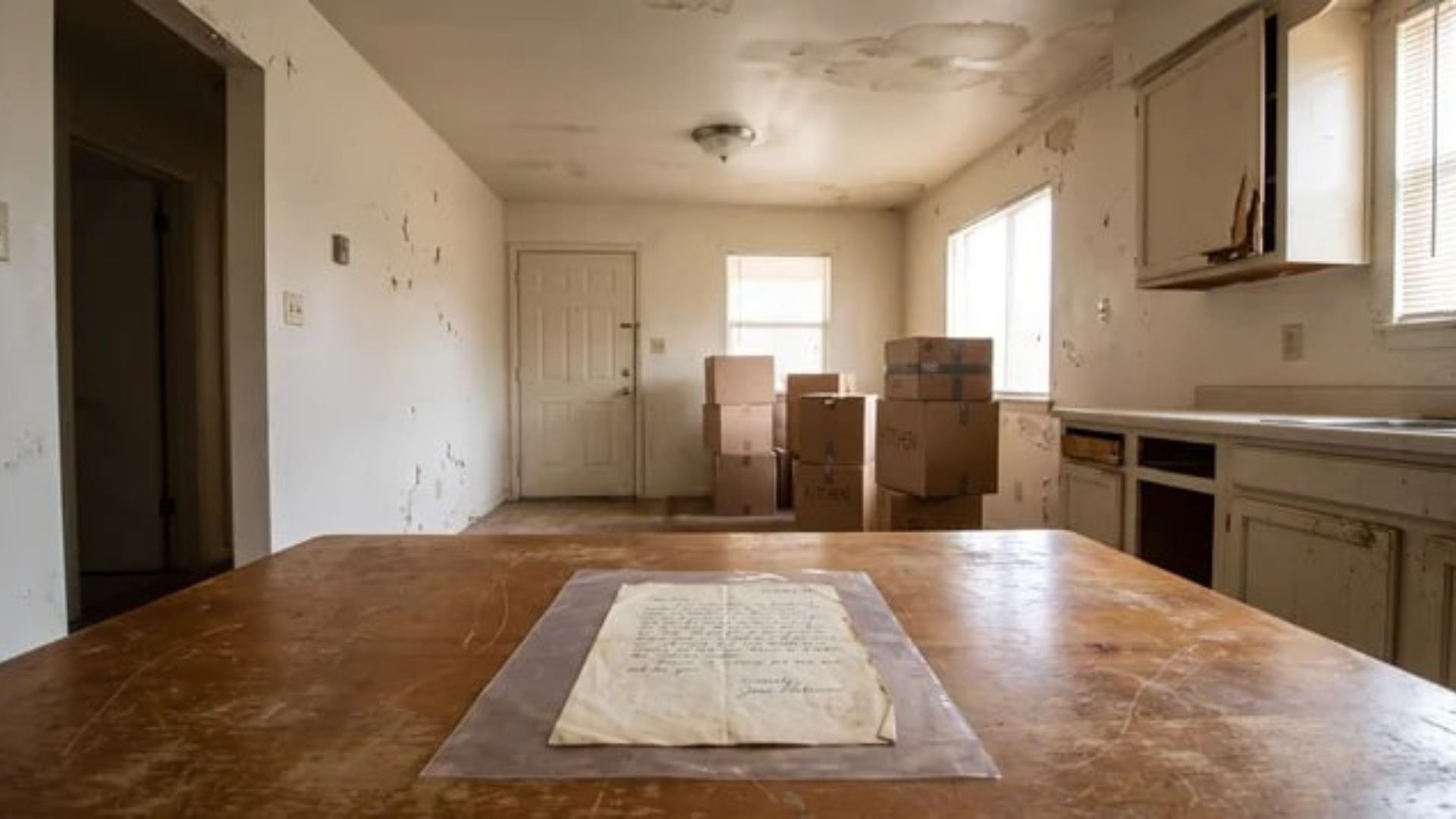
Courts don’t take your word for it. Each of these three pieces needs proof behind it, not just a bad feeling about the place.
1. The Interference Has to Be Serious
A slow repair doesn’t cut it here. The problem has to actually make the unit unusable, not just annoying.
Think no heat through winter, black mold spreading across a wall, or a leak that never got fixed. Courts weigh severity alongside how long it dragged on.
2. You Have to Notify the Landlord in Writing
A phone call you can’t prove won’t hold up in court. You need something dated, specific, and on record.
Name the exact problem. Don’t write “issues in the unit.” Write “no heat since November 12th,” and give the landlord real time to respond.
3. You Have to Actually Move Out
Staying too long after conditions become unbearable undercuts your own claim. So does leaving before giving the landlord a fair shot to fix it.
There’s no fixed number of days here. A judge looks at your specific timeline and decides whether it was reasonable.
Courts don’t apply a fixed number of days. The standard is reasonable time, and what’s reasonable depends on the severity of the condition. The worse the hazard, the shorter the window a judge will accept. Staying months after conditions become unlivable is the most common reason otherwise valid claims fail.
Situations That Typically Qualify
Not every bad landlord story meets the bar. These are the kinds of situations that usually do:
- No heat or hot water for an extended stretch, especially through cold months.
- Severe mold or pest infestations the landlord knew about and ignored.
- Persistent water leaks that damage the unit and go unrepaired.
- Loss of essential utilities, like electricity or working plumbing.
- Safety hazards, such as broken locks or exposed wiring, left unfixed after notice.
- Landlord-caused interference like repeated unauthorized entry, shutting off utilities, or changing locks, when used to pressure a tenant into leaving rather than to address a repair.
These examples share one thing. The problem is serious, ongoing, and the landlord had a real chance to fix it first.
One more situation worth knowing: partial constructive eviction.
In many states, the entire unit doesn’t have to be unlivable. If a landlord’s neglect makes one portion of the unit unusable like a bedroom with no heat, or a bathroom with a sewage leak, some courts will recognize a partial claim. This doesn’t always let you vacate entirely, but it can reduce what you owe or support a damages case.
Rules vary by state, so confirm whether your jurisdiction recognizes it before leaning on this.
Constructive Eviction vs. Actual Eviction
These two terms get mixed up often, but they work in opposite directions. Here’s how they actually compare:
| Factor | Constructive Eviction | Actual Eviction |
| Who acts | The tenant leaves | The landlord removes the tenant |
| Process | No formal filing by the landlord | Landlord files through court |
| Trigger | Unlivable conditions | Lease violations or unpaid rent |
| Tenant’s role | Must prove the claim | Responds to a formal case |
| Outcome if valid | Lease ends, no future rent owed | Tenant is legally removed |
The core difference comes down to who’s driving the exit. One is the landlord acting. The other is the tenant reacting to conditions they didn’t create.
How to Document Your Case Before You Move Out
Your memory won’t hold up in court. A paper trail will. Here’s what actually protects you:
- Photos and videos of the problem, dated and timestamped, ideally showing it worsen over time.
- Written notice to your landlord, naming the exact issue and asking for a fix.
- Copies of every message, texts, emails, or letters, not just calls you can’t prove happened.
- Repair records, including any dates the landlord promised to fix something and didn’t.
- A basic timeline, noting when the problem started and when you decided to leave.
What Happens After You Leave
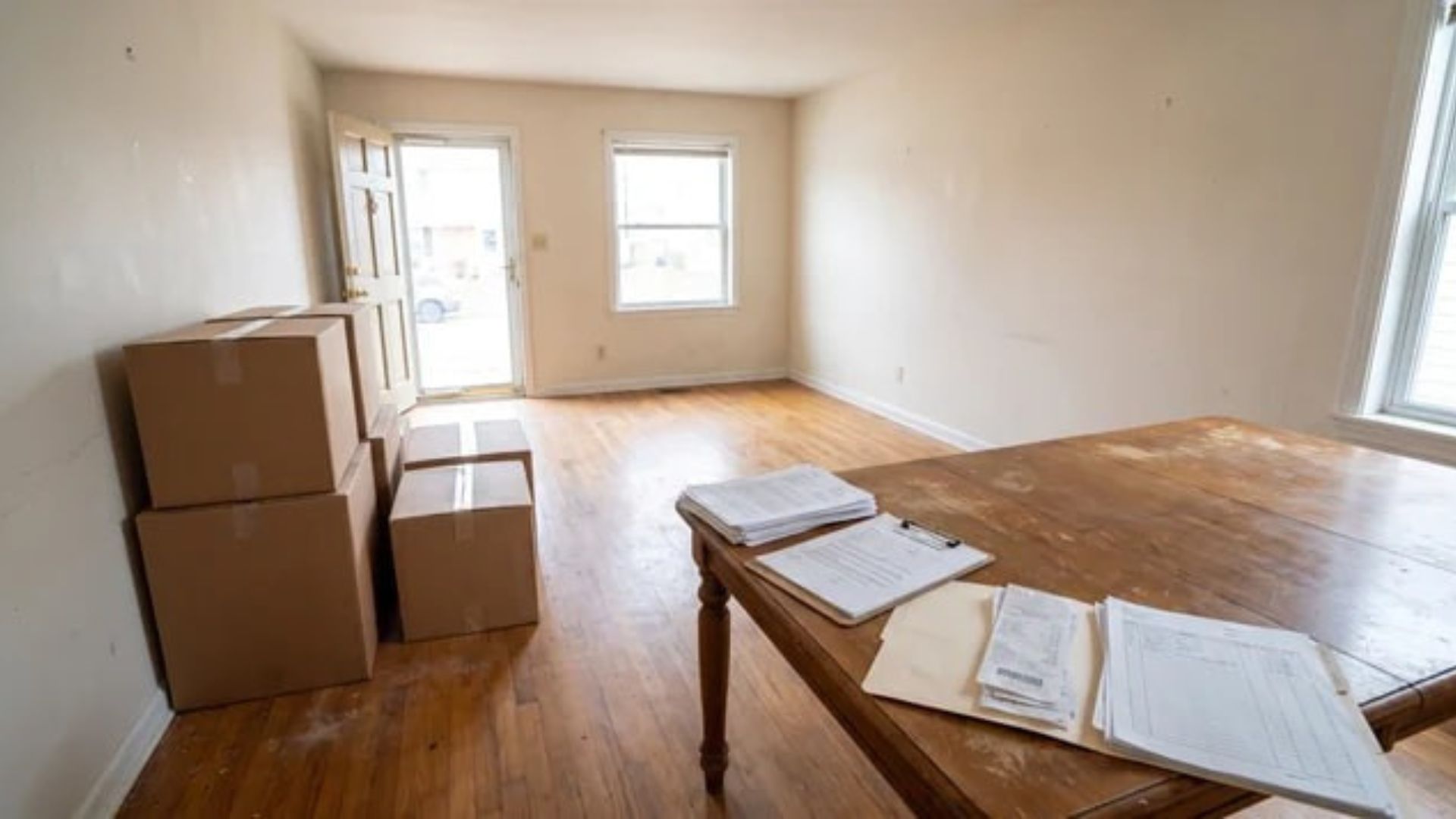
Moving out is the first step, not the last one. Most landlords don’t file suit immediately, but when they do, it’s usually over the rent you stopped paying, and that’s where your documentation either works for you or against you.
Using It as a Defense Against Unpaid Rent
Landlords often sue after the fact, not before. (Unpaid rent is one common trigger: see what counts as a lease default for the fuller picture.)
You’ll need to show the same three things again: real interference, written notice, and a reasonable exit. Your documentation does the talking here.
It’s worth knowing what losing looks like. If your constructive eviction defense doesn’t hold because the interference wasn’t severe enough, the notice was informal, or you waited too long to leave. You can be on the hook for all remaining rent under the lease, sometimes owed in a lump sum. That’s not a scare tactic. It’s the reason documentation matters before you move, not after.
Recovering Moving Costs and Other Damages
A valid claim can do more than end the lease. Where courts recognize it, tenants have recovered costs directly caused by the forced move: temporary housing while searching for a new unit, moving company fees, and in some cases the difference in rent if the new unit costs more than the old one.
A few states also allow recovery for damages to belongings caused by the uninhabitable conditions like water damage to furniture from an unrepaired leak, for example.
None of this is guaranteed, and what’s recoverable varies by state. The stronger your documentation; records of the problem, what you spent, and the landlord’s non-response, the stronger any damages argument will be.
Protecting Yourself if Your Landlord Won’t Fix the Problem
Just because your landlord’s ignoring you doesn’t mean you’re stuck.
- Your local housing authority or a tenant rights group is the right first call. They deal with stalling landlords regularly and can tell you what your specific jurisdiction allows.
- Some states permit “repair and deduct”. You hire someone to fix the problem, then subtract the cost from rent. Eligibility and dollar caps vary significantly, so confirm the rules in your state before acting on this.
- Keep paying rent in the meantime. Withholding it without a solid plan on record can undermine your constructive eviction claim if the case ends up in front of a judge.
- Documentation should start from your first ignored request, not the last one before you decide to leave. Courts give more weight to a timeline that shows patience and persistence.
Bottom Line
Leaving a bad unit isn’t automatically a lease violation, not if the conditions were serious enough. That’s the whole point of constructive eviction.
But proving it takes more than frustration. It takes documentation, timing, and proof that holds up.
Before you move out, talk to a local tenant attorney or legal aid clinic. The requirements are strict, and getting it wrong can cost you.
Frequently Asked Questions
Is constructive eviction legal in Florida?
Yes. Florida recognizes constructive eviction, and tenants can use it as grounds to end a lease or defend against unpaid rent. You still need to prove serious interference, written notice, and a reasonable move-out timeline to make the claim hold up.
What are the grounds for constructive eviction in Missouri?
Missouri requires the same core elements: substantial interference with your ability to live there, written notice giving your landlord a chance to fix it, and vacating within a reasonable time. Courts look at documentation closely, since Missouri doesn’t set fixed timeframes for either step.
What is constructive eviction in Texas?
In Texas, constructive eviction happens when a landlord’s action or inaction makes a rental unlivable, even without a formal eviction filing. Tenants must show serious interference, proper written notice, and a timely exit. Texas courts weigh these case-by-case, not against a strict checklist.
How do you file a constructive eviction claim?
There’s no single form to file. Instead, you document the problem, send written notice, and leave within a reasonable time. If your landlord later sues for unpaid rent, you raise constructive eviction as your defense, backed by your records.