

Selling a jointly owned property is rarely as simple as finding a buyer and signing paperwork.
If you co-own a home with a sibling, former partner, spouse, or friend, you may wonder whether you can sell without everyone agreeing.
In many cases, you can sell your ownership interest, but you usually cannot sell the entire property without the consent of the other owners.
The exact rules depend on your ownership type, any written agreements, and your state's laws.
This guide explains your legal options, when consent is required, and what to do if the other owners refuse to cooperate.
What Does Joint Ownership of Property Mean?

Joint ownership means two or more people hold legal rights to the same property.
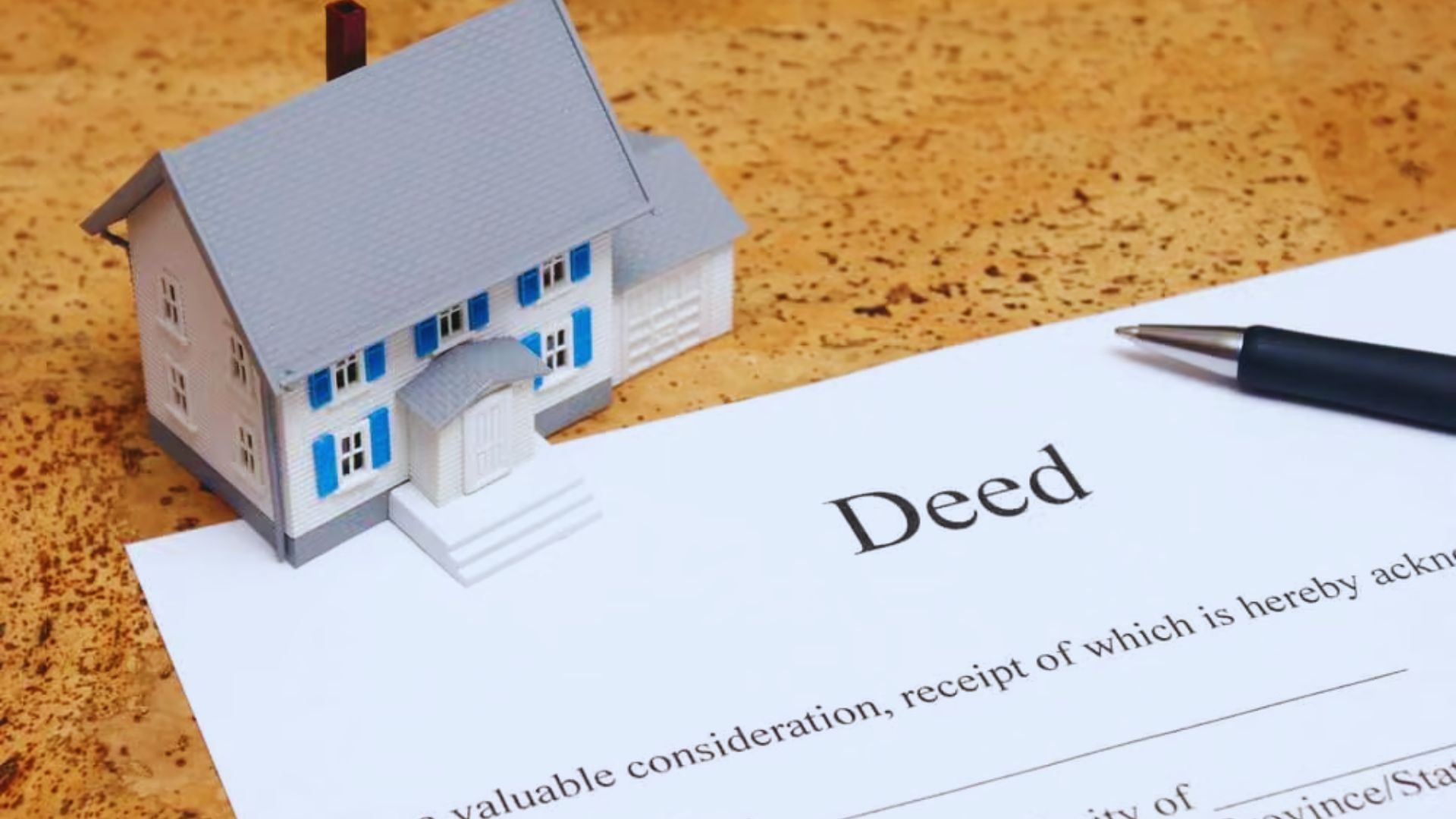
When you co-own a home or land, your name sits on the deed next to someone else's. That does not always mean you split things fifty fifty.
It depends on the type of ownership you have. Some setups give each person equal rights. Others split ownership into shares.
Knowing which type applies to you is the first step before you think about selling anything.
The Short Answer: What You Can and Cannot Sell Alone

The short answer depends on what kind of ownership you have and what you are trying to sell.
In many situations, a co-owner can sell or transfer their ownership interest without the permission of the other owners.
However, selling the entire property almost always requires the agreement of everyone listed on the deed.
Some ownership structures, partnership agreements, or state laws may place additional restrictions on transferring ownership, so it is important to review your deed before making any decisions.
Selling the Entire Property vs. Selling Your Ownership Share
| Selling the Entire Property | Selling Your Ownership Share |
| Needs agreement from every owner on the deed | Can often be done without other owners' consent |
| Buyer gets full rights to the whole property | Buyer only gets your portion of ownership |
| Sale falls apart if even one owner refuses | Sale can move forward on your terms alone |
| Proceeds get split among all owners | Proceeds go to you as the selling owner |
Types of Joint Property Ownership
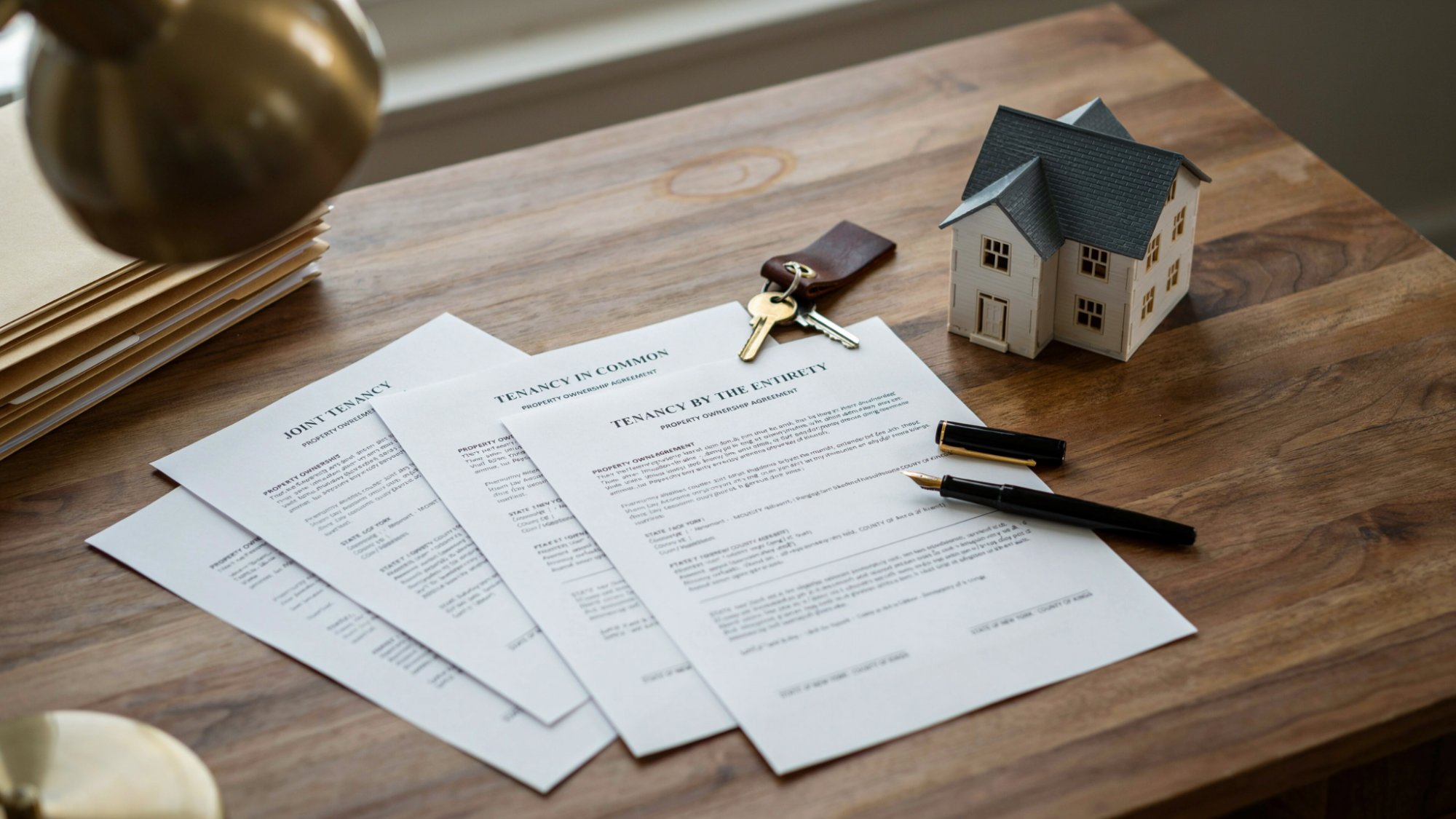
The type of ownership you have controls what you can and cannot do.
Joint Tenancy
Joint tenancy gives each owner an equal share. It also comes with the right of survivorship.
If one owner dies, their ownership interest automatically passes to the surviving owner or owners through the right of survivorship instead of becoming part of the deceased owner's estate. Because the interest passes outside of probate, there is usually no court process needed for the transfer.
Tenancy in Common
Tenancy in common allows unequal shares. One person might own 70 percent while another owns 30 percent.
Each owner can sell, mortgage, or pass on their share freely, including through a will. There is no automatic right of survivorship.
If an owner dies, their share usually passes through probate to their heirs, who then become co-owners.
Tenancy by the Entirety (Married Couples)
This type only applies to married couples in certain states. Both spouses must agree before either one sells.
Neither spouse can act alone on the property.
Partnership-Owned Property
When a business partnership owns property, the partnership agreement usually sets the rules. Selling often needs approval from all partners.
Check your agreement before making any moves.
What Can a Co-Owner Legally Sell?

A co-owner can usually sell their own interest, not the whole property.
Selling Your Ownership Interest
You can sell your share of the property to another person. That buyer then becomes a co-owner alongside the remaining owners.
The property itself does not need to be sold as a whole.
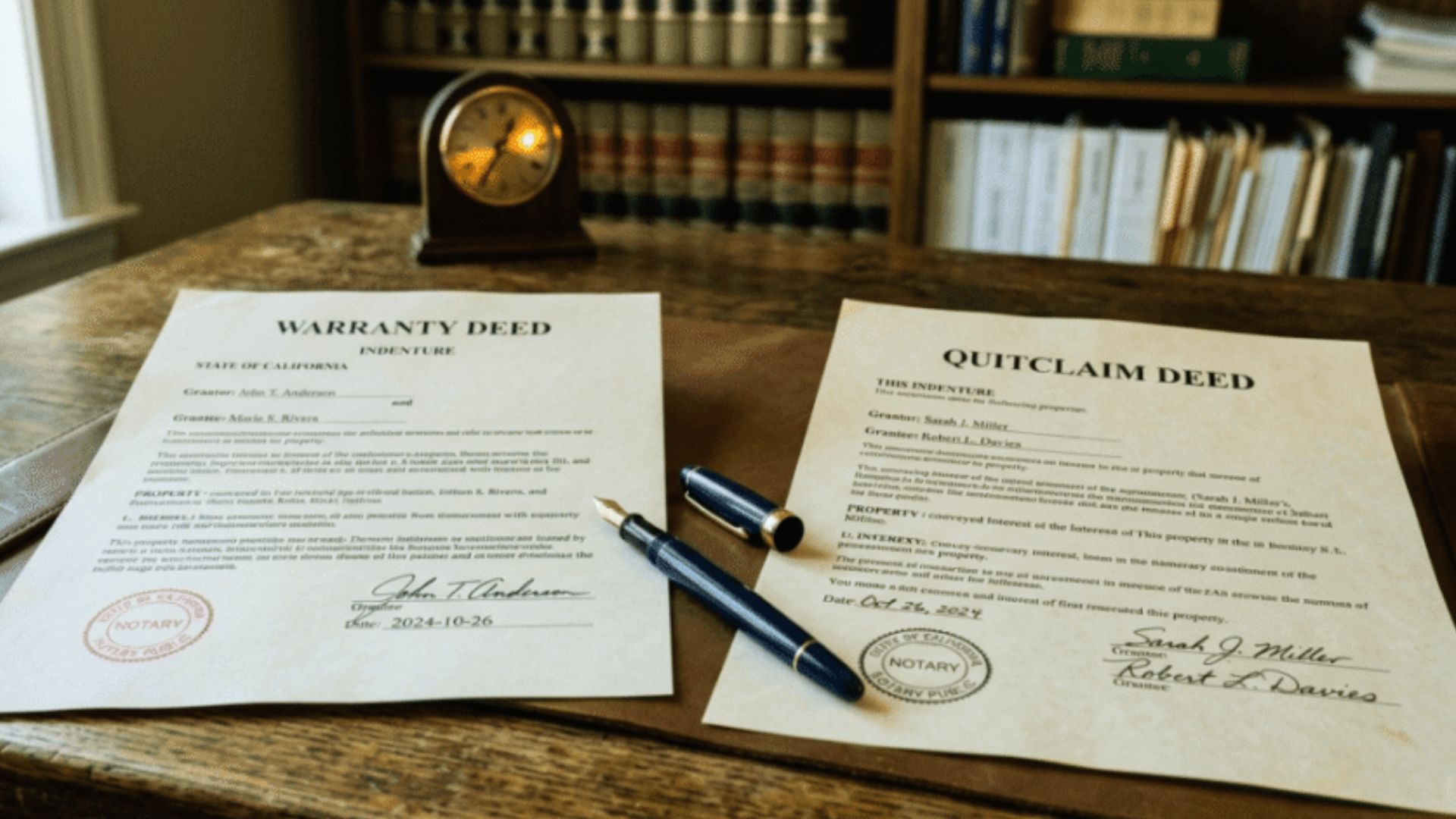
To transfer just your share, you typically sign a quitclaim deed, which passes along whatever interest you hold without any promises about clear title.
A warranty deed is less common for this kind of partial transfer since it guarantees a clean title, something you cannot promise for a share you do not fully control.
Valuing a partial share is not as simple as dividing the property's market value by the number of owners.
Appraisers often apply a discount, sometimes 10 to 30 percent, to reflect that a fractional interest is harder to sell and gives the buyer less control.
This is one reason many co-owners sell to each other instead of to outside buyers.
What Happens to the New Buyer
The new buyer steps into your shoes. They get the same rights and limits you had.
They cannot force a sale of the whole property without following the same rules you would have followed, including filing a partition action if the remaining owners will not cooperate.
How Selling Your Share Affects Joint Ownership
Once you sell your share, the ownership structure changes. The remaining owners now share the property with someone new.
This can shift how decisions get made going forward, and it can affect any existing agreement about expenses, repairs, or use of the property.
When One Co-Owner Wants to Sell and the Others Do Not

Disagreements between co-owners are common and there are ways to handle them.
Common Reasons for Disagreements
People disagree over money needs, emotional attachment, or different plans for the property. One owner might want cash now.
Another might want to keep the property in the family.
Negotiating a Buyout
A buyout lets one owner pay the others for their share. This keeps the property in one person's hands.
It also avoids a messy legal fight down the road.
Buyout price is usually based on a professional appraisal of the property's fair market value, minus any share of the mortgage or liens tied to that portion.
Mediation as an Alternative to Court
Mediation brings in a neutral third party to help owners talk things through. It costs less than going to court.
Many disputes get solved this way without a judge involved, often in one or two sessions with a mediator.
What Is a Partition Action?

A partition action is a legal way to force the sale or division of jointly owned property.
When You Can File for Partition
In many states, a co-owner who cannot reach an agreement with the other owners may file a partition action asking the court to divide or sell the property.
Courts generally treat partition as a last resort because it can be time-consuming and expensive. The exact process and available remedies depend on state law.
What a Partition Action Actually Costs
Partition cases vary widely in price. A straightforward, uncontested case can run a few thousand dollars in legal fees.
A contested case with valuation disputes, an appointed referee, and a trial can run tens of thousands of dollars, and in some cases more than $50,000.
Court costs, appraisal fees, and referee or broker fees are usually paid out of the sale proceeds before the remaining money is split among the owners.
How Long a Partition Action Takes
An uncontested partition can sometimes wrap up in a few months. A contested case, especially one that goes to trial, often takes 12 to 18 months or longer.
Because of the cost and time involved, most partition cases settle before trial, often through a buyout or a mediated agreement.
Partition by Sale vs. Partition in Kind
| Partition by Sale | Partition in Kind |
| Property gets sold on the open market | Property gets physically divided into pieces |
| Money from the sale gets split among owners | Each owner gets their own separate piece of land |
| Common when the property cannot be split fairly | Common when the land can be divided without losing value |
| Ends shared ownership completely | Keeps each owner in sole control of their portion |
How Courts Divide the Sale Proceeds
Courts usually divide proceeds based on each owner's share. If shares are unequal, the payout reflects that.
Legal fees and costs often get taken out first, along with any outstanding mortgage or lien tied to the property.
Mortgage and Lender Considerations

Some ownership types and agreements block a solo sale entirely.
If the property has a shared mortgage, the lender may need to approve any sale. Selling your share does not remove your name from the loan automatically.
Many mortgages also include a due-on-sale clause, which can let the lender demand the full loan balance if ownership changes without approval. Talk to your lender before moving forward.
What Happens After a Jointly Owned Property Is Sold?

Once the sale closes, there are still a few financial steps to handle.
Paying Off Mortgages and Liens
Any outstanding mortgage or lien on the property gets paid off first from the sale proceeds. This happens before any money reaches the owners.
It protects the lender's interest in the deal.
Dividing the Remaining Proceeds
After debts are cleared, the remaining money gets split based on ownership shares. Equal owners split evenly.
Unequal owners get paid according to their percentage.
Tax Considerations for Co-Owners
Selling jointly owned property may result in capital gains tax if the property has increased in value since you acquired it.
Each owner's tax responsibility is generally based on their share of the gain and their individual tax situation.
Because tax rules vary, consider speaking with a tax professional before completing the sale.
Tips for Selling Jointly Owned Property
A few smart steps can save you time, money, and stress.
- Review the property deed before taking action to confirm what type of ownership you actually have.
- Talk to all co-owners early so nobody feels blindsided by your plans.
- Consider a buyout before going to court since it is usually faster and cheaper.
- Keep written records of agreements so there is no confusion later about who agreed to what.
- Consult a real estate attorney when needed, especially if the other owners are not cooperating.
Before You Take the Next Step

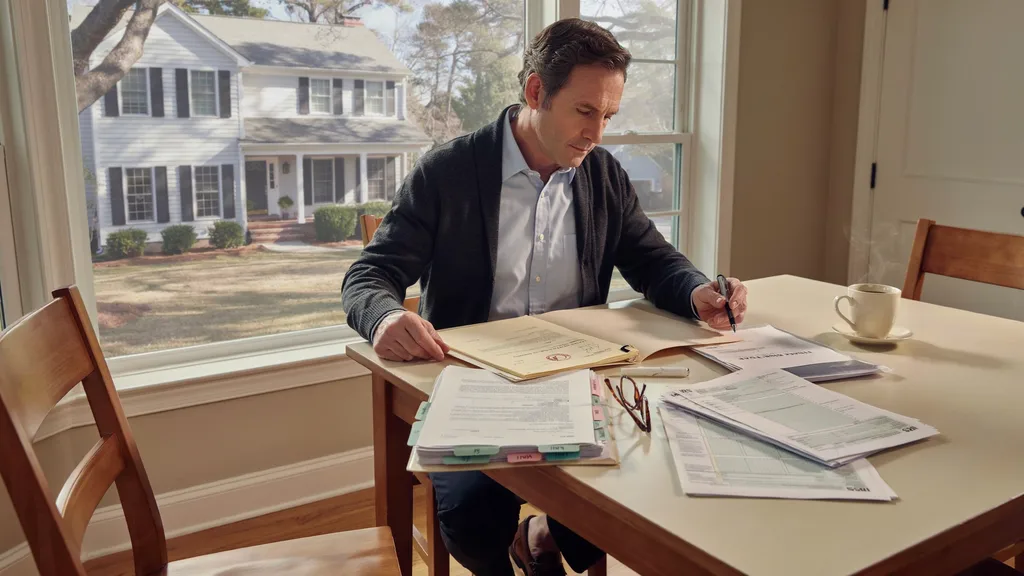
Before making any decisions, review your property deed to confirm the type of ownership you have.
That single document determines many of your legal rights, including whether you can transfer your ownership interest independently, even if you need the consent of the other owners.
Taking this step early can help you avoid delays, legal disputes, and unnecessary expenses.
A real estate attorney or your state's court self-help center can also confirm how local rules apply to your situation.
Common Mistakes to Avoid
These slip ups can turn a simple sale into a long, costly problem.
- Assuming you can sell the entire property alone without checking what the deed actually allows.
- Ignoring the property deed and skipping the step of confirming your exact ownership type.
- Skipping a written agreement between co-owners, which can lead to disputes later on.
- Waiting too long to resolve ownership disputes instead of addressing them early.
- Not talking to a lender first when a shared mortgage is still attached to the property.
Conclusion
Property disputes are stressful, especially when family or former partners are involved.
A little research early on can prevent much bigger problems later.
Check the deed, talk to co-owners before things get tense, and bring in a real estate attorney if an agreement is out of reach.
Frequently Asked Questions
Can one owner force the sale of a jointly owned property?
Not directly, but they can file for a partition action. A court can then order the sale or division of the property.
Does selling my share affect the other owners' rights?
No, the other owners keep their same rights and shares. Only the ownership of your portion changes hands.
What is the difference between joint tenancy and tenancy in common?
Joint tenancy means equal shares with survivorship rights. Tenancy in common allows unequal shares with no automatic survivorship.
Can a married couple sell jointly owned property without both signatures?
Usually not, especially under tenancy by the entirety. Both spouses typically need to sign off on any sale.
How long does a partition action usually take?
It varies by state and court schedule, often taking several months to over a year. Cases with disputes over value or use tend to take longer.
What happens to jointly owned property if I inherited it with siblings?
Inherited property is often held as tenants in common, so each sibling can typically sell or transfer their own share.
Selling the whole property still requires everyone's agreement, or a partition action if you cannot agree.
What if I cannot locate one of the co-owners?
A missing co-owner does not stop a partition action.
Courts allow notice by publication or other approved methods, and the case can move forward once proper notice is given.
Can one co-owner rent out the property without the others' consent?
In most tenancy in common and joint tenancy situations, any owner can occupy or rent the property, but they generally owe the other owners their share of any rental income collected.
Can a lender block the sale of a jointly owned property?
A lender cannot block a sale outright, but an existing mortgage must be paid off or approved as part of the transaction.
A due-on-sale clause can also come into play if only a partial interest changes hands.
Who pays property taxes and upkeep when co-owners disagree?
Each owner is generally responsible for their share of taxes, insurance, and upkeep.
An owner who pays more than their share can sometimes seek reimbursement from the others, including through a partition action.