

This article is for general information only and is not tax or legal advice. Tax rules change and your situation may differ, so talk to a licensed CPA or tax attorney before you list your property.
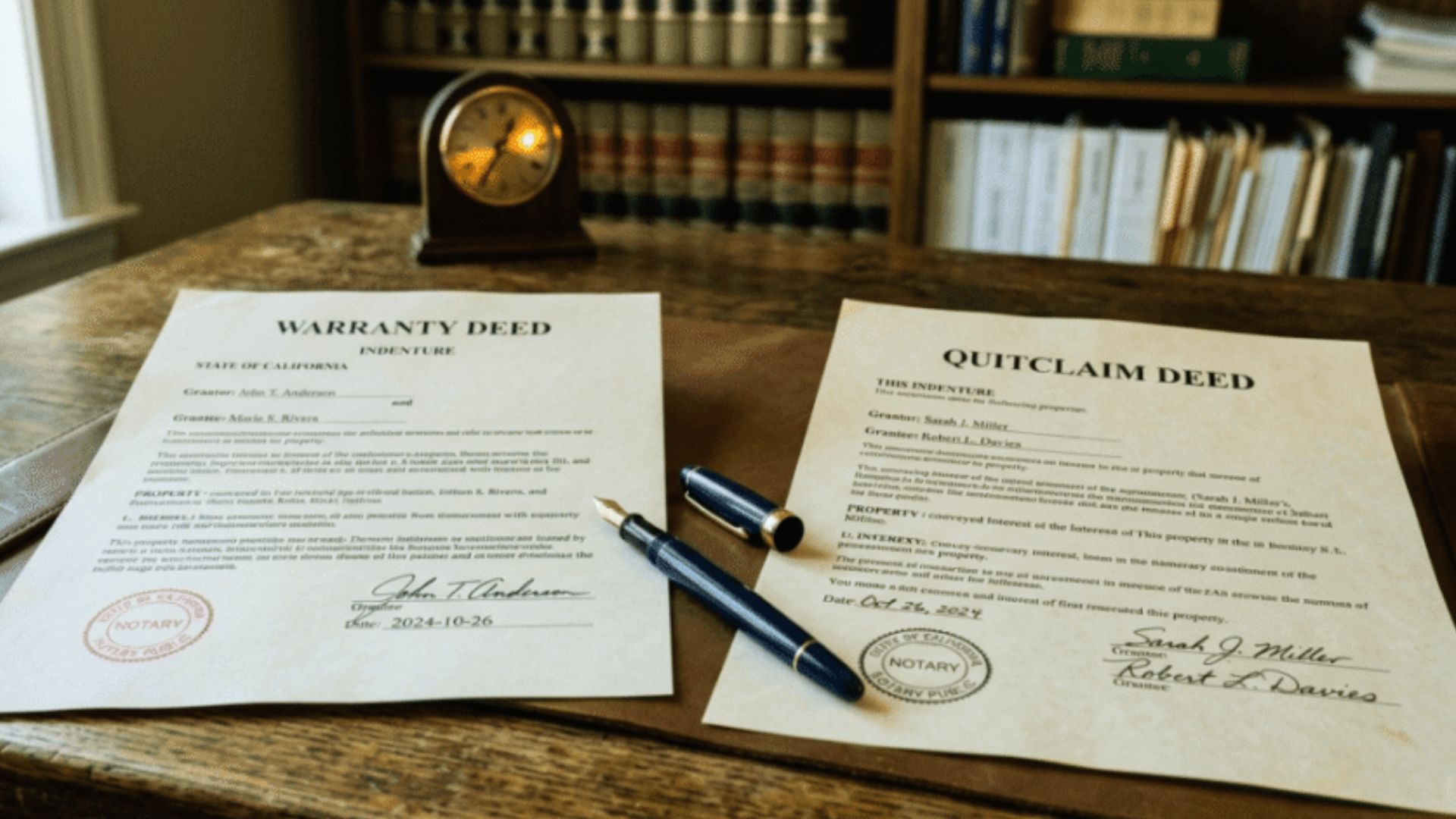
Yes, a survivorship deed can be contested. It is one of the strongest legal instruments in property law, but it is not beyond challenge. Once recorded, it transfers ownership automatically upon death, bypasses probate, and in most cases, overrides a will entirely.
But what happens when that transfer feels wrong? What if the deed was signed under pressure, through deception, or by someone who did not fully understand what they were agreeing to?
These are serious legal questions that heirs, beneficiaries, attorneys, and property owners face more often than most people realize.
This blog covers the full legal picture. You will find the valid grounds for contesting a survivorship deed, who has the legal standing to file, how state laws affect your case, and what happens after the court rules.
Why Survivorship Deeds Are So Hard to Challenge in Court

A survivorship deed carries significant legal weight. When properly drafted and recorded, it overrides a will, bypasses probate, and transfers property automatically upon death. Courts treat it as one of the strongest forms of property transfer in estate law.
The right of survivorship takes precedence over what a deceased owner may have verbally promised to others.
Unlike a tenancy in common, where each owner can pass their share through a will, joint tenancy with right of survivorship removes that option entirely. The surviving co-owner takes full title the moment the other owner dies.
To successfully challenge one, you need all three of the following:
- Solid legal grounds recognized by the court
- Strong, documented evidence to support your claim
- A skilled real estate or probate attorney by your side
Valid Legal Grounds to Contest a Survivorship Deed
Not every disagreement qualifies as a legal ground to contest a survivorship deed. Courts require specific, provable reasons before they will consider voiding one.
Lack of Mental Capacity at the Time of Signing
If the grantor had dementia, severe mental illness, or any cognitive condition that prevented them from understanding what they were signing, the deed may be challenged.
Courts look at whether the grantor understood the nature of the document and its legal consequences at the exact time of signing.
The following are generally regarded as lacking the legal capacity to contract:
- Persons with dementia or severe mental illness
- Persons who were intoxicated at the time of signing
- Minors, for whom the deed is automatically void under most state laws
Medical records and physician statements are the primary evidence used to prove this ground in court.
Undue Influence or Pressure From Another Party
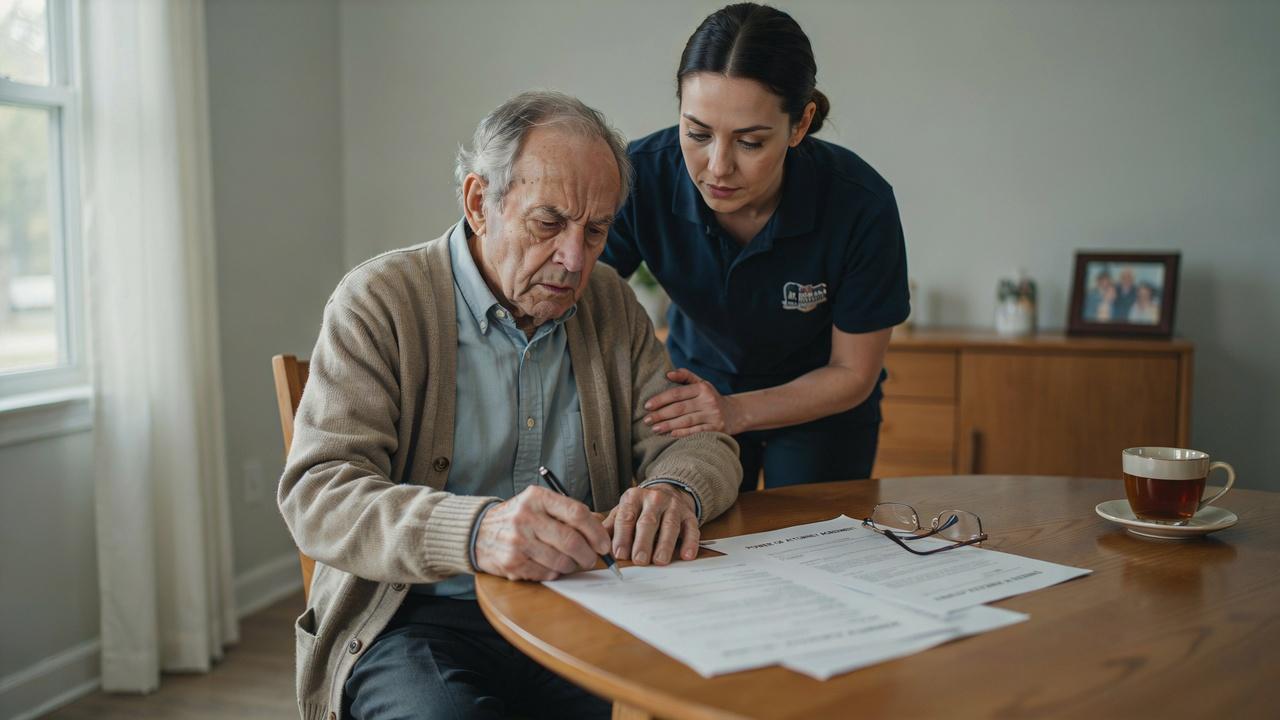
Undue influence happens when someone pressures a vulnerable person into signing a deed against their true wishes. This is especially common in caregiver relationships, where the grantor depends heavily on another person for daily support.
To prove it, you must show the grantor was manipulated and would not have signed the deed freely.In some cases, the burden of proof shifts to the accused party when a close confidential or fiduciary relationship existed between them and the grantor.
Fraud or Deception Used to Obtain the Deed
If the grantor was misled about what they were signing, the deed can be challenged on fraud grounds. A common example is telling an elderly person a deed is a medical form when it is actually a property transfer document.
This type of elder financial abuse is increasingly being brought before probate courts across the country.Proving fraud requires clear evidence that the grantor was intentionally deceived and would not have signed with full knowledge.
Forgery or Errors in Legal Documentation
A deed signed by someone other than the grantor is a forgery and can be voided. Handwriting experts are often called to testify in these cases to verify the authenticity of the signature.
Beyond forgery, the following documentation errors can also create valid grounds to challenge a deed:
- Missing grantor or grantee information
- Improper filing with the county recorder's office
- Errors that create legal ambiguity about who holds ownership
When ownership rights are genuinely unclear due to documentation problems, a quiet title action can be filed. This is a court proceeding that asks a judge to formally determine who holds legal ownership of the property.
Who Has the Legal Standing to File a Contest
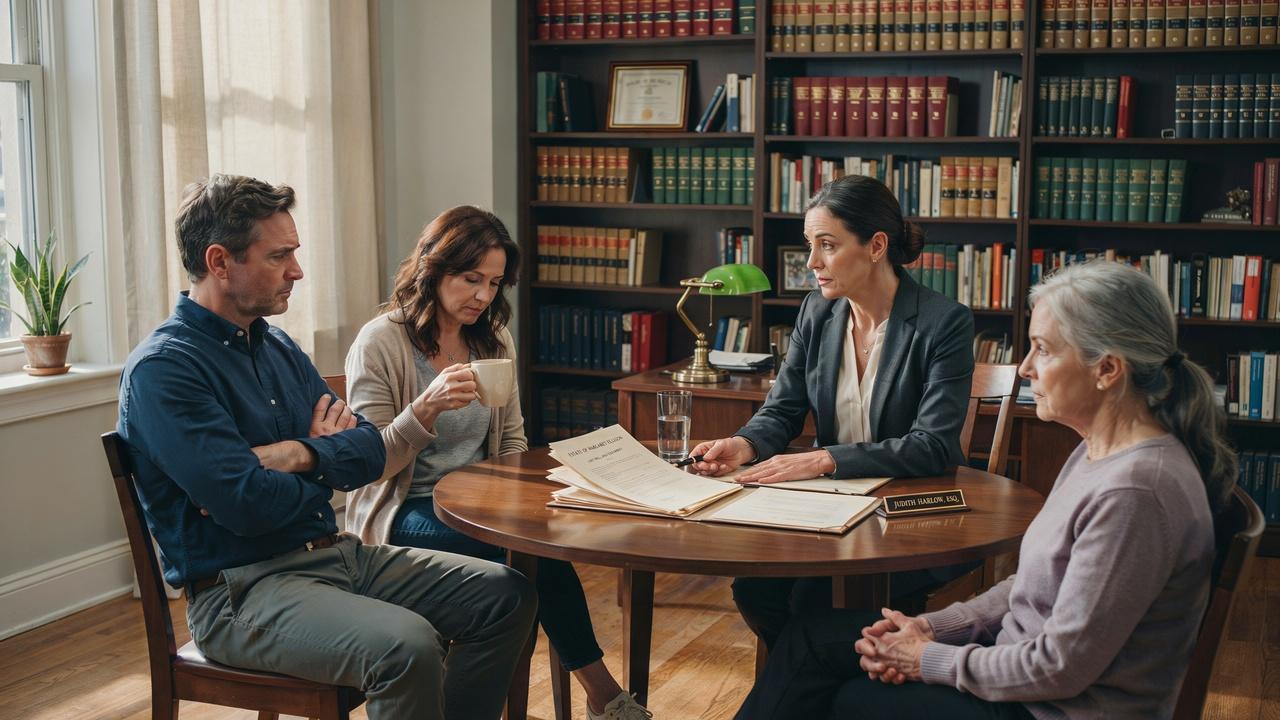
Not everyone who disagrees with a survivorship deed transfer can take it to court. You must have legal standing, which generally means having a direct financial interest in the property in question.
The Grantor While Still Alive
If the grantor is mentally competent and alive, they hold the strongest standing to contest the deed themselves. For example, if a grantor was temporarily incapacitated when they signed the deed, they can file a challenge upon regaining full capacity.
Keystone Law Group highlights a case where a grantor who had been drugged and manipulated into signing a deed was later able to contest it successfully after regaining capacity. No other party typically holds more authority than the original grantor in this situation.
A Court-Appointed Conservator or Attorney-in-Fact
When a grantor is mentally incapacitated, a conservator of the estate or a durable power of attorney holder can step in and contest the deed on their behalf.
The conservator's legal duty is to protect the financial interests of the person they represent, including taking legal action to recover improperly transferred property.
It is important to note that a power of attorney cannot be signed by someone who is already legally incompetent. If no power of attorney exists and the grantor is incapacitated, establishing a conservatorship through the court may be the only option available.
Heirs and Beneficiaries After the Grantor's Death
Heirs or beneficiaries can contest a survivorship deed after the grantor dies, but only if they have a financial stake in the property.
To have standing, they must meet at least one of the following conditions:
- Be named as a beneficiary in a valid will or trust
- Be entitled to a share of the property through intestate succession
Intestate succession refers to the legal process by which a deceased person's assets are distributed according to state law when no valid will exists. Without a provable financial interest, courts will likely deny them standing to file a contest.
Personal Representatives and Trustees of the Estate
If the grantor has passed away and the contested property is part of the estate or trust, the personal representative or trustee may have authority to contest the deed.The deciding factor is whether the property would return to the estate or trust if the deed were voided.
If the property would go back to the estate, the personal representative should bring the contest. If it would return to a trust, the trustee should act.
How the Legal Process of Contesting Works Step by Step

Filing a contest is not a simple process. It involves court proceedings, strict deadlines, and the need for strong supporting evidence throughout.
1. Filing the Lawsuit and Meeting Deadlines
The contest begins with filing a lawsuit in the appropriate court, typically probate or civil court depending on the state. With survivorship deeds, property transfers automatically upon death, meaning delays can result in the property being sold before the case is even heard.
The statute of limitations varies by state. In California, a fraud-based deed contest generally must be filed within three years of discovering the fraud, according to California Code of Civil Procedure Section 338.
In Texas, the general limitation period is four years under the Texas Civil Practice and Remedies Code. Missing your state's deadline can permanently close your legal options.
2. Gathering Evidence to Support Your Claim
Strong evidence is what wins or loses a survivorship deed contest.
The most common types of evidence used include:
- Medical records and physician statements
- Financial documents and account records
- Witness statements from people close to the grantor
- Copies of the deed and any related legal documents
- Handwriting analysis reports in forgery cases
The standard of proof matters too. In undue influence and fraud cases, courts typically require clear and convincing evidence, which is a higher bar than the preponderance of evidence standard used in most civil cases. Your attorney will help build a case that meets this standard.
3. What Happens to the Property During the Dispute
While a survivorship deed contest is active, courts may allow the property to be frozen to prevent sale or transfer. Banks can also freeze joint accounts tied to the disputed deed.
If the surviving co-owner acts quickly to dispose of the property before legal action is filed, recovering it becomes significantly harder. Filing for a temporary restraining order early in the process can help prevent this.
4. How Courts Decide the Outcome
Courts examine the documentation, the circumstances under which the deed was created, and all submitted evidence. The burden of proof generally rests with the party contesting the deed.
Judges look at whether the deed met all legal requirements and whether any wrongdoing occurred during its signing. If the deed is voided, the property reverts to the grantor's estate and must go through the formal probate process or be distributed according to a valid trust before any heir receives their share.
How State Laws Shape Your Ability to Contest
The rules around contesting a survivorship deed are not the same in every state.
Knowing where your state stands before filing is critical:
| State | Ownership Type Recognized | Key Rule for Contesting |
| California | Joint tenancy and community property with right of survivorship | Courts follow strict evidentiary standards; both forms bypass probate automatically |
| Texas | Does not traditionally recognize joint tenancy with right of survivorship | Texas Estates Code 112.051 allows co-owners to create one by written agreement |
| New York | Joint tenancy with right of survivorship for bank accounts | Banking law creates a presumption of survivorship when correct language appears on account documents |
| Florida | Joint tenancy with right of survivorship and tenancy by the entirety for married couples | Courts uphold survivorship rights unless clear evidence of fraud, incapacity, or undue influence is shown |
Sources: Troy M. Moore Law (Texas), Burner Prudenti Law (New York), Keystone Law Group (California).
Other Ways a Survivorship Deed Can Be Ended Without a Court Fight

Not every situation requires litigation. There are lawful ways to end survivorship rights before a death occurs.
The most common methods include:
- All co-owners sign a written agreement to terminate the right of survivorship.
- A joint tenant transfers their interest to a third party, which severs the joint tenancy automatically and converts it into a tenancy in common.
- Divorce, which typically ends tenancy by the entirety for married couples. In California, a joint tenant can convey their interest to themselves, changing how they hold title without involving the other owner.
After severance, each owner holds an individual share that they can pass through a will or transfer independently. To complete any severance, a new deed must be properly drafted and recorded with the county recorder's office.
Common Mistakes That Weaken a Survivorship Deed Contest

Even a valid claim can fall apart in court if handled poorly. Knowing what to avoid is just as important as knowing your legal grounds.
Waiting Too Long to Take Legal Action
Time is critical with survivorship deeds. Property transfers automatically upon death, and the surviving owner may sell or refinance quickly.
Most states have strict statutes of limitations for contesting deeds. Once that deadline passes, your legal options are gone. Consulting an attorney immediately after a dispute arises gives your case the best chance of success.
Filing Without Enough Supporting Evidence
Many deed contests fail because the claimant cannot back up their allegations with solid proof. Saying someone lacked capacity or was pressured is not enough.
Courts need all of the following before they will take a claim seriously:
- Medical records and physician statements
- Financial statements and account records
- Witness testimony from people who knew the grantor
- Documented timelines showing when events occurred
In fraud and undue influence cases, the standard is clear and convincing evidence, which is harder to meet than a simple majority of proof. Build your evidence file before filing anything in court.
Misunderstanding Joint Tenancy vs. Tenancy in Common
Joint tenancy includes the right of survivorship. Tenancy in common does not.Confusing the two leads to wrong legal strategies and weak arguments.
If the deed in question is a tenancy in common, survivorship rights may not even apply, changing the entire direction of your case. Always confirm the exact form of co-ownership stated on the recorded deed before proceeding with any legal action.
Going to Court Without a Property Law Attorney
Survivorship deed contests involve complex property law, probate rules, and evidence requirements. Attempting to handle this without legal representation puts you at a serious disadvantage.
An experienced real estate or probate attorney knows how to file the right paperwork, meet state-specific deadlines, identify which court has jurisdiction, and argue your case effectively before a judge.
What Happens When a Survivorship Deed Contest Succeeds or Fails
The outcome of a survivorship deed contest leads to one of two results.
Here is what each outcome means in practice:
| Outcome | What Happens Next |
| Contest Succeeds | The court voids the deed. The property reverts to the grantor's estate and must go through probate or be distributed through a valid trust. This process can take several months to over a year. |
| Contest Fails | The survivorship deed remains fully in effect. The surviving co-owner retains complete legal ownership. Limited remedies may still exist, such as an appeal or a civil claim for damages if fraud or elder financial abuse was involved. |
Once probate concludes after a successful contest, the property is distributed according to the terms of a valid will. If no will exists, state intestate succession laws determine who receives what share.
Conclusion
A survivorship deed can be contested, but it is never easy. The one thing to remember is this: how a property is titled will always speak louder than what was verbally promised.
If you wait too long or walk into court unprepared, even a strong case can fall apart. Always speak to a qualified real estate or probate attorney before taking any action.
Found this helpful? Share it with someone who needs it or drop your thoughts in the comments below.
Frequently Asked Questions
Can a survivorship deed be changed after it is signed?
Yes, but all co-owners must agree to change or cancel it. One owner cannot alter it alone without the consent of the others.
Does a survivorship deed override a trust?
It depends on which document was created last and how the property is titled. If a survivorship deed is recorded after a trust is created, the deed generally controls that specific property because the most recent titling takes legal precedence.
Can a surviving joint tenant be removed from a survivorship deed before death?
No. Once a co-owner dies, the survivorship right activates immediately and cannot be reversed. The surviving owner becomes the full legal owner at that point.
What happens to a survivorship deed if the property has an outstanding mortgage?
The surviving co-owner inherits the property along with the mortgage. They become fully responsible for the remaining loan payments after the other owner passes.
Can a survivorship deed be used to protect property from nursing home costs?
Not reliably. According to the American Council on Aging, Medicaid can still count jointly held property as a countable asset when evaluating eligibility for long term care benefits. Adding someone to a deed does not automatically protect it from care cost recovery claims.