

Many people assume every property must pass through probate after an owner dies, but that isn't always the case.
Depending on how the property is owned and what estate planning is in place, ownership can often transfer directly to heirs or beneficiaries with no court involvement.
This guide explains when probate can be avoided and the legal methods that let property pass directly, joint ownership, living trusts, Transfer-on-Death deeds, and more. It also covers the situations where probate is still required, along with the documents you'll need and the benefits of avoiding it.
The Short Answer: When Probate Can Be Avoided

Yes, property can often be transferred without probate, but it depends on how the property is owned, the estate planning tools in place, and the laws of the state where the property is located.
Certain ownership arrangements and legal documents allow property to pass directly to heirs or beneficiaries without court involvement.
For example, jointly owned property with survivorship rights, assets held in a living trust, and property with a Transfer-on-Death (TOD) deed may avoid probate.
However, if someone owns property solely in their name without proper estate planning, probate may still be required before ownership can be legally transferred. Let's understand probate first.
What Is Probate?

Probate is the legal process of settling a person's estate after they pass away. During probate, a court validates the will, identifies the deceased person's assets, pays any outstanding debts or taxes, and distributes the remaining property to the rightful heirs or beneficiaries.
If there is no valid will, the court follows state inheritance laws to determine who receives the property. While probate helps ensure assets are transferred legally, it can take time and may involve court costs.
Not every asset must go through probate, and some types of property can pass directly to beneficiaries through other legal methods.
7 Common Ways to Transfer Property Without Probate

Many people can avoid probate by using legal ownership arrangements or estate planning tools before they pass away.
These methods allow property to transfer directly to heirs or beneficiaries without going through the full probate process.
- Joint Ownership with Right of Survivorship: Property owned jointly with the right of survivorship automatically passes to the surviving owner when one owner dies. This transfer usually happens outside of probate after the required documents are filed.
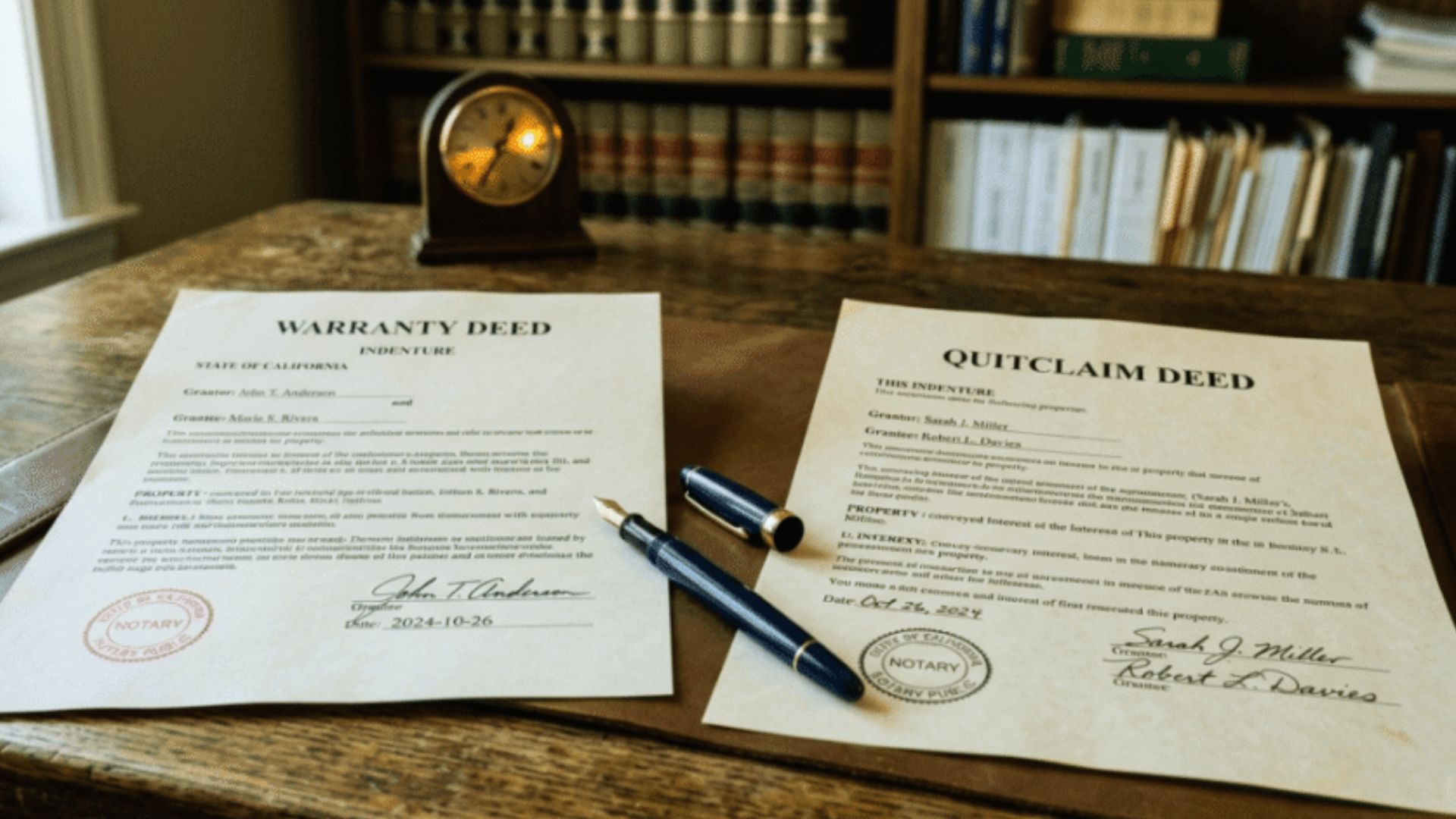
- Transfer-on-Death (TOD) Deed: A Transfer-on-Death (TOD) deed allows you to name a beneficiary who will receive the property after your death. You remain the legal owner during your lifetime, and the property transfers directly to the named beneficiary if your state recognizes TOD deeds.
- Living Trust: Placing property into a living trust is one of the most common ways to avoid probate. The trust becomes the legal owner of the property, and after your death, the trustee transfers it to the beneficiaries according to the trust's instructions.
- Beneficiary Deeds: A beneficiary deed lets you designate who will inherit your property when you pass away. Like a TOD deed, it generally avoids probate but is only available in states that authorize its use.
- Community Property with Right of Survivorship: In some states, married couples can hold property as community property with the right of survivorship. When one spouse dies, the surviving spouse automatically becomes the property's sole owner without probate.
- Life Estate Deed: A life estate deed allows you to keep the right to live in and use the property during your lifetime while naming someone to receive full ownership automatically after your death. This transfer generally occurs without probate.
- Small Estate Procedures (Where Available): Many states offer simplified procedures for estates that fall below certain value limits. These streamlined processes can make it possible to transfer property without going through formal probate, provided the estate qualifies under state law.
Documents Needed to Transfer Property Without Probate
Having the required documents ready can help ensure the property transfer is completed smoothly and without unnecessary delays.
- Death Certificate: An official death certificate is typically required to begin transferring ownership after the property owner's death.
- Property Deed: The deed confirms legal ownership and provides the property's legal description for the transfer.
- Trust Documents (If Applicable): If the property is held in a living trust, the trust agreement helps establish the trustee's authority to transfer ownership.
- Transfer-on-Death Deed: If a valid TOD deed exists, it identifies the beneficiary who will receive the property outside probate.
- Affidavits or Small Estate Forms: Some states require affidavits or simplified estate forms to complete a non-probate property transfer.
- Government-Issued Identification: Valid identification helps verify the identity of the person handling or receiving the property transfer.
When Probate May Still Be Required
Although many properties can avoid probate, there are situations where the court process is still necessary.
Whether probate is required depends on how the property is owned, whether valid estate planning documents exist, and the laws of the state where the property is located.
- Property owned solely by the deceased: If a property is owned only in the deceased person's name and no legal transfer method is in place, probate is usually required before ownership can pass to the heirs.
- No estate planning documents: When someone dies without a will, trust, or other estate planning tools, the court generally follows state intestacy laws to determine who inherits the property.
- Disputes among heirs: If family members or beneficiaries disagree about who should inherit the property or challenge the validity of a will, probate may be necessary to resolve the dispute.
- Invalid or outdated documents: A will, deed, or trust that is incomplete, outdated, or legally invalid may not prevent probate. The court may need to determine how the property should be distributed.
- State laws requiring probate: Some states require probate in certain situations, even when estate planning documents exist. Local laws, property ownership structure, and estate value can all affect whether probate is required.
If a House Is in Probate, Can It Be Sold?
Whether a house can be sold depends on whether it is part of the probate estate or transfers outside of probate through another legal arrangement.
| Feature | Probate Property | Non-Probate Property |
| Can the house be sold? | Yes, if the executor or administrator has legal authority and follows state requirements. | Yes, once the person with legal ownership has the authority to sell. |
| Who has authority to sell? | Executor named in the will or court-appointed administrator. | Trustee, surviving joint owner, or named beneficiary, depending on the ownership structure. |
| Court involvement | Often required, and some states require court approval before the sale. | Usually little or no probate court involvement. |
| Time to sell | May take longer because of probate procedures and court deadlines. | Often faster because ownership transfers outside probate. |
| Ownership transfer | Through the probate process according to the will or state law. | Through a trust, joint ownership, Transfer-on-Death deed, or other non-probate method. |
| Common examples | Home owned solely by the deceased with no automatic transfer method. | Property held in a living trust, jointly owned with right of survivorship, or covered by a valid Transfer-on-Death deed. |
Benefits of Transferring Property Without Probate
Avoiding probate can make the property transfer process simpler, quicker, and less stressful for your loved ones.
- Faster transfer of ownership: Property can often pass to heirs or beneficiaries more quickly than through the probate process.
- Lower legal costs: Avoiding probate may reduce court fees, attorney fees, and other expenses associated with estate administration.
- Greater privacy: Probate proceedings are generally public, while many non-probate transfers keep personal and financial matters more private.
- Fewer court proceedings: Property transferred outside probate usually requires less court involvement, saving time and paperwork.
- Easier access for beneficiaries: Beneficiaries may receive ownership sooner, allowing them to manage, live in, or sell the property without lengthy delays.
Conclusion
Whether property can skip probate comes down to how it's owned and what estate planning documents are in place.
A little planning now, a trust, a survivorship arrangement, or a Transfer-on-Death deed where your state allows it, can spare your family significant time, cost, and stress later.
Confirm the rules in your state or check with an estate planning attorney before you rely on any single method.
Frequently Asked Questions
What property automatically avoids probate?
Property held in a living trust or owned jointly with survivorship rights often transfers directly to the beneficiary or surviving owner without probate.
Does a living trust avoid probate?
In most cases, yes. Assets properly placed in a living trust are generally transferred according to the trust terms without going through probate.
Can jointly owned property avoid probate?
Yes. Jointly owned property with the right of survivorship usually passes automatically to the surviving owner after one owner's death.
Is probate required in every state?
No. Probate laws differ by state, and many states offer simplified procedures or allow certain property transfers to occur outside probate.