

I remember talking to a friend who was terrified to even say the word "bankruptcy." Her biggest fear wasn't the credit score hit. It was losing her house.
If you're asking yourself the same thing, here's the short answer: most people who file bankruptcy keep their home. It usually comes down to your home equity and if you're current on your mortgage payments.
In this guide, I'll walk you through how Chapter 7 and Chapter 13 handle your house, what factors decide the outcome, and the mistakes that trip people up along the way.
I'll also cover things like the homestead exemption and what happens to your mortgage lien once you file.
You'll leave knowing exactly where you stand, and what steps to take next.
Can You Keep Your House After Filing Bankruptcy?
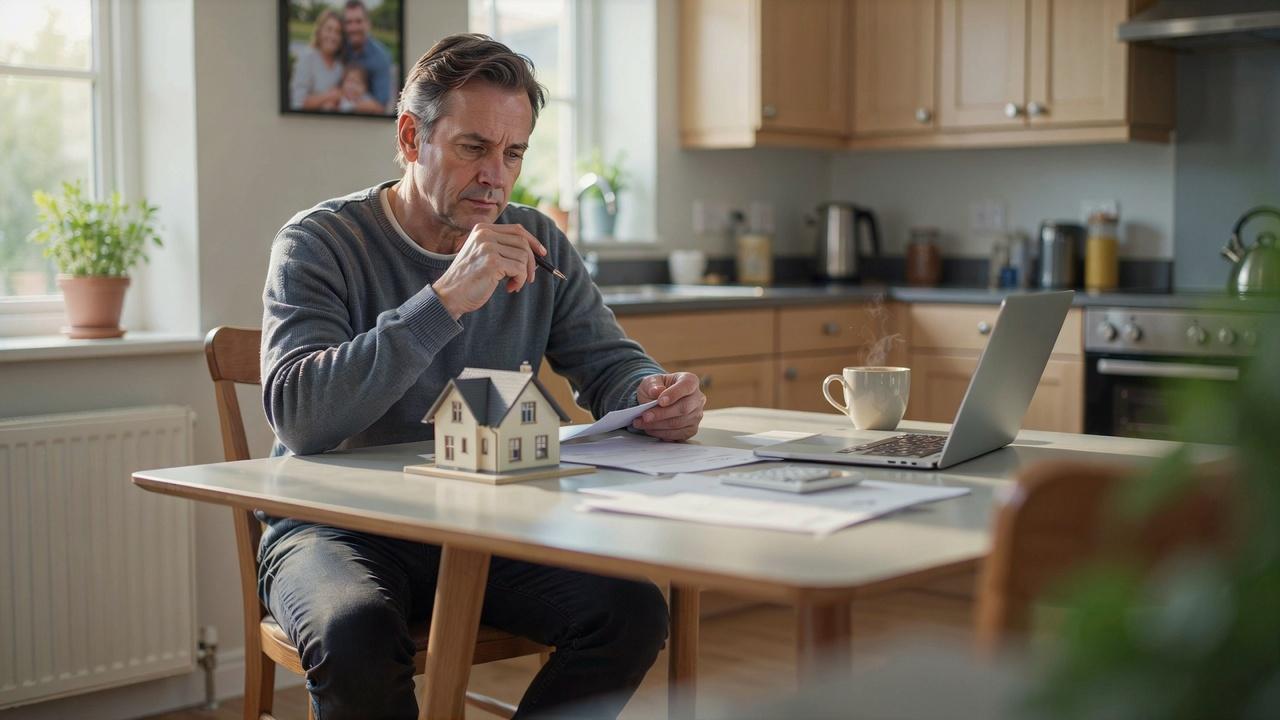
Yes, you can usually keep your house if you file bankruptcy. Most homeowners do.
It comes down to two things:how much equity you have and whether you're current on your mortgage. Chapter 7 lets you keep the house if your equity fits inside your state's homestead exemption and you keep paying.
Chapter 13 gives you more room, letting you catch up on missed payments through a repayment plan over three to five years.
Filing does not erase the mortgage lien, so you still have to keep paying to hold onto the home either way. give general h2 of this
How Does Bankruptcy Affect Your House?

Filing bankruptcy does not automatically mean you lose your home. Your mortgage is secured debt, which means your lender holds a mortgage lien, a legal claim on the house itself.
Unsecured debt, like credit cards or medical bills, has no such claim.
When you file, an automatic stay takes effect immediately, stopping foreclosure and collection efforts while your case is pending.
The automatic stay is temporary and does not erase your mortgage debt.
Your lender's lien remains attached to the property, so you must continue making mortgage payments if you want to keep your home.
Can You Keep Your House in Chapter 7 Bankruptcy?

You can keep your house in Chapter 7 if your home equity fits within your state's homestead exemption limit and you stay current on payments.
If your equity goes over that limit, the court-appointed bankruptcy trustee could sell the home to pay creditors, though this is less common than people assume.
Staying current on your mortgage matters a lot here. Missed payments give your lender grounds to ask for relief from the automatic stay.
Your home equity is your house's value minus what you owe. Bankruptcy exemptions protect a slice of that equity from creditors, and if the exemption covers all your equity, your home stays safe.
Can You Keep Your House in Chapter 13 Bankruptcy?

Chapter 13 works differently. Instead of liquidating assets, you follow a repayment plan, sometimes called a wage-earner's plan, that stretches over three to five years.
If you're behind on your mortgage, this plan lets you catch up on those missed payments gradually instead of all at once.
That's why Chapter 13 is often the better fit if you're already behind and want to hold onto your home. It gives you time.
If you have a second mortgage or HELOC that's fully unsecured because your home is worth less than you owe, Chapter 13 may let you strip that lien off through the plan.
If you fall behind on your plan payments and can't catch up, the court can dismiss your case, and foreclosure can move forward again.
Chapter 7 vs. Chapter 13: Comparison Table
The table below highlights the key differences between Chapter 7 and Chapter 13 to help you understand which option may better protect your home.
| Factor | Chapter 7 | Chapter 13 |
| Keep your home | Yes, if equity is protected | Usually yes |
| Catch up missed mortgage | No | Yes |
| Repayment plan | No | 3–5 years |
| Risk of trustee sale | Possible | Much lower |
| Best for | Current mortgage payments | Behind on payments |
The right bankruptcy chapter depends on your financial situation, mortgage status, and long-term ability to keep up with home payments.
Factors That Decide Whether You Keep Your Home

A few key things determine whether your house is safe.
Home Equity
Home equity is your home's current value minus what you still owe on it. If you owe $250,000 and your home is worth $300,000, you have $50,000 in equity.
This number matters because your homestead exemption only protects equity up to a set amount. Any equity above that limit could be at risk.
Knowing your equity before you file helps you understand where you stand and whether a bankruptcy trustee could have grounds to sell the home.
Mortgage Payment Status
If you're current or behind on your mortgage can make a significant difference. If you're current, both Chapter 7 and Chapter 13 generally allow you to keep your house as long as you continue making your mortgage payments.
If you're behind, Chapter 13 gives you a structured way to catch up through a court-approved repayment plan.
Chapter 7 offers no similar repayment option, so filing while behind on your mortgage increases the risk of foreclosure.
Bankruptcy Exemptions
The homestead exemption protects a portion of your home equity from creditors. Some filers can choose between the federal and state homestead exemptions, but not everyone qualifies for that choice.
Exemption amounts differ by state because each state legislature sets its own limits, and some states let you use the federal exemption instead if state law allows.
A homestead exemption typically protects some equity in a residential home rather than the entire property, and it usually cannot be applied to rental property.
When you file, your home becomes part of the bankruptcy estate, where applicable exemptions determine how much of your equity is protected from creditors.
What Happens to Your Mortgage During Bankruptcy?

Bankruptcy does not erase your mortgage. Your lender's mortgage lien on the property stays in place the whole time.
That's the legal claim tied to your house, and no bankruptcy chapter removes it. This means you still need to keep making payments to hold onto the house.
If you stop paying after your case wraps up, or during a Chapter 13 plan, your lender can move forward with a foreclosure sale just like before you filed. Although foreclosure is paused during bankruptcy, your mortgage obligation remains, and your lender can resume foreclosure if payments are not made after the stay ends.
Miss enough payments, and your lender can also ask the court to lift the stay early, which speeds foreclosure back up.
Ways to Keep Your House After Filing Bankruptcy
A few practical paths can help you hold onto your home.
- Catch up on mortgage payments:Getting current, even gradually through a Chapter 13 plan, keeps foreclosure off the table.
- Ask about a loan modification: Your lender may adjust your interest rate or extend your term to lower your monthly payment.
- Consider a reaffirmation agreement:In Chapter 7, it lets you keep your mortgage by remaining legally responsible for the debt. Understand the legal and financial consequences before signing.
- Use a Chapter 13 repayment plan:This spreads missed payments out over years instead of demanding a lump sum, and can include lien stripping if you have a second mortgage that's fully unsecured.
- Talk to your lender before foreclosure starts: Lenders often prefer a workout plan over the cost of foreclosing.
Is It Better to Keep or Surrender Your House?

This decision comes down to what you can actually afford.
| Keeping the House | Surrendering the House |
| Continue mortgage payments | Walk away from an unaffordable mortgage |
| Keep your home equity | May avoid a deficiency judgment, depending on bankruptcy chapter and state law |
| Long-term homeownership | Fresh financial start |
Think honestly about your budget before deciding. Keeping a house you can't afford long term often leads right back to financial trouble.
Common Mistakes Homeowners Make Before Filing Bankruptcy
A few missteps can cost people their home.
- Waiting until foreclosure is almost complete. The earlier you act, the more options you have.
- Misunderstanding home equity. Guessing at your equity instead of calculating it can lead to bad decisions.
- Ignoring exemption limits. Not knowing your state's limit means you might be surprised by what's protected.
- Assuming bankruptcy removes the mortgage. It doesn't. The lien stays attached to your home.
- Not speaking with a bankruptcy attorney or credit counselor. A quick consultation can clear up confusion before you file.
Conclusion
If you're asking, can you keep your house if you file bankruptcy, the answer is often yes, but it depends on your bankruptcy chapter, home equity, mortgage payments, and available exemptions.
Understanding these factors before filing can help you protect your home and make more informed financial decisions.
Every situation is different, so professional legal advice is important before taking the next step.
Have questions? Leave a comment below or share this guide with someone who may find it useful.
Frequently Asked Questions
Can you sell your house while your bankruptcy case is open?
Yes, but you need court approval first, since the house becomes part of the bankruptcy estate once you file.
Does bankruptcy affect a co-signer on your mortgage?
Your co-signer stays fully responsible for the mortgage even after your bankruptcy wipes out your personal liability for it.
Can you refinance your mortgage during Chapter 13?
Refinancing mid-case usually needs trustee and court approval, and most lenders wait until your case closes anyway.
What happens to your home insurance if you file bankruptcy?
You still have to keep paying your homeowners insurance, since letting it lapse can violate your mortgage terms and put your house at risk.
Does filing bankruptcy show up on your property's title or deed?
No, bankruptcy doesn't appear on your title or deed, it shows up on your credit report and the public court record instead.