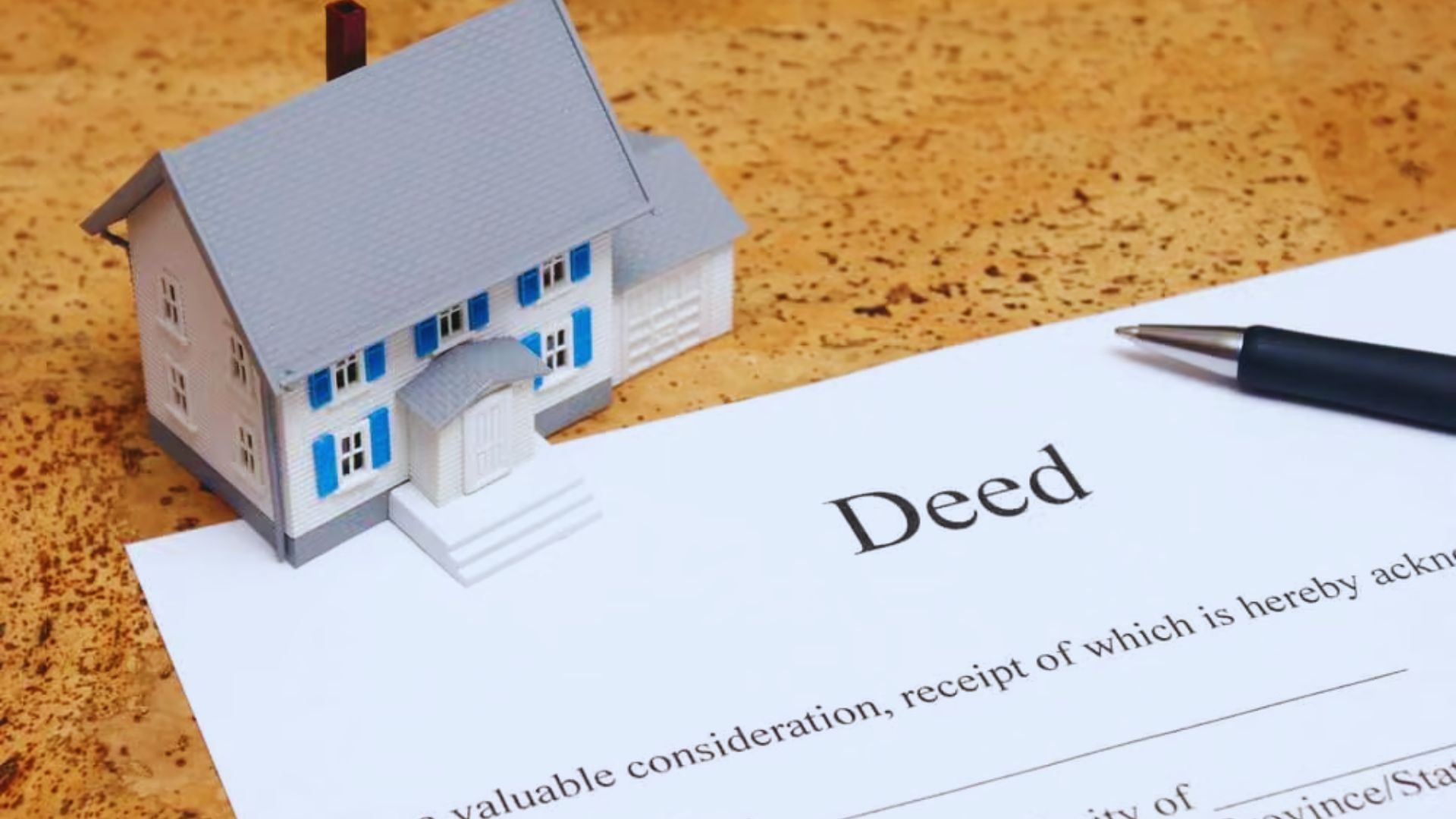


Buying a home is one of the biggest financial decisions most people will ever make.
And yet, many buyers sign purchase agreements without fully understanding what a financing contingency is or how much it can protect them.
A financing contingency is a clause in your offer that gives you the legal right to back out of a deal if your mortgage does not get approved.
Without it, you could lose your earnest money deposit if your loan falls through.
This article breaks down exactly how a financing contingency works, when to use it, and when waiving it could be a serious mistake.
What Is a Financing Contingency?

A financing contingency is a condition written into a home purchase agreement stating the sale only goes through if the buyer secures a mortgage by a set deadline.
A financing contingency is a condition written into a home purchase agreement stating the sale only goes through if the buyer secures a mortgage by a set deadline.
If financing falls through, the buyer can walk away and typically recover their earnest money.
It appears in the purchase and sale agreement as a specific clause covering the loan amount, type, interest rate limit, and deadline.
For buyers, it provides real protection since mortgage approvals are never guaranteed even after pre-approval.
For sellers, it adds some uncertainty, though most real estate transactions include this clause as a standard part of the process.
How Financing Contingency Works in Real Estate

A financing contingency plays out in a clear sequence from the moment you make an offer to the day your loan is confirmed. Each stage has a specific purpose, and missing any one of them can put your earnest money at risk.
1. From Offer to Final Commitment
The process starts when a buyer makes an offer on a home. If the offer is accepted, the purchase agreement goes into effect, including the financing contingency clause.
The lender reviews income, credit, debt, and the property itself through a process called underwriting, a formal evaluation to confirm the borrower and the home both meet the loan requirements.
Along the way, the buyer moves through three stages that sound similar but are not the same thing. Pre-approval means a lender has reviewed your basic financial information, including income, credit score, and assets, and believes you qualify for a loan up to a certain amount, though it is not a guarantee of funding.
Loan approval means the lender has reviewed your complete application and conditionally approved the loan, with conditions that may include providing additional documents, resolving a credit issue, or getting the property appraised at an acceptable value.
Final mortgage commitment is the strongest form of lender confirmation, meaning the lender has cleared every outstanding condition and is fully committed to funding the loan, pending a clean title and successful closing. This is the stage that satisfies most financing contingencies, not just pre-approval.
If the loan reaches final commitment, the contingency is satisfied and the sale moves forward. If the loan is denied at any stage, the buyer can invoke the contingency to cancel the contract and recover their earnest money.
2. Financing Contingency Timelines and Deadlines
Most financing contingencies have a deadline of 21 to 30 days from the date the purchase agreement is signed.
This gives the buyer time to complete the mortgage application and receive a loan commitment.
If the deadline passes and the buyer has not secured financing or asked for an extension, the contingency may expire.
At that point, the buyer could risk losing their earnest money if they try to cancel.
Always pay attention to the deadline written into your contract, because missing it can mean losing your earnest money deposit with no legal recourse.
Types of Financing Contingency

Not all financing contingencies are created equal. The type of loan you are using will shape how the contingency is written and what conditions need to be met.
1. Conventional Loan Financing Contingency
Conventional loans are the most common type of mortgage.
A financing contingency for a conventional loan typically includes the loan amount, loan term, and maximum interest rate the buyer will accept.
If the lender cannot offer those terms, the buyer has grounds to exit the contract.
Conventional loan contingencies often have stricter underwriting, so there is more room for something to go sideways.
2. FHA, VA, and USDA Financing Contingency
Government-backed loans like FHA, VA, and USDA come with their own requirements that can affect the financing contingency.
FHA loans require the property to meet certain condition standards. If the home does not pass the FHA appraisal, the loan may be denied, which could trigger the contingency.
VA loans are available to eligible veterans and service members. They also include strict appraisal requirements.
A VA financing contingency protects the buyer if the property does not meet VA guidelines.
USDA loans are for buyers in eligible rural areas. Similar protections apply. Any of these loan types can be included in a financing contingency, as long as the terms are clearly written into the contract.
3. Jumbo Loan Financing Contingency
Jumbo loans exceed the conforming loan limits set by Fannie Mae and Freddie Mac, the two government-sponsored enterprises that set the standard borrowing thresholds for most conventional mortgages.
Because they are larger and have stricter approval requirements, the financing contingency for a jumbo loan may have a longer deadline.
Lenders take more time with these loans, and underwriting can be more thorough. Buyers using jumbo financing should make sure their contingency deadline reflects that reality.
4. Financing Contingency with Appraisal Requirements
Some financing contingencies include appraisal conditions. This means the buyer's loan approval depends partly on the home appraising at or above the purchase price.
If the home appraises for less than the agreed price, the lender may not approve the full loan amount. In that case, the financing contingency can allow the buyer to cancel or renegotiate.
This overlap between the financing contingency and the appraisal process is worth understanding clearly before you sign.
Financing Contingency vs Other Real Estate Contingencies
A financing contingency is just one of several protections available in a purchase agreement.
Real estate contracts can include multiple contingency types, and understanding how they compare helps you negotiate the right set of protections.
| Contingency Type | What It Protects Against | Can Be Used Together | Buyer Protection Level |
| Financing Contingency | Loan denial or mortgage falling through | Yes, with appraisal and inspection | High, protects earnest money if loan is denied |
| Appraisal Contingency | Home appraising below the purchase price | Yes, often paired with financing contingency | High, prevents overpaying or losing loan funding |
| Inspection Contingency | Hidden property defects or serious repairs needed | Yes, with financing and appraisal | High, allows buyer to request repairs or exit deal |
| Home Sale Contingency | Buyer unable to afford new home before selling current one | Limited, sellers often resist in competitive markets | Moderate, less accepted by sellers in strong markets |
What Happens When a Financing Contingency Fails or Gets Removed
This section covers two sides of the same coin: what occurs if your financing falls through and how to formally exit the contingency once your loan is approved.
If the contingency is still active when financing fails, the buyer has the legal right to cancel the contract by providing written notice and lender documentation.
The earnest money is typically refunded if the buyer properly invokes the contingency before the deadline. Miss that deadline and the seller may keep the deposit.
Sellers must generally wait for the contingency period to expire before accepting another offer, unless a kick-out clause is written into the contract.
Common reasons financing falls through include low appraisals, credit score drops, job loss, new debt, or rising interest rates.
Once your loan is fully approved and all lender conditions are cleared, you must formally remove the contingency by submitting a written removal form.
Do this too early and your earnest money is at risk if the deal later collapses.
Common Financing Contingency Mistakes and How to Avoid Them
Even experienced buyers can make mistakes when it comes to financing contingencies. Knowing what to watch out for ahead of time can save you from costly consequences.
- Missing contingency deadlines: Track your deadline from the day you sign, confirm all key dates in writing, and request an extension early if the loan process is moving slowly.
- Changing jobs or taking on new debt before closing: Avoid new credit applications, job changes, and major purchases until after the deal is completely done.
- Ignoring lender document requests: Respond within 24 to 48 hours, keep digital copies of all financial documents ready, and ask your loan officer what to expect upfront.
- Failing to communicate with your agent and lender: Talk to your lender at least once a week and inform your agent immediately if any issues come up with your loan.
- Keeping parties disconnected: Make sure your real estate agent and lender have each other's contact information and stay looped in throughout the entire contingency period.
Should You Waive a Financing Contingency?

Beyond avoiding mistakes, one of the biggest decisions you will face is whether to waive the contingency entirely.
Waiving a financing contingency can make your offer more attractive to sellers, but the risks are serious.
If your loan falls through after waiving it, you could lose your earnest money deposit and potentially face legal action for breach of contract.
It makes sense to waive only if you are paying cash, have a fully committed loan, or are in an extremely competitive market.
Always consult your lender and agent before making this decision.
Instead of waiving completely, consider safer alternatives like getting fully underwritten pre-approval, shortening the contingency period to 10 or 14 days, or offering a larger earnest money deposit.
Expert Tips for Buyers and Sellers
Both buyers and sellers can take steps to protect themselves when a financing contingency is involved. A little preparation goes a long way.
For buyers:
- Get fully underwritten pre-approval before making an offer, read the contingency clause carefully, and set reminders for all deadlines.
- If you are in a competitive market, consider writing a strong escalation clause instead of waiving the contingency, as it protects your deposit while keeping your offer competitive.
- Before signing, ask your lender what loan type you are approved for, how long underwriting will take, what conditions could delay approval, and what might cause approval to be revoked.
- Before closing, confirm your loan commitment letter is in hand, verify all lender conditions are cleared, and make sure your agent and lender are aligned on next steps.
For sellers:
- Ask for fully underwritten pre-approval letters and review the buyer's financial profile carefully.
- Consider requesting a shorter contingency window as part of any counteroffer.
Conclusion
A financing contingency is one of the most important tools a buyer has in a real estate transaction.
It is one of the few contract clauses that can recover your deposit if a deal falls apart through no fault of your own.
Understanding how it works, when to use it, and when to be cautious about waiving it can make a real difference in your home buying outcome.
Take the time to read your contract carefully, ask your lender the right questions, and stay on top of every deadline.
Your real estate agent and lender are your best resources for reviewing the specific contingency language in your contract before you sign.
Frequently Asked Questions
Can a seller cancel the contract if the financing contingency deadline passes?
If the deadline passes and the buyer does not act, the seller may have the right to cancel and keep the earnest money, depending on the contract terms.
Does a financing contingency affect how long a home is under contract?
Yes. The contingency period typically adds two to four weeks to the contract timeline before all conditions are cleared and the sale can proceed.
Can you add a financing contingency after the purchase agreement is signed?
Generally no. Contingencies must be agreed upon during the offer stage. Adding one later requires both buyer and seller to agree to a contract amendment.
Is a financing contingency the same as a loan commitment letter?
No. The contingency is a contract clause. The loan commitment letter is the lender's written promise to fund the loan. The letter is what satisfies the contingency.
Do all states handle financing contingencies the same way?
No. Real estate contract laws vary by state. The language, timelines, and procedures for invoking a financing contingency can differ depending on where the property is located.