

Writing a will gives you control over what happens to your property and who receives it after your death. But creating one can raise an important question: do I need a lawyer to write a will, or can you handle the process yourself?
While a DIY will may seem simple and affordable, a small mistake, like a missing witness signature or an unclear beneficiary designation, can tie your family up in probate court for months and cost far more than a lawyer’s fee would have.
The right choice depends on more than cost. It also depends on your assets, family circumstances, and how clearly your wishes can be protected.
Disclaimer: This article provides general information about U.S. estate planning laws and is not legal advice. Will requirements vary by state, so consult a qualified estate planning attorney about your circumstances.
Do You Need a Lawyer to Write a Will?
No U.S. state requires you to hire an attorney to write a will .
You can use a template, an online tool, or a plain sheet of paper, though a plain handwritten version raises its own question of whether a handwritten will holds up in court.
But there’s a catch. Your state still has rules about how a will needs to be signed and witnessed. Skip those rules, and it doesn’t matter how clear your wishes were. The will can get thrown out.
I’ve seen this happen to a friend’s family, where the signatures weren’t done right, and the court refused to honor the will.
So before you decide DIY is fine, you need to understand what actually makes a will hold up.
What Makes a Will Legally Valid
A valid will comes down to three things. Miss one, and the whole document can fall apart in probate court.
Capacity
You need to be of sound mind when you sign it. Courts typically check three things: whether you understood you were making a will, whether you knew roughly what you owned, and whether you knew who your natural heirs were.
Intent
The document has to clearly show this is your will, not a draft or a list of wishes. Most states look for a clear declaration, something like “This is my Last Will and Testament,” plus your signature and the date, so there’s no question what the document is for.
Proper Execution
Most states need you to sign in front of two witnesses who aren’t beneficiaries. Some states also want notarization.
Courts enforce these rules strictly because they have no other way to know the will is genuinely yours and that nobody pressured you into signing it.
That’s why execution matters as much as the content. A perfectly written will with a messy signing process can still fail.
This is also where most DIY wills go wrong. Not the writing. The signing.
DIY vs. Lawyer: Weighing the Real Trade-offs
On paper, DIY looks like the cheaper choice. But that’s only true if you ignore what happens when a will doesn’t hold up.
| DIY Will | Lawyer-Drafted Will | |
|---|---|---|
| Upfront cost | Little to nothing | Real money, varies by state and complexity |
| What you’re paying for | Just the document | The document, plus a higher chance it survives probate |
| Risk if something’s wrong | Can be rejected or contested, leading to probate litigation | Lower risk of rejection or challenge |
| Cost if it fails | Often far more than a lawyer’s fee would have been | Built into the upfront price |
| Best fit | Simple estate, simple family, no disputes expected | Complex estate, blended family, or anticipated disputes |
The lawyer’s fee isn’t just for the paperwork. It’s for making sure that paperwork actually holds up in court. So “cheaper” only holds if your situation is simple enough not to need that protection.
Situations That Call for a Lawyer

A simple estate and a simple family can usually get by with a DIY will. But certain situations change that fast. Here’s when I’d tell you to stop and call an attorney instead.
You own a business or property in multiple states.
Property in more than one state can mean probate in more than one state, and a business usually needs a succession plan built into the will, not just a line naming a new owner.
Your family includes stepchildren, an ex-spouse, or multiple sets of beneficiaries.
Most states don’t automatically treat stepchildren as heirs, so a simple will that just says “my children” can accidentally leave them out.
How stepchildren and former spouses are treated under intestacy law varies by state, so confirm the rule where you live rather than assuming a simple will covers them.
Someone you’re providing for has special needs.
Leaving money directly to them can affect their government benefits. A special needs trust usually solves this, and that’s not something a basic template builds.
Your children are still minors.
You’ll need to name guardians and decide how their inheritance is managed until they’re adults.
You’re worried a dispute might surface.
If you think someone might contest the will, you want a document built to hold up under pressure.
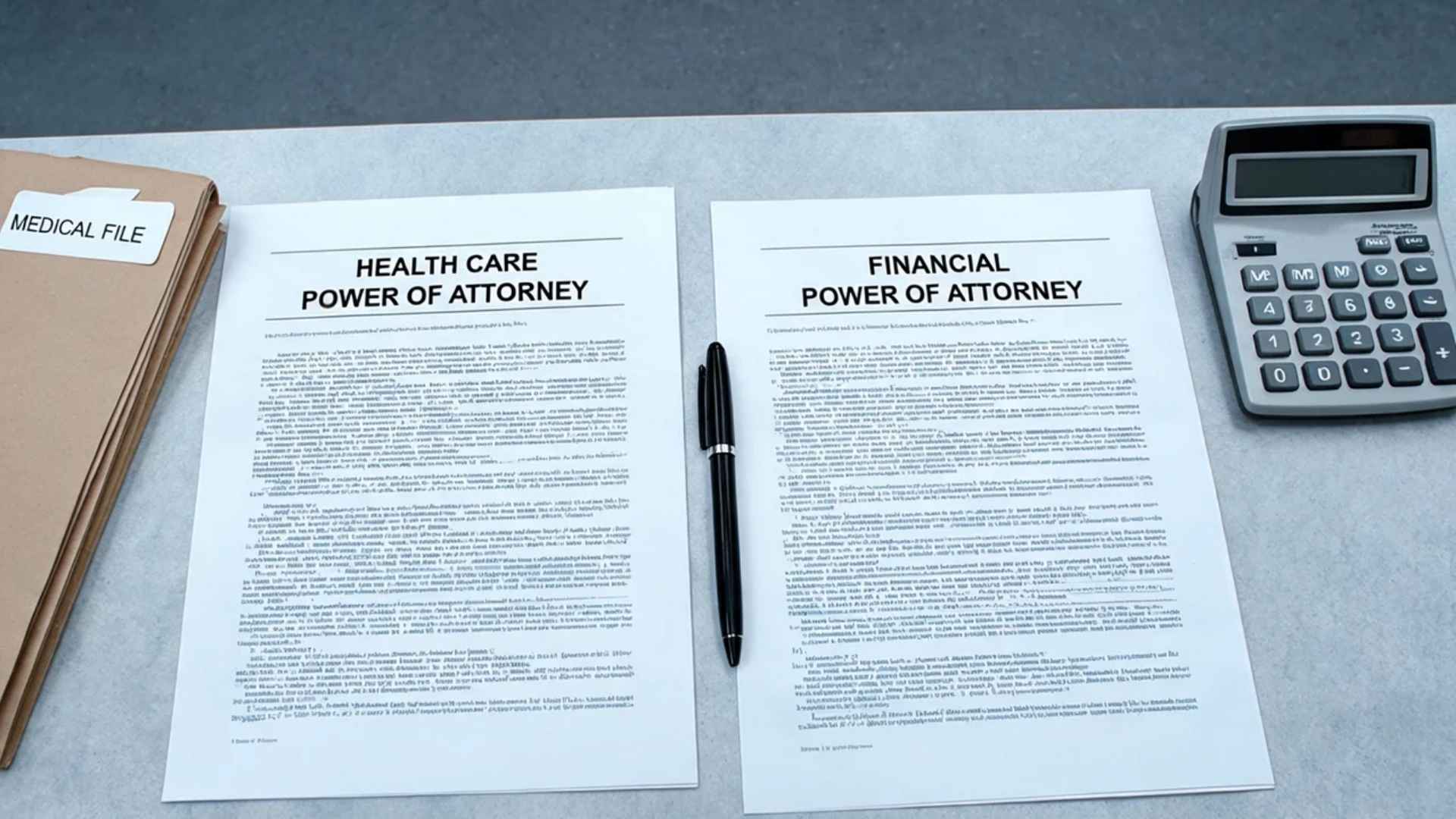
A will alone isn’t enough for you. It doesn’t cover power of attorney or healthcare directives. If you need those too, a lawyer can set up everything together.
Any one of these on its own is a reason to think twice about going it alone. If more than one applies to you, I’d treat that as a clear signal.
So, Can You Write a Will without A Lawyer?
Deciding whether to hire an attorney comes down to balancing convenience against the consequences of getting something wrong, the same trade-off shows up when setting up a trust alone .
While a straightforward estate may not require professional help, more complicated family or financial arrangements deserve careful attention.
If you’re wondering, do i need a lawyer to make a will, remember that avoiding legal fees should never come at the expense of your wishes.
A properly prepared will can spare your family unnecessary confusion and disputes. Review your state’s requirements and seek legal guidance when needed.
Frequently Asked Questions
What is the biggest mistake people make with wills?
The most common mistake is failing to follow state signing and witnessing rules. The will’s content might be perfectly clear, but if it wasn’t executed correctly, a court can reject it. That sends the estate into intestacy, meaning the state decides how assets get divided instead of you.
How much does it typically cost to have a lawyer draft a will?
Costs vary widely by state, firm, and how complex your estate is, but a simple will typically runs a few hundred dollars, while a fuller estate plan with trusts and powers of attorney can run into the low thousands. Check current local rates before budgeting.
Can a DIY will be notarized?
Yes, in many states. This is often done through a self-proving affidavit, which can make probate smoother by reducing the need for witnesses to testify later. Requirements differ by state, so confirm your state’s specific rules before finalizing anything.
Is a living will the same as a last will?
No, they’re different documents entirely. A testament decides how your property gets distributed after you die. A living will states your medical treatment preferences if you become unable to communicate them yourself. Many people have both, but they serve separate purposes.