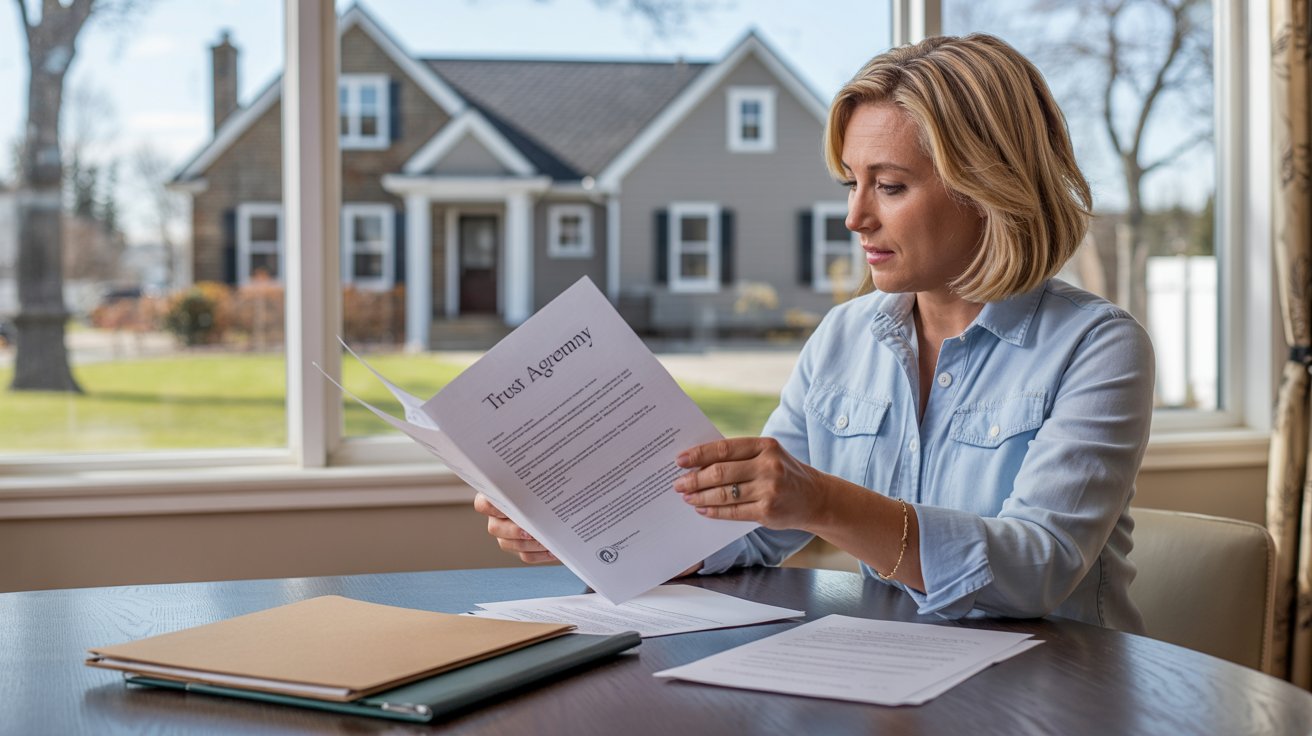
Setting up a living trust is one of the smartest moves you can make for your family's future. But the first question most people ask is how much does a living trust cost?
I get it. The pricing feels confusing at first.
In this blog, I'll break down the real costs of setting up a living trust with a lawyer, through an online service, or by doing it yourself.
You'll see what each option includes, what affects the price, and how to choose what works for your situation.
I've spent time researching estate planning so you don't have to sort through the legal jargon alone.
Understanding Living Trust Costs

A clear look at what goes into pricing a living trust and why the numbers differ across options.
The cost of a living trust covers drafting the document, naming a trustee, and listing your assets.
Lawyers charge for their time and legal review, while online platforms charge for templates, and DIY kits charge for forms.
Setup costs range widely. Attorneys typically charge $1,200 to $2,500 for a basic revocable trust in 2026, online services run $150 to $400, and DIY kits start around $30.
Beyond setup, notarization and asset funding add to the total. Costs rise with estate complexity, including multiple properties, business ownership, or accounts spread across institutions.
Living Trust Cost With a Lawyer

Hiring an attorney costs more upfront but gives you legal protection and peace of mind throughout the process.
Average Attorney Fees for a Living Trust
Most estate planning attorneys charge between $1,000 and $3,500 for a living trust. Some charge a flat fee.
Others bill by the hour, usually between $150 and $350 per hour. Your location plays a big role. Attorneys in major cities tend to charge more than those in smaller towns.
What Services Are Included?
When you hire an attorney, you're paying for a full review of your assets, a custom-drafted trust document, guidance on naming trustees and beneficiaries, and help with funding the trust.
Some attorneys also include a pour-over will, which sends any assets not in the trust through your estate plan at death.
Benefits of Hiring an Estate Planning Attorney
An attorney catches problems you might miss. They make sure your trust is legally valid in your state, that it reflects your actual wishes, and that your assets are properly titled.
They also help you avoid mistakes that could cost your family far more later in probate court.
When a Lawyer Is Worth the Extra Cost
If you own real estate, have a blended family, run a business, or want to leave assets to minors, a lawyer is worth every dollar.
The more moving parts your estate has, the more you need someone who knows how to protect it.
Living Trust Cost Using Online Services

Online trust platforms offer a faster and more affordable option for people with straightforward estates.
How Online Trust Services Work
You fill out a guided questionnaire, the platform builds your trust document, and you download or print it.
Some services offer attorney review add-ons. Most are designed to be completed in under an hour. Popular platforms include Trust & Will, LegalZoom, and Nolo.
Typical Costs of Online Living Trust Platforms
Most online living trust services fall between $100 and $500. Some charge a one-time fee.
Others use a subscription model that includes updates over time. Attorney review add-ons can push costs toward $700 or more.
Pros and Cons of Online Estate Planning
Online living trust services cost less than hiring an attorney, and they are fast, convenient, and easy to update when your situation changes.
That said, they have real limits. Complex estates may not get the level of customization they need, and no personalized legal advice comes included with the service.
The bigger risk is that mistakes can slip through without a legal review catching them, which could cause problems for your family later.
Who Should Consider an Online Living Trust?
Online options work well for people with simple estates. If you have one home, basic savings, and a clear idea of who gets what, an online service can do the job at a fraction of the cost.
DIY Living Trust Cost: Is It the Cheapest Option?

Going the DIY route is the most affordable option, but it comes with real risks if the paperwork is not done correctly.
Cost of DIY Trust Kits and Templates
DIY trust kits range from free downloads to kits costing around $30 to $100. Some come with step-by-step instructions.
Others are just blank forms. The savings look great upfront, but errors in a DIY trust can lead to legal problems later.
How to Create a Living Trust Yourself
You'll need to draft the trust document, name yourself as trustee, list your beneficiaries, and sign the document in front of a notary.
After that, you must fund the trust by retitling your assets. That means changing the title on your home, bank accounts, and other assets to show the trust as the owner.
When DIY May Not Be the Right Choice
If you own property in more than one state, have a large retirement account, or have any family complications, DIY is not the right path.
A small error could send your estate through probate anyway, which defeats the whole purpose.
Lawyer vs. DIY vs. Online Living Trust Cost Comparison

Comparing all three options side by side helps you see exactly what you're getting for your money.
Upfront Cost Breakdown
Lawyer: $1,000 to $3,500.
Online service:$100 to $500.
DIY:$0 to $100.
The gap is real, but so is the difference in what you receive.
Customization and Legal Protection
A lawyer gives you the most customized document with full legal protection.
Online services offer moderate customization with limited legal backing. DIY gives you the least protection and the most room for error.
Trust Funding and Asset Transfer Support
Attorneys often help you fund the trust or at least walk you through it. Online platforms give instructions but leave the work to you. DIY means you handle everything on your own.
Which Option Offers the Best Value?
For simple estates, online services offer solid value. For complex situations, a lawyer is the better investment.
DIY only makes sense if your estate is very basic and you're comfortable handling legal documents without help.
Tips for Reducing Living Trust Costs
Small steps before you start can cut your costs significantly and make the process go faster.
- List every asset you own before setting up your trust, including account numbers, property addresses, and estimated values.
- Get quotes from at least two attorneys and check reviews for any online platform before paying.
- Ask attorneys about flat-fee packages to keep costs predictable and avoid surprise billing.
- Never skip the funding step after signing your trust, as an unfunded trust offers no real protection.
- Review and update your trust every few years or after major life events like marriage, divorce, or a new property purchase.
Conclusion
I know how overwhelming estate planning can feel, especially when cost is a concern. But here's the thing, how much does a living trust cost really comes down to your situation.
A lawyer gives you the most protection. Online services offer solid value for simple estates. DIY works if your estate is straightforward and you're careful.
The right choice saves money and protects your family. Start by listing your assets and thinking about who you want to protect.
If this helped, drop a comment, share it with someone who needs it, or check out our other estate planning posts.
Frequently Asked Questions
How Much Does a Living Trust Cost on Average?
A lawyer-drafted trust typically costs between $1,200 and $2,500. Online services run $100 to $500, and DIY options can cost under $100. Your final price depends on your estate size and the option you choose.
Can I Create a Living Trust Without a Lawyer?
Yes, you can. Online platforms and DIY kits make it possible. But if your estate is complex or you own property in multiple states, working with a lawyer reduces the risk of costly errors.
Are Online Living Trusts Legally Valid?
They can be, as long as they meet your state's requirements. Most reputable platforms are built to comply with state laws, but it's smart to have an attorney review the final document if you have any concerns.
Do Living Trusts Have Ongoing Costs?
Generally, no. Once the trust is set up and funded, there are no regular fees. You may pay to update it over time or if you add new assets. Some online platforms charge a subscription for ongoing access.
Is a Living Trust Worth the Cost?
For most people, yes. A living trust helps your family avoid probate, which can be expensive and time-consuming. The upfront cost often saves your heirs far more in the long run.