

If your name is on a house title but not the mortgage, you probably have questions about what that really means.
Maybe your partner qualified for the loan alone, or a parent added you to the deed. Either way, you own part of the home, but you carry none of the loan debt.
This article walks you through your rights, the risks you should watch for, and what happens during a sale, divorce, or death.
We have reviewed real estate laws and common ownership disputes to keep this guide accurate and practical. By the end, you will know exactly where you stand and what steps to take next.
What Does It Mean to Be on the Title But Not the Mortgage
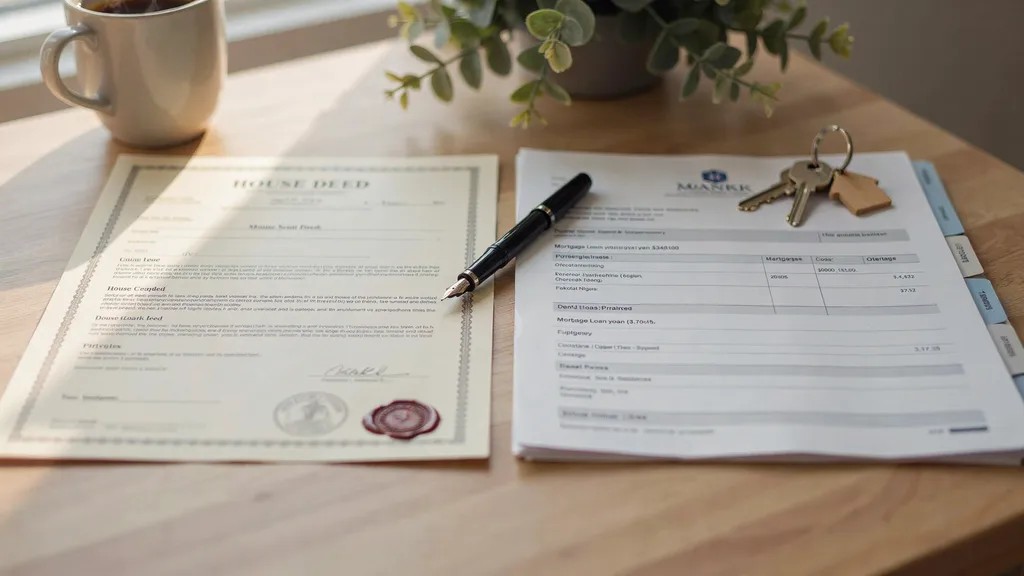
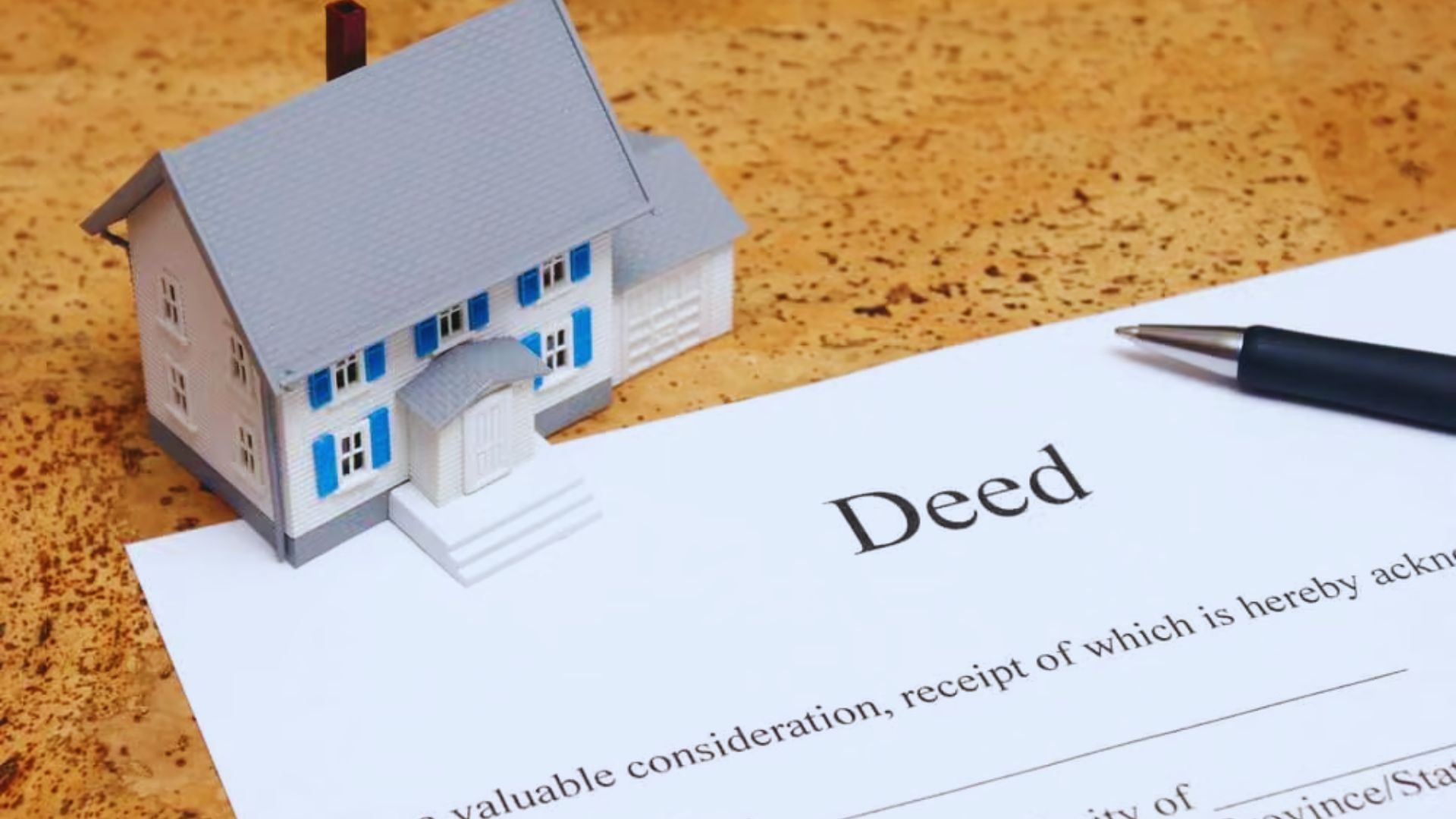
The title, also called the deed, proves who owns the property. The mortgage is a separate loan agreement that only applies to the person who signed it.
However, the mortgage lien can still affect your ownership interest if the borrower defaults.
This split often happens during a home purchase, a marriage, a refinance, or when a parent adds a child to the deed.
Each situation carries its own set of rights and risks, which this article covers below.
Title vs Mortgage: Key Differences
The table below breaks down the core differences between being on the title and being on the mortgage.
| Factor | On the Title Only | On the Mortgage Only |
| Legal ownership | Yes | No |
| Responsible for loan payments | No | Yes |
| Can sell or transfer their share | Yes, with co-owner consent | No, unless also on title |
| Credit impact from missed payments | None | Direct impact |
| Risk of losing the home to foreclosure | Yes, if loan defaults | Yes |
This comparison shows why title and mortgage status should never be assumed to carry the same rights or risks.
Your Legal Rights When You Are on the Title But Not the Mortgage
Being on the title means you are a legal owner of the property. You may have a say in decisions about the property, but being on the title does not automatically give you the right to refinance the existing mortgage.
You also share in the equity. If the home increases in value and is later sold, you are entitled to your portion of the profit based on how the title is held.
Ownership share depends on how the deed is written, not on the mortgage. Joint tenancy usually means equal shares, while tenancy in common can assign unequal percentages.
Check your deed document to confirm your exact ownership percentage. This detail matters most during a sale, a divorce, or an inheritance dispute.
Common Situations Where This Happens
Being on the title but not the mortgage shows up in several everyday scenarios.
The most common include:
- Unmarried couples buying a home together, where only one partner qualifies for the loan
- A spouse added to the deed after the mortgage was already approved in one name
- A parent adding an adult child to the title for estate planning purposes
- A partner added to the deed without joining the mortgage loan
The legal consequences can differ depending on why the names were separated and how the property is titled.
Risks You Should Know About

Owning a share of a home without being on the loan still carries financial risk. It is not a risk-free position.
Risks If You Are on the Title Only
The lender can still foreclose on the home if the mortgage holder stops paying, even though you never signed the loan. Foreclosure removes your ownership along with the borrower's.
Your personal credit stays protected since your name is not on the loan. You can still lose the property itself, which is often the bigger concern.
Risks If You Are on the Mortgage Only
Being on the mortgage without being on the title means you carry full financial responsibility for a home you do not legally own.
You make payments but have no ownership rights or say in major decisions. This arrangement is rare and generally not recommended without a written agreement in place.
Can You Sell the House If You Are on the Deed But Not the Mortgage
You generally cannot sell the entire house by yourself if other people are also on the title.
Depending on state law and how the property is owned, you may be able to transfer your own ownership interest, while a sale of the entire property typically requires the required owners to participate.
The mortgage must still be paid off or transferred at closing, regardless of whose name is on the loan.
All owners listed on the title typically need to agree to and sign off on the sale. Proceeds are then split according to each owner's share as recorded on the deed.
If the mortgage holder refuses to cooperate, a partition action through the courts may be required to force a sale.
How Divorce Affects Title and Mortgage Ownership

Divorce often separates title and mortgage responsibilities in ways that surprise people. A spouse can remain on the mortgage after being removed from the title, or the reverse can happen.
Courts typically divide ownership through the divorce settlement, but the mortgage lender is not bound by that agreement. The original loan stays in place until it is refinanced or paid off.
This means one spouse can legally lose ownership rights while still remaining financially tied to the loan. Refinancing into one name is usually the cleanest way to resolve this.
What Happens If the Person on the Mortgage Dies
If the mortgage holder dies, the mortgage lien generally remains on the property.
The person who inherits or already owns the property may be able to continue making payments or seek an assumption, but personal responsibility for the loan depends on the loan documents and applicable law.
Federal rules can protect certain successors in interest from being treated as new borrowers solely because they acquired the property after the borrower’s death, although the exact loan obligations depend on state law and the loan documents.
Ownership itself typically passes according to survivorship rights listed on the deed. Checking the deed's exact wording is the fastest way to confirm what happens next.
Common Mistakes to Avoid
People in this situation often make avoidable errors that lead to disputes later. Watch for these:
- Assuming title ownership removes all financial risk from the home
- Not checking whether the deed lists joint tenancy or tenancy in common
- Skipping legal advice before adding or removing a name
- Believing a verbal agreement about ownership shares will hold up later
- Forgetting that a mortgage lender is not bound by a divorce decree
Each of these mistakes can lead to lost equity or unexpected legal disputes.
How to Add or Remove a Name From the Title or Mortgage

Changing who is on the title or the mortgage requires two separate legal processes. Confusing the two is one of the most common mistakes people make.
Adding a Name to the Deed
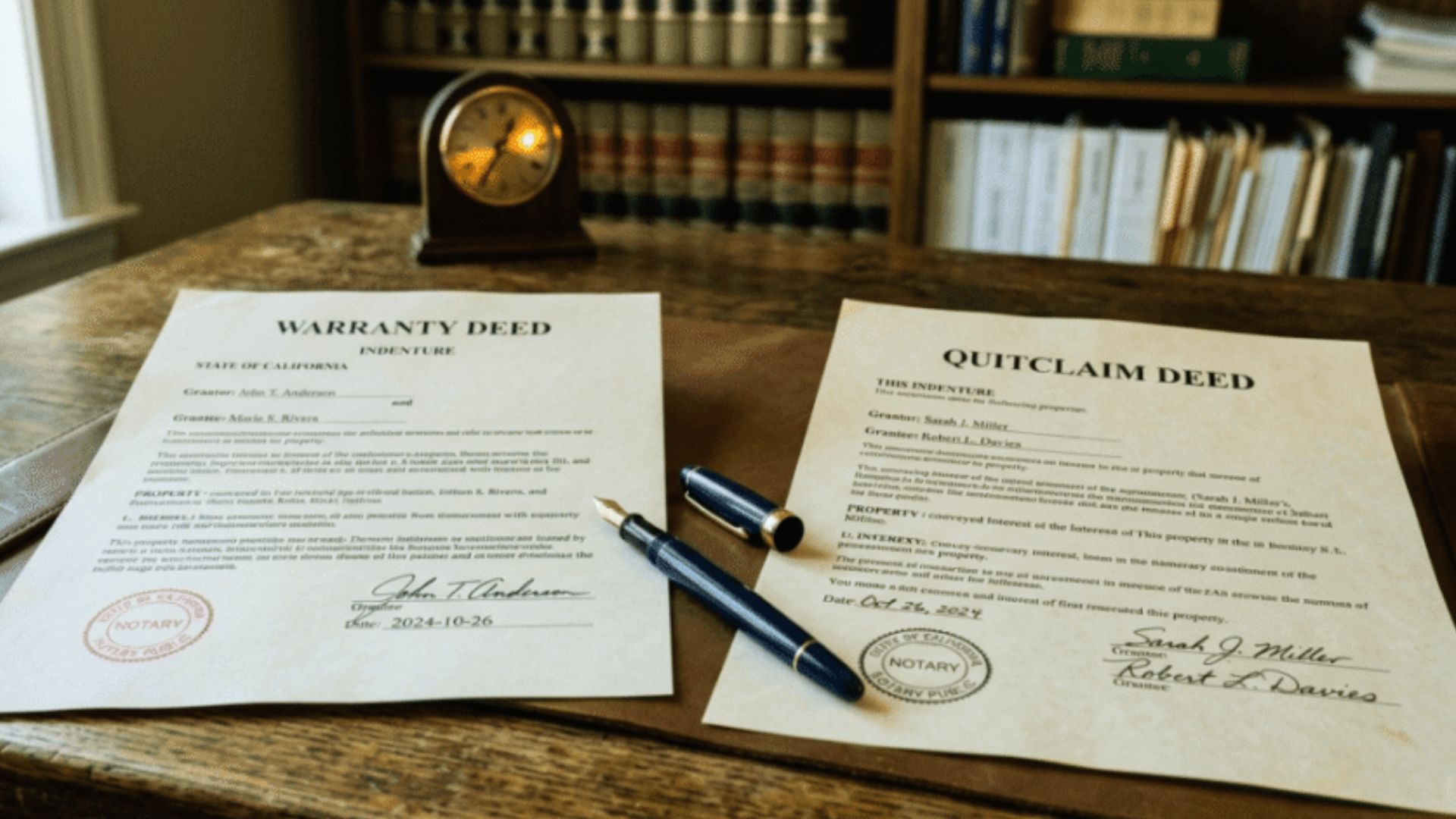
A deed, which may be a quitclaim deed in some situations, can be used to add someone to the title. The appropriate deed and requirements depend on state and local law
This process usually requires a notarized signature and filing with the local county recorder. Recording and other costs may be lower than refinancing, but taxes, fees, and other requirements vary by location.
Removing a Name From the Mortgage
Removing a name from a mortgage almost always requires refinancing the loan into the remaining borrower's name. Lenders rarely allow a name to be dropped without a new loan application and approval.
Loan assumption is sometimes possible, though it depends on the original loan terms and the lender's policies.
Expert Tips to Protect Your Interests
A few simple steps can prevent most disputes tied to this arrangement. Consider the following before making any changes to your title or mortgage.
- Put ownership responsibilities in writing, even between family members or partners
- Confirm exactly how your title is held before assuming your ownership percentage
- Speak with a real estate attorney before adding or removing any name
- Review your deed after major life events like marriage, divorce, or a death in the family
These steps take little time but can prevent costly disagreements down the road.
Conclusion
Being on a house title but not the mortgage gives you ownership, but not loan responsibility. That split can work well, as long as both sides understand the risks and put agreements in writing.
Review your deed, talk with your co-owner, and speak with an attorney if your situation feels complicated. A little planning now can save you from bigger problems later.
If this guide helped clear things up, share it with someone facing the same question. And if you have a story or question of your own, drop it in the comments below.
Frequently Asked Questions
Does adding someone to the title change my mortgage terms?
No. Adding a name to the deed does not affect your mortgage rate, balance, or terms, since the loan is a separate legal agreement from ownership.
Do I need the lender's permission to add a name to the title?
Not always. Some ownership transfers can trigger a due-on-sale clause, although federal law protects certain transfers, including some transfers to a spouse or child, after death, or following divorce. Check the loan documents and local law before changing title
Does being on the title affect my property tax deductions?
Property-tax deduction rules depend on federal tax law and the person's ownership, payment, filing, and use of the property. Being on the title alone does not automatically determine whether someone can claim a deduction.
Can someone be removed from a title without their consent?
No. Removing a name from a title usually requires that person's signature, a court order, or a legal settlement such as a divorce decree.
Does title-only ownership affect my homeowners insurance?
Homeowners insurance is separate from the mortgage and should accurately list the people with an ownership or insurable interest in the property. A title-only owner should confirm with the insurer that the policy properly reflects their interest.