


Buying land may seem simple, but property ownership is not always as straightforward as it appears.
Many buyers believe they automatically own everything above and below the ground. In reality, surface rights real estate can be separate from mineral rights, which may affect how you use your property. Understanding these rights before you buy can help you avoid costly surprises later.
Here, we will walk through what surface rights include, how they differ from mineral rights, and why split ownership matters.
It also shares practical tips for checking property records and asking the right questions before closing.
What Is Surface Rights Real Estate?

Surface rights give you the legal right to use and enjoy the land above the ground, but they do not always include the minerals below it, such as oil, gas, or coal.
In some cases, those rights belong to someone else. That is why you should always review the property's title and deed before buying, so you know exactly which ownership rights are included.
What Do Surface Rights Include?
While the exact rights depend on your property's deed and local laws, surface rights usually cover several everyday uses that most landowners expect.
1.Rights to Build and Develop
Surface rights generally allow you to build and improve the land. You can construct homes, garages, barns, fences, driveways, and other approved structures as long as they meet local zoning and building rules.
These rights also let you make changes that improve the property's function and value. However, they do not automatically include ownership of underground minerals.
2.Farming and Landscaping
If your property includes surface rights, you can usually use the land for farming and outdoor projects. This may include planting crops, growing gardens, caring for trees, raising livestock where permitted, and adding landscaping features.
These activities help you enjoy and maintain your property while following local regulations and any deed restrictions that may apply.
3.Everyday Land Use
Surface rights also cover many common daily activities on your property. You can use the land for recreation, create parking areas, install outdoor features like patios or sheds, and use surface water where local laws allow.
These rights let you enjoy your land for personal or practical purposes, but they may still be subject to easements, zoning laws, or other legal limitations.
Surface Rights vs Mineral Rights
Many people assume that buying land means they own everything above and below it. In reality, surface rights and mineral rights can be owned by different people.
| Feature | Surface Rights | Mineral Rights |
| What They Cover | The land's surface and everything built or grown on it | Underground resources such as oil, natural gas, coal, and metals |
| Includes | Homes, buildings, fences, roads, crops, trees, and landscaping | Rights to explore, extract, lease, or sell underground minerals |
| Ownership | Belongs to the surface owner | Belongs to the mineral owner, who may be a different person |
| Can Be Sold Separately? | Yes | Yes |
| Right to Extract Minerals | No | Yes |
| Main Purpose | Living, farming, building, and everyday land use | Mining, drilling, and resource development |
| Effect on Property | Allows normal use of the land | May allow drilling or mining if mineral rights are active |
In many states, surface rights and mineral rights have been separated over time through property sales or inheritance. That is why reviewing the property's title and deed is so important before buying land.
Why Buyers Often Confuse These Rights
Many buyers assume purchasing land automatically includes everything beneath it. However, previous owners may have sold or reserved the mineral rights decades earlier.
Because of this, a property can appear identical to another nearby while having very different ownership rights.
Reviewing the deed and title report is the only reliable way to confirm exactly what you are purchasing.
What Is a Split Estate, and Can Someone Drill on Your Land?
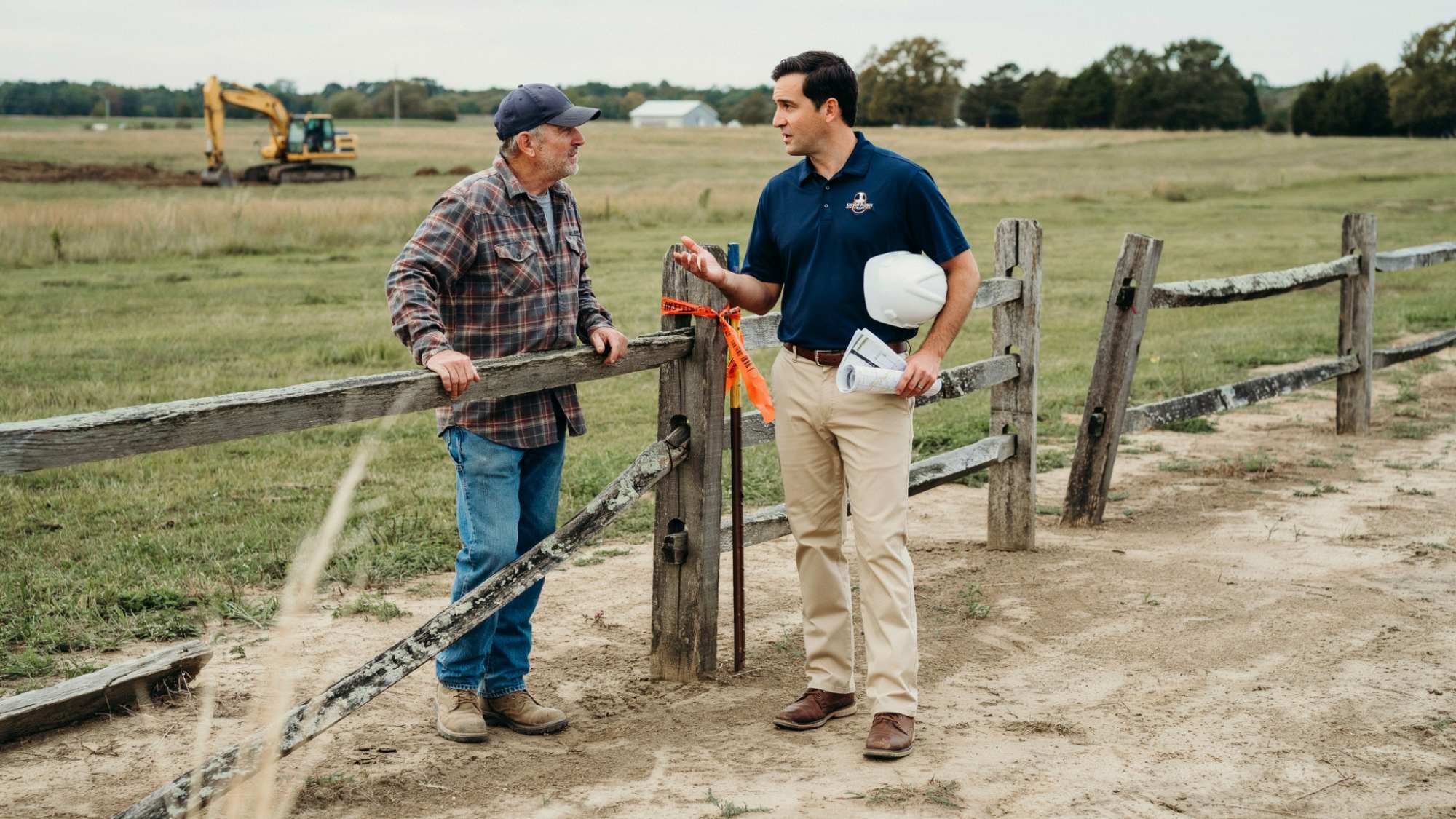
A split estate happens when the surface rights and mineral rights for the same property are owned by different people or companies.
This means you may own the land, home, and other surface features, while someone else owns the rights to the oil, gas, coal, or other minerals beneath the ground.
In many states, mineral rights are considered the dominant estate, which means the mineral owner may have the legal right to access the property if it is reasonably necessary to explore or extract those resources.
However, this does not mean they can use the land without limits. State laws often require mineral owners to minimize damage, compensate surface owners for certain losses, and restore the land after drilling or mining activities are completed.
In some cases, both parties may sign a Surface Use Agreement that explains where operations can take place, how damages will be handled, and what responsibilities each side has. Understanding whether a property is a split estate before buying can help you avoid unexpected legal issues, development restrictions, and future disputes.
How to Find Out What Rights Come With a Property
Before buying land, it is important to confirm exactly which property rights are included in the sale. These simple steps can help you understand what you will own and prevent unexpected issues later.
- Review the property title: Check who legally owns the property and see if any rights, such as mineral rights, have been separated from the surface rights.
- Read the property deed: Look for any clauses that explain which ownership rights are being transferred and whether the seller is keeping any rights.
- Order a title search: Review the property's ownership history to identify split estates, easements, liens, or other legal issues before closing.
- Ask the seller directly: Confirm whether both surface rights and mineral rights are included, and request copies of any related agreements if available.
- Work with a real estate attorney or title company: Have a professional review the documents so you clearly understand your ownership rights before completing the purchase.
Taking these steps before closing can help you avoid surprises and make sure you know exactly what rights come with the property.
Why Surface Rights Matter Before Buying Land
Understanding surface rights before purchasing property can help you make a smarter investment. It gives you a clear idea of what you can do with the land and helps prevent unexpected problems after closing.
- Protect your building plans: Confirm that your ownership allows you to build a home, garage, barn, or other structures without unexpected ownership restrictions.
- Avoid unexpected drilling activity: Find out if someone else owns the mineral rights, as they may have legal access to the property for resource extraction.
- Understand the property's value: Properties with both surface and mineral rights may be worth more than those with only surface rights, depending on the location.
- Know financing implications: Some lenders may review ownership rights carefully, especially if the property has a split estate or severed mineral rights.
- Prevent legal disputes: Reviewing ownership documents before buying helps reduce the risk of disagreements over land use, access rights, or future development.
Taking the time to verify these rights before closing can help you avoid costly surprises and make a more confident property purchase.
Surface Rights, Water Rights, and Air Rights

Owning land may involve more than just the surface. Depending on the property's title and state laws, different rights can be owned together or separately.
| Property Right | What It Covers | Example |
| Surface Rights | The land's surface, buildings, crops, trees, roads, and other improvements | Building a house, farming, or adding a fence |
| Mineral Rights | Underground resources such as oil, natural gas, coal, and valuable minerals | A company extracting oil or natural gas beneath the land |
| Water Rights | The legal right to use certain rivers, lakes, ponds, streams, or groundwater, depending on state law | Using water for irrigation or livestock where permitted |
| Air Rights | The legal right to use or control the space above the property, subject to local laws and aviation rules | Constructing a taller building or selling air rights in some areas |
Not every property includes all of these rights. Before buying land, review the title, deed, and any recorded agreements to confirm exactly which rights are included with the property.
Expert Tips Before Buying Property with Surface Rights
Buying land involves more than simply checking the price or location. Taking a few extra steps before closing can help you understand exactly what you are purchasing and reduce the risk of costly legal or ownership issues later.
- Always request a current title search: It is the easiest way to discover split estates or severed mineral rights before closing.
- Read every exception in the title report: Easements and reserved mineral rights are often appear in the title report and may affect how you use the property.
- Ask for existing Surface Use Agreements: These documents explain where drilling or mining can occur, how damages will be handled, and what responsibilities each party has.
- Research local county records: Older reservations or ownership changes may not be obvious from the property listing but can often be found in public records.
- Consult a real estate attorney if anything is unclear: A professional review of the deed, title, and related documents can help you avoid expensive surprises before completing the purchase.
Spending a little more time on these checks can provide greater peace of mind and help ensure your investment matches your expectations. Understanding your rights before signing the final paperwork is one of the best ways to protect your property and your future.
Common Mistakes Buyers Make
Buying land without understanding the ownership details can lead to unexpected problems later. Avoid these common mistakes to make a more informed and confident purchase.
- Assuming mineral rights transfer automatically: Never assume the sale includes mineral rights. Always confirm what ownership rights are listed in the deed and title documents.
- Not reading the title report: Skipping the title report can cause you to miss important details, such as split estates, easements, or ownership restrictions.
- Ignoring local and state laws: Property rights vary by state. Understanding local laws helps you know what rights you have and any limits on land use.
- Skipping a title search: A title search can uncover past ownership records, legal claims, or severed mineral rights before you complete the purchase.
- Overlooking Surface Use Agreements: If mineral rights are owned by someone else, review any Surface Use Agreements to understand how the land may be accessed or used.
- Not consulting a real estate attorney: A qualified attorney can explain legal documents, answer ownership questions, and help you avoid costly mistakes before closing.
Taking a little extra time to review these details can help protect your investment and prevent surprises after you become the property owner.
Conclusion
Understanding surface rights in real estate before purchasing land can help you avoid unexpected ownership issues and make better long-term decisions.
Reviewing the title, deed, and any recorded agreements allows you to know exactly what rights come with the property before closing.
Whether you are buying rural acreage or residential land, taking these extra steps can protect your investment.
If you found this helpful, leave a comment below, share it with others, or explore our other real estate resources to continue learning about property ownership.
Frequently Asked Questions
Can surface rights be inherited?
Yes, surface rights can usually be inherited through a will or estate, unless ownership has been transferred or limited by legal agreements or property records.
Do surface rights expire over time?
No, surface rights generally do not expire. They remain with the property owner until they are sold, transferred, or changed through legal action.
Can a homeowner lease only their surface rights?
Yes, a property owner can lease surface rights for activities such as farming, grazing, parking, or renewable energy projects without selling the land.
Are surface rights the same in every state?
No, state laws vary. Ownership rules, land use regulations, and property rights differ, so local laws should always be reviewed before purchasing land.
Can title insurance confirm surface rights ownership?
Title insurance helps verify ownership and identifies recorded claims or exceptions, but you should also review the deed and title report for complete details.